Stem Cell Therapy For Inflammatory Bowel Disease
Support for Calmer Flares and Better Gut Healing
Living with inflammatory bowel disease can mean cramps, diarrhoea, fatigue, and sudden flares that disrupt work and family life. Many patients now ask whether stem cell therapy for inflammatory bowel disease can add support when standard drugs do not bring steady control. At Cyrona Cell Malaysia, our doctors focus on science-based regenerative medicine that aims to calm the gut and protect day-to-day function.
IBD affects the gastrointestinal tract and includes Crohn’s disease and ulcerative colitis. Because chronic inflammation can quietly damage the bowel between flares, some people look beyond symptom control toward healing. Today, stem cell based therapies are being tested in clinical trials, especially for hard cases. While research continues, the goal is simple: help people feel steadier, eat with less fear, and regain quality of life.
Below, we explain how stem cells may support the gut, what realistic results look like, and how Cyrona Cell guides patients through evaluation, treatment, and follow-up in Kuala Lumpur, Malaysia.
Because IBD can shift quickly, we start with careful screening and shared decision-making. We explain what science can and cannot show, including gaps in long-term data. Then, you can choose whether to join treatment or seek clinical trials.

Home » Treatments » Stem Cell Therapy For Inflammatory Bowel Disease
Understanding Inflammatory Bowel Disease and Why the Gut Needs Support
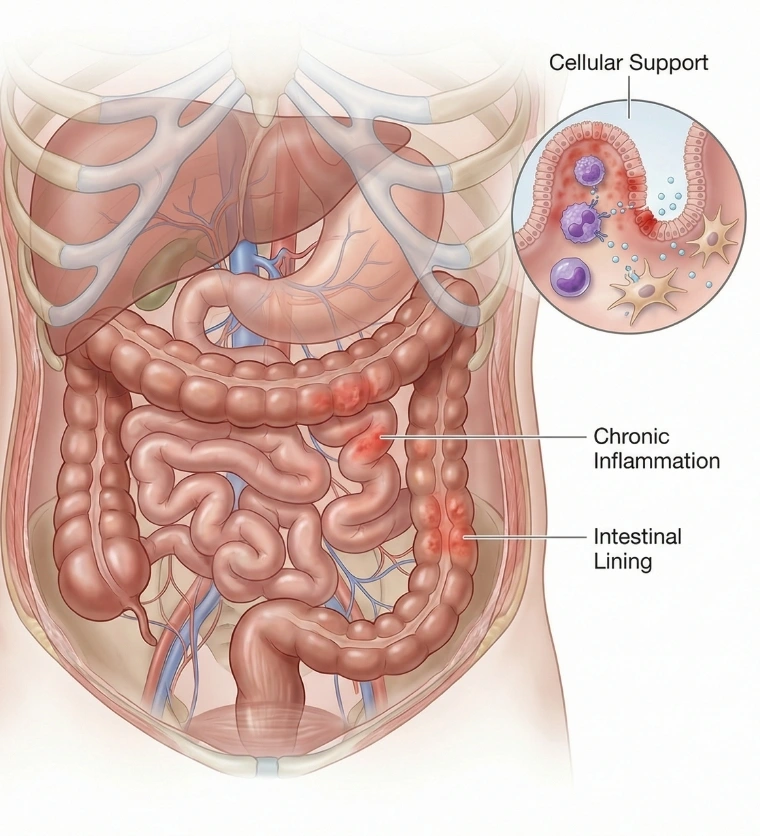
Inflammatory bowel disease IBD is a chronic inflammatory condition where the immune system stays “on” for too long. In Crohn’s, inflammation may appear in patches and reach deeper layers. In ulcerative colitis, it usually affects the colon lining in one continuous area. Genes matter, yet environmental factors such as infections, smoking, diet, and stress can also shape immune responses and trigger flares.
Over time, ongoing inflammation can cause ulcers, narrowing, bleeding, or fistulas. Medicines can block key signals, but some patients stop responding or struggle with side effects. For them, the next question becomes how to repair damaged tissues and support tissue regeneration without adding heavy burden to the body.
What Is Stem Cell Therapy for IBD?
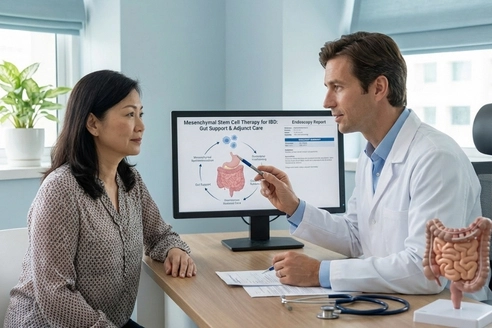
Stem cell treatment uses living cells that release helpful signals rather than acting like a drug that targets one pathway. At Cyrona Cell, we use human umbilical cord–derived cells, a well-studied form of mesenchymal stem cell therapy. Labs screen and prepare each batch under strict quality rules before doctors administer it. This approach fits within modern regenerative medicine and is designed to support the gut environment, not replace your gastroenterologist’s care.
How Do Stem Cells Work in the Gut?
Think of these cells as support units. They can release anti inflammatory messengers and growth factor signals that help the body organise repair. They may also guide immune cells toward a calmer pattern, so the gut reacts less aggressively to normal bacteria. Because several pathways shift at once, this approach may help with reducing inflammation across the bowel instead of chasing one single trigger.
Researchers also watch for mucosal healing, meaning ulcers close and the lining becomes less fragile. When the lining strengthens, bleeding may drop and nutrient absorption may improve. Still, results vary, so doctors select patients carefully and track progress with symptoms and tests.
Can Stem Cell Therapy Cure Inflammatory Bowel Disease?
There is no proven cure for IBD, and no clinic can promise the same result for everyone. Even so, some patients explore cell care as an add-on when symptoms stay active despite strong medicines. The realistic aim is to calm flare activity, protect bowel function, and support long-term comfort with honest expectations.
Who May Benefit from Stem Cell Therapy?
Stem cell programmes are not for every person with a chronic inflammatory illness. Before any plan, our doctors review your diagnosis, medicines, surgeries, and infection risks. Many candidates have moderate to severe disease, repeated flares, or difficult perianal fistulas in Crohn’s disease. We also talk about diet, sleep, and stress, because those steps can improve comfort and quality of life alongside medical care.
Cost of Stem Cell Therapy for Inflammatory Bowel Disease at Cyrona Cell
Every inflammatory bowel disease patient has a unique disease profile. The team at Cyrona Cell builds each treatment plan after a full medical review, so the cost reflects each person’s disease type, activity level, bowel involvement, medication history, and recommended cell amount.
Stem cell therapy at Cyrona Cell starts from USD 9,000. Most standard to advanced plans range from USD 9,000 to USD 15,000 and above. Because IBD ranges from mild intermittent flares to severe, continuous inflammation requiring multiple medications or prior surgery, the team provides a personal cost estimate after reviewing each case.
A typical plan may include:
- Medical review and full case assessment
- IBD protocol planning, disease type, activity level, extent of bowel involvement, and medication and surgical history
- Disease activity, bowel function, and nutritional status assessment
- Wharton's jelly mesenchymal stem cells (MSCs)
- Secretome support, where recommended
- Cell processing and quality checks
- Safety and sterility verification
- Treatment-day monitoring
- Post-treatment observation including gastrointestinal function and inflammation response
- Follow-up communication and bowel function and inflammatory marker review
- Cell quality documentation
Patients and families choose Cyrona Cell because the team works with the full picture of each patient’s disease activity and digestive health, not a fixed package. All costs are explained after the medical review, so patients and families can plan ahead with confidence before making any decision. For a full breakdown of how stem cell therapy is priced in Malaysia, what each protocol includes, and how Malaysia compares with other countries, visit the stem cell therapy cost guide for Malaysia.
Prices are general estimates. The final cost varies based on IBD type, disease activity level, extent of bowel involvement, medication and surgical history, nutritional status, age and overall health, cell amount required, secretome needs, treatment route, and follow-up requirements, such as anaemia, nutritional deficiencies, or joint involvement.
What to Expect During Treatment at Cyrona Cell
Cyrona Cell follows a clear, minimally invasive pathway. We focus on safety, careful dosing, and steady follow-up.
Medical evaluation
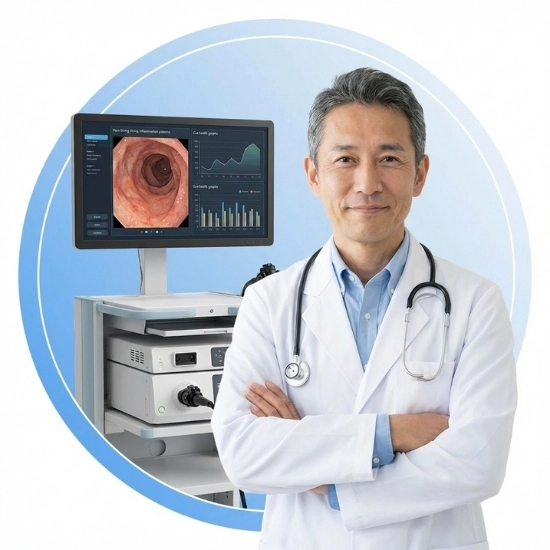
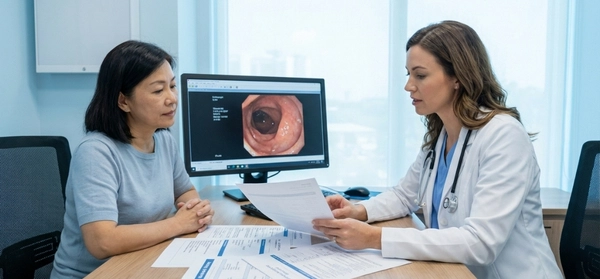
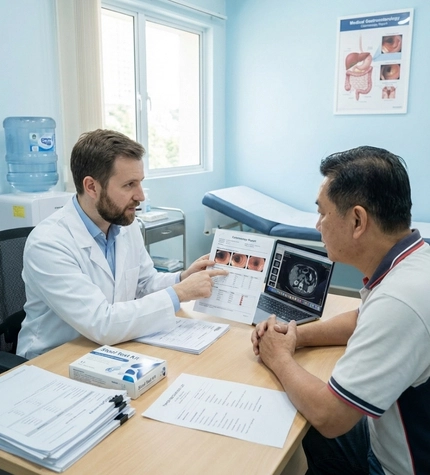
You share colonoscopy reports, blood and stool tests, imaging, and a full medication list. The doctor checks for active infection, explains limits, and sets practical goals such as fewer urgent trips and less pain.
Stem cell preparation
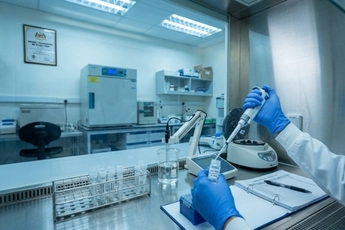
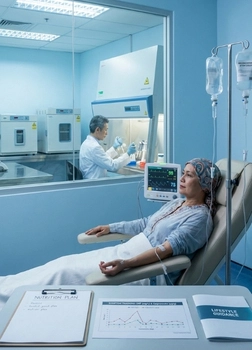
In a controlled lab, specialists prepare and test each batch for identity and sterility. This step supports consistent quality from start to finish.
Administration
Doctors give the cells through a vein using an IV drip. Most people rest in a treatment chair. We monitor you during the infusion and before you leave.
Monitoring and follow-up
After treatment, we track symptoms and key markers your doctor uses, such as CRP or calprotectin. We also adjust nutrition advice and stress tools, so your overall plan stays aligned over time.
Human-Focused Research and Clinical Experience
Patients want human data, not hype. Evidence is still developing. Still, these studies help show where cell care may fit, and where it still needs more proof.
Nanjing University, China
Efficacy and safety of allogeneic umbilical cord-derived mesenchymal stem cells for the treatment of complex perianal fistula in Crohn’s disease: a pilot study
In a trial at Jinling Hospital linked to Nanjing University, adults with complex perianal fistulas received a single local injection of umbilical cord-derived cells. The team checked combined remission at 24 weeks using symptom review and MRI. They reported that some patients showed promising healing, and short-term safety looked acceptable. Since fistulas can strongly affect daily life, even partial closure may reduce pain and support quality of life.
1
Henan University, China
Umbilical cord mesenchymal stem cells in ulcerative colitis treatment: efficacy and possible mechanisms
In a prospective self-controlled study linked to Henan University, clinicians treated moderate to severe ulcerative colitis that did not respond well to standard drugs. Patients received intravenous infusions of human umbilical cord cells once a month for two months. After treatment, Mayo scores and endoscopy results improved in responders, and several inflammation markers dropped while anti inflammatory balance improved. The authors described the approach as safe and noted that age may affect response. This supports the need for more clinical trials and highlights how immune regulation may help the gut heal.
1
Why Choose Cyrona Cell Malaysia
Cyrona Cell in Kuala Lumpur brings together science, safety, and personal care. Stem cell therapy here is not a quick fix. It is a structured programme designed and overseen by doctors who understand both the promise and limits of cell-based care.
Our team explains clearly where stem cell therapy may add value and where it cannot replace standard IBD treatment. This open approach helps you make decisions based on facts, not hype.
Cyrona Cell also offers exosome therapy as an added value service. Exosomes are tiny messenger packets released by stem cells. They carry helpful signals that may further support repair and calm inflammation. Used together, stem cell and exosome-based approaches can strengthen the supportive plan your main therapies offer.
How it works
Your Patient Journey in Three Simple Steps
Share your medical reports
Contact Cyrona Cell by form, email, or WhatsApp and send recent test results, scan reports, and a list of current medicines. The team checks whether therapy looks suitable and safe.
Receive clear feedback
We explain the doctor’s suggestions in simple language, including possible risks, benefits, and realistic goals. You can ask as many questions as you need.
Decide after an in-person consultation
If you wish to continue, you visit the clinic in Kuala Lumpur, Malaysia. You meet the doctor, review options face to face, and only then decide whether to proceed.
Patient Journey for International Patients
Enquire & Share Medical Information
Submit your enquiry and be assigned a dedicated Patient Liaison who will assist you with medical records and tests for review.
Personalised Treatment Planning
Your Liaison will forward your reports to our doctors, who will create a personalised treatment plan. Further tests may be advised before proceeding.
Confirm Dates & Secure Your Treatment
Once you agree to the plan, inform your Liaison about your preferred dates. They will secure your treatment slot and coordinate travel details. A deposit is required for confirmation.
Travel & Arrival Support
Your Liaison will assist with visa guidance, flight bookings, and Malaysia Digital Arrival Card registration. Upon arrival, your airport transfer will be arranged.
Treatment & Care in Malaysia
Your Liaison will meet you at the hotel, assist with check-in, and coordinate transport to the treatment facility. They will guide you through treatment and recovery for a smooth experience.
Take the Next Step with Cyrona Cell Malaysia
If you live with IBD and want to explore supportive cell care, the best next step is a conversation with the Cyrona Cell team. There is no pressure to start. You receive clear information and realistic goals. Send basic details about diagnosis, recent flares, and current medicines. Our medical team reviews your case, then the coordinator explains what else is needed and what a plan may include.
From there, you and your family can decide whether our stem cell therapy for inflammatory bowel disease options in Malaysia fit your needs, values, and budget, while keeping safety at the centre.
Get Your Free Estimate
FAQ
Most Popular Questions
Can stem cells treat Crohn’s disease or ulcerative colitis?
Stem cells cannot replace standard medicines, and they do not help every patient. Still, some clinical trials use stem cell treatment for fistulas in Crohn’s disease or for active ulcerative colitis that resists drugs. The aim is reducing inflammation and supporting mucosal healing, which can ease symptoms and improve quality of life. Your doctor can advise whether you are a fit.
Is stem cell therapy for IBD available outside research?
Many stem cell based therapies for IBD are still emerging, so the best evidence often comes from supervised clinical trials. If you consider a private programme, ask about cell source, lab testing, dosing, and follow-up. Also ask how the clinic manages side effects and infection risk, and how it coordinates with your gastroenterologist. Responsible regenerative medicine explains limits clearly.
What results and risks should I discuss with my doctor?
Ask what “success” means for you: fewer flares, less pain, fistula closure, or lower steroid use. Also discuss risks, because any immune-modifying approach can raise infection risk, and IV infusions may cause short-term fever or headache. Since IBD is chronic inflammatory, no plan guarantees long-term remission. Still, by calming harmful immune responses and supporting growth factor signals, mesenchymal stem cell therapy may help repair damaged tissues and support tissue regeneration in selected patients.