




Stem Cell Therapy For Spinal Cord Injury
A clear, patient-friendly guide to options, research, and realistic goals
A spinal cord injury can change daily life in seconds, and many families search for Stem Cell Therapy For Spinal Cord Injury because standard rehab, surgery, and medicines cannot fully rebuild nerve tissue. At Cyrona Cell Malaysia in Kuala Lumpur, our focus is supportive, science-based regenerative medicine that aims to improve function where possible, reduce complications, and support long term goals, without miracle promises.
Home » Treatments » Stem Cell Therapy For Spinal Cord Injury
Understanding Spinal Cord Injury and Why the Nervous System Needs Support
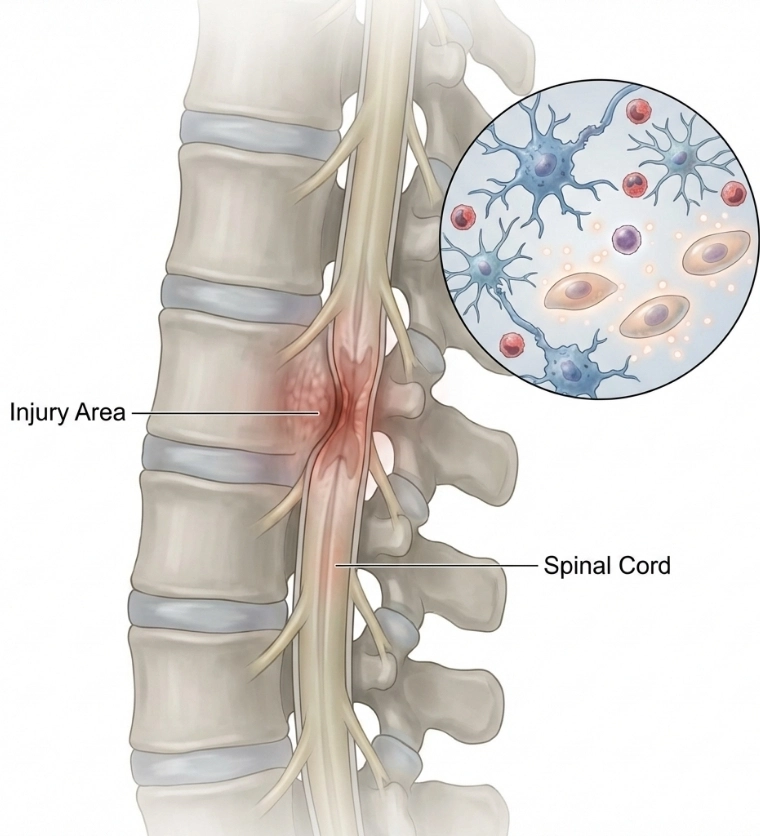
A spinal cord injury (SCI) happens when the spinal cord gets damaged by trauma, pressure, or reduced blood flow. Because nerves carry signals between the brain and body, damage can affect feeling, strength, bladder control, and balance. Many people also deal with nerve pain, spasms, and fatigue.
Even with excellent care, the body may form scar tissue and ongoing inflammation around the injury. As a result, movement signals may struggle to pass through. That is why people explore advanced therapies for spinal cord recovery, alongside rehab, to support the healing environment and protect remaining nerve pathways.
What Is Stem Cell Therapy for Spinal Cord Injury?
Stem cell therapy uses special living cells that can support repair signals in the body. In simple terms, the cells act like helpers. They may release growth factors, calm harmful inflammation, and support blood flow around injured tissue.
Different cell types may be used in clinical care or a clinical trial setting. The most common options in human studies include mesenchymal stem cells, often taken from bone marrow or umbilical cord tissue, as well as neural stem cells in highly controlled research settings. The aim is not to “reset” the spinal cord overnight. Instead, clinicians focus on safer support for motor function, sensation, and quality of life, step by step.
How Do Stem Cells Support Recovery Pathways?
People often search online for spinal cord injury sci updates, and they see many claims. So, it helps to keep the mechanism simple. After a serious SCI, the body enters a stressed state: inflammation rises, scar tissue builds, and nerve signaling weakens. Stem cell approaches try to improve that environment.
Depending on the method, cell transplantation may be delivered through an IV drip, through spinal fluid routes, or during a procedure near the injury site. Clinicians study whether the cells can reduce swelling signals, support nerve health, and help the body organize repair. In addition, derived mesenchymal stem cells may send helpful “message proteins” that encourage healthier tissue behavior around the injury.
Can This Therapy Cure Spinal Cord Injury?
Right now, there is no guaranteed cure for SCI. However, supportive cell-based care may offer a potential benefit of stem cell approaches for some patients, especially when combined with expert rehab.
Realistic goals usually include improved daily function, better control of spasms, reduced nerve pain, and measurable gains in strength or sensation. Results can vary widely, so a responsible clinic will explain limits clearly. Therefore, patients should treat bold promises as a red flag and focus on evidence, safety steps, and follow-up.
Who May Benefit From Cell-Based Care?
Not every patient is a good match. Before any plan, a medical team should review:
- Injury level and severity
- Time since injury (subacute vs chronic)
- Current rehab progress and overall fitness
- Imaging and neurological scores
- Infection risks and immune conditions
Often, people earlier in recovery may have more room for functional recovery, yet many chronic cases still explore supportive care to improve day-to-day outcomes. The best approach starts with careful screening, clear goals, and a plan that supports long term progress.
Cost of Stem Cell Therapy for Spinal Cord Injury at Cyrona Cell
Every spinal cord injury patient has a unique clinical profile. The team at Cyrona Cell builds each treatment plan after a full medical review, so the cost reflects each person’s injury level, completeness, time since injury, rehabilitation history, and recommended cell amount.
Stem cell therapy at Cyrona Cell starts from USD 9,000. Most standard to advanced plans range from USD 9,000 to USD 15,000 and above. Because spinal cord injury presentations range from incomplete cervical injuries with partial motor and sensory function to complete thoracic injuries, each requiring a different protocol approach, the team provides a personal cost estimate after reviewing each case.
A typical plan may include:
- Medical review and full case assessment
- Spinal cord injury protocol planning, injury level, completeness, time since injury, and rehabilitation history
- Neurological level, motor function, and sensory ability assessment
- Wharton's jelly mesenchymal stem cells (MSCs)
- Secretome support, where recommended
- Cell processing and quality checks
- Safety and sterility verification
- Treatment-day monitoring
- Post-treatment observation including motor function, sensation, and bladder response
- Follow-up communication and motor and sensory progress review
- Cell quality documentation
Patients and families choose Cyrona Cell because the team works with the full picture of each patient’s injury level and rehabilitation goals, not a fixed package. All costs are explained after the medical review, so patients and families can plan ahead with confidence before making any decision. For a full breakdown of how stem cell therapy is priced in Malaysia, what each protocol includes, and how Malaysia compares with other countries, visit the stem cell therapy cost guide for Malaysia.
Prices are general estimates. The final cost varies based on injury level and completeness, time since injury, current motor and sensory function, rehabilitation history, age and overall health, cell amount required, secretome needs, treatment route, and follow-up requirements, such as respiratory complications, bladder dysfunction, or pressure injuries.
What to Expect During Treatment at Cyrona Cell
Cyrona Cell follows a clear, minimally invasive pathway so patients and families know what to expect.
Medical evaluation
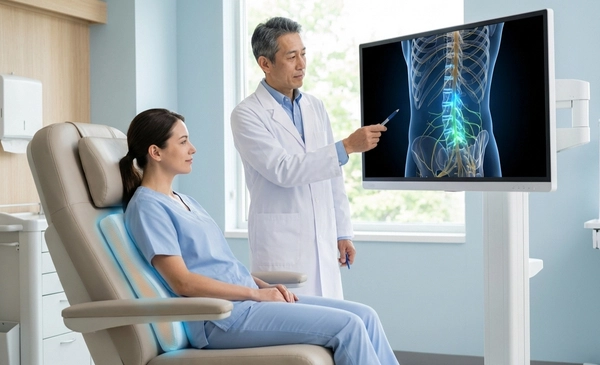
You share recent reports, scans, and medication lists. The doctor explains how therapy works, reviews possible benefits and limits, and agrees with you on realistic aims.
Stem cell preparation
In a controlled lab, specialists prepare and test each batch under strict quality standards. They check strength, purity, and identity before release to the clinic.
Administration
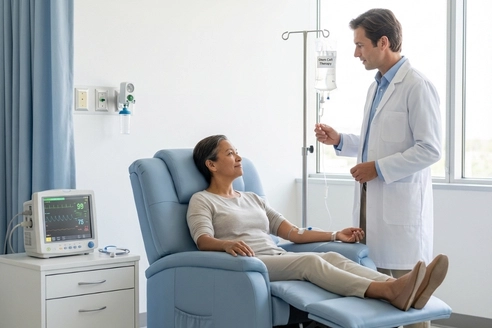
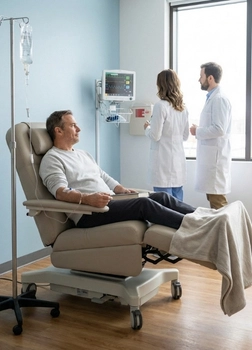
Doctors give the cells slowly through a vein using an IV drip. Most people relax in a treatment chair. This method is designed to be comfortable and minimally invasive, without spinal surgery.
Monitoring and follow-up
After infusions, the team tracks changes in movement, pain, sleep, and daily function. They may adjust rehab advice or the overall plan so all parts of care work smoothly together over the long term.
Human-Focused Research and Clinical Experience
Sun Yat-sen University, China
Repeated subarachnoid administrations of allogeneic human umbilical cord mesenchymal stem cells for spinal cord injury (Phase 1/2)
A team at The Third Affiliated Hospital of Sun Yat-sen University studied repeated subarachnoid delivery of allogeneic human umbilical cord mesenchymal stem cells in a phase 1/2 setting. They focused on safety, tracked adverse events, and also followed neurological outcomes and quality of life measures. This kind of work helps clarify how umbilical cord cells may fit into treatment of spinal cord injury in real patients, under medical monitoring.
1
University of Jordan, Jordan
Expanded mesenchymal stromal cells of bone marrow and umbilical cord origins in chronic spinal cord injuries (Phase I/II)
Researchers at the University of Jordan compared expanded autologous bone marrow cells with allogeneic umbilical cord–based cells in a phase I/II randomized clinical trial design. They reported mainly mild short-term side effects such as headache or back pain, and they followed outcomes for at least a year, with longer average follow-up reported. Importantly, they measured motor function and overall neurological scores, which helps patients understand what “functional recovery” can mean in real-world terms.
1
Why Choose Cyrona Cell Malaysia
Cyrona Cell in Kuala Lumpur brings together science, safety, and personal care. Stem cell therapy here is not a quick fix. It is a structured programme designed and overseen by doctors who understand both the promise and limits of cell-based care.
Our team explains clearly where stem cell therapy may add value and where it cannot replace standard treatment. This open approach helps you make decisions based on facts, not hype.
Cyrona Cell also offers exosome therapy as an added value service. Exosomes are tiny messenger packets released by stem cells. They carry helpful signals that may further support repair and calm inflammation. Used together, stem cell and exosome-based approaches can strengthen the supportive plan your main therapies offer.
How it works
Your Patient Journey in Three Simple Steps
Share your medical reports
Contact Cyrona Cell by form, email, or WhatsApp and send recent test results, scan reports, and a list of current medicines. The team checks whether therapy looks suitable and safe.

Receive clear feedback
We explain the doctor’s suggestions in simple language, including possible risks, benefits, and realistic goals. You can ask as many questions as you need.

Decide after an in-person consultation
If you wish to continue, you visit the clinic in Kuala Lumpur, Malaysia. You meet the doctor, review options face to face, and only then decide whether to proceed.
Patient Journey for International Patients
Enquire & Share Medical Information
Submit your enquiry and be assigned a dedicated Patient Liaison who will assist you with medical records and tests for review.
Personalised Treatment Planning
Your Liaison will forward your reports to our doctors, who will create a personalised treatment plan. Further tests may be advised before proceeding.
Confirm Dates & Secure Your Treatment
Once you agree to the plan, inform your Liaison about your preferred dates. They will secure your treatment slot and coordinate travel details. A deposit is required for confirmation.
Travel & Arrival Support
Your Liaison will assist with visa guidance, flight bookings, and Malaysia Digital Arrival Card registration. Upon arrival, your airport transfer will be arranged.
Treatment & Care in Malaysia
Your Liaison will meet you at the hotel, assist with check-in, and coordinate transport to the treatment facility. They will guide you through treatment and recovery for a smooth experience.
Take the Next Step with Cyrona Cell Malaysia
If you are living with an SCI and want to know whether a structured stem cell and exosome programme could help, the best next step is a conversation with the Cyrona Cell team. There is no pressure to start. You receive clear information so you can decide with confidence.
You can reach us by enquiry form, email, or WhatsApp and send basic details about injury level, current rehab, and daily function. Our medical team reviews your case, then the coordinator explains what else is needed and what a possible plan may look like.
From there, you and your family can decide whether our stem cell treatment for spinal cord injury options in Malaysia fit your needs, values, and goals, and whether Stem Cell Therapy For Spinal Cord Injury belongs in your wider care plan.
Get Your Free Estimate
FAQ
Most Popular Questions
Can stem cells repair spinal cord injuries?
Stem cells cannot promise a full repair, yet they may support recovery by reducing inflammation, releasing growth factors, and supporting nerve health. In human clinical trial work, doctors track safety first, then look for changes in strength, feeling, pain, and daily function. The best results usually come when patients combine cell therapy with focused rehab and long term follow-up.
How much does spinal stem cell therapy cost?
Cost depends on the cell source, dose, number of sessions, and the level of monitoring. For example, options using bone marrow collection can differ from umbilical cord–based approaches. After your doctor reviews your reports and confirms the right cell types and route of delivery, the clinic can explain pricing clearly so you can plan responsibly.
What is the success rate of stem cell back treatment?
“Success rate” can be tricky because spinal cord care is not the same as routine back pain care. For SCI, clinicians measure success by safer side effects, improved motor function, better bladder or bowel control, reduced pain, and improved quality of life. Because injuries vary, outcomes vary too, so a responsible team will explain what functional recovery could look like for your specific case.