



Stem Cell Therapy For Type 1 Diabetes
A new path toward steadier sugar control and stronger daily life
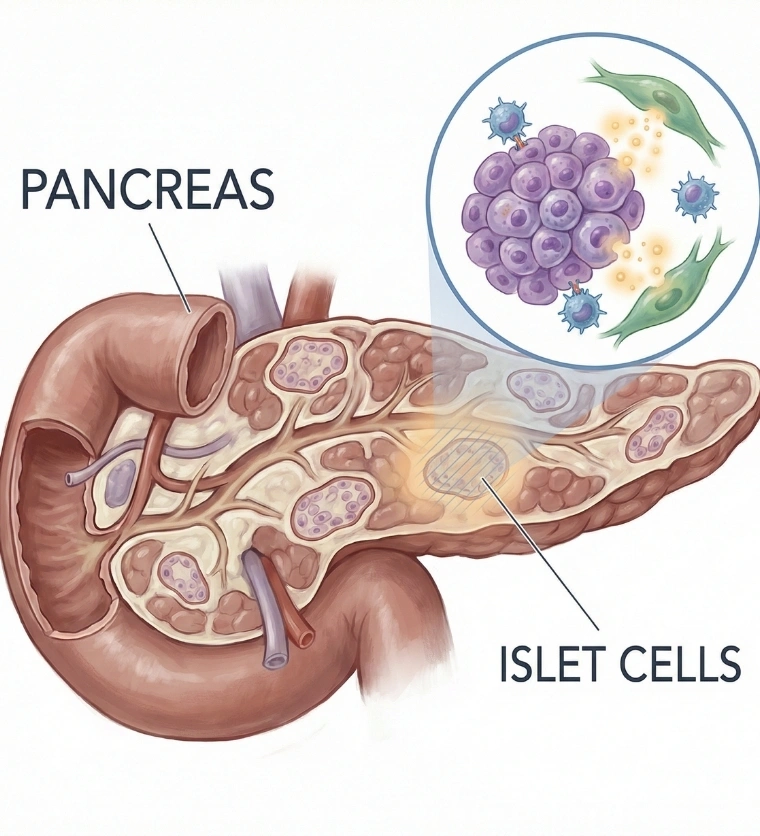
At Cyrona Cell Malaysia, many families ask whether stem cell therapy for type 1 diabetes can offer better support than insulin and standard care alone. Type 1 diabetes (T1D) is an autoimmune disease where the immune system attacks insulin-producing beta cells in the pancreas. As a result, many patients with type 1 diabetes cannot produce enough insulin to keep blood sugar levels stable.
While there is no proven cure, carefully planned cell-based programmes in Kuala Lumpur, Malaysia aim to support the body, protect remaining islet cells, and improve day-to-day control as part of a wider treatment for diabetes plan. We focus on safety, science, and honest guidance, not miracle promises.
Home » Treatments » Stem Cell Therapy For Type 1 Diabetes
Understanding Type 1 Diabetes and Why the Body Needs Support
Type 1 diabetes is a long-term condition. In simple terms, the immune system stays switched on and targets the pancreas. Over time, insulin-producing islet function drops, and blood sugar levels can rise fast without insulin support.
Current care often includes insulin, glucose monitoring, nutrition planning, exercise, and education. These steps matter. However, they do not fully stop the immune attack or rebuild insulin-producing beta cells. Because of that, many people explore newer options like stem cell therapy and cell transplant strategies to protect function and support better control alongside their endocrinologist.
What Is Stem Cell Therapy for Type 1 Diabetes?
At Cyrona Cell, our approach uses carefully screened human cells prepared in controlled lab settings. In many programmes worldwide, doctors study stem cell treatment using mesenchymal stem cells (MSCs) from sources such as umbilical cord tissue, or other regulated sources, depending on the protocol.
In simple words, stem cells can act like support units. They release signals that may calm harmful inflammation, support healing pathways, and help protect islet cells. Some programmes also explore stem cell transplantation to improve the pancreas environment, so the body can manage glucose swings more smoothly.
Importantly, this is not the same as an islet transplant or an islet transplantation surgery. It is also different from an insulin-producing islet replacement product. Each method has different goals, risks, and rules.
How Do Stem Cells Support Blood Sugar Control?
People often ask what changes they might feel. Stem cell therapy does not work like a fast pill. Instead, it aims to support several systems at once.
After treatment, supportive cell signals may:
- Calm overactive immune system responses linked to autoimmune disease
- Reduce inflammation that harms insulin-producing beta cells
- Support blood flow and tissue repair around the pancreas
- Help the body respond better to insulin dosing and meals
Because the goal is support, not instant replacement, results can vary. Still, many people want steadier blood sugar levels, fewer extreme highs and lows, and better daily energy as part of a complete treatment for diabetes plan.
Can Stem Cell Therapy Cure Type 1 Diabetes?
Many people search online for “cure type 1 diabetes,” so it is important to be direct. Right now, there is no confirmed, widely approved cure for type 1 diabetes.
That said, the potential of stem cells is real and researchers keep improving clinical trial designs. The realistic goal is support: protect remaining function, improve control, and reduce stress on the body. In addition, some research looks at ways to replace insulin-producing islet function using advanced approaches, including embryonic stem cells in highly regulated research settings.
Who May Benefit from Supportive Cell-Based Care?
Not every patient is a fit. Before any plan, our medical team reviews the full picture, so we can focus on safety and realistic goals.
We review:
- Time since diagnosis and current control
- Insulin needs and recent blood sugar level patterns
- Other health issues, infections, or immune conditions
- Current medicines, including any immune suppressant use
- Goals, lifestyle, and ability to follow aftercare
Often, people earlier in the condition, or those with unstable control despite strong effort, ask about added support options. However, we always guide you toward what is medically sensible and safe.
Cost of Stem Cell Therapy for Type 1 Diabetes at Cyrona Cell
Every type 1 diabetes patient has a unique immune and metabolic profile. The team at Cyrona Cell builds each treatment plan after a full medical review, so the cost reflects each person’s age of onset, current insulin requirements, HbA1c level, hypoglycaemia history, and recommended cell amount.
Stem cell therapy at Cyrona Cell starts from USD 9,000. Most standard to advanced plans range from USD 9,000 to USD 15,000 and above. Because type 1 diabetes management varies significantly, from well-controlled cases with low hypoglycaemia risk to brittle presentations with frequent glucose instability, the team provides a personal cost estimate after reviewing each case.
A typical plan may include:
- Medical review and full case assessment
- Type 1 diabetes protocol planning, age of onset, insulin requirements, HbA1c, hypoglycaemia frequency, and immune and kidney function
- Beta cell function, immune profile, and metabolic health assessment
- Wharton's jelly mesenchymal stem cells (MSCs)
- Secretome support, where recommended
- Cell processing and quality checks
- Safety and sterility verification
- Treatment-day monitoring
- Post-treatment observation including blood glucose stability and immune response
- Follow-up communication and insulin requirement trends and metabolic health review
- Cell quality documentation
Patients and families choose Cyrona Cell because the team works with the full picture of each patient’s immune profile and metabolic stability, not a fixed package. All costs are explained after the medical review, so patients and families can plan ahead with confidence before making any decision. For a full breakdown of how stem cell therapy is priced in Malaysia, what each protocol includes, and how Malaysia compares with other countries, visit the stem cell therapy cost guide for Malaysia.
Prices are general estimates. The final cost varies based on age of onset, insulin requirements, HbA1c level, hypoglycaemia history, kidney function, age and overall health, cell amount required, secretome needs, treatment route, and follow-up requirements, such as thyroid disease, coeliac disease, or early kidney involvement.
What to Expect During Treatment at Cyrona Cell
Cyrona Cell follows a clear, minimally invasive pathway, so you know what to expect.
Medical evaluation
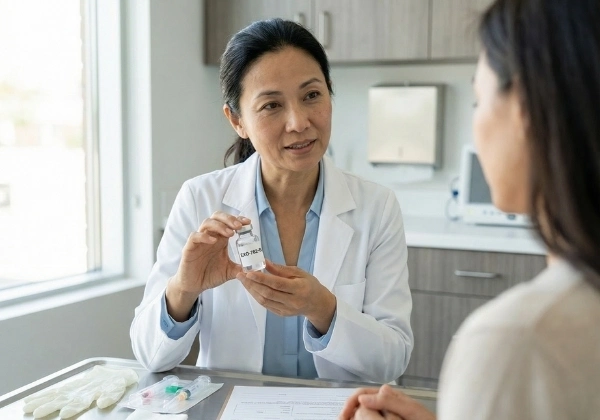
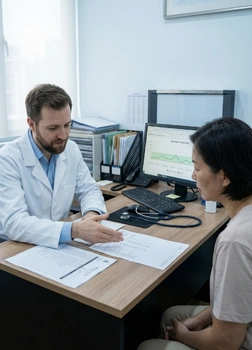
You share recent lab results, medication lists, and diabetes history. Then, the doctor explains options, limits, and safety steps.
Cell preparation
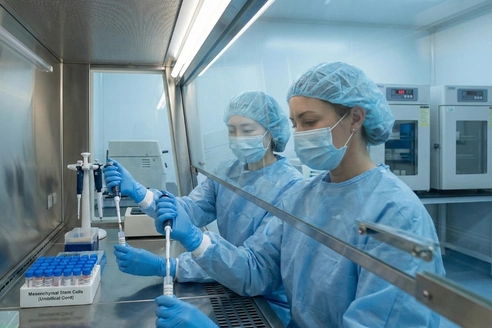
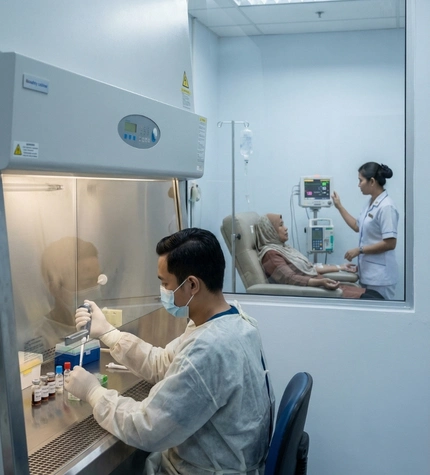
In a controlled process, specialists prepare and test each batch for identity and quality before clinic use.
Administration
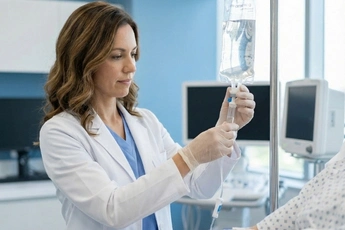
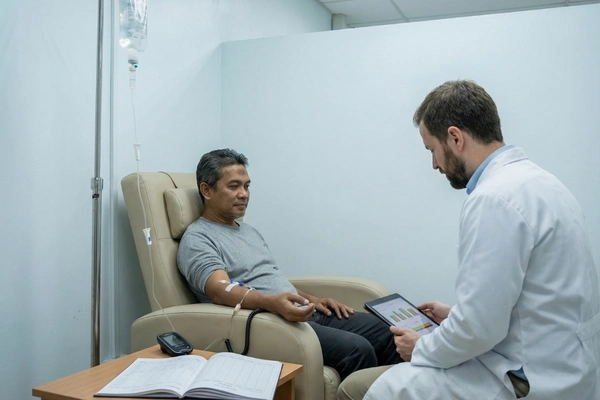
Doctors deliver the cells by a slow IV drip. Most patients rest in a treatment chair, and the process stays simple and comfortable.
Monitoring and follow-up
After treatment, we track changes in glucose patterns, energy, and day-to-day wellbeing. We also align care with your diabetes team, because long-term success depends on the full plan.
Human-Focused Research and Clinical Experience
Many people want to see human data, not animal work. Below are two human studies that are often discussed in this area.
Qingdao University, China
Long-term effects of the implantation of Wharton’s jelly-derived mesenchymal stem cells for newly-onset type 1 diabetes
Researchers reported outcomes in newly diagnosed people receiving Wharton’s jelly-derived mesenchymal stem cells. They tracked markers linked to insulin-producing beta cell function and glucose control over time. The paper discussed safety findings and signs of improved pancreatic function markers in the treated group compared with controls.
1
Nanjing Medical University, China
Wharton’s jelly-derived mesenchymal stem cell therapy to treat patients with type 1 diabetes
In this clinical trial work, investigators studied Wharton’s jelly-derived mesenchymal stem cell therapy in people with type 1 diabetes, focusing on safety and signals linked to islet cell function and insulin secretion. Because it is a clinical trial setting, the research also highlights careful monitoring and defined patient selection.
1
Why Choose Cyrona Cell Malaysia
Cyrona Cell in Kuala Lumpur brings together science, safety, and personal care. Stem cell therapy here is not a quick fix. It is a structured programme designed and overseen by doctors who understand both the promise and limits of cell-based care.
Our team explains clearly where stem cell treatment may add value and where it cannot replace standard treatment. This open approach helps you make decisions based on facts, not hype.
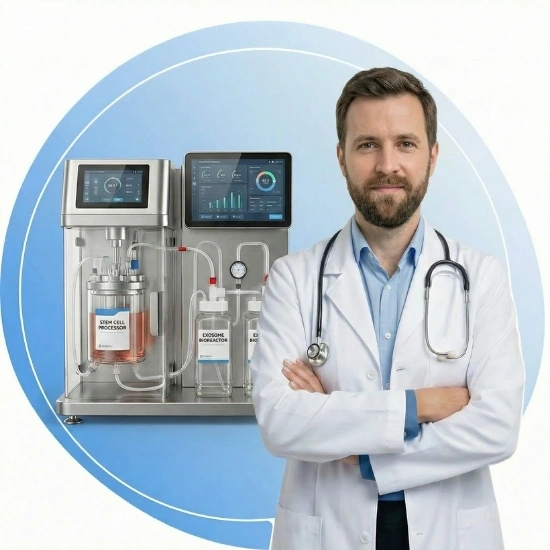
Cyrona Cell also offers exosome therapy as an added value service. Exosomes are tiny messenger packets released by stem cells. They carry helpful signals that may further support repair and calm inflammation. Used together, stem cell and exosome-based approaches can strengthen the supportive plan your main therapies offer.
How it works
Your Patient Journey in Three Simple Steps
Share your medical reports
Contact Cyrona Cell by form, email, or WhatsApp and send recent test results, scan reports, and a list of current medicines. The team checks whether therapy looks suitable and safe.

Receive clear feedback
We explain the doctor’s suggestions in simple language, including possible risks, benefits, and realistic goals. You can ask as many questions as you need.
Decide after an in-person consultation
If you wish to continue, you visit the clinic in Kuala Lumpur, Malaysia. You meet the doctor, review options face to face, and only then decide whether to proceed.
Patient Journey for International Patients
Enquire & Share Medical Information
Submit your enquiry and be assigned a dedicated Patient Liaison who will assist you with medical records and tests for review.
Personalised Treatment Planning
Your Liaison will forward your reports to our doctors, who will create a personalised treatment plan. Further tests may be advised before proceeding.
Confirm Dates & Secure Your Treatment
Once you agree to the plan, inform your Liaison about your preferred dates. They will secure your treatment slot and coordinate travel details. A deposit is required for confirmation.
Travel & Arrival Support
Your Liaison will assist with visa guidance, flight bookings, and Malaysia Digital Arrival Card registration. Upon arrival, your airport transfer will be arranged.
Treatment & Care in Malaysia
Your Liaison will meet you at the hotel, assist with check-in, and coordinate transport to the treatment facility. They will guide you through treatment and recovery for a smooth experience.
Take the Next Step with Cyrona Cell Malaysia
If you live with Type 1 diabetes and want to know whether a structured stem cell and exosome programme could help, the best next step is a conversation with the Cyrona Cell team. There is no pressure to start. You receive clear information so you can decide with confidence.
You can reach us by enquiry form, email, or WhatsApp and send basic details about diagnosis, current care, and daily function. Our medical team reviews your case, then the coordinator explains what else is needed and what a possible plan may look like.
From there, you and your family can decide whether our supportive stem cell therapy options for Type 1 diabetes in Malaysia fit your needs, values, and goals.
Get Your Free Estimate
FAQ
Most Popular Questions
Can type 1 diabetes be treated with stem cells?
Stem cell therapy may be used as a supportive option in some programmes, especially in a regulated clinical trial setting. The goal is often to calm immune system activity, protect islet cells, and support insulin-producing beta cells, not to replace daily care overnight. You still need a full treatment for diabetes plan, including insulin and monitoring, and you should only consider treatment with proper medical screening.
How successful is stem cell therapy for diabetes?
Success depends on the exact method, timing, patient selection, and whether the plan includes stem cell transplantation, combination approaches, or other tools like an islet transplant pathway. Some studies report improved markers of insulin-producing islet function or steadier blood sugar levels in certain groups, while others show limited change. Also, some approaches may require immune suppressant medicines, while others aim to avoid them. Because results vary, your safest step is a medical review and realistic goal setting.
Do people need immune suppressant drugs after cell-based treatment?
It depends on the approach. For example, some islet transplant methods can require an immune suppressant to reduce rejection, while other stem cell therapy approaches aim to reduce or avoid that need. Either way, safety comes first, so a doctor should review infection risk, other health issues, and your full plan before any procedure.