Anti Aging Stem Cell Treatment vs Traditional Anti-Ageing: What Actually Changes Inside Your Cells?

Understanding the cellular difference between modern regenerative therapy and traditional anti aging approaches

Quick Read Summary

Wondering about anti aging stem cell treatment vs traditional anti-ageing what actually changes inside your cells? This guide explains the cellular difference between regenerative therapy and conventional approaches. While traditional methods target surface-level signs like wrinkles and sagging skin, stem cell therapy works deeper by repairing damaged cell types, reducing oxidative stress, and supporting tissue regeneration. Learn how mesenchymal stem cells from bone marrow or umbilical cord sources influence aging cells, immune system function, and long-term cellular health.
  • Clear comparison of stem cell anti aging vs traditional topical and cosmetic treatments
  • Stem cell therapy targets aging cells at the root through repair and regeneration
  • Traditional anti aging focuses on temporary surface improvements like collagen stimulation
  • Mesenchymal stem cells release growth factors that reduce inflammation and support immune system function
  • Nutrition, sleep, and daily habits enhance long-term results of regenerative therapy
Estimated read: 6 min
Keywords: anti aging stem cell treatment vs traditional anti-ageing what actually changes inside your cells, stem cell anti aging, aging cells, mesenchymal stem cells, oxidative stress, growth factors, repair and regeneration, damaged cell types, immune system

Understanding the cellular difference between modern regenerative therapy and traditional anti aging approaches

When people search for Anti Aging Stem Cell Treatment vs Traditional Anti-Ageing: What Actually Changes Inside Your Cells?, they are looking for answers beyond creams and surface-level treatments.

They want to understand what really happens inside aging cells. This blog explains how stem cell therapy compares to traditional anti aging treatments and explores the actual changes occurring at a cellular level.

How the Aging Process Affects Your Cells

Aging begins within the cells themselves. Over time, aging cells experience oxidative stress, DNA damage, and slower energy production. These changes cause tissues to lose their function, leading to visible signs of aging, such as wrinkles, sagging skin, and slower healing.

Several factors contribute to this process:

  • Reduced growth factors in tissues
  • Accumulation of damaged cells
  • Weakening immune system
  • Slower repair and regeneration
  • Increased inflammation

While traditional anti aging therapies may improve the appearance of skin, they rarely address these fundamental cellular changes. Understanding this distinction is essential for choosing an effective anti aging approach.

Cellular Aging Factor How It Affects the Body
Reduced Growth Factors Decreases tissue repair and collagen production, leading to thinner skin and slower healing.
Accumulation of Damaged Cells Impairs normal cell function and contributes to visible signs of aging.
Weakening Immune System Reduces the body’s ability to fight infections and repair damaged tissues.
Slower Repair and Regeneration Extends recovery time and increases tissue degeneration over time.
Increased Inflammation Accelerates cellular damage and contributes to chronic aging related conditions.
Traditional Anti Aging Treatments-Surface-Level Improvements

Traditional Anti Aging Treatments: Surface-Level Improvements

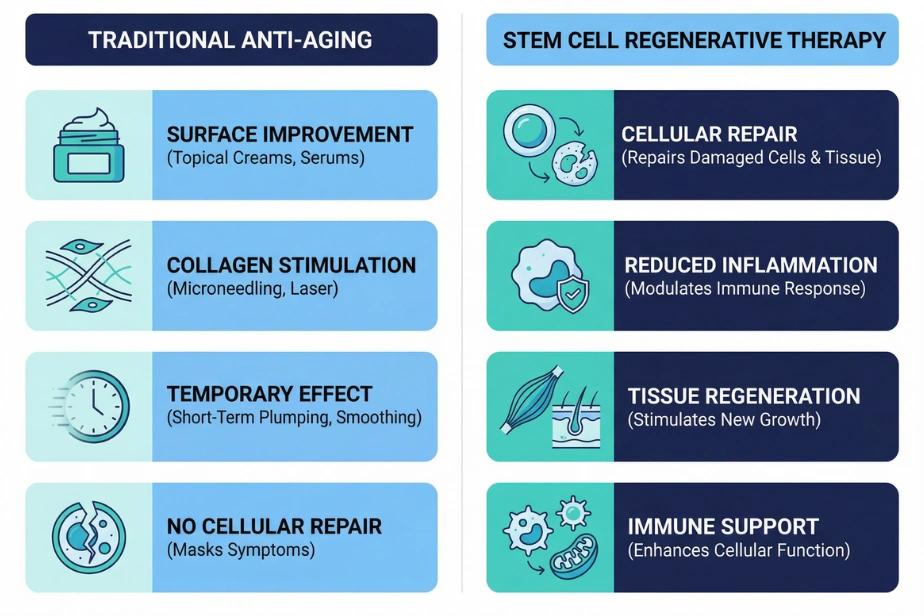
Traditional anti aging therapies focus mainly on visible results. These methods aim to improve skin texture, hydration, and elasticity. Some treatments stimulate collagen or temporarily reduce wrinkles.

The benefits include:

  • Smoother, firmer skin
  • Reduced appearance of fine lines
  • Temporary boost in collagen production
  • Improved visible signs of aging

However, these approaches do not replace damaged cell types. They primarily enhance the function of aging cells rather than repair or regenerate them. Therefore, their effects are often short term and do not alter the underlying biological aging process.

How Stem Cell Therapy Works at the Cellular Level

How Stem Cell Therapy Works at the Cellular Level

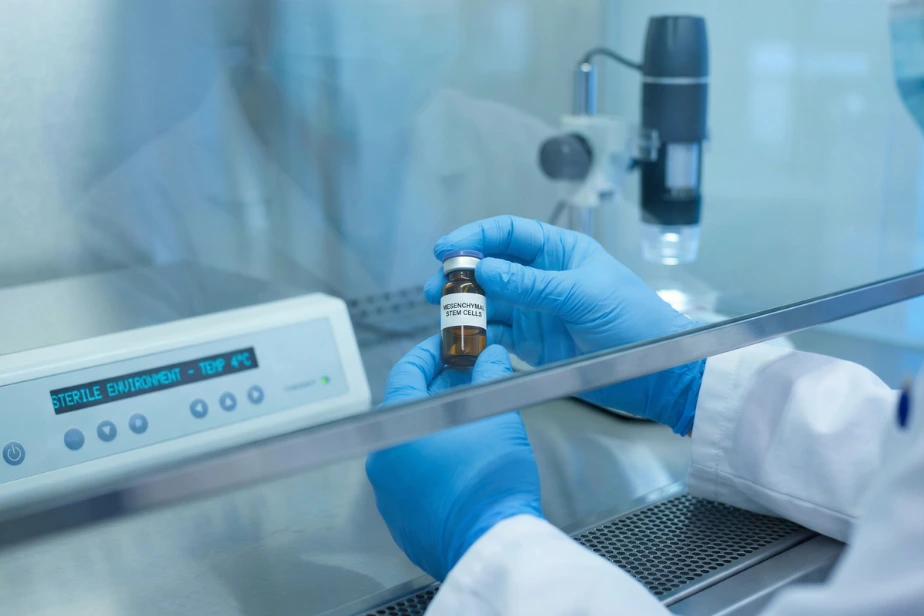
Stem cell anti aging focuses on repair and regeneration rather than just cosmetic improvements. Stem cells, such as mesenchymal stem cells from bone marrow or umbilical cord, act as master cells capable of forming different cell types and releasing growth factors.

Key benefits of stem cell treatment include:

  • Signaling damaged tissues to repair themselves
  • Reducing inflammation in aging cells
  • Supporting immune system health
  • Replacing damaged cell types
  • Enhancing tissue regeneration

Unlike traditional therapies, stem cell therapy targets the root of the aging process, encouraging the body to heal and restore itself naturally. This approach can improve long term cellular function and slow the progression of visible signs of aging.

What Actually Changes Inside Your Cells

What Actually Changes Inside Your Cells?

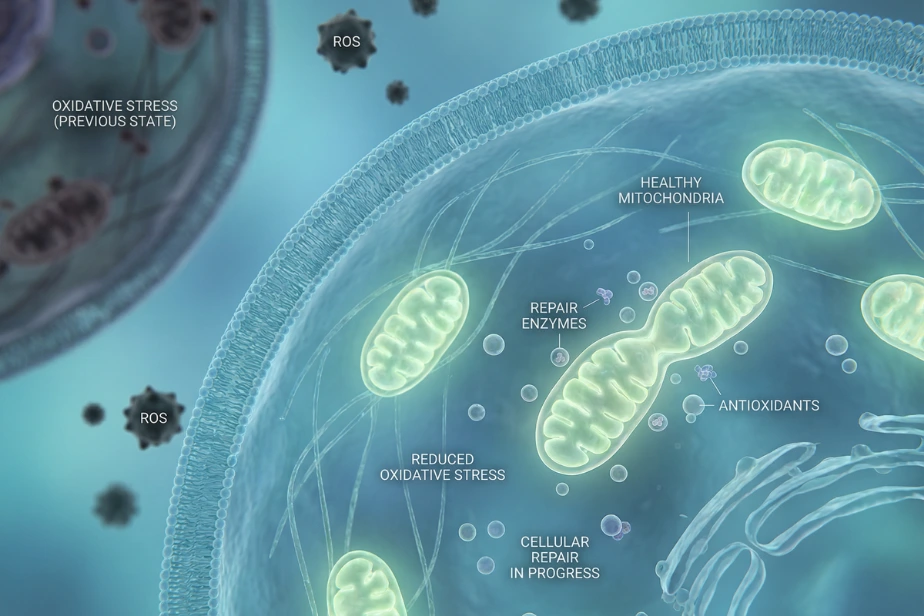
The main difference between traditional anti aging and stem cell therapy lies in cellular activity. Stem cell treatment influences the internal environment of cells, creating long term improvement. Specifically:

  • Damaged mitochondria regain function, producing more energy
  • Collagen and extracellular matrix production increase naturally
  • Oxidative stress is reduced
  • Aging cells regain the ability to divide and repair tissues

As a result, stem cell anti aging addresses the underlying causes of cellular aging, while traditional therapies mainly provide temporary surface improvements.

Long Term Impact: Appearance vs Regeneration

Traditional anti aging methods often give faster cosmetic results, but these effects are temporary. Stem cell therapy requires time but works deeper, supporting tissue repair and regeneration, and improving cellular resilience. When combined with a healthy lifestyle, it can contribute to long term maintenance of youthful tissues and stronger immune function.

How Nutrition Supports Stem Cell Anti Aging

How Nutrition Supports Stem Cell Anti Aging

Your diet plays a big role in supporting stem cell treatment. Foods rich in antioxidants and proteins reduce oxidative stress and help aging cells function better. Vitamins and minerals support the immune system, helping stem cells work more efficiently. Combined with therapy, nutrition enhances repair and regeneration, supporting long term results.

Daily Habits That Help Slow Cellular Aging

Small daily habits can reduce factors that contribute aging cells. For example:

  • Getting enough sleep improves repair and regeneration
  • Regular exercise boosts circulation and immune system function
  • Reducing stress lowers inflammation and oxidative stress

When combined with stem cell therapy, these habits help maintain results, improve skin, and support overall cellular health naturally.

Choosing the Right Stem Cell Therapy Plan

Choosing the Right Stem Cell Therapy Plan

Not all anti aging treatments are the same. Stem cell therapy can be tailored to individual needs based on age, skin condition, and health goals. Doctors can select mesenchymal stem cells from bone marrow or umbilical cord sources. Customized plans maximize repair and regeneration, helping replace damaged cell types and improve visible signs of aging over the long term.

Conclusion

When comparing anti aging stem cell treatment vs traditional anti-ageing what actually changes inside your cells, the difference is clear. Traditional methods primarily enhance appearance, while stem cell therapy actively supports repair and regeneration at the cellular level. For long term benefits, a regenerative approach addresses the root causes of aging rather than only masking visible signs.

FAQ

Will stem cells reverse aging?

Stem cell therapy does not fully reverse aging, but it improves tissue repair, reduces inflammation, and replaces damaged cell types. Many patients notice better skin health, vitality, and overall cellular function, making it a powerful long term anti aging therapy.

Results vary by age, health, and type of stem cell treatment. Typically, improvements in skin texture, energy, and tissue repair appear within weeks to months. Stem cell therapy promotes long term repair and regeneration of aging cells, supporting visible signs of aging naturally.

Yes. Stem cell anti aging releases growth factors that target multiple tissues. It improves skin, strengthens connective tissues, and supports the immune system. By replacing damaged cell types and promoting repair and regeneration, it offers comprehensive long term benefits beyond cosmetic improvements.

When performed under medical supervision, stem cell therapy is generally safe. Mesenchymal stem cells from bone marrow or umbilical cord support repair and regeneration without significant side effects. This approach improves cellular function and slows the aging process naturally, making it suitable for long term anti aging therapy.

Author

Leave a Reply

Your email address will not be published. Required fields are marked *