Key Takeaways
- A phase 2b trial gave 148 adults aged 70 to 85 one infusion of donated mesenchymal stem cells or placebo.
- At nine months, the 200 million cell group walked 63.4 meters farther than placebo.
- The six-month gap of 41.3 meters did not reach statistical significance.
- A second open-label trial in Vietnam also reported better physical performance in older adults.
- Neither study shows long term benefit, fewer falls, or fewer hospital stays yet.
Estimated read: 5 min
Stem cell trial: older adults walk farther after treatment, according to a randomised study in Cell Stem Cell. Researchers gave 148 frail adults a single infusion of donated cells or a placebo. Nine months later, the top dose group out-walked placebo by about 63 meters, but the full picture needs careful reading.

Stem Cell Trial: Older Adults Walk Farther After Treatment, but by How Much?
At nine months, adults on the highest dose walked 63.4 meters farther than placebo in a six-minute walk test. That gap was unlikely to be chance, with a 95% confidence interval of 17.1 to 109.6 meters. A BBC Science Focus news report on the frailty trial put the gain at roughly 20 percent.
However, the six-month result was weaker. The 200 million cell dose beat placebo by 41.3 meters, with a confidence interval from minus 2.4 to 84.9. Because that range includes zero, the gap was not statistically significant.
Even so, higher doses gave bigger gains, a point Dr Joshua Hare, Longevity’s chief science officer, stresses. Yet the evidence still rests on one phase 2b study.

Who took part in the phase 2b trial?
The phase 2b trial enrolled 148 adults aged 70 to 85 who met criteria for physical frailty. Each person received either a placebo or a single intravenous infusion of donor-derived stem cells. As a result, the product comes from donated bone marrow.
Specifically, doses were 25 million, 50 million, 100 million, and 200 million cells. Neither patients nor clinicians knew who received cells, so the design was double blind. Details appear in the full trial paper in Cell Stem Cell and the ClinicalTrials.gov record for trial NCT03169231.
Longeveron runs the trial and also employs Hare, so independent replication matters. Importantly, this product is an allogeneic mesenchymal stem cell product. In other words, the cells come from a donor rather than the patient.
How might mesenchymal stem cells ease aging frailty?
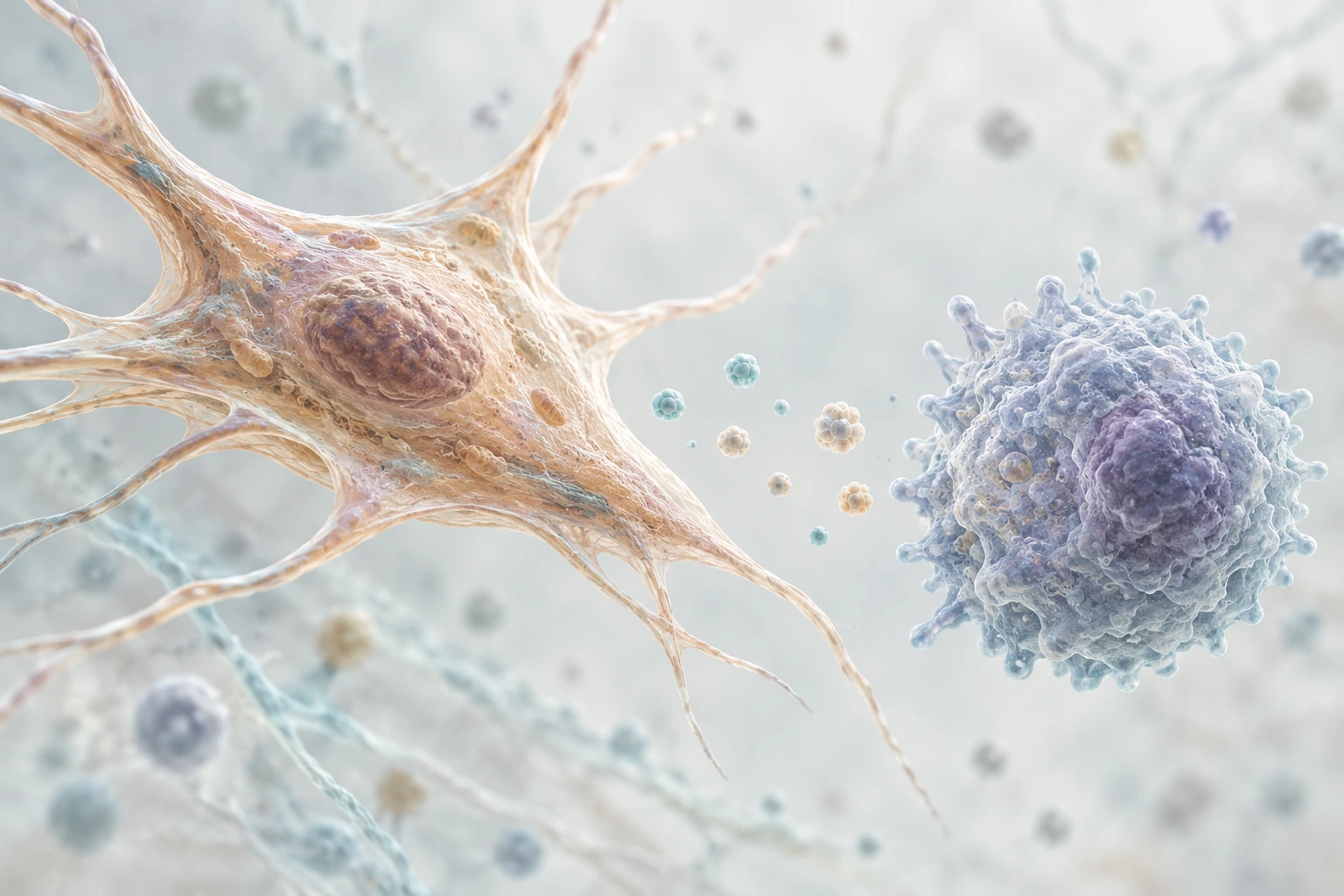
They may calm chronic inflammation, though researchers have not proven the mechanism. BBC Science Focus reports that mesenchymal stem cells can modulate immune signals. That explains their appeal in aging frailty.
In Hare’s view, chronic inflammation damages blood vessels and speeds muscle loss. Meanwhile, a blood marker called soluble Tie2 fell as the dose rose. However, it was not the study’s main goal, so it does not prove how the treatment works.
Meanwhile, Dr Andrew Steele, director of The Longevity Initiative, did not take part in the study. He suggested the cells may build new cells or release signals that prompt tissue repair.
Some developers study cell-free products instead. For instance, Vinmec registered a phase 1 trial of an oral secretome product in October 2026. This guide explains how exosome therapy differs from stem cell therapy.

What did the second clinical trial find?
A separate controlled clinical trial in Vietnam also reported better physical performance in older adults with frailty. Notably, the Vinmec Research Institute ran the study with 147 participants. It used MSCs derived from umbilical cords.
Participants received two infusions three months apart, plus oral supportive care. At nine months, the cell group scored about 1.1 points higher on the Short Physical Performance Battery. The comparison group received supportive treatment alone.
However, the study was open label, so patients knew they received treatment, and that may have shaped results. The journal later corrected the paper, and cell source and quality testing differ between products. This explainer shows how labs test cell quality in Wharton’s jelly MSCs.

Are the potential benefits proven over the long term?
No, the potential benefits remain unproven over the long term. Besides, the trial followed participants for only nine months. Our guide asks whether stem cell therapy could slow aging, a bigger claim than this trial supports.
Researchers have also not shown fewer falls or fewer hospital stays. Hare said one third of treated patients reached a healthy frailty score. However, that figure comes from Hare, as quoted by BBC Science Focus, so it needs independent review.
Regulation adds another hurdle. Hare told BBC Science Focus that US and European regulators do not recognise frailty as a disease. In fact, the EMA does publish guidance on measuring physical frailty in trials.

What does this mean for people aged 65 and older?
For now, the findings are promising, but they do not amount to an approved treatment. Moreover, stem cell therapy for frailty remains investigational, and the sources reviewed found no approved product. Anyone considering cell treatment abroad should check its regulatory status and talk with their own doctor first.
Therefore, a stem cell trial- older adults walk farther after treatment, is only a first step. Frailty affects about 1 in 10 people aged 65 and older, according to a British Geriatrics Society figure. For them, the real goal is better quality of life and lasting independence.
Stem cell trial: older adults walk farther after treatment, and a larger study will show whether that gain lasts. Until then, current care relies on nutritional support and physical therapy, as BBC Science Focus notes.
Frequently asked questions
What cells did the trial use?
Researchers grew mesenchymal stem cells from donated bone marrow. Longeveron, the trial sponsor, makes them. Doctors gave them as a single intravenous infusion.
Is stem cell therapy approved for frailty?
No. The sources reviewed for this report found no FDA or EMA approved stem cell product for frailty. Moreover, Hare told BBC Science Focus that he expects Alzheimer’s disease approval to come first.
Does one infusion reverse frailty?
Researchers have not proven reversal. Instead, the stem cell trial showed better walking at nine months for treated patients on the highest dose. However, the study did not test falls, hospital stays, or long term outcomes.
Is the treatment safe?
Early results look reassuring but remain limited. Specifically, a 2026 systematic review of randomised frailty trials found no treatment-related serious adverse events. Similarly, the Vinmec trial reported only mild events, including headache, dizziness, and chest discomfort.
However, small numbers cannot rule out rare risks. In May 2026, the FDA also warned about unapproved cell products sold online.