Key Takeaways
- A Japanese health ministry panel backed full approval of Stemirac, a bone marrow cell therapy, on 15 October 2026.
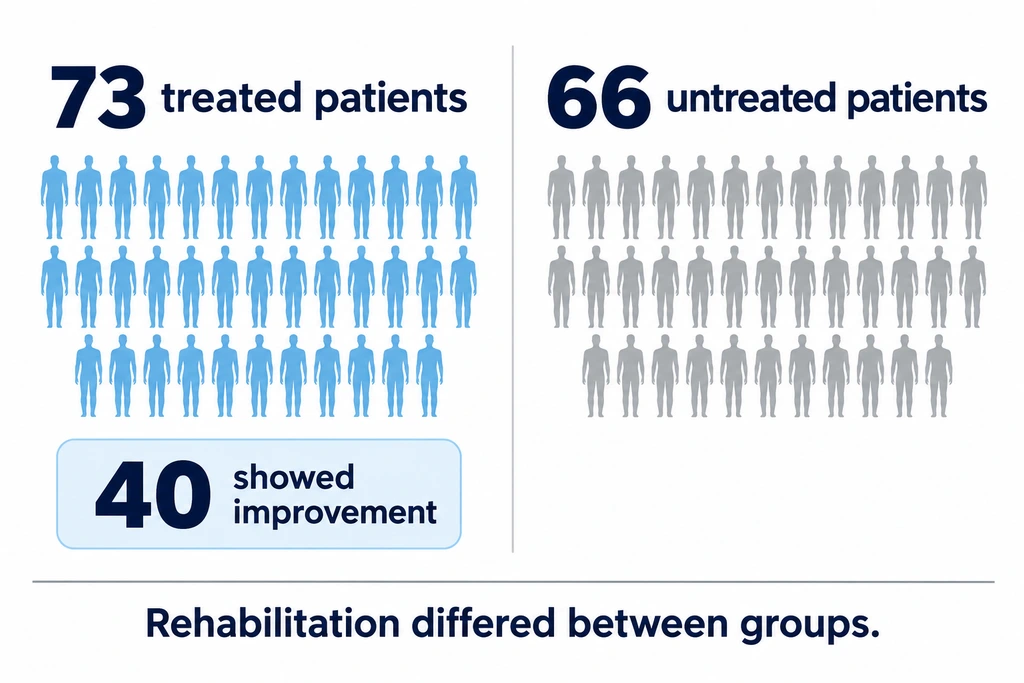
- Reported data compared 73 treated patients with 66 untreated patients, and 40 treated patients improved in motor function.
- Treated patients received more rehabilitation, so it’s hard to isolate the cells’ effect.
- The Keio University iPS cell study saw no serious adverse events in four patients, but it cannot confirm efficacy.
- Formal ministry approval is expected roughly a month after the panel meeting.
Estimated read: 3 min
Japan stem cell trial for spinal cord injury: what it found, and what it did not. A health ministry panel backed full approval of Stemirac on 15 October 2026. However, the evidence behind that decision carries a major caveat.
Japan stem cell trial for spinal cord injury: what it found
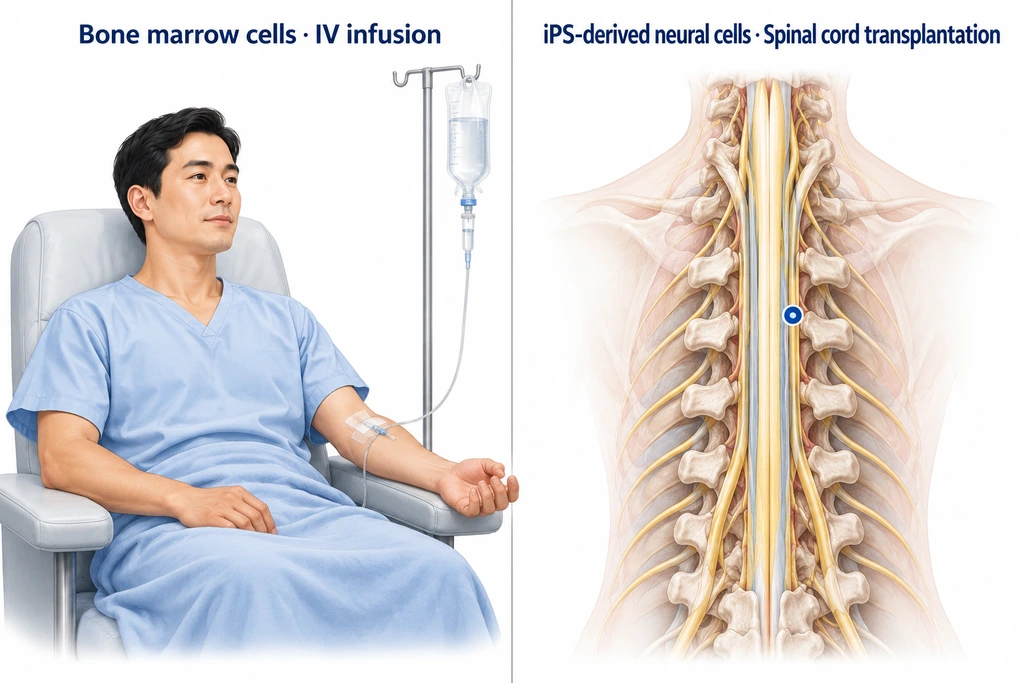
The panel judged the evidence strong enough to endorse full approval. Formal approval should follow about a month later, according to Yakuji Nippo’s formal approval coverage. Stemirac is a stem cell treatment grown from a patient’s own bone marrow cells and given by IV drip.
Medical Tribune’s Stemirac approval report describes two groups: 73 treated patients aged 20 to 70, and 66 untreated patients. In 40 of the treated patients, motor function and related abilities improved. The report adds that the data supported long-term safety.
This would be the first conversion from temporary to full approval since Japan created the system in 2014. Even so, two of the eight products given temporary approval since 2015 have already lapsed.
Why Rehabilitation Limits the Findings
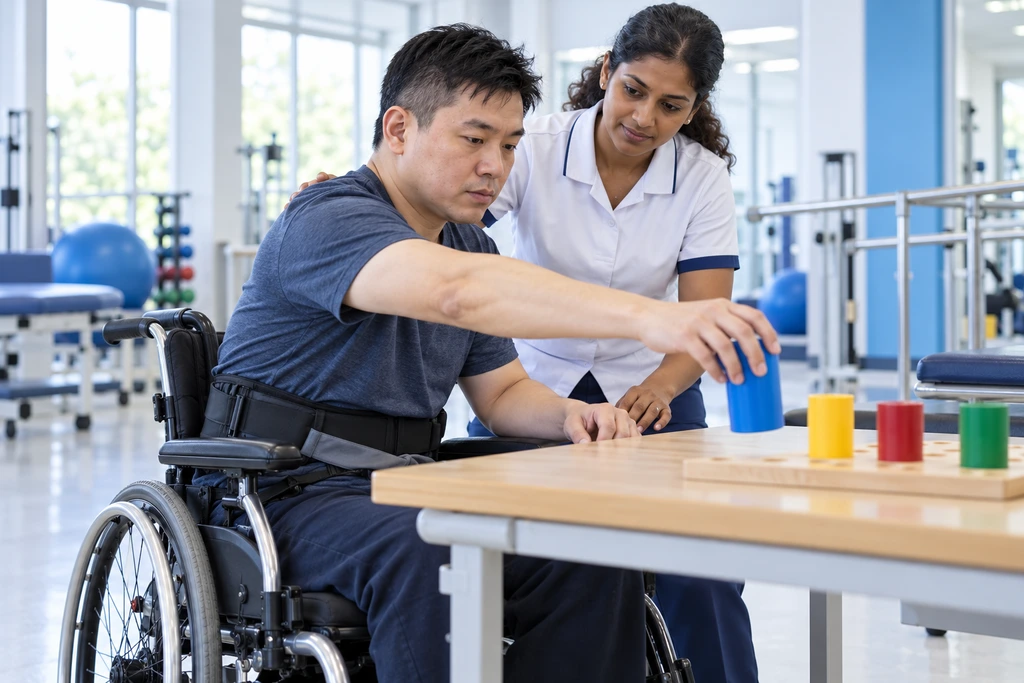
Treated patients received more rehabilitation than untreated patients, so it’s hard to separate the cells’ effect from the rehabilitation effect. Committee members raised this concern during the review. As a result, the ministry will ask Nipro to keep collecting rehabilitation data after approval.
Japan stem cell trial for spinal cord injury: what it found is therefore a recovery signal without proof of cause. The comparison shows that many treated patients improved. Still, the data cannot say how much of that gain the cells caused.
How the Keio University iPS Cell Study Differs
A separate Japanese team tested a different approach, placing cells directly into the injured cord. Keio University researchers transplanted iPS derived neural stem cells, made from induced pluripotent stem cells, into four patients. Direct injection is one of several spinal cord injury delivery routes.
This first-in-human clinical study followed patients with subacute injuries for two to four years. Nature Medicine published the results in July 2026. According to Keio University long-term safety summary, the team saw no tumor formation and no serious adverse events.
Early gains in motor function exceeded those of historical controls. However, the single-arm design means efficacy still needs verification.
What Patients Should Take From This
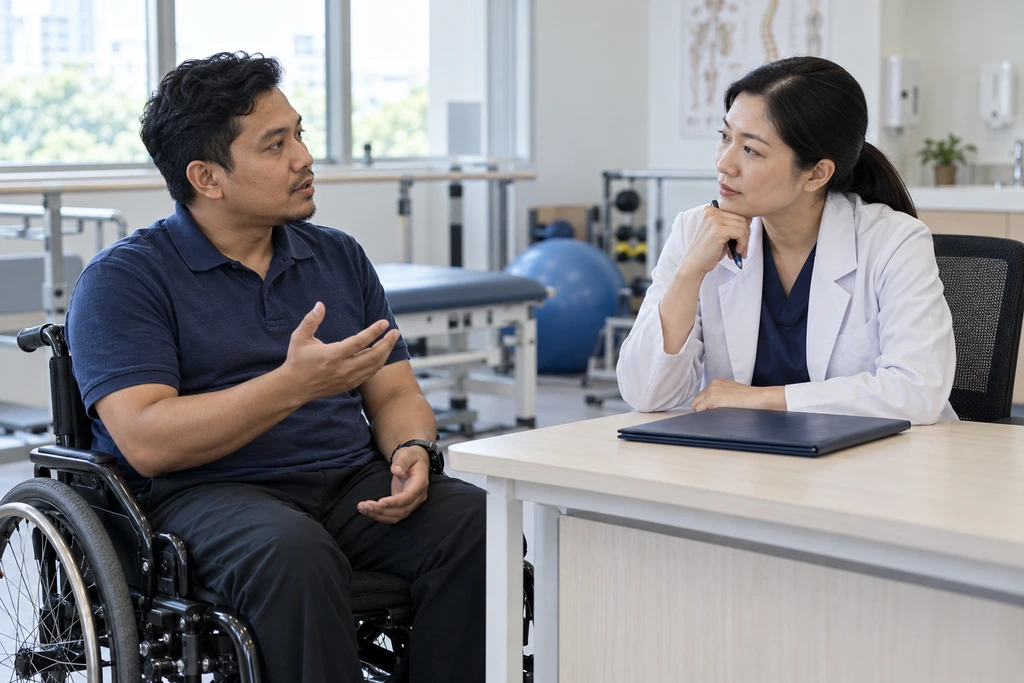
Neither result shows a cure, and both rest on limited comparisons. Even so, regenerative medicine for paralysis is moving from the lab toward regulated use. Our guide to spinal cord injury therapy expectations covers realistic timelines.
Read these results as a promising signal, not proof of effective treatments for every patient. Larger clinical trials with controlled rehabilitation will test that. Until then, patients should judge every claim against the published data.
Frequently Asked Questions
Can stem cells repair a damaged spinal cord?
Stem cells cannot reliably repair a damaged cord yet. Early studies show safety and some gains in a few patients. However, no stem cell therapy has proven this in a controlled trial.
Is there a cure for spinal cord injury in 2026?
No cure exists for spinal cord injury. Stemirac may soon gain full approval in Japan, yet its true benefit remains unclear because of the rehabilitation gap.
Are there any clinical trials of stem cell treatment for spinal cord injury?
Yes. At the ISSCR 2026 meeting, Keio’s Hideyuki Okano described a planned chronic-injury trial. It aims to start recruiting patients in 2027.