Key Takeaways
- Stem cell therapy for cerebral palsy is still experimental and is not established standard care.
- A 2021 randomized trial of 72 children reported higher motor scores 12 months after cord tissue cells than after a pretend procedure.
- Two 2025 reviews found average gains of about 1 to 1.5 points on a 100-point motor scale.
- Every child in the 2021 trial kept doing rehab, so the cells were tested as an add-on, not a replacement.
- Reported short-term effects included fever, headache, and back pain, and dose, route, and cell source remain unknown.
Estimated read: 8 min
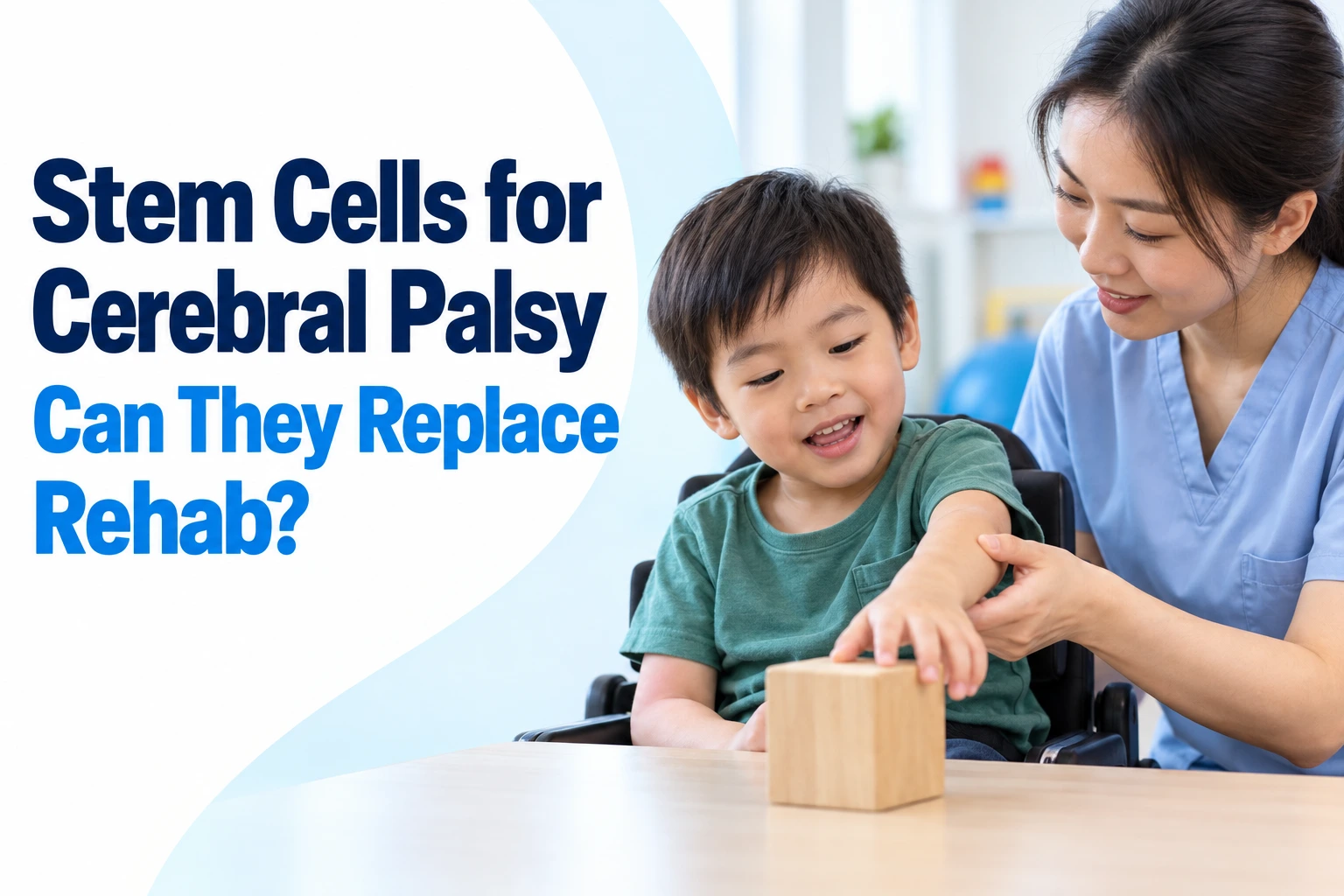
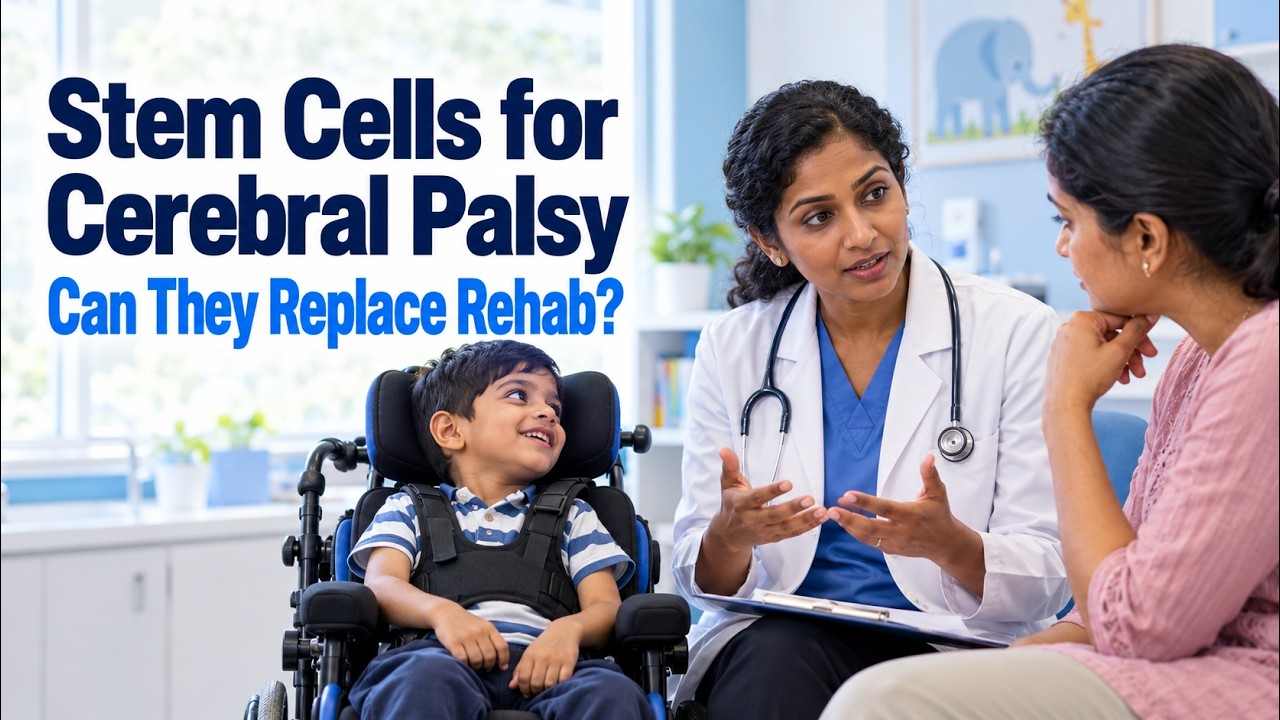
Parents often ask whether stem cell therapy for cerebral palsy could replace physical therapy. Researchers say no, because so far, cell studies have added only small gains on top of ongoing rehab. This guide shows what the trials tested and where rehab fits.
What Is Stem Cell Therapy for Cerebral Palsy?
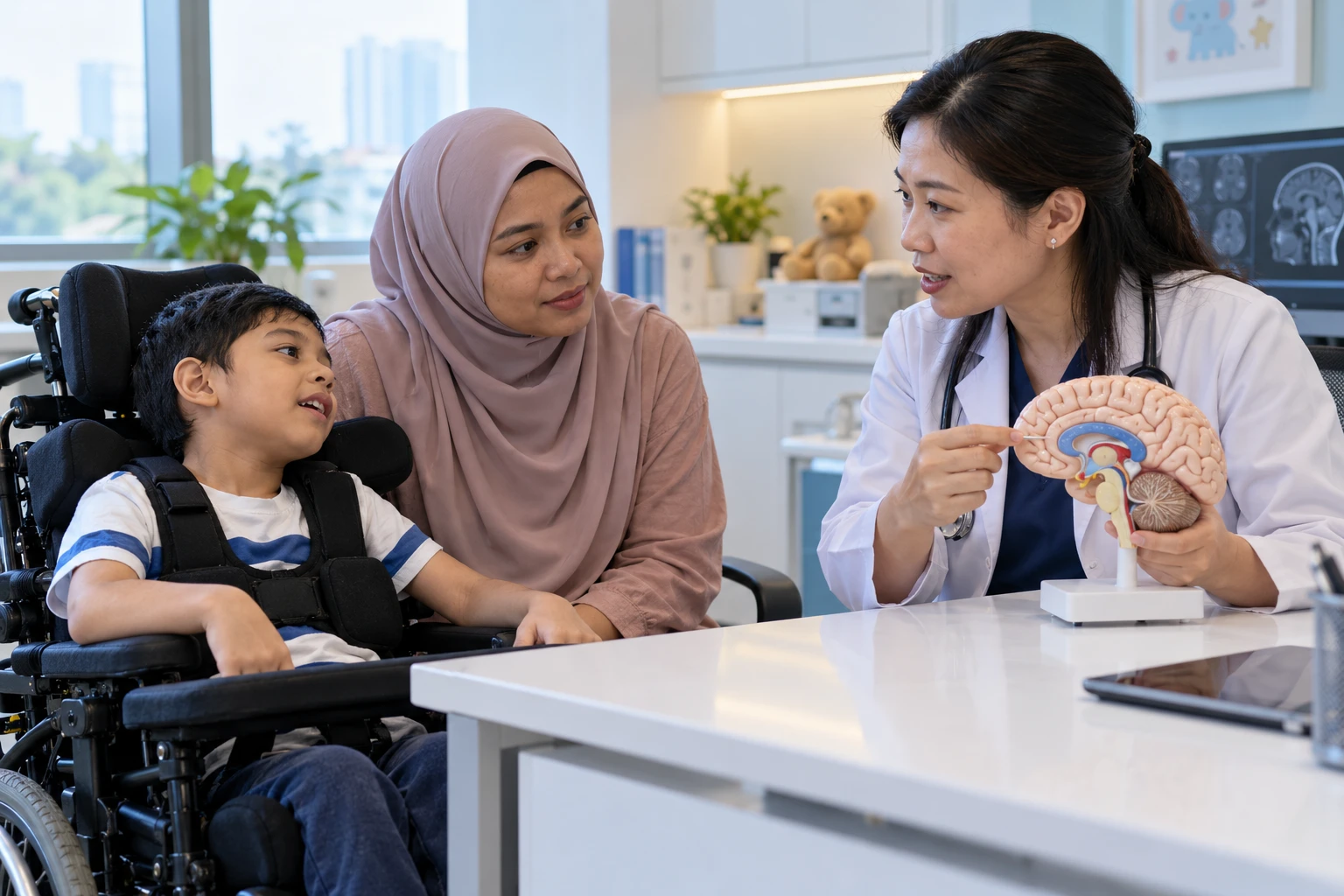
Stem cell therapy for cerebral palsy is an experimental treatment that uses cord cells to support an injured brain. Researchers are testing whether the cells, usually from cord blood or cord tissue, may ease movement problems. However, doctors do not yet use cell therapy as routine standard care for the condition.
Cerebral palsy is a group of lifelong conditions that affect movement, muscle tone, and coordination. A 2020 review of cerebral palsy treatments called it the most common physical disability of childhood. A 2021 trial team says the injury occurs before or soon after birth and does not progress.
For readers who want the practical pathway, Cyrona Cell offers a short cerebral palsy treatment overview.
How Might Stem Cells Help the Brain in Cerebral Palsy?
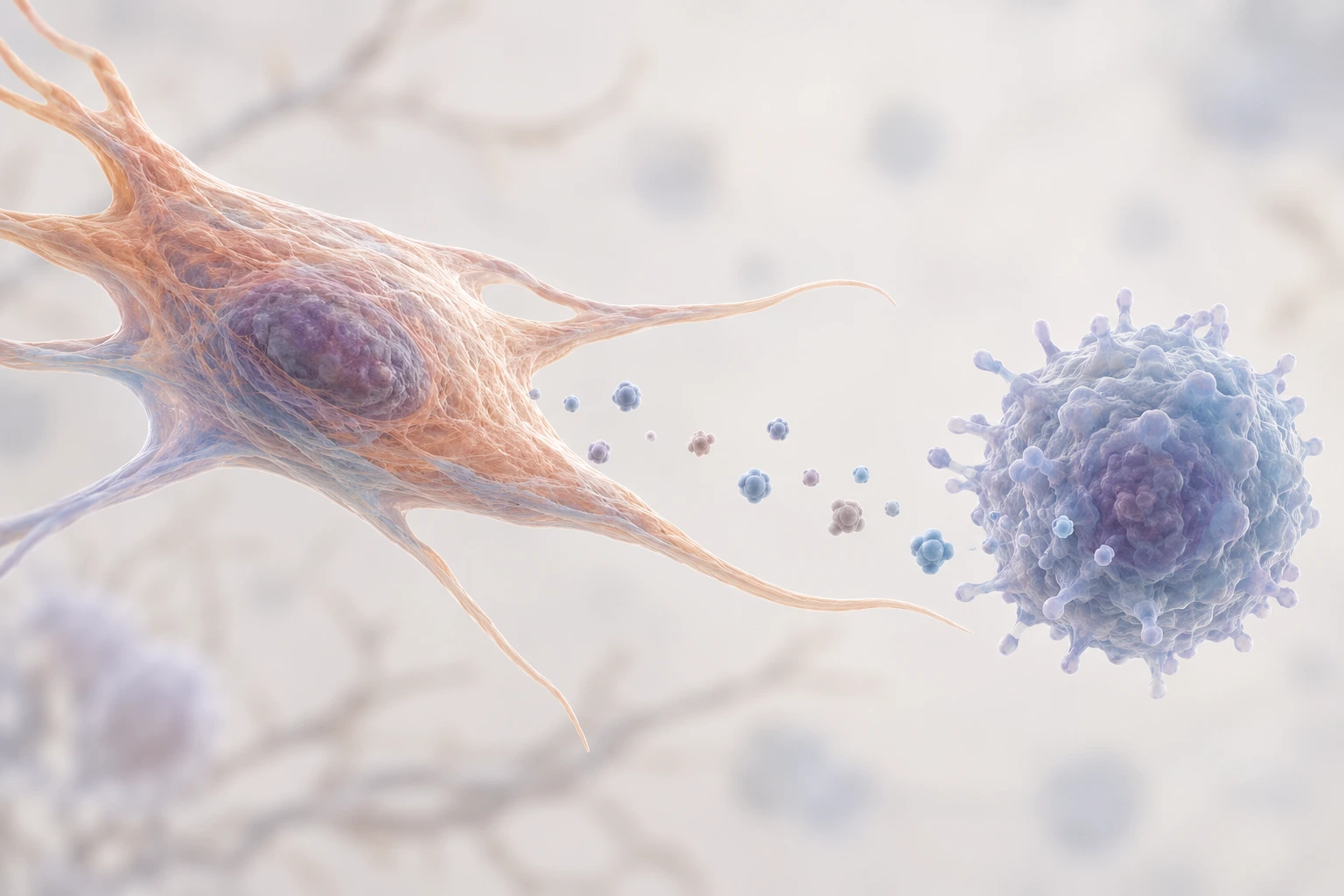
Researchers think mesenchymal stem cells (MSCs) help mainly by releasing signals, not by turning into new brain cells. MSCs come from sources such as umbilical cord tissue and can calm inflammation. The authors of a 2021 trial describe this signaling as the likely main effect.
They also cite studies suggesting the cells do not have to reach the injured area to work. Because the ideas below come mostly from lab and animal work, they remain unproven in children. Researchers propose that the cells may:
- calm inflammation around injured brain tissue;
- release signals that support repair and new blood vessels;
- protect nearby cells from dying.
Which Types of Stem Cells Have Researchers Tested?
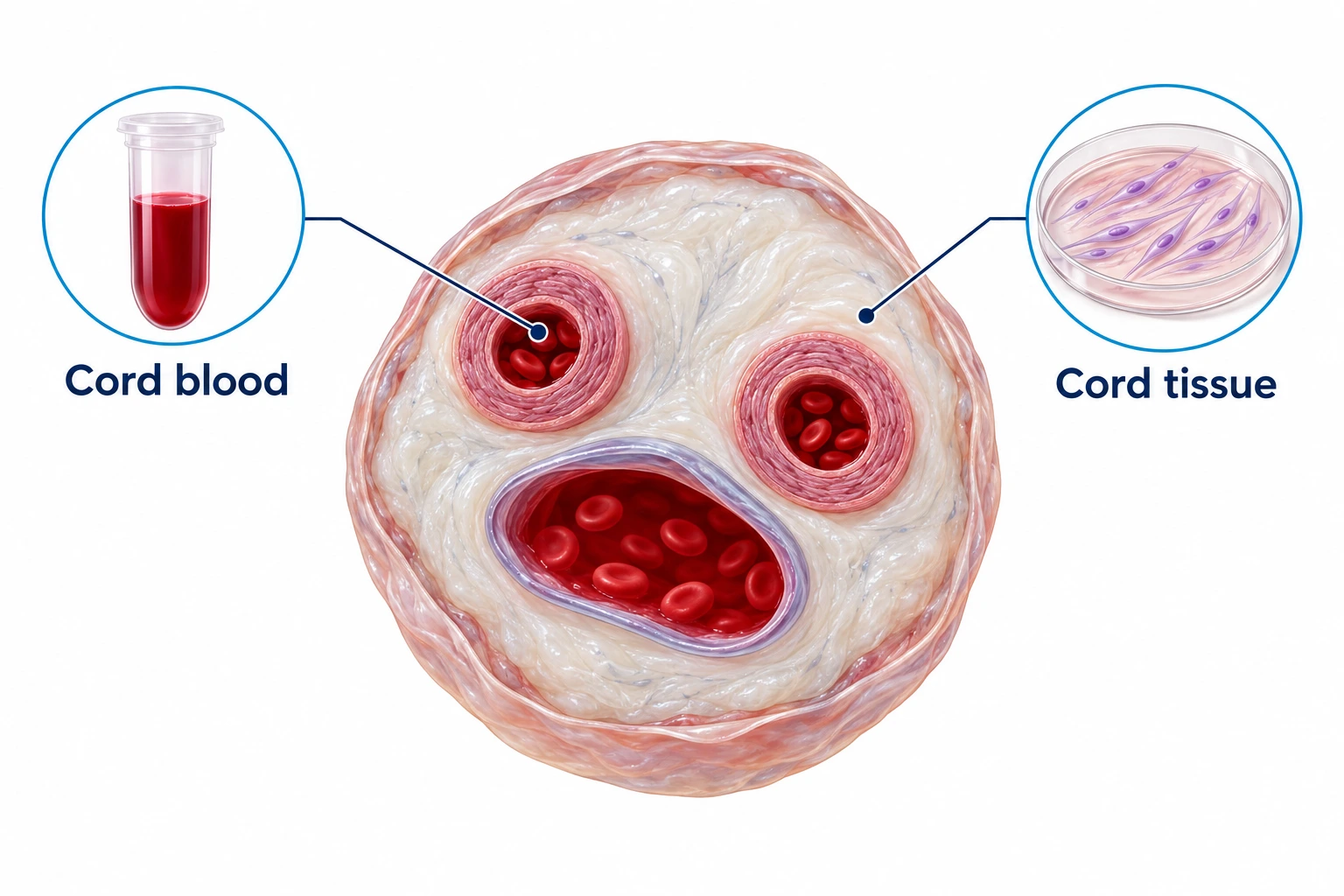
Researchers have tested the main types of stem cells in children from cord blood and cord tissue. So far, trials have used umbilical cord cells, including blood cells and MSCs from the tissue. Cord tissue also contains a jelly-like layer called Wharton’s jelly.
For example, a 2025 review of 30 published reports and 10 registered trials found that 75% of children received cord tissue MSCs. The same 2025 review described two main routes:
- Intrathecal: doctors place cells in the fluid around the spinal cord (40% of children).
- Intravenous: doctors give cells through a vein (38% of children).
What Do Clinical Trials Show So Far?
A 2025 review of clinical trials reported small average gains in gross motor function, or basic movement skills. Still, the strongest evidence comes from a few controlled studies. Most stem cell research in this field is still young.
What Did the Randomized Trial With a Sham Group Find?
A 2021 randomized trial of 72 children found higher motor scores at 12 months after cell injections. In contrast, children who got a pretend, or sham, procedure scored lower. The children, aged 4 to 14, had spastic cerebral palsy, and chance decided their group.
Neither the families nor the staff who judged the results knew which group each child was assigned to. The randomized trial of cord tissue cells ran at three hospitals in Iran.
Motor scores in the cell group rose about 8 points more than in the sham group. Muscle stiffness also fell more. However, the authors note that every child received one fixed dose, so other doses and routes still need testing.
What Do Reviews of Many Trials Say?
Reviews that pool many trials report average motor gains of about one to one and a half points on a 100-point scale. A 2025 review of cell trials covered 1,292 people. It reported gains of about one point at 3, 6, and 12 months, and it found no published late-stage trials.
A 2025 review of cord blood trials compared 170 treated children with 171 comparison children. At 6 months, treated children scored 1.36 points higher than the comparison group, and at 12 months, 1.42 points higher. The authors linked higher cell doses to larger gains.
However, averages hide differences between children with cerebral palsy, which the authors say limits conclusions about subgroups. Compassionate access, outside controlled trials, covered about 31% of children in the 2025 cell review.
What Did Early Records of Wharton’s Jelly Cells Show?
A 2019 review of records found that 48 of 54 children given Wharton’s jelly cells showed some improvement. The retrospective study of Wharton’s jelly cells had no comparison group. Without one, researchers therefore cannot credit the cells with the change, and adverse events were mostly mild.
How Do the Main Studies Compare?
Four studies from 2019 to 2025 give the clearest picture of cell therapy in children.
| Study | Who took part | What happened | What it means |
|---|---|---|---|
| 2019: look at records | 54 children given Wharton’s jelly cells | 48 showed some improvement on one doctor’s rating | No comparison group |
| 2021 sham-controlled trial | 72 children aged 4 to 14 | About 8 points higher motor score at 12 months | One dose, one country |
| 2025 review of cell trials | 1,292 people with cerebral palsy | About 1 point average gain | Designs vary widely |
| 2025 cord blood review | 170 treated, 171 comparison | About 1.4 points higher | Higher doses linked to bigger gains |
A related Cyrona Cell article asks whether cell therapy improves movement in children.
Where Does Rehab Fit Alongside Cells?
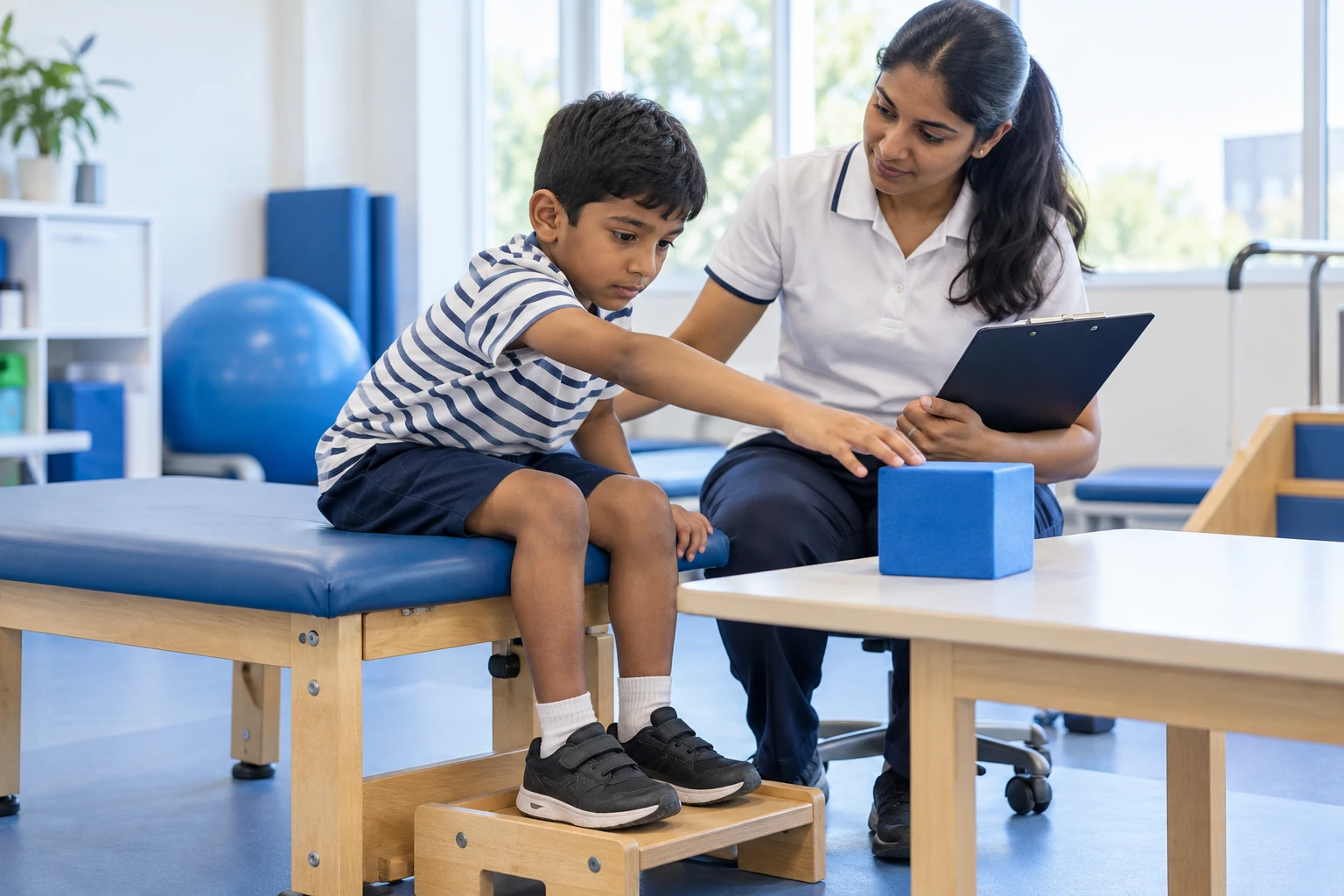
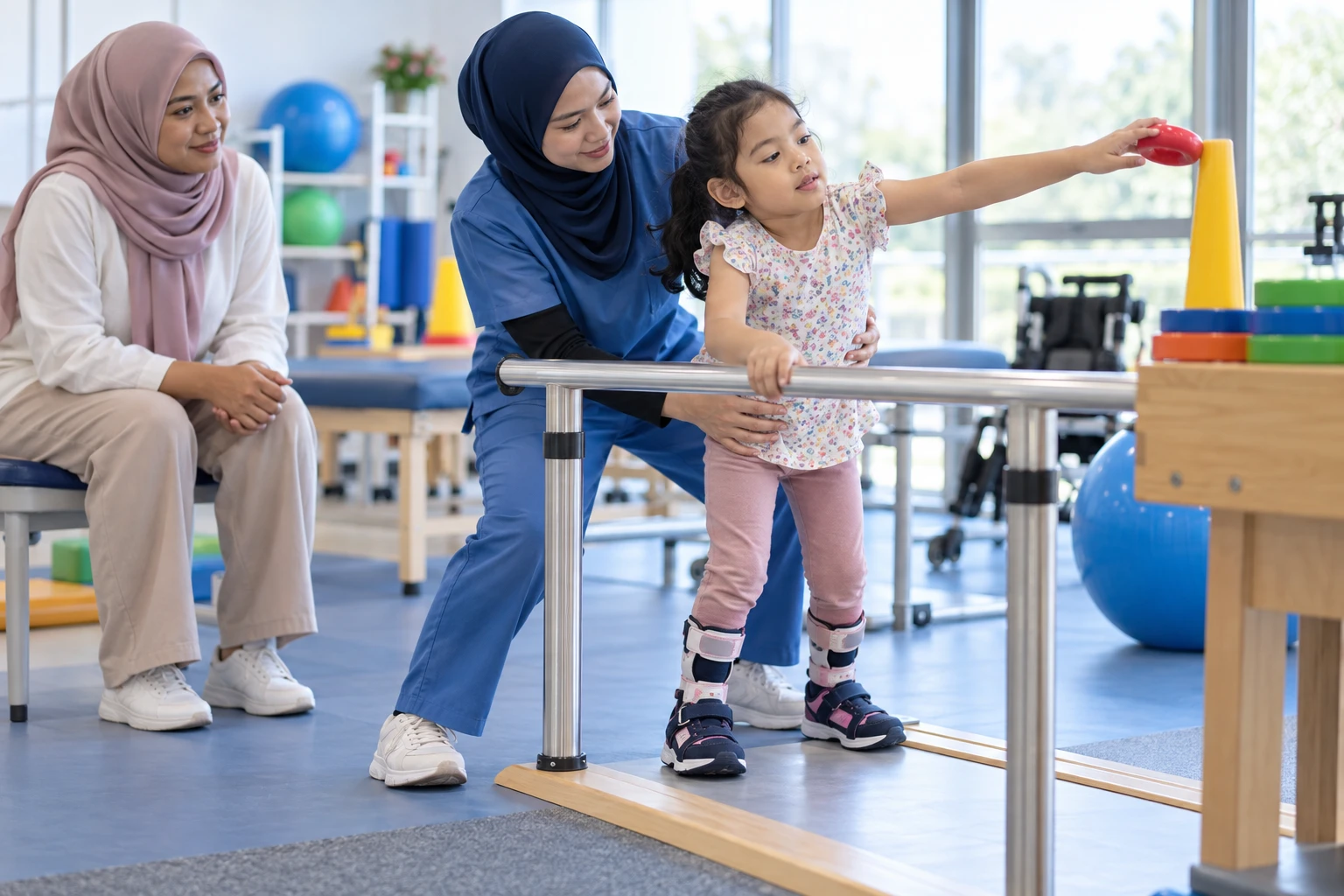
Rehab remains the core of care for children with cerebral palsy, and the cell trials kept it going in every group. The 2020 review of cerebral palsy treatments rated these therapies as effective:
- goal-directed training, which practices tasks the child wants to do;
- task-specific training, which repeats one real-life skill;
- constraint-induced movement therapy, which limits the stronger hand so the weaker hand practices;
- strength training, fitness training and home programs.
In the 2021 trial, every child attended rehab for 75 minutes, three times a week. The group difference therefore compares cells plus rehab against rehab alone.
Instead, cell treatment would add to these therapies, not replace them. Families can also read how to support rehab after cell therapy for a related brain injury.
How Can Families Combine Cell Research With Standard Care?
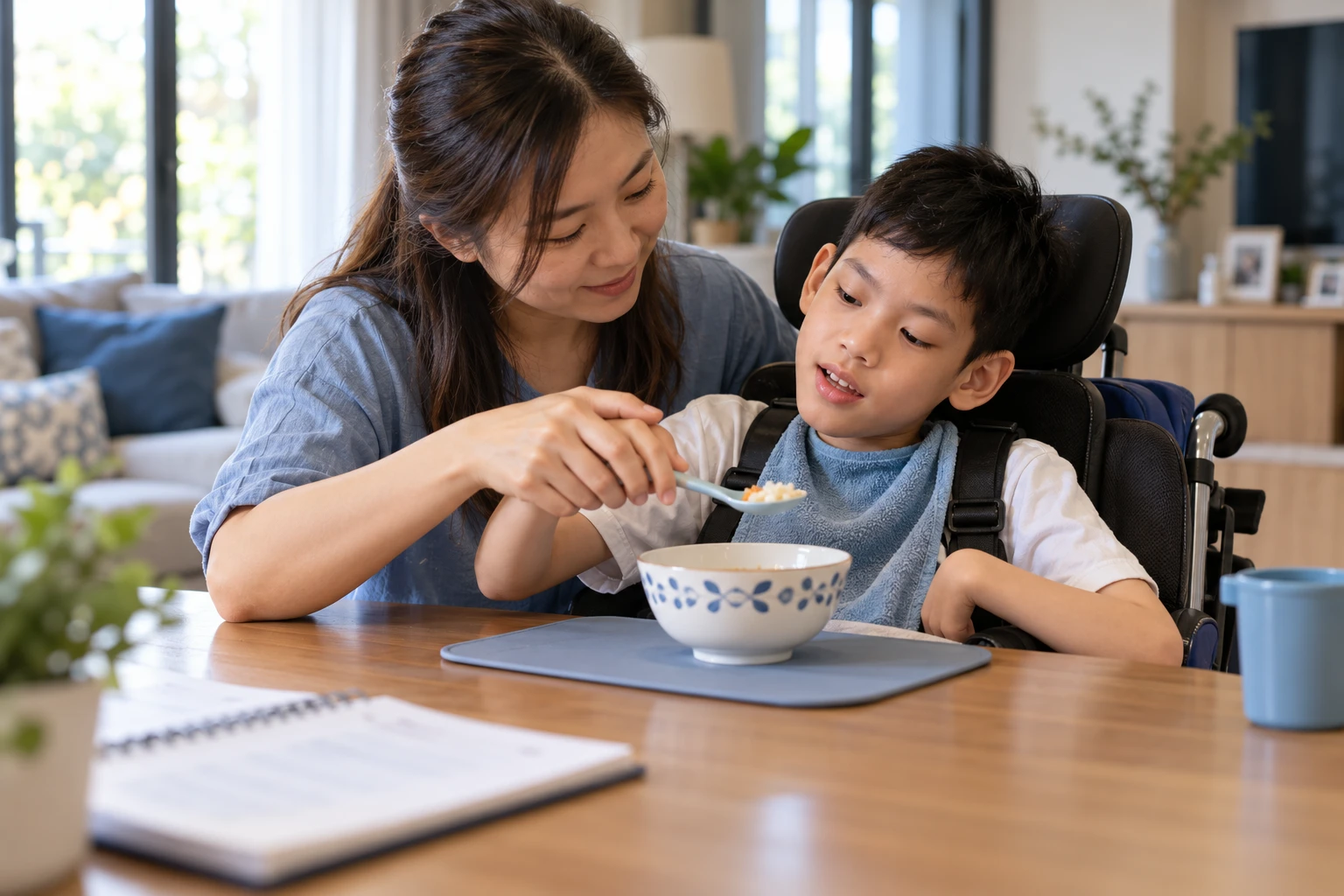
Families can combine cell research with standard care by keeping current therapy and medical plans in place. Nobody should stop or change medicines or therapy without their own doctor’s advice. Before any cell treatment, ask the therapist to record a baseline to compare against later changes.
While the child is in care, parents can track a short list of measures over several months:
- motor skills such as sitting balance, standing and steps;
- muscle tone and stiffness, as the therapist records it;
- daily tasks such as dressing and feeding;
- comfort, sleep and any new symptoms.
Parents who consider stem cell therapy for cerebral palsy can ask for written records. Families should request details of the cell source, dose, and route. Because trials differed in dose and route, those details help the child’s own doctor weigh the evidence.

What Are the Risks and Unknowns?
So far, the main risks reported are short-term reactions after injection, and the biggest unknowns are dose, route, and cell source. In the 2021 trial, fever, headache, back pain, fussiness, and vomiting appeared within 24 hours and resolved. The authors reported no serious adverse events during follow-up.
- The 2021 trial authors caution that their stiffness rating scale has low inter-rater reliability.
- In the 2019 look at records, one child’s epilepsy worsened, and treatment stopped.
- No published late-stage trials exist, according to the 2025 Cell review.
- The pooled results cover up to 12 months, so longer-term effects remain unclear.
The 2025 reviews call for better-designed trials that share data. Anyone weighing stem cell therapy for cerebral palsy should ask the provider for papers that describe the cell product. Ask about its regulatory status too.
To discuss how cells and rehab might fit your child’s situation, see how the Cyrona Cell enquiry process works.
Frequently Asked Questions About Stem Cell Therapy for Cerebral Palsy
Can Stem Cells Repair Cerebral Palsy?
Studies have not shown that stem cells repair cerebral palsy, and researchers know of no cure. Trials of cord-derived cells reported small average gains in motor skills, mostly alongside ongoing rehab.
How Long Does Recovery Take After Stem Cell Therapy?
Researchers report no fixed recovery timeline. Trials measured results at 3, 6, and 12 months after stem cell therapy. Meanwhile, short-term reactions in the 2021 trial resolved within 24 hours, and therapists track change over months.
How Much Does Stem Cell Therapy Cost for Cerebral Palsy?
The cost of stem cell therapy depends on cell type, dose, route, and follow-up, so no single price fits every child. Cyrona Cell states that its plans follow a personal medical review rather than a fixed package. Its page on the factors that shape treatment cost explains the details.
What Is the Newest Treatment for Cerebral Palsy?
The newest research tests cord blood and cord tissue cells. Two 2025 reviews pooled results from hundreds of children, but neither approach is standard care yet. Goal-directed training and similar therapies remain the basis of care.
Talk With the Cyrona Cell Team About Stem Cell Therapy for Cerebral Palsy
Parents weighing stem cell therapy for cerebral palsy in Malaysia can ask the Cyrona Cell team their questions. You can also share your child’s medical reports and therapy plan. The team can then say whether treatment at a partner facility in Kuala Lumpur may be suitable.
Contact the team by phone on +60 18-222 0032 or by WhatsApp message.
This article is for information and does not replace advice from your child’s own doctor.