
Key Takeaways
- Stem cell therapies for kidney disease are still experimental, and a 2025 review found lower inflammation markers in animals but no clear change in people.
- That review pooled 49 animal studies and only three small human trials involving 86 people.
- Standard care, such as blood pressure control, remains the main way to slow chronic kidney disease.
- Long-term safety and benefits in people remain unknown.
- No treatment can cure CKD.
Estimated read: 8 min
Can stem cells for CKD calm the inflammation that wears down the kidneys? Animal studies say yes, but human results are far less clear. This article explains how the cells may work, what a 2025 review found, and where the evidence still has gaps.
What Is Chronic Kidney Disease, and Why Does Inflammation Matter?
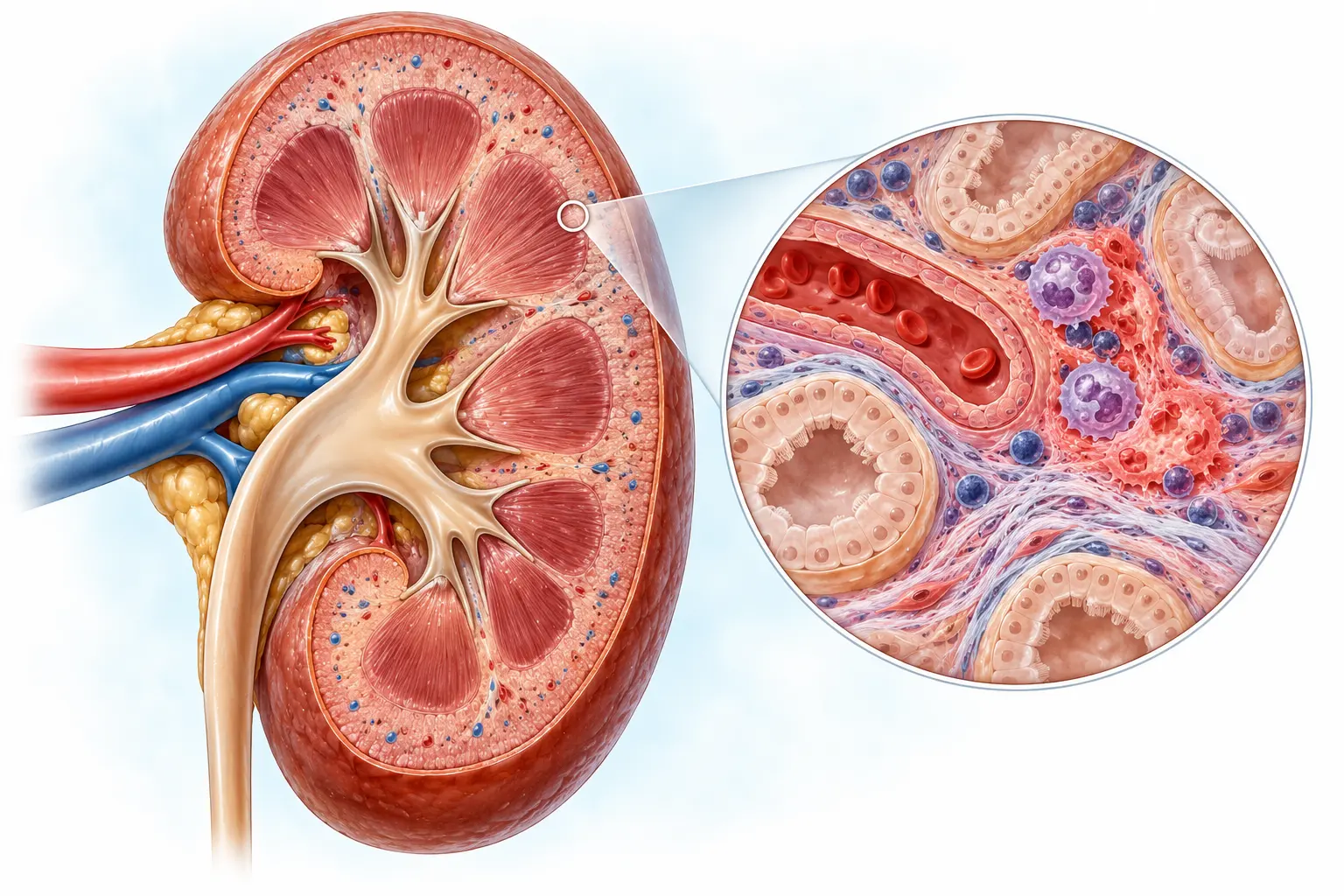
Chronic kidney disease (CKD) is a long-term condition in which the kidneys slowly lose their ability to filter waste from the blood. The Global Burden of Disease Study, published in The Lancet in 2020, estimated 697.5 million cases worldwide in 2017. That’s about 9.1% of the population, though newer reports may differ.
Researchers link persistent inflammation to kidney damage. Ongoing immune signals can injure the small blood vessels inside the kidney and push tissue toward scarring. That scarring fuels disease progression and can end in kidney failure, also called renal failure.
For that reason, scientists ask whether a treatment could reduce inflammation in patients with chronic kidney disease. Stem cells are one option being studied.

How do doctors track inflammation and kidney health?
Doctors track kidney health with a few routine tests, while inflammation markers mostly serve research. The common tests are:
- Blood creatinine, which rises as filtering slows.
- Estimated glomerular filtration rate (eGFR), a score calculated from creatinine, age, and sex.
- Albumin in the urine, which signals leaking kidney filters.
- Inflammation markers such as interleukin-6, which research teams measure in studies.
How Might Stem Cells for CKD Reduce Inflammation?
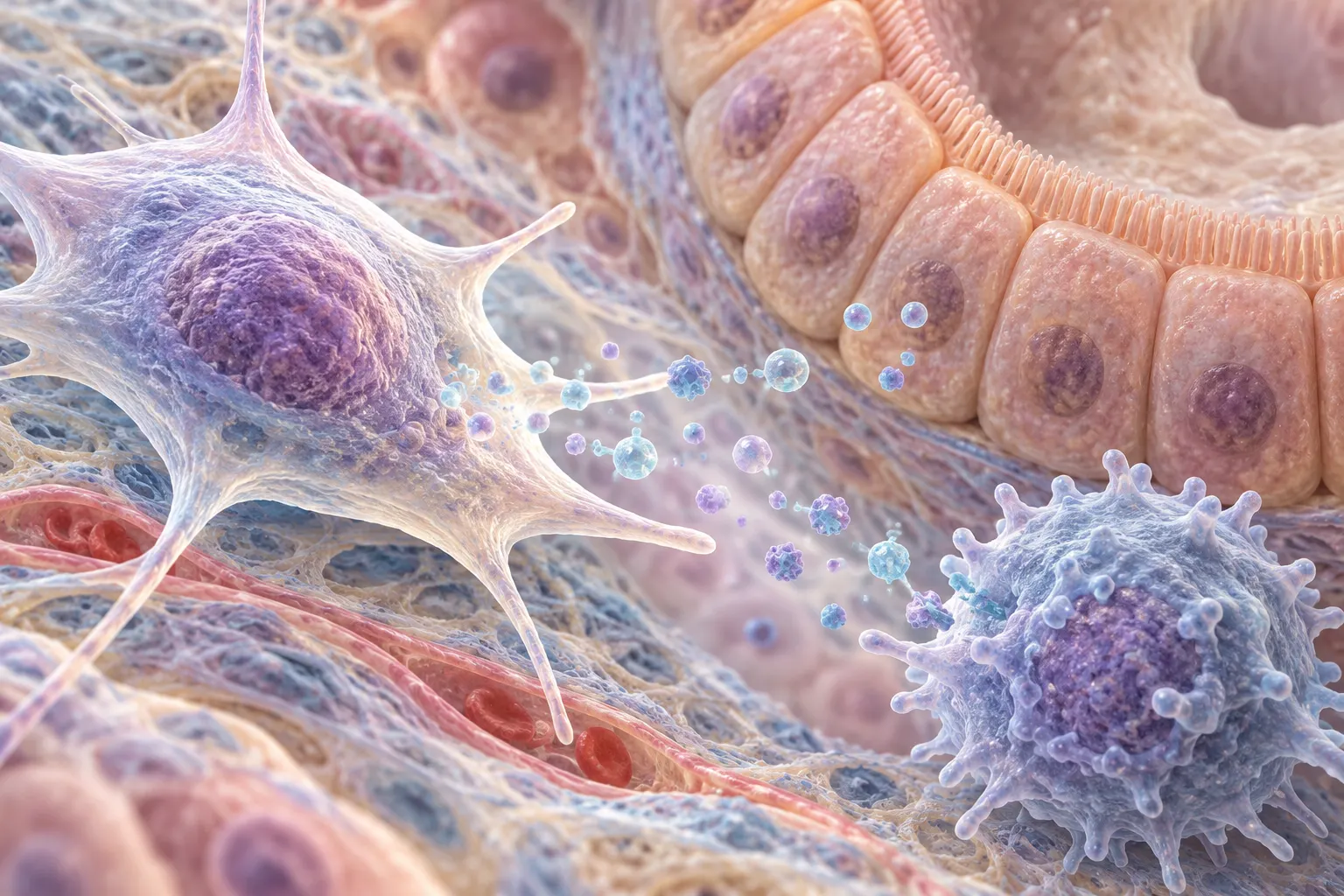
Mesenchymal stem cells come from tissues such as bone marrow or umbilical cord. They send chemical signals to nearby tissue instead of replacing it. Lab and animal studies show lower inflammation markers, but the same effect in people with CKD remains unproven.
Researchers call this action paracrine signaling. The cells send out growth factors and other messengers that act on nearby tissue. Those messages may protect kidney cells, support repair of small blood vessels, and reduce inflammation.
Which cell sources have researchers tested?
Researchers have tested several cell types, and each source behaves differently:
- Bone marrow cells: the most common source in the human trials reviewed in 2025.
- Cord tissue cells: labs can grow umbilical cord mesenchymal stem cells from donated cord tissue.
- Cell sacs: tiny packages that cells release. One human trial used them from cord blood cells instead of whole cells.
These cell based therapies differ in dose, route, and cell source. Results from one type therefore do not carry over to another.
Exosomes are similar messenger packages studied for the same purpose. The page on exosome therapy and inflammation control explains how they work.
What Did the 2025 Review Find in Animals and in People?
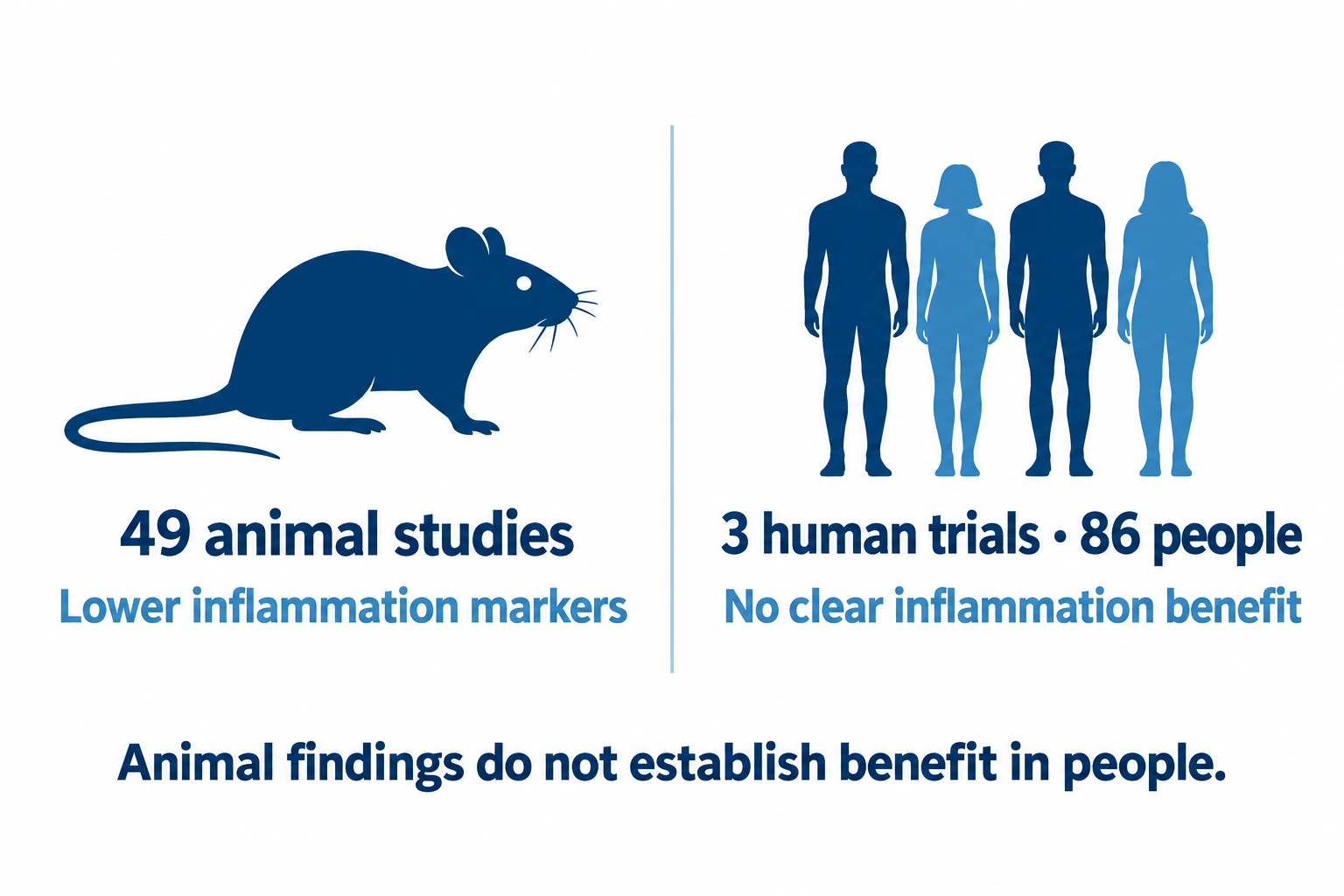
A 2025 review of 52 studies found lower inflammation markers in animals but no clear change in people. Published in the journal Cells, the 2025 review of MSCs in CKD searched 2,514 records before choosing the studies.
It covered 49 animal studies, mostly in rats, and three small randomized trials with 86 people in total. Animals that received cells showed lower levels of two inflammation markers, interleukin-6 and tumor necrosis factor alpha. In people, the one inflammation marker the trials measured did not change significantly.
| Study group | Who took part | What happened | What it means |
|---|---|---|---|
| 49 animal studies | Mostly rats with kidney injury | Lower interleukin-6 and tumor necrosis factor alpha | A promising lab signal, but animals differ from people |
| 3 human trials | 86 people with kidney disease | No significant change in inflammation, creatinine, or kidney filtering rate | No clear benefit shown yet |
| Same 3 trials, urine albumin | 86 people with kidney disease | Lower albumin in urine after treatment | A possible kidney signal, still small |
What do creatinine and albumin results mean?
Creatinine is a waste product that rises when the kidneys struggle. Damaged kidneys leak albumin, a protein, into the urine. Studies in animals suggest cells may improve kidney function, yet the review authors call the evidence in patients inconclusive.
Trials aimed at improving kidney filtering have shown mixed results so far.
Two of the three trials used bone marrow cells, and follow-up ranged from about 12 weeks to 72 weeks. So far, stem cells for CKD show a clear signal only in animals. One clinical trial of this size cannot settle the question, so researchers need larger trials.
Pooled results combine trials that differ greatly, so the numbers show direction more than size. Larger trials with a comparison group and longer follow-up would show whether the albumin result holds. Until then, researchers describe the human findings as early and uncertain.
Why should readers treat these results with caution?
Readers should treat these results with caution because the studies differed widely in design. The review authors reported several limits:
- Results varied greatly from study to study, which makes pooled numbers less reliable.
- Many animal studies did not clearly describe blinding or random assessment.
- One human trial had a high risk of bias because of missing outcome data.
- The trials followed participants for a short period, which limits conclusions about lasting effects.
- Kidney disease causes, cell sources, and delivery methods differed across trials.

What Are the Risks and Unknowns of Stem Cell Therapies for Kidney Disease?
The main unknown is whether stem cell therapies help kidney function in people. It is also unclear how long any effect lasts and who might benefit. The longest trial followed participants for only 72 weeks, so long term safety and benefit remain unknown.
- Dose, route (vein or artery), and cell source vary between trials, so no standard method exists.
- Cells from different donors or batches may behave differently, so results may not be reproducible.
- The review focused on inflammation and kidney measures, so it does not settle safety questions.
- Any infusion carries general procedure risks, such as infection or a reaction, which a treating doctor should explain.
Early results may not repeat in larger trials. A signal in rats can shrink or vanish in people. For that reason, the human trials matter more than the animal numbers.
Until larger trials report, stem cells for CKD remain an experimental option rather than established care. For a wider look at studies on slowing chronic kidney decline, see the earlier Cyrona Cell article.
How Do Stem Cells Fit With Standard Kidney Care?
Standard care for CKD targets blood pressure, blood sugar, and other causes of kidney damage. Stem cells have not replaced it.
The National Institute of Diabetes and Digestive and Kidney Diseases says blood pressure control is the most important step. According to the NIDDK guide to managing CKD, last reviewed in 2016, ACE inhibitors and ARBs may slow kidney disease.
Standard care usually includes these steps:
- Blood pressure control.
- Blood sugar control when diabetes is the cause.
- Regular blood and urine tests to track kidney function.
- Advice on diet, salt, and medicines that strain the kidneys, depending on the stage of disease.
- Dialysis or a kidney transplant when the kidneys fail.
People considering a kidney transplant may also read about sibling-matched transplant trial results. Nobody should stop or change medicines without their own doctor.

What Should Patients Ask Before Considering Cell Therapy?
Patients should ask any provider for published evidence, the source of the cells, and how the team tracks results. The International Society for Stem Cell Research lists such questions in its ISSCR questions before unproven stem cell treatments.
- Is the treatment part of a registered clinical study?
- What is the source of the cells, and how does the provider process them?
- Which risks and uncertainties does the treating doctor anticipate?
- Were the results published in a peer-reviewed journal?
- Who arranges follow-up tests after treatment?
- Does the provider share its own results, including problems?
Cyrona Cell states that it arranges treatment at partner facilities in Kuala Lumpur. It says the cells come from Wharton’s jelly, the soft tissue inside the umbilical cord. Its kidney disease treatment page describes the patient journey.
Want to understand the enquiry steps for kidney disease? Read how the enquiry process works on the Cyrona Cell website.
Stem Cells for CKD FAQs
Can CKD be cured with stem cell therapy?
Doctors know of no treatment that cures CKD, and stem cell therapy for CKD is still experimental. A 2025 review found no clear gain in kidney filtration rate. Standard care aims to slow the disease.
How can patients lower kidney inflammation?
Doctors usually address kidney inflammation by treating its cause, such as high blood pressure or high blood sugar. Some conditions also require medications chosen by a kidney specialist. Patients should discuss options with their own nephrologist.
Can stem cells cure inflammation?
Stem cells do not cure inflammation, though lab and animal studies show they may lower inflammation markers. In the three human trials pooled in 2025, the marker measured did not change significantly.
Does stem cell therapy for kidney disease have a set price?
Cost depends on the provider, cell type, number of treatments, and travel needs. Only a written quote gives a reliable figure. The Cyrona Cell team can answer cost questions during an enquiry.
Ask About Stem Cells for CKD in Malaysia
If you or a family member has CKD, the Cyrona Cell team in Cyberjaya can discuss this evidence with you. Share your recent kidney reports. The team can then explain whether treatment at a partner facility in Kuala Lumpur may be suitable. Message the team on WhatsApp or write to info@cyronacell.com with your questions about stem cells for CKD.
This article is for information only and does not replace advice from your own kidney doctor.