Exosome Therapy vs Stem Cell Therapy: What’s the Difference and When to Use Each?

Simple guide to how cells heal and repair with modern therapies

Quick Read Summary

Trying to understand exosome therapy vs stem cell therapy what's the difference and when to use each? This guide breaks down how these regenerative medicine approaches work at the cellular level. Stem cell therapy uses living mesenchymal stem cells from bone marrow or other adult stem cells to replace damaged tissue and support long-term repair. Exosome therapy uses extracellular vesicles called stem cell derived exosomes to carry proteins, lipids, and growth factors that send repair signals to damaged cells. Learn when to choose each therapy—or combine both—for optimal tissue regeneration and immune system support.
  • Clear comparison: stem cell therapy replaces damaged cells; exosome therapy sends repair signals via extracellular vesicles
  • Stem cell injection uses living cells for long term tissue repair and regeneration
  • Exosome therapy reduces inflammation and improves cell communication without living cells
  • Combining both therapies can speed recovery and enhance results for damaged tissue
  • Safety tips: choose mesenchymal stem cells from trusted donor cells and quality clinics
Estimated read: 5 min
Keywords: exosome therapy vs stem cell therapy what's the difference and when to use each, stem cell therapy, exosome therapy, mesenchymal stem cells, stem cell derived exosomes, damaged tissue, extracellular vesicles, growth factors, repair and regeneration, adult stem cells, stem cell injection

Simple guide to how cells heal and repair with modern therapies

When people search for Exosome Therapy vs Stem Cell Therapy: What’s the Difference and When to Use Each?, they want clear answers. Both treatments are part of regenerative medicine. They help repair damaged tissue, but they work differently. Understanding how stem cells and exosomes work can help you choose the right therapy.

How Stem Cell Therapy Works

Stem cell therapy uses living cells. These cells can grow into different cell types and replace damaged tissue. Doctors often use mesenchymal stem cells from bone marrow or other adult stem cells.

Benefits of stem cell therapy:

  • Helps repair damaged tissue
  • Supports the immune system
  • Improves cell function long term
  • Used in stem cell injection or stem cell based therapies

Stem cells also release signals that tell other cells to help repair tissue. This helps reduce inflammation and improve healing.

What Actually Changes Inside Your Cells

How Exosome Therapy Works

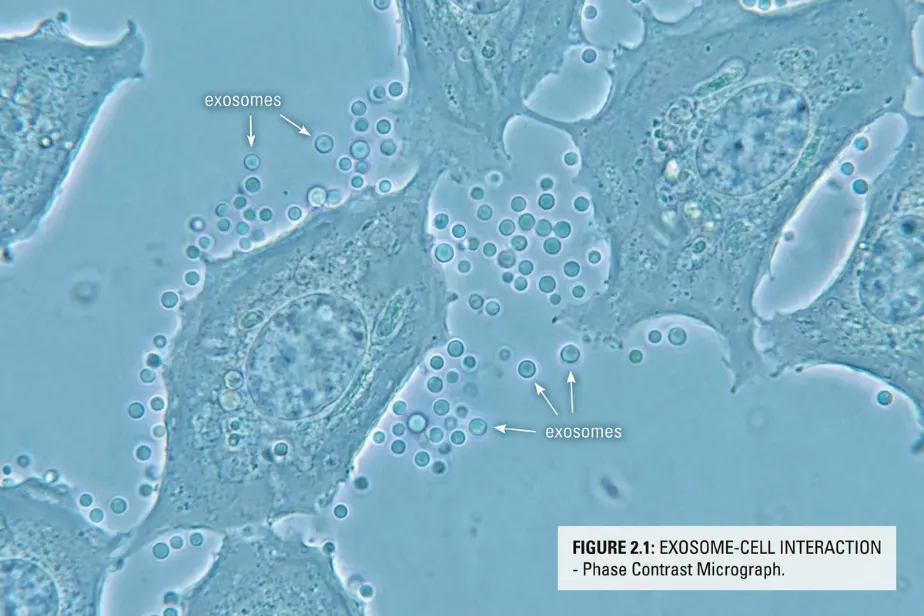
Exosomes are tiny particles called extracellular vesicles. They come from donor cells. Exosomes carry proteins, lipids, and signals to damaged tissue.

Benefits of exosome therapy:

  • Sends signals to repair cells
  • Reduces inflammation
  • Improves cell communication
  • Helps repair tissue without using living cells

Stem cell derived exosomes give many benefits of stem cells without using living cells. They are easier for some patients and safer in some cases.

Comparing Stem Cells and Exosomes

Feature Stem Cell Therapy Exosome Therapy
Type Living cells Extracellular vesicles
Function Replace damaged cells, release growth factors Deliver proteins, lipids, and signals to repair tissue
Immune Response Moderate, needs supervision Lower risk, fewer immune responses
Long Term Effects Long term tissue repair Supports repair, may need repeated therapy
When to Use Each Therapy

When to Use Each Therapy

  • Stem cell therapy is best for bigger tissue damage or when new cells are needed.
  • Exosome therapy is best for repairing tissue and sending repair signals without using living cells.

Doctors can make a plan using one or both therapies for the best results.

Simple Tips Before Therapy

Before therapy, you can help your body:

  • Eat healthy food
  • Drink plenty of water
  • Exercise lightly
  • Get enough sleep

Healthy tissues respond better to stem cells and exosomes.

Recovery and Daily Care

After therapy, follow these tips:

  • Do light exercise to improve circulation
  • Avoid smoking and too much sugar
  • Attend follow-up visits
  • Consider combining therapies if your doctor recommends

These habits help stem cell or exosome therapy work better and last longer.

Recovery and Daily Care

How Therapy Supports the Immune System

Both stem cells and exosomes help the immune system. Stem cells reduce inflammation and send signals that tell immune cells to work better. Exosomes carry proteins and lipids that improve immune responses. This helps damaged tissue heal faster and supports long term health.

How Therapies Help Aging Cells

As cells age, they lose the ability to repair themselves. Stem cell therapy replaces damaged cells and activates repair in surrounding cells. Exosome therapy sends growth factors and signals that help aging cells recover. Both therapies slow down cellular aging and support tissue regeneration.

Safety and Quality Tips

Safety and Quality Tips

When choosing therapy, check the source of stem cells or exosomes. Mesenchymal stem cells from bone marrow or adult stem cells from trusted donor cells are safest. Clinics should follow strict safety and quality standards. This ensures therapy works and supports long term tissue repair.

Combining Therapies for Best Results

Sometimes doctors combine stem cell therapy and exosome therapy. This gives the benefits of both:

  • Stem cells replace damaged cells
  • Exosomes improve communication and repair
  • Patients see faster recovery
  • Long term tissue repair improves

This approach is ideal for patients with more tissue damage or those who want maximum long term results.

Combining Therapies for Best Results

Key Takeaways About Therapies

Knowing Exosome Therapy vs Stem Cell Therapy: What’s the Difference and When to Use Each? helps you make smart choices. Stem cells replace damaged cells and repair tissue long term. Exosomes send proteins, lipids, and signals to help tissue heal safely. The best choice depends on tissue damage and your health needs.

FAQ

What is the difference between stem cell therapy and exosome therapy?

Stem cell therapy uses living cells, often mesenchymal stem cells from bone marrow or other adult stem cells, to replace damaged tissue. These cells can turn into different cell types and release growth factors that support repair and regeneration over the long term. Exosome therapy, on the other hand, uses extracellular vesicles, like stem cell derived exosomes, which carry proteins, lipids, and signals to damaged tissue.

Exosomes help cells communicate and trigger repair without using living cells directly. Both are part of regenerative medicine, but stem cells provide new cells while exosomes mainly send repair signals to existing cells.
Yes. Combining exosomes and stem cells is common in regenerative medicine to get the best results. Stem cells replace damaged cell types and release growth factors that help tissue repair. Exosomes improve communication between cells, reduce inflammation, and boost the effects of stem cell treatment.

Using both together can speed recovery, enhance repair and regeneration, and improve long term tissue health. This approach works well for patients with more severe tissue damage or for those who want faster results.

Exosome therapy is ideal when you want tissue repair without using living cells, or as a complement to stem cell therapy. It works well to reduce inflammation, support aging cells, and send growth factors and repair signals to damaged tissue.

Patients often use exosomes for skin repair, joint recovery, or to enhance the effects of a previous stem cell injection. Exosome therapy can be repeated safely, and it is useful for improving tissue function while supporting long term regeneration.

Author

One Response

Leave a Reply

Your email address will not be published. Required fields are marked *