Key Takeaways
- Traumatic brain injury (TBI) often causes lasting neurological deficits, since the brain has limited ability to repair itself after trauma.
- Stem cell therapy is being studied as a supportive treatment option that may calm inflammation and support the brain’s own repair signals.
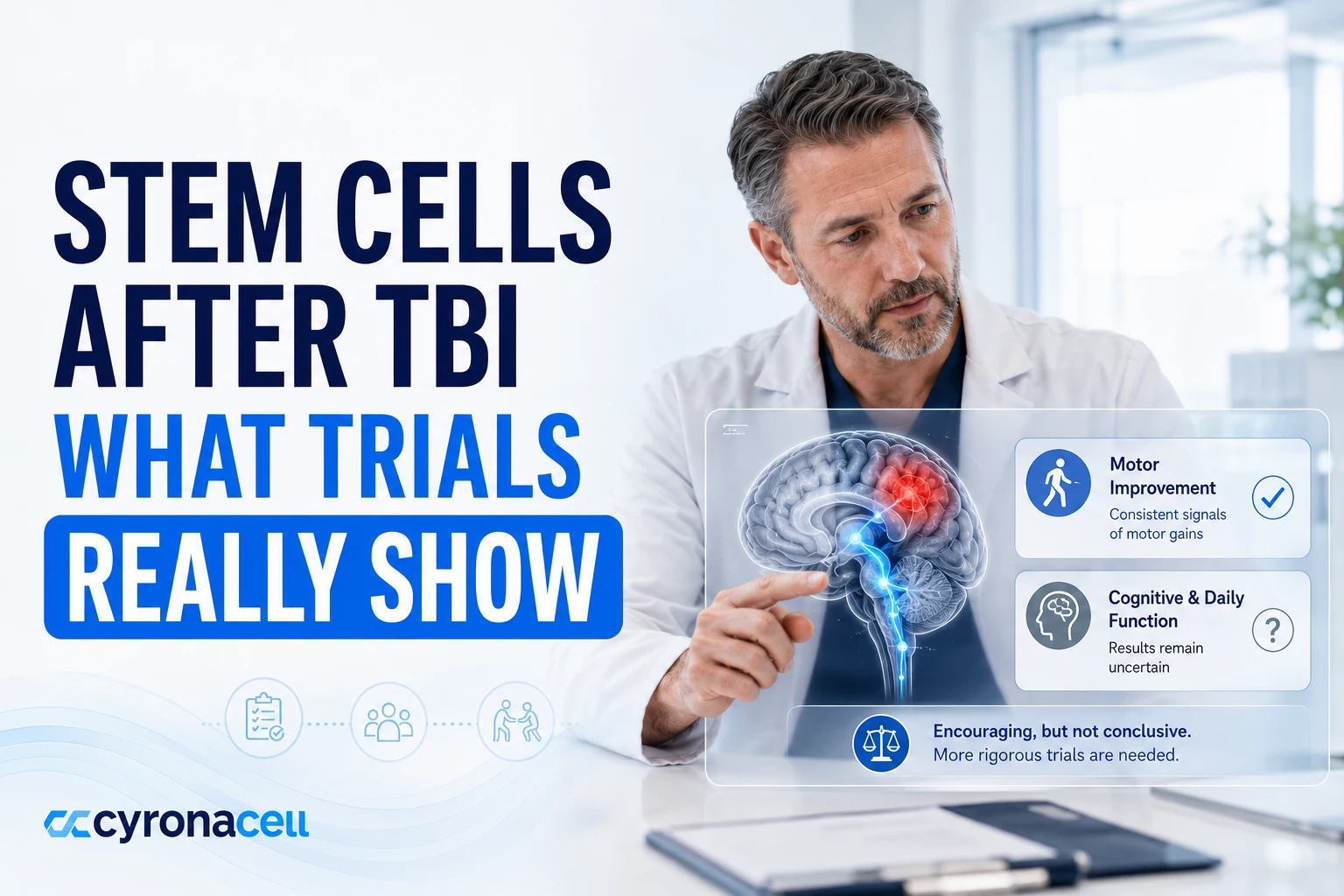
- A Phase 2 controlled trial found meaningful motor improvement using bone marrow-derived cells, though not every measured outcome reached significance.
- Researchers still describe effects of stem cells on cognitive recovery as less established than motor recovery.
- Stem cell treatment for traumatic brain injury works best alongside rehabilitation, not as a replacement for it.
Estimated read: 10 min
Unlike skin or bone, the brain has very little ability to heal itself after a serious injury. Damaged tissue often stays damaged, since neurons have limited ability to regenerate on their own.
Recovery instead depends on what remains functional around the damaged area. This is why stem cell therapy keeps coming up in conversations about traumatic brain injury (TBI).
The question most families actually want answered is simpler than the science. Can it genuinely help with thinking, memory, and movement, or is the excitement ahead of the evidence?
How Traumatic Brain Injury Affects the Brain
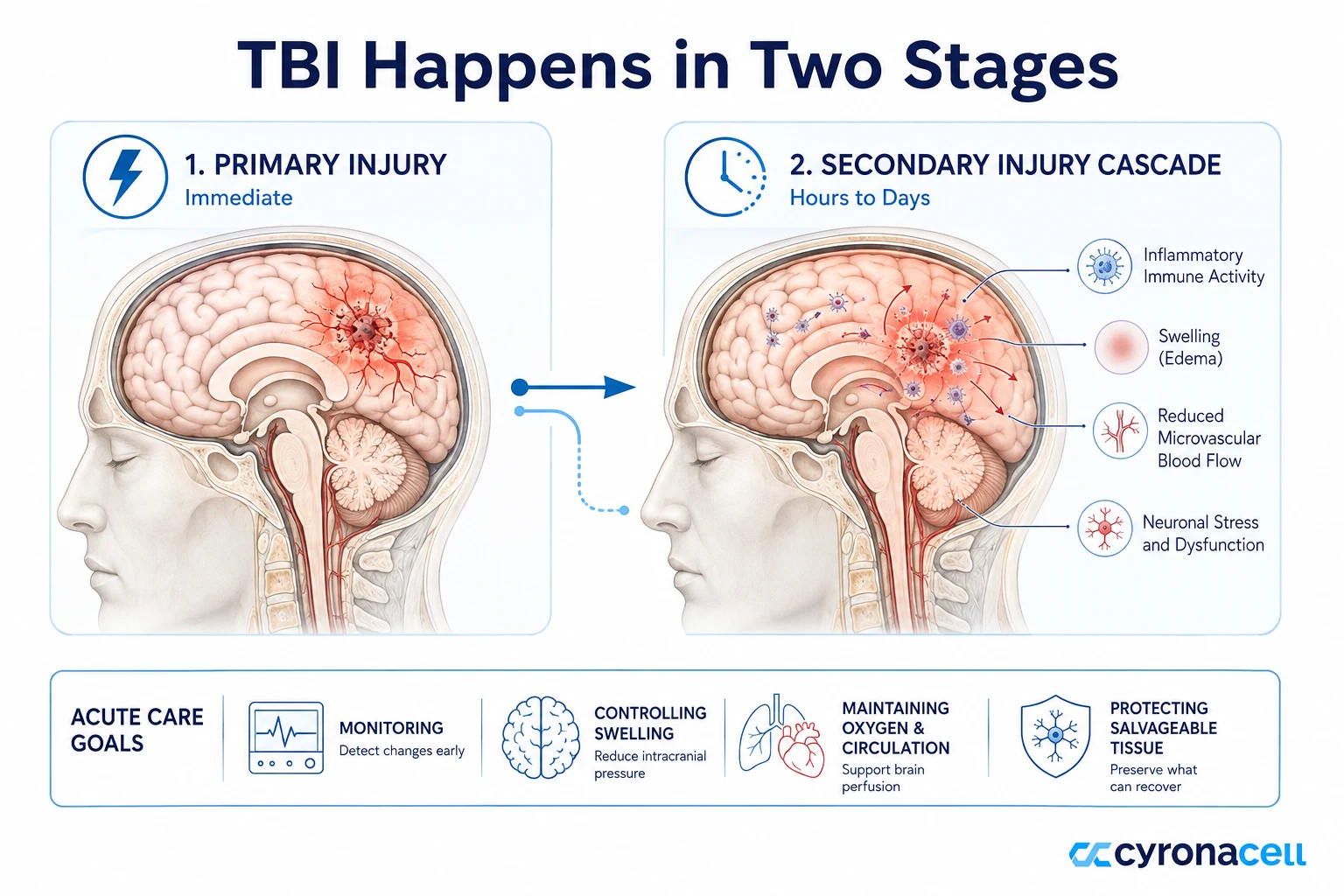
A traumatic brain injury happens in two stages. The direct impact itself damages neurons and blood vessels immediately. No current treatment can reverse this initial damage.
A second stage unfolds over the following hours and days. Swelling, inflammation, and reduced blood flow can continue harming brain tissue long after the original injury occurred.
This second stage explains why early treatment matters so much. It also explains why some neurological deficits appear or worsen days after the initial event, not immediately.
Doctors sometimes call this the secondary injury cascade. Left unmanaged, however, it can extend the area of damage well beyond what the original impact caused.
Standard care focuses on limiting this secondary damage. Surgery, medication, and intensive monitoring aim to protect whatever brain tissue remains salvageable.
What Is Stem Cell Therapy for Traumatic Brain Injury?
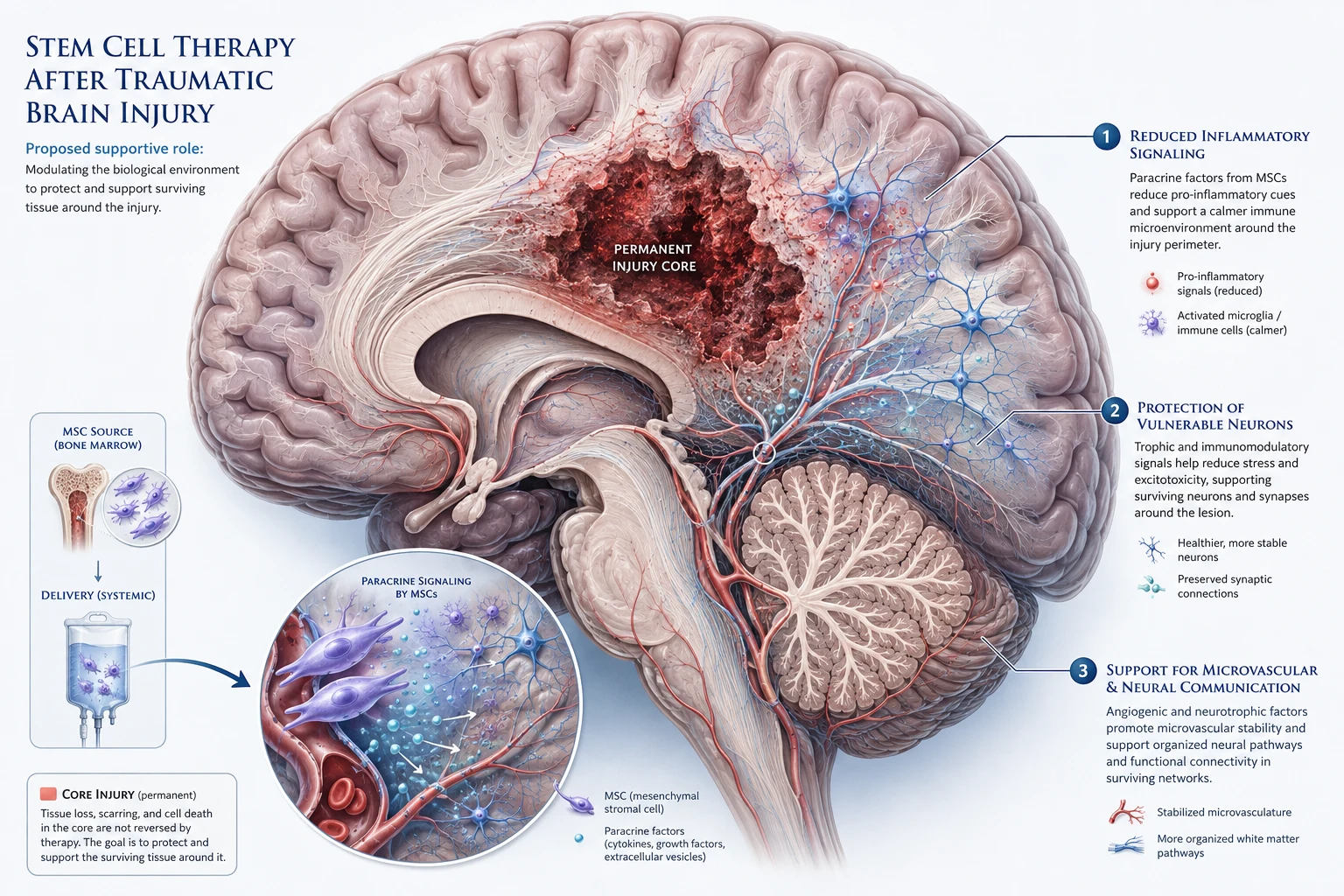
Stem cell therapy for TBI does not aim to regrow entire sections of brain tissue. Most current research instead focuses on a supportive role. Specifically, this means working alongside the brain’s own limited repair capacity, not replacing it.
Transplanted or infused cells release growth factors and neurotrophic factors. These signaling molecules can specifically help protect surviving neurons that might otherwise die off in the days following injury.
They can also calm the inflammatory response that drives secondary injury. This anti inflammatory effect is one of the more consistently observed benefits across clinical studies. It holds up even when other outcomes vary.
Calmer inflammation may create better conditions for the brain’s own repair processes to work. Researchers also study how these cells affect brain function more broadly, beyond just reducing swelling.
This includes blood vessel health and communication between surviving brain regions. It differs meaningfully from replacing lost neurons directly, which remains far beyond current technology.
Types of Stem Cells Studied for TBI
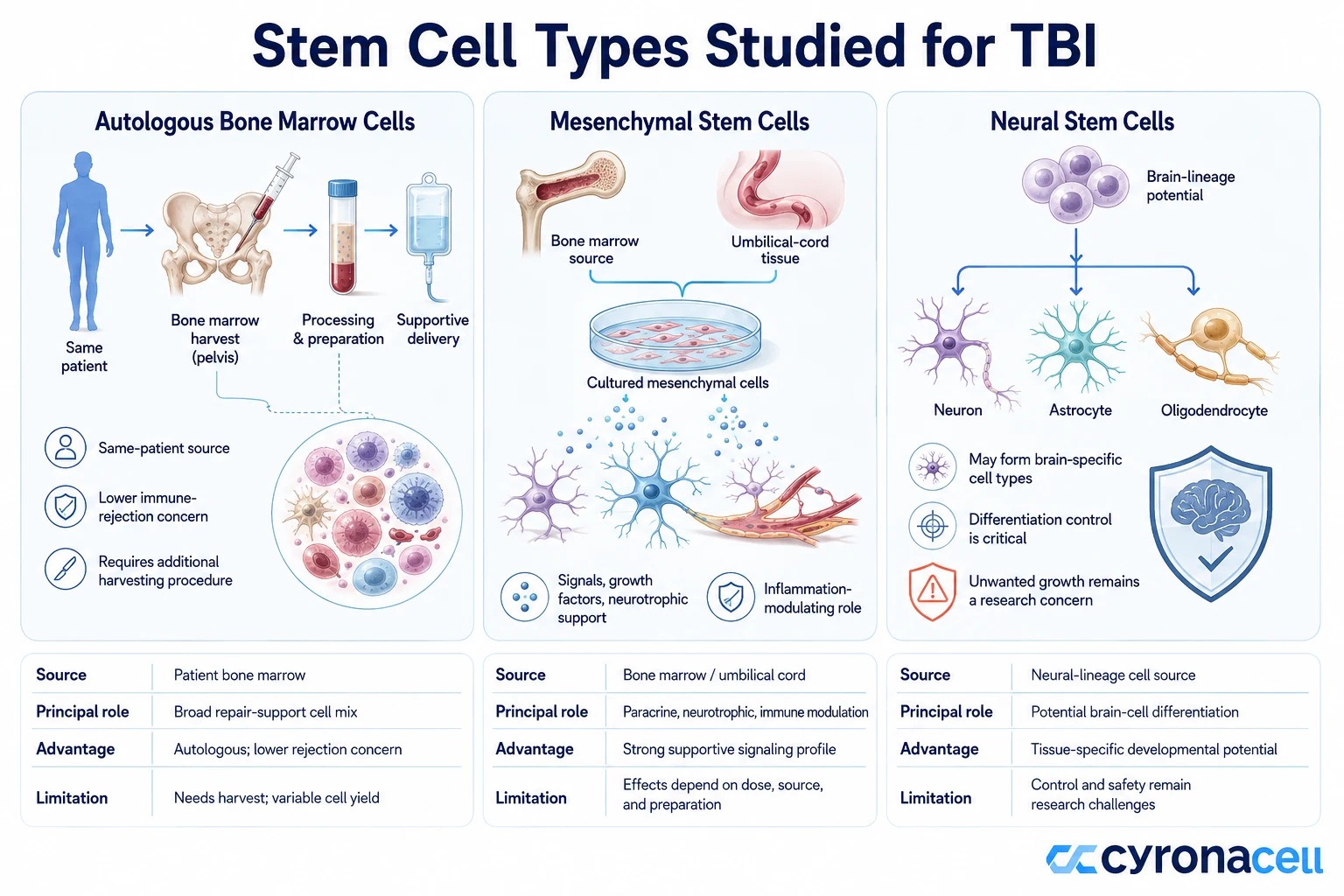
Several stem cell types appear across current TBI research. Autologous bone marrow cells are one commonly studied source, drawn directly from a patient’s own body.
Because these cells come from the patient’s own tissue, doctors avoid most concerns about immune rejection. This makes autologous approaches appealing for early-phase safety trials, since the risk profile is generally more predictable.
Mesenchymal stem cells are another major category. Clinics often source these from bone marrow or umbilical cord tissue instead.
Researchers value these cells mainly for their signaling abilities. Instead, their potential to become new neurons directly matters less than what they release into the surrounding tissue.
Neural stem cells (NSCs) represent a third approach. Unlike bone marrow-derived cells, NSCs have some capacity to become brain-specific cell types.
This process remains difficult to control precisely in humans, however. Uncontrolled growth or cells developing the wrong way are genuine safety concerns researchers continue to study closely.
Each cell type also carries different practical tradeoffs worth understanding. Autologous cells avoid rejection risk. They do, however, require harvesting from the patient first, which adds an extra procedural step.
Donor-derived stem cell treatments offer more flexibility but need careful screening and matching. Neither approach is universally better, since the right choice often depends on injury timing and patient circumstances.
What a Controlled Trial Actually Showed
Much of the public conversation about stem cells and TBI relies on early or uncontrolled studies. One notable exception used a genuine placebo comparison.
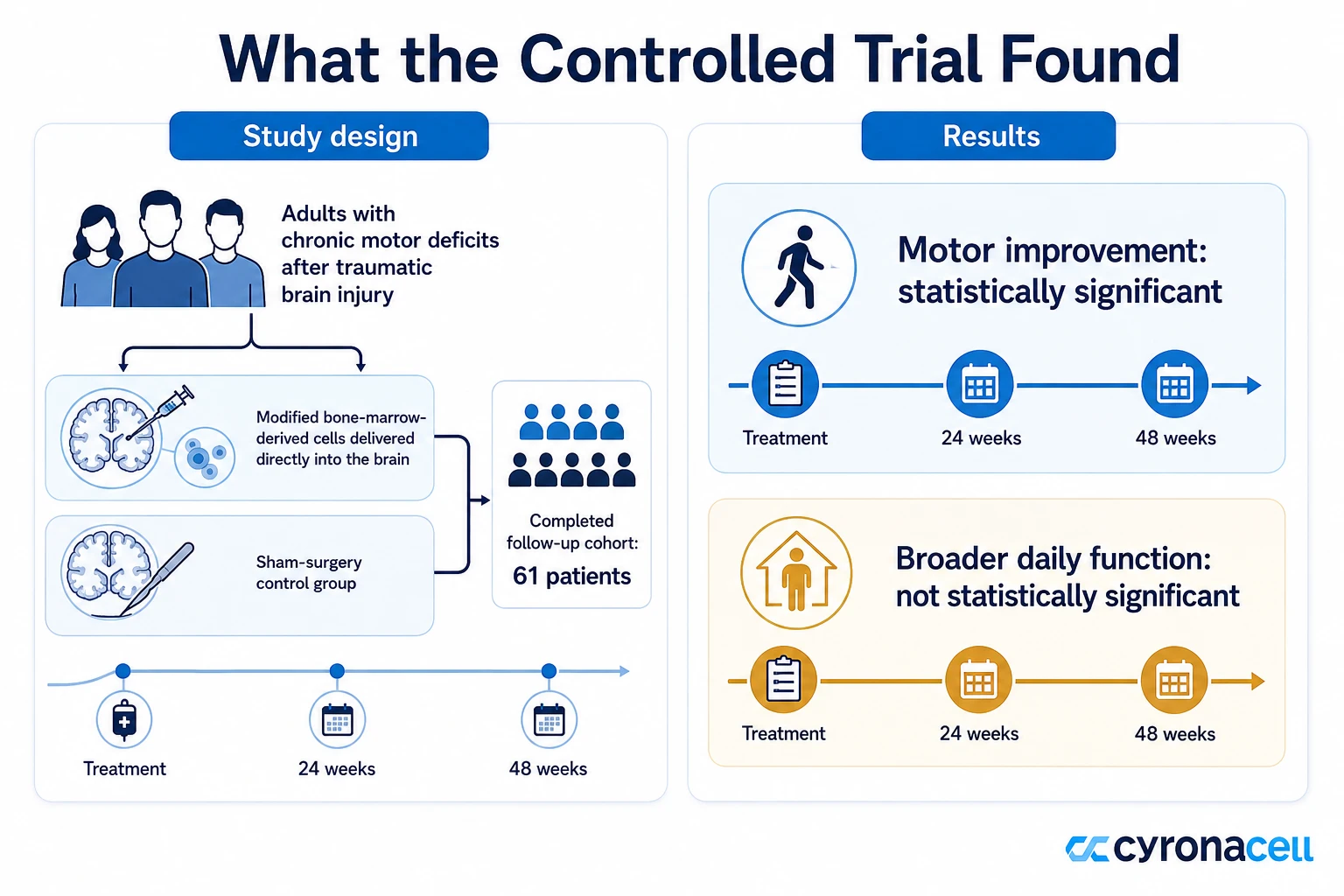
This Phase 2 trial tested modified bone marrow-derived cells. Surgeons delivered them directly into the brains of patients with chronic motor deficits after TBI.
Sixty-one patients completed the full year of follow-up. At 24 weeks, the treated group showed significantly greater improvement on a standard motor function scale.
Researchers compared this to a sham-surgery control group. Improvement held up through 48 weeks of follow-up, too, suggesting a durable effect rather than a short-lived one.
The trial’s secondary measures told a more mixed story, however. Broader measures of daily function and independence did not reach statistical significance against the control group.
This distinction matters. A treatment can produce a real, measurable improvement in one specific outcome. Meanwhile, it can still fall short on broader measures of daily life.
Both results deserve honest attention, not just the more encouraging one.
What Broader Research Shows
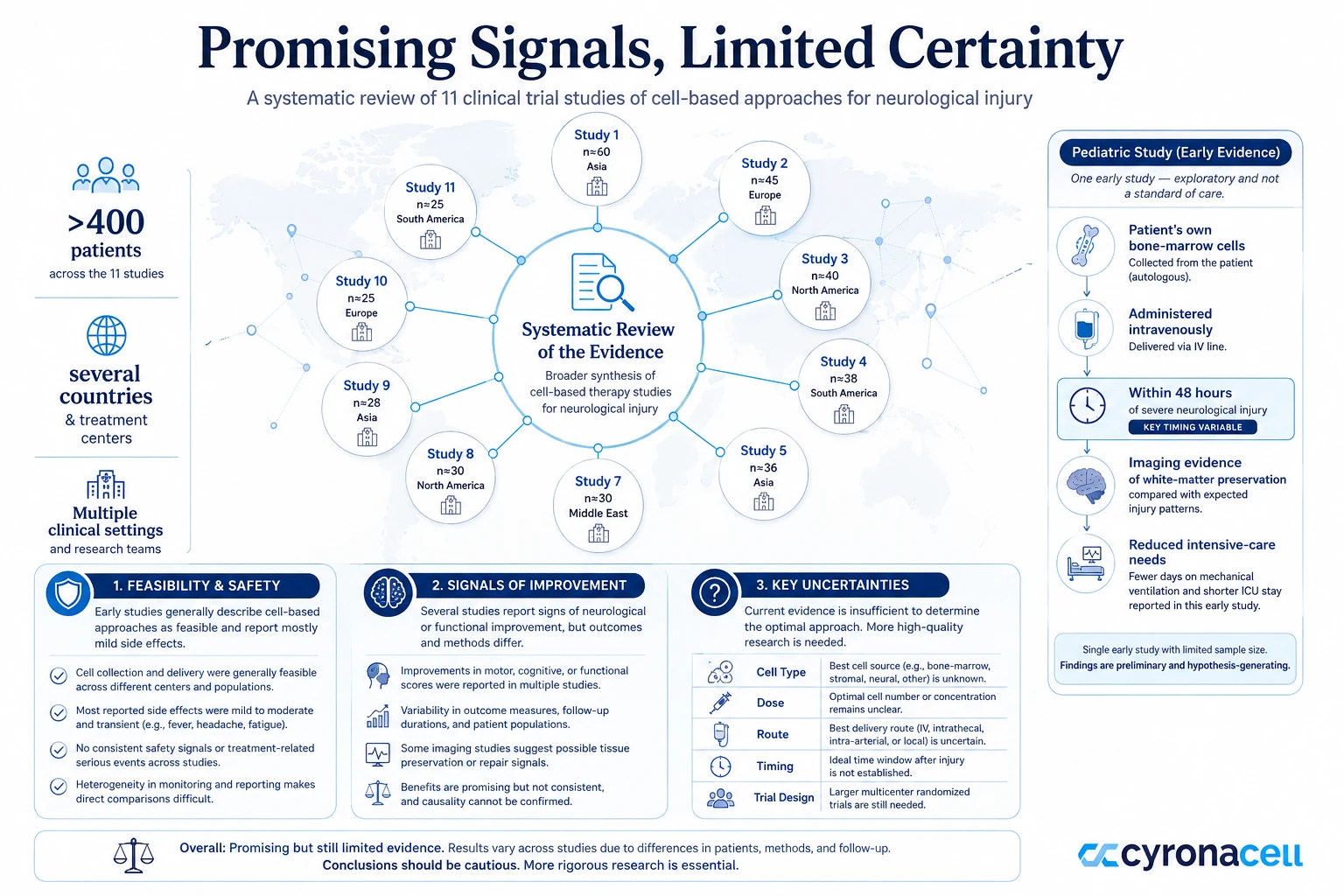
Beyond this single trial, a systematic review examined eleven separate clinical trial studies spanning a decade. Combined, these covered over 400 patients across different countries and treatment centers.
The review concluded that stem cell approaches appeared safe and logistically feasible. Many cases showed signs of neurological functional improvement, too, though the specific outcomes measured varied between studies.
The same review was equally clear about the limits of current evidence, however. Researchers still need larger, multicenter, randomized trials to confirm optimal cell type, dosing, and timing.
A separate pediatric trial delivered a patient’s own bone marrow cells through a vein. Doctors administered this within 48 hours of severe injury, much sooner than many other studies attempt.
This trial found evidence of white matter preservation on brain imaging. Notably, it also found reduced need for intensive care afterward, which matters greatly for both patients and families.
This supports an important idea. Timing after injury may matter as much as the cell type used, if not more.
Taken together, current research points toward a real but still-developing picture. Reported side effects across these studies have generally been mild.
The evidence base, though, remains smaller than what exists for many standard medical treatments. This gap is worth remembering before drawing firm conclusions either way.
Cognitive Recovery vs Motor Recovery
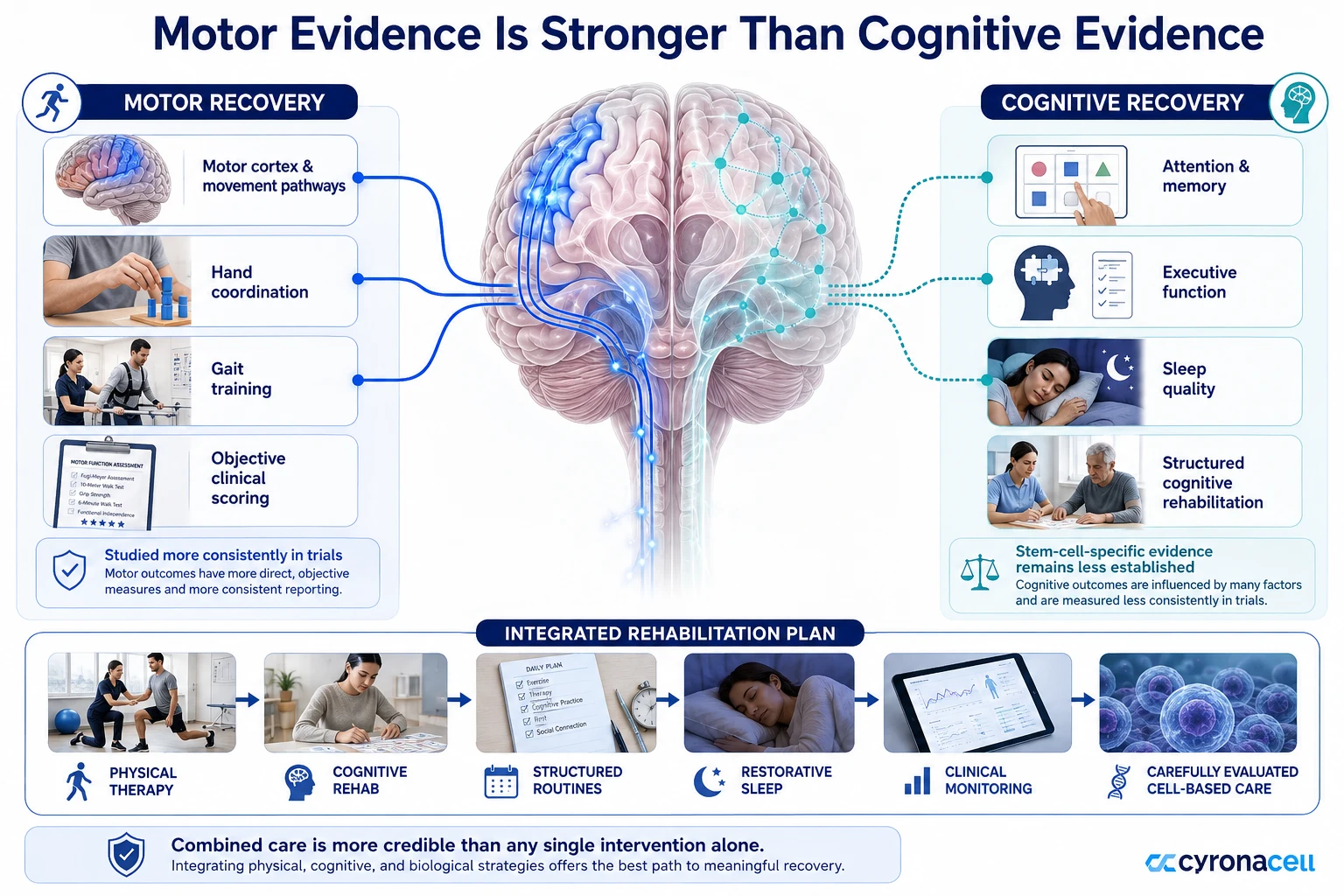
Most of the strongest clinical studies to date have focused on motor outcomes. The standard motor scale used in the trial above is one clear example.
Cognitive recovery, including memory and attention, has less robust supporting data. This does not mean effects of stem cells on cognition are absent.
It means researchers have measured motor outcomes more consistently. Motor changes are easier to score objectively than memory or attention changes.
Families specifically hoping to improve memory after a brain injury should know something important. Cognitive rehabilitation, structured routines, and sleep quality currently have stronger supporting evidence than stem cell therapy alone.
Combining approaches tends to produce the most consistent results for both cognitive and functional recovery. Relying on just one method rarely works as well.
Supportive cell-based care works best as one part of a wider treatment plan. For more details, see stem cell therapy for traumatic brain injury at Cyrona Cell.
Realistic Timelines for Recovery
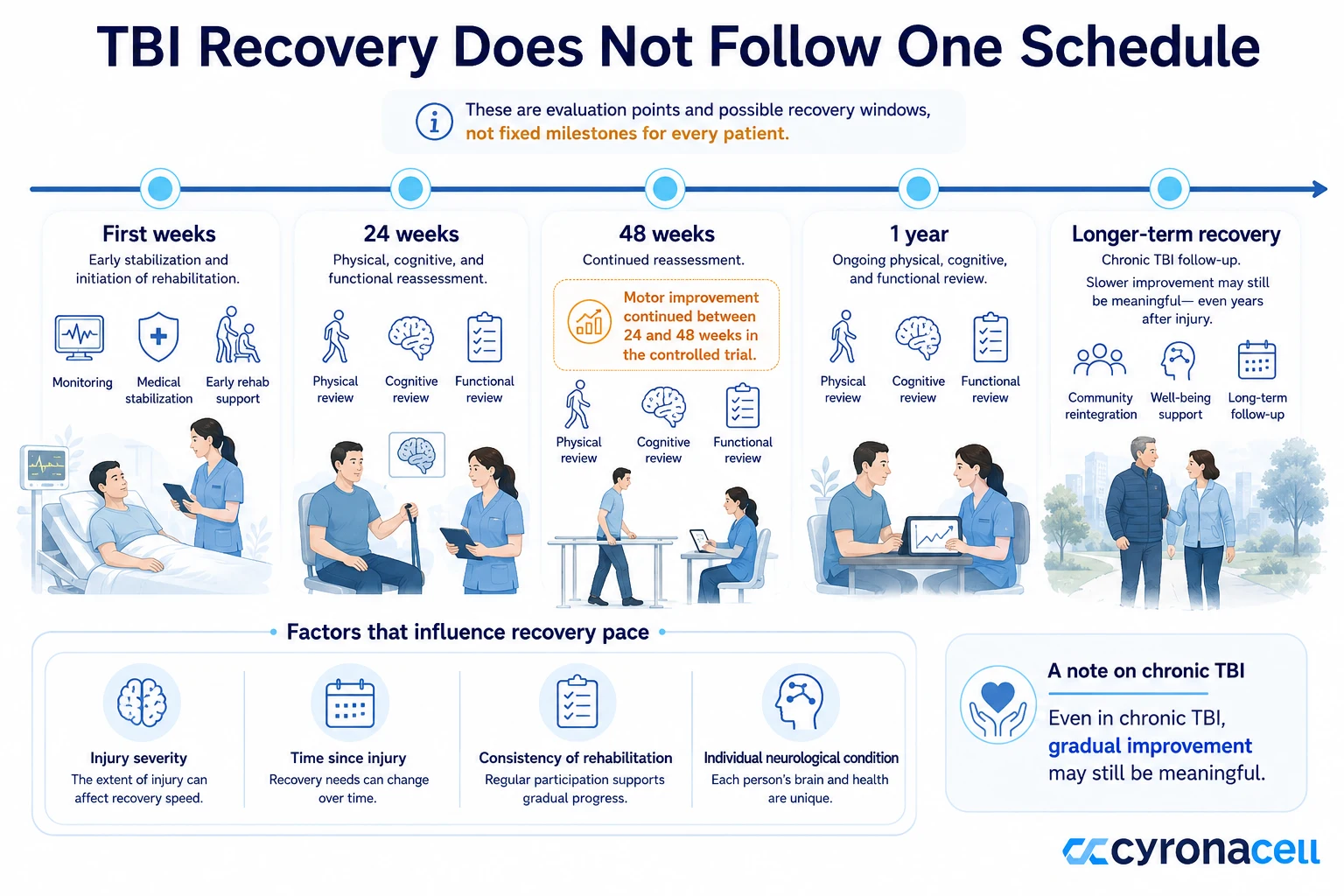
Recovery from TBI does not follow a fixed schedule. Some improvements appear within weeks, while others take a year or longer to become noticeable.
The trial discussed earlier tracked patients for a full year. It still saw gradual improvement between the 24-week and 48-week marks. This suggests recovery continued well past the initial assessment point.
This suggests something important. Long term follow-up matters more than early snapshots alone when judging whether a treatment truly works.
The severity of the original injury plays a role, too. Time since injury and consistency of rehabilitation also influence how quickly changes appear.
Patients further out from their injury, sometimes called chronic TBI, may see slower change. This change can still be meaningful, though, even years later, especially when combined with consistent rehabilitation.
Anyone considering stem cell therapy should discuss a realistic timeline with their medical team first. Assuming a fixed number of months rarely matches reality, and expecting otherwise can lead to unnecessary disappointment.
For a general sense of pricing before that conversation, see the stem cell therapy cost guide for Malaysia.
Curious whether your case aligns with current evidence supporting stem cell therapy? Submit your case for a free medical review.
Side Effects and Safety Considerations
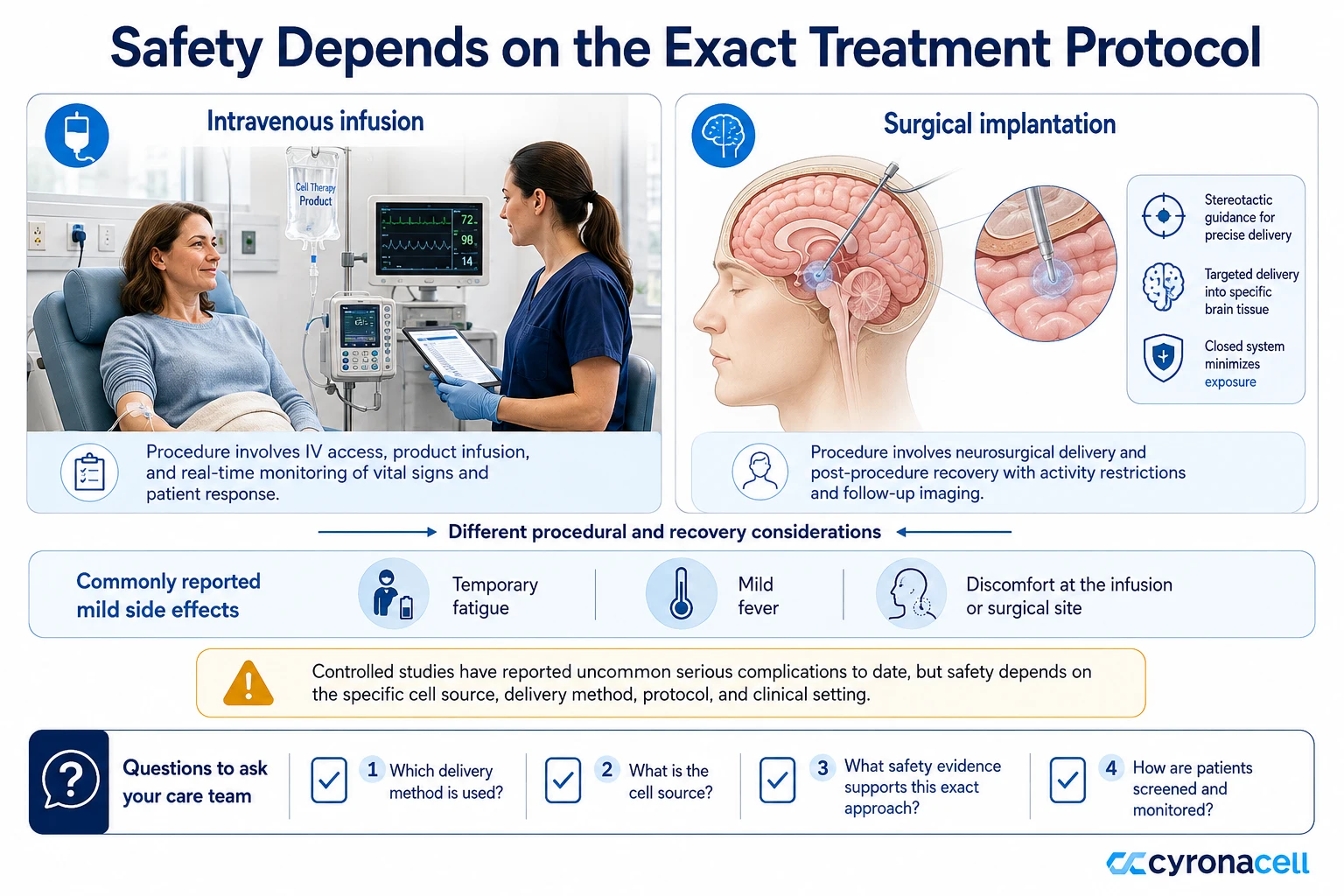
Reported side effects across most TBI stem cell studies have been mild. These include temporary fatigue, mild fever, or discomfort at the infusion or surgical site.
Serious complications appear uncommon in controlled studies to date. Delivery method matters for risk, though, and this deserves careful attention before choosing a clinic.
Surgical implantation carries different risks than intravenous infusion. One involves an invasive procedure, while the other does not, and each comes with its own recovery considerations.
Patients should ask a clinic several direct questions. Which delivery method do they use, and what cell source do they rely on?
What safety data supports that specific approach? Not every method carries the same evidence base. To see how Cyrona Cell structures its own evaluation process, review how stem cell therapy works at Cyrona Cell.
Frequently Asked Questions
Can the brain heal from traumatic brain injury?
The brain has limited capacity to repair itself after significant injury. Some natural recovery does occur, though, especially in the first year.
Rehabilitation, time, and supportive therapies like stem cell treatment may also help maximize whatever recovery is possible.
What helps heal a TBI?
Standard care includes acute medical management, structured rehabilitation, and time. Beyond that, emerging treatment options under study include stem cell therapy.
This approach may support the brain’s healing environment rather than replace lost tissue directly.
How long does it take to recover from traumatic brain injury?
Recovery timelines vary enormously by injury severity. Some patients improve significantly within the first year, while others see slower, more gradual change over several years.
No single fixed timeline applies to everyone.
How can you improve your memory after a brain injury?
Structured cognitive rehabilitation, consistent sleep, and repetitive memory exercises currently have the strongest evidence for memory recovery. Some patients also explore stem cell therapy alongside these approaches.
Cognitive-specific evidence for stem cells, however, remains less established than motor evidence.
A Careful, Evidence-Based Conversation
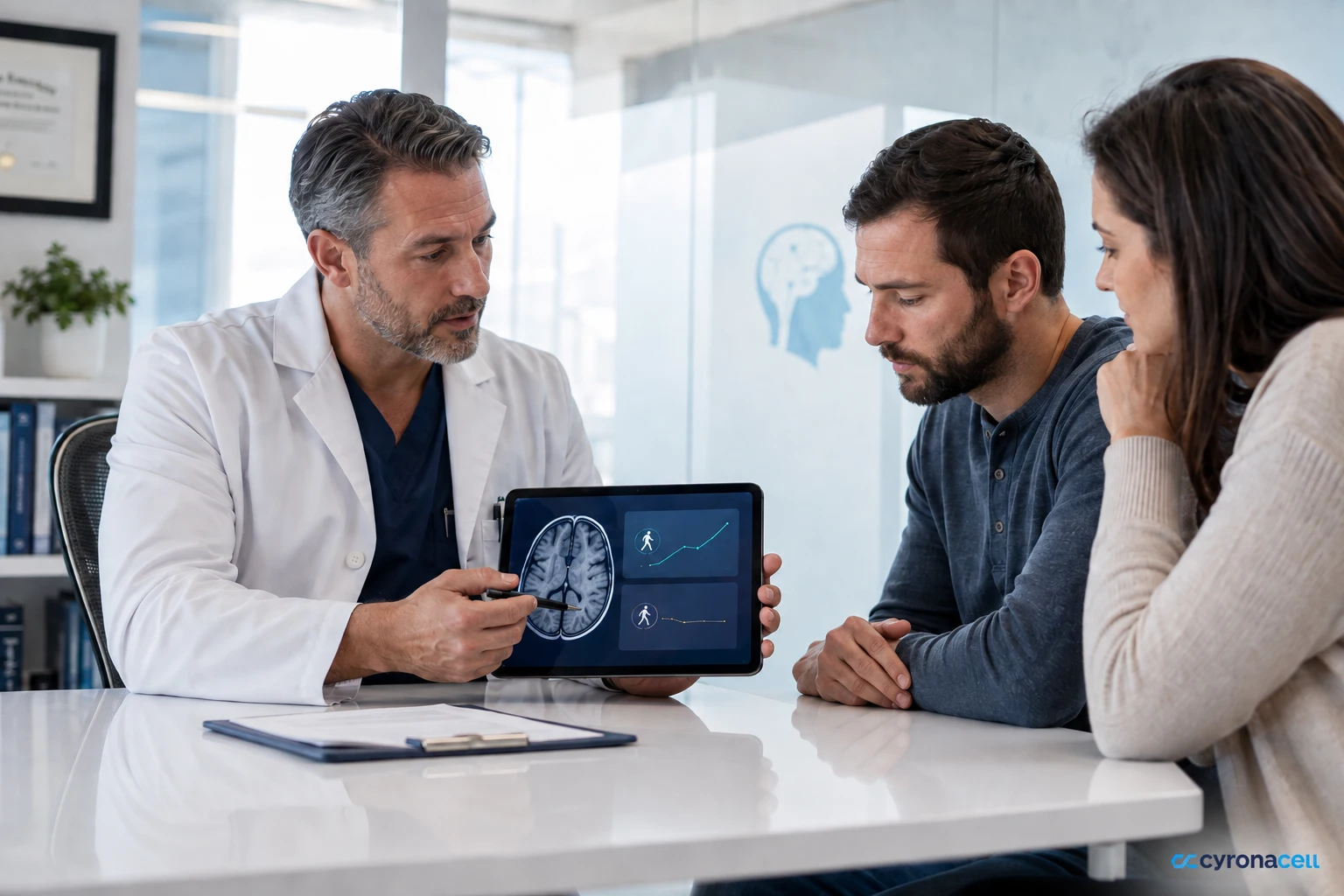
Stem cell therapy for traumatic brain injury is not a settled question. No responsible clinic should present it as one.
The strongest available trial data shows real motor improvement alongside real limitations. Families weighing stem cell therapy for traumatic brain injury deserve both sides of that picture. The encouraging half is not the whole story.
A careful medical review remains the best starting point for anyone considering this path. It should rest on current evidence, not marketing claims.
Want to discuss whether your case fits current evidence? Message the Cyrona Cell team on WhatsApp.