Key Takeaways
- Biologic therapies help many people with Crohn’s disease, but some patients stop responding over time or cannot tolerate them.
- Mesenchymal stem cells are the main type of stem cell treatments studied for Crohn’s, particularly for complex perianal fistulas.
- The only stem cell product ever approved for Crohn’s fistulas was withdrawn from the EU market in 2024, after a larger trial failed to confirm its benefit.
- Current research still shows genuine promise, particularly around reduced inflammation, tissue repair, and supporting quality of life alongside standard care.
- Stem cell treatment for Crohn’s disease works best as a considered option when biologics fail, not as a replacement for proven treatment.
Estimated read: 9 min
Biologic drugs changed the outlook for many people with Crohn’s disease. But biologics do not work forever for everyone.
Some patients lose response over time. Others cannot tolerate the side effects, which forces a difficult conversation about what comes next.
Stem cell therapy often enters the conversation at this point. The evidence, however, is more complicated than most headlines suggest.
Why Biologic Therapies Don’t Always Last
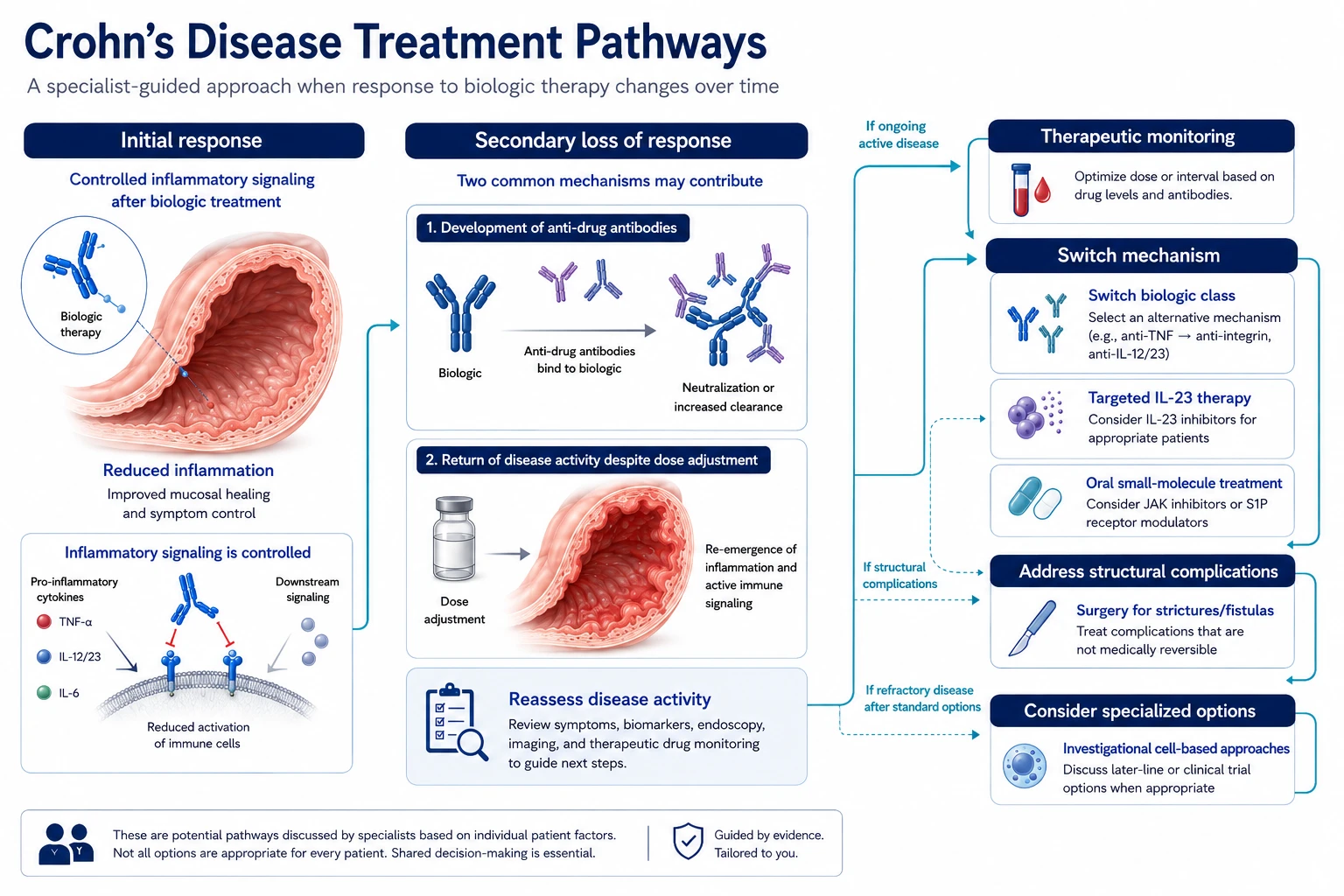
Biologic therapies, including anti-TNF drugs, work by blocking specific parts of the immune system involved in Crohn’s inflammation. For many patients, this brings lasting relief.
Over time, though, some patients develop antibodies against their biologic. Others see their disease activity return despite dose increases. Doctors call this secondary loss of response.
Secondary loss of response is common enough that most Crohn’s specialists plan for it in advance. Blood tests can sometimes catch early signs before symptoms fully return, which gives doctors more time to adjust the plan.
When one biologic class fails, doctors often try a different class first. Anti-integrin and anti-IL-12/23 therapies work through different pathways. A new drug class can sometimes restore control where the first one failed.
IL-23 inhibitors represent a newer class with a more targeted mechanism. Notably, some patients respond well after switching to this option. Small-molecule drugs taken orally are another alternative, since they work through a different route entirely.
Surgery also remains an option for structural complications, such as strictures or fistulas. Typically, doctors raise stem cell treatments only after patients have already tried these standard options.
What Is Stem Cell Therapy for Crohn’s Disease?
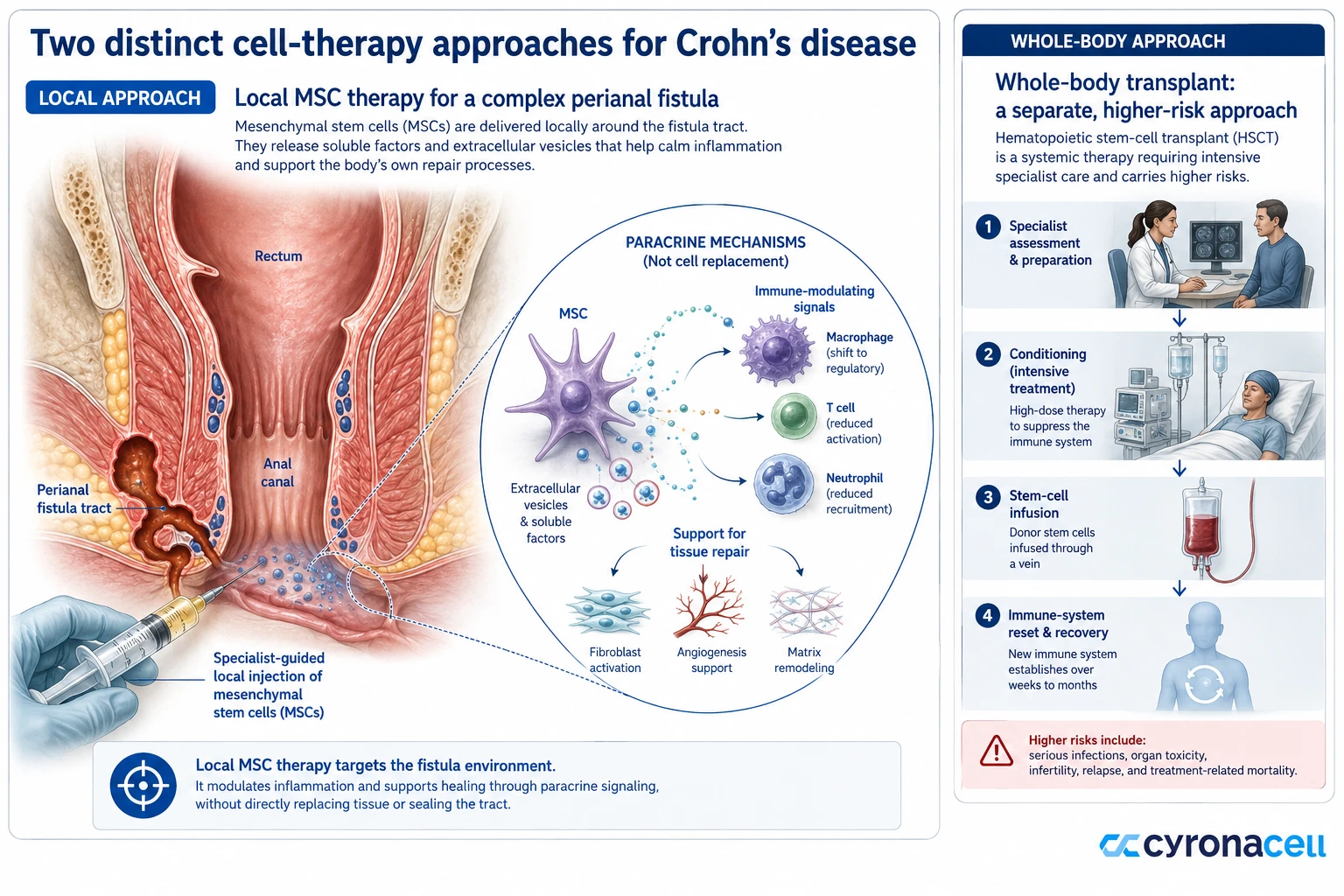
Most research on cell therapy for Crohn’s focuses on mesenchymal stem cells, often shortened to MSCs. Specifically, these cells can come from bone marrow, fat tissue, or umbilical cord tissue.
MSCs do not replace damaged bowel tissue directly. Instead, they release signals that can calm an overactive immune system.
These same signals also support tissue repair in inflamed areas. Specifically, this falls under the wider field of regenerative medicine.
Researchers describe two broad approaches to stem cell treatment for Crohn’s disease. Local injection is the first and most commonly used for complex perianal fistulas.
A more aggressive whole-body approach is the second. This sometimes involves a full stem cell transplant, similar to those used in blood cancers. The goal is to reset the immune system entirely.
These two approaches carry different risk profiles. Comparing them properly deserves its own dedicated discussion beyond this overview.
The Approval That Was Later Withdrawn
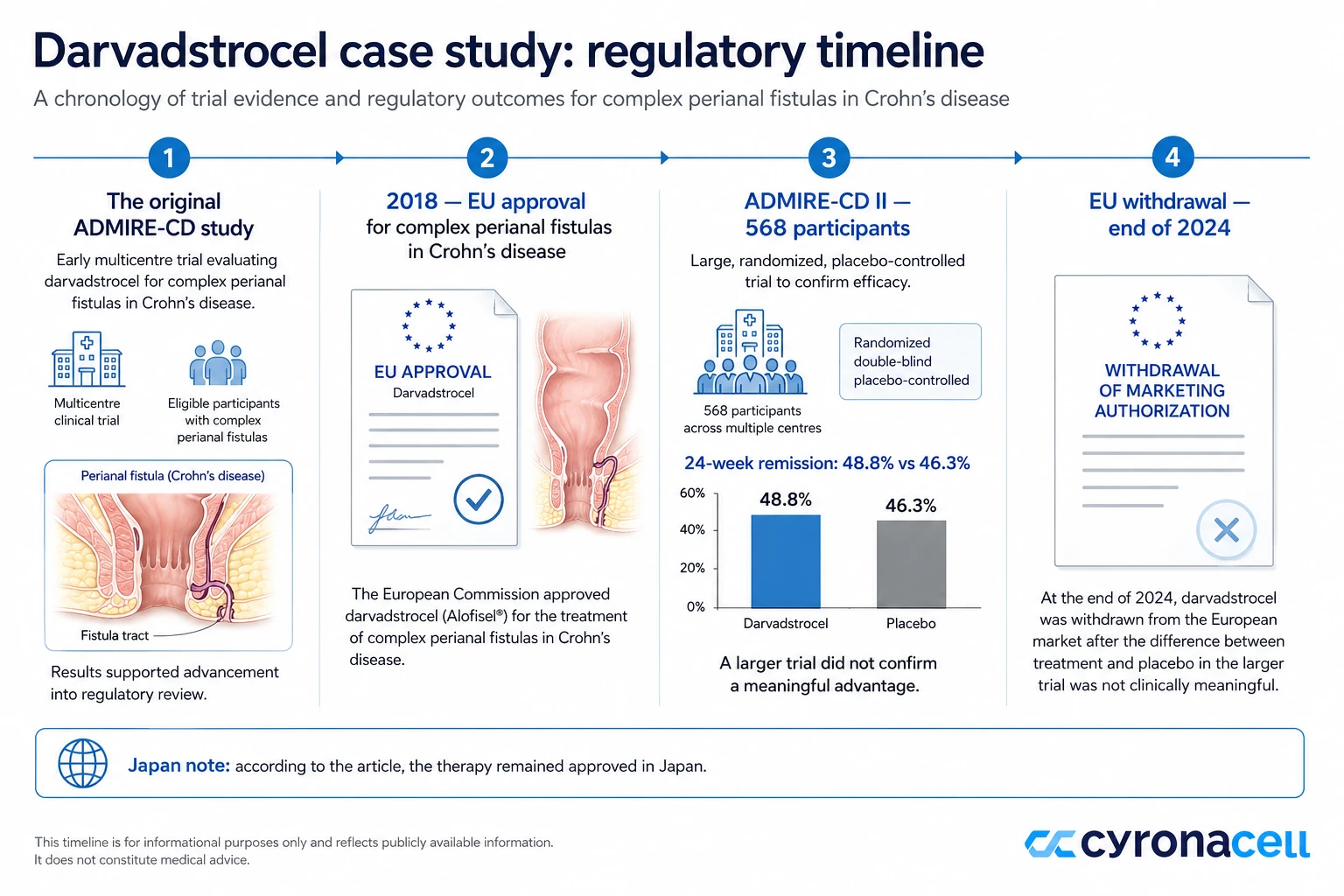
Darvadstrocel offers the clearest real-world case study in this space. The manufacturer once sold this stem cell product under the brand name Alofisel.
Regulators in the European Union approved it as the first allogeneic stem cell therapy for complex perianal fistulas. This was specific to patients with Crohn’s disease.
That approval rested on the original ADMIRE-CD trial, a randomized, placebo-controlled study. Patients who received the treatment showed significantly better combined remission rates than those on placebo. As a result, regulators approved the product in 2018, and it remained on the market for years afterward.
A larger follow-up trial told a different story, however. ADMIRE-CD II enrolled 568 patients across Europe, Israel, and North America.
At 24 weeks, clinical remission occurred in 48.8% of treated patients compared to 46.3% on placebo. Researchers considered this difference too small to matter.
Following this result, the manufacturer withdrew the product from the EU market at the end of 2024. It remains approved in Japan, however, where doctors continue to use it for the same indication.
This history matters for anyone weighing stem cell treatment for Crohn’s disease. Even a therapy with genuine regulatory approval can later show weaker results once tested at a larger scale.
What Current Research Still Shows
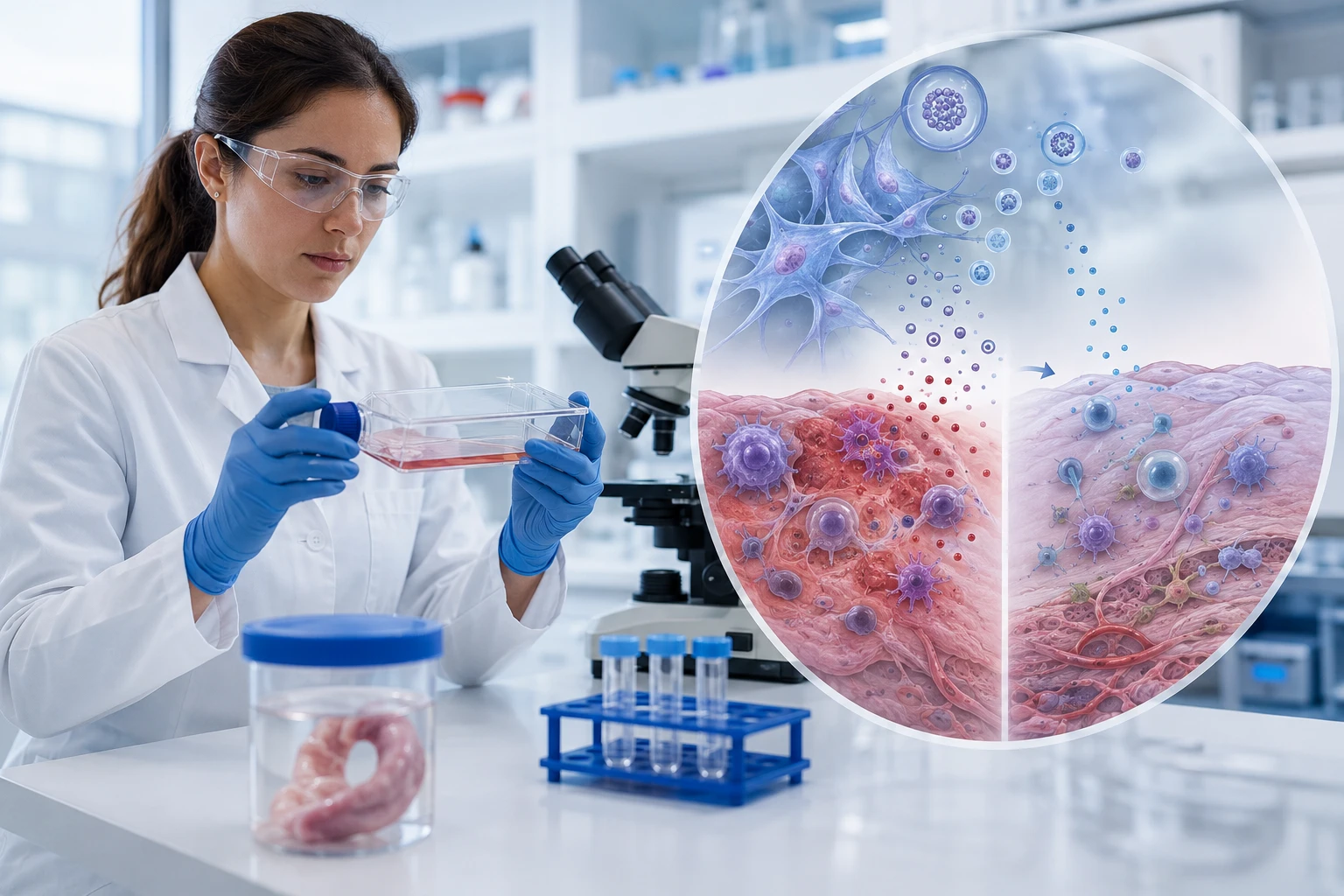
The darvadstrocel setback does not erase everything researchers have learned. That product used adipose-derived cells from unrelated donors. Much current research instead uses umbilical cord-derived MSCs, a different cell source with its own body of evidence.
Wharton’s jelly, the tissue surrounding the umbilical cord, is a particularly common source in newer studies. Clinics collect these cells from donated cord tissue after healthy births, with no impact on the donor or baby.
Several smaller studies and pilot trials using umbilical cord-derived cells have reported reduced inflammation and improved fistula healing. Notably, some patients in these studies achieved remission lasting well beyond the initial follow-up period.
These results are encouraging. However, the studies are generally smaller than ADMIRE-CD II, and few have used a placebo comparison group.
This is a genuine limitation, not something to gloss over. A dedicated look at recent Phase 3 data specifically for perianal fistulas is available in a separate, focused article.
For now, the honest summary is this: smaller studies support the mechanism, but stronger evidence at scale remains limited.
Stem Cell Therapy Alongside Ulcerative Colitis Care
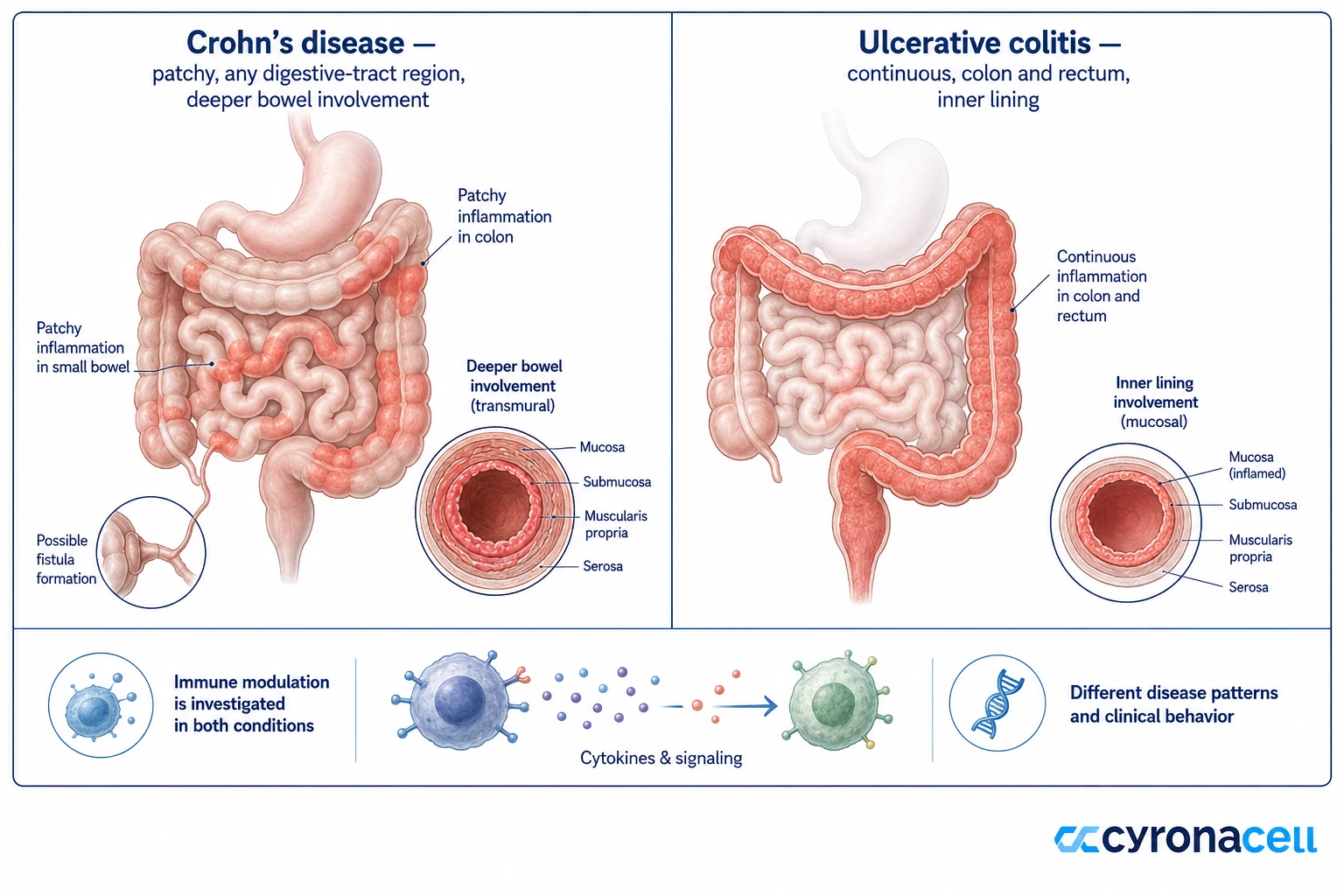
Crohn’s disease and ulcerative colitis (UC) are both grouped under inflammatory bowel disease. Still, they behave quite differently in practice.
The disease can affect any part of the digestive tract in patches. UC, by contrast, stays confined to the colon lining.
Stem cell research for UC follows a pattern similar to that of Crohn’s research. Since both conditions share an overactive immune response, researchers study therapies aimed at calming that response across both.
Neither condition currently has an approved cell-based cure. Patients managing either condition may find it useful to compare approaches. See how stem cell treatment for ulcerative colitis works alongside the Crohn’s approach.
Are Stem Cells Considered Biologics?
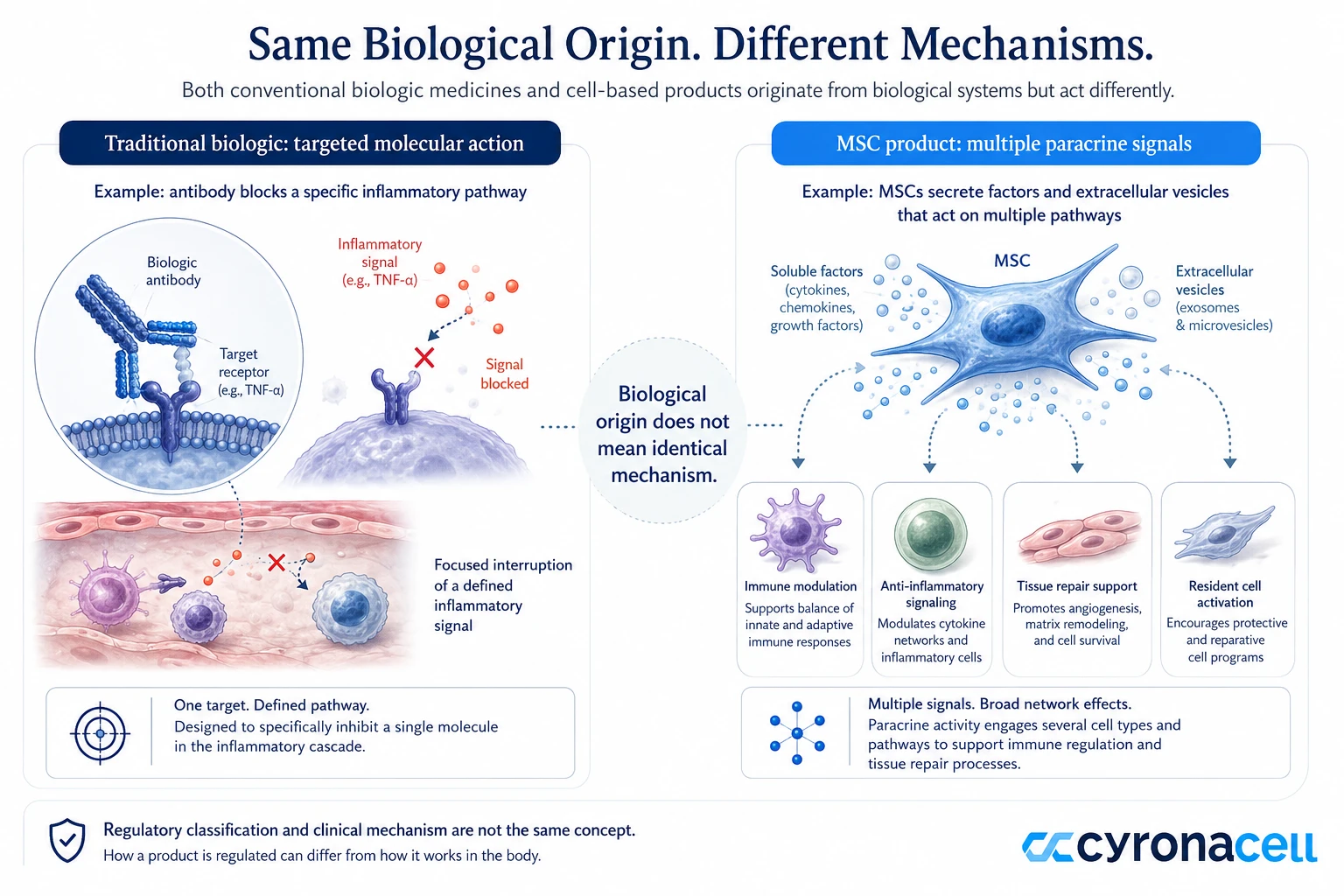
This question comes up often, and the answer is more nuanced than a simple yes or no. Regulatory agencies generally classify cell-based therapies as biologics, since they come from living cells rather than synthetic chemicals.
Mesenchymal stem cell products, however, work differently from traditional biologic drugs like anti-TNF agents. Traditional biologics target one specific molecule.
MSCs, by contrast, release many signals at once. These signals can affect several pathways involved in disease activity.
This distinction matters clinically. A patient who has failed several traditional biologics has not necessarily failed a cell-based approach. Their underlying mechanisms are simply different.
When Might Stem Cell Treatment Be Worth Discussing?
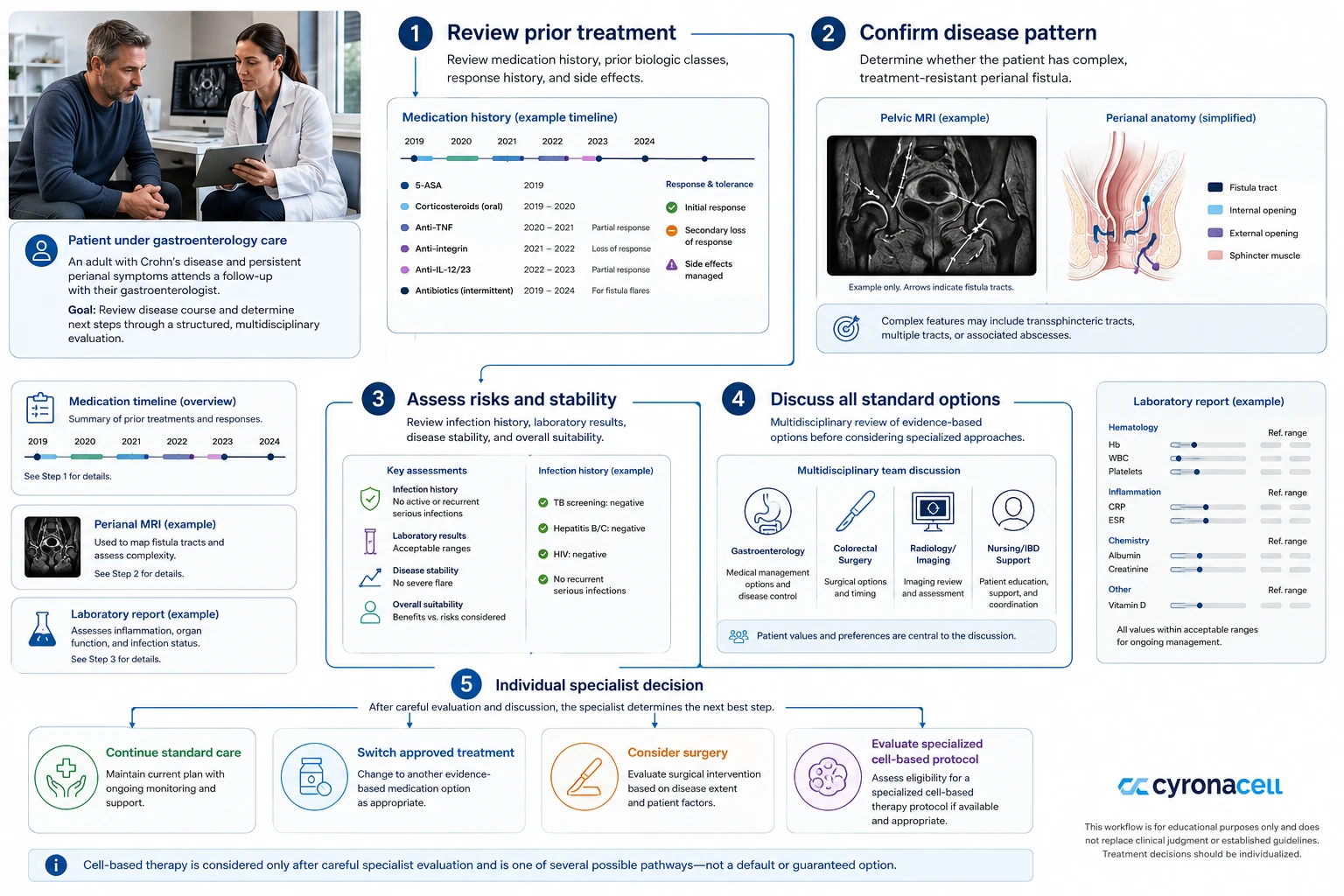
Stem cell therapy tends to come up in a specific set of circumstances. Patients who have tried multiple biologic classes without lasting control are one example.
Those with complex perianal fistulas that have not responded to conventional treatment are another. So are patients who cannot tolerate biologics because of side effects or infection risk.
Age, overall health, and disease stability also factor into candidacy. Typically, a doctor reviews recent bloodwork, imaging, and medication history before recommending any next step.
Doctors rarely consider it a first-line option. Instead, most current evidence supports considering it after standard therapies.
Anyone exploring this route should ask direct questions first. Useful questions include which cell source the clinic uses and what evidence supports that specific product.
Patients should also ask how the clinic monitors safety over the short term and long term.
To understand how a full evaluation typically works, review how stem cell therapy works at Cyrona Cell.
Considering whether stem cell therapy is right for your Crohn’s disease? Submit your case for a free medical review to get a doctor’s honest assessment.

Setting Realistic Expectations
No current stem cell treatment for Crohn’s disease offers a guaranteed cure. Regulators once approved the most-researched product to date, and Europe has since withdrawn approval. It ultimately failed a rigorous clinical trial at scale.
Realistic goals include promoted healing of fistula tissue and reduced flare frequency. Better quality of life is another reasonable goal. This works best alongside a patient’s existing medical team, not in place of it.
Results vary by individual, disease pattern, and prior treatment history. An anti inflammatory effect at the injection site does not guarantee whole-body remission.
Patients considering this route should treat it as a supportive option under specialist supervision. It works best alongside a patient’s regular digestive care team, not instead of it.
Skipping standard monitoring in favor of stem cell therapy alone is not a safe strategy. This holds regardless of how promising early results look.
Cyrona Cell structures its Crohn’s-specific protocols around cost and cell source together. For that full picture, see stem cell therapy for inflammatory bowel disease at Cyrona Cell.
Frequently Asked Questions
Do you have to take biologics forever for Crohn’s disease?
Not necessarily, since treatment plans vary widely from patient to patient. Some patients maintain long-term control on a single biologic.
Others, however, need to switch therapies over time after losing response. A minority eventually tries several classes before finding one that works consistently.
Treatment duration depends on individual disease behavior, and any changes should happen under a specialist’s guidance.
Can stem cells cure Crohn’s disease?
No current stem cell therapy cures Crohn’s disease. Research so far shows supportive benefits, such as reduced inflammation and improved fistula healing in some patients. Disease activity can still return over time, though.
What is the new treatment for Crohn’s disease 2026?
Researchers are studying several newer options, including oral small-molecule drugs and next-generation biologics that target different inflammatory pathways. Cell-based therapies using umbilical cord-derived MSCs are also under study. Most remain under active research rather than routine first-line care, though a few have reached late-stage trials.
Are stem cells considered biologics?
Regulators generally classify them as biologics, since they come from living cells. Their mechanism differs meaningfully from traditional biologic drugs, however. This is why some patients who stop responding to conventional biologics still consider cell-based approaches.

A Careful Next Step, Not a Last Resort
Stem cell treatment for Crohn’s disease is not a fallback option reserved only for the most desperate cases. Rather, it is a legitimate area of ongoing research.
Some patients discuss it with their care team once standard options stop working well. The field has real setbacks alongside real promise, and both deserve honest attention before any decision.
Have questions about whether your case fits the current evidence? Message the Cyrona Cell team on WhatsApp to discuss your specific situation.