Key Takeaways
- Umbilical cord MSCs for stroke are being studied as a possible add-on to standard rehabilitation, not a replacement for it.
- A 2025 randomized trial in 32 patients found IV delivery led to significant improvements at 6 months, with both IV and intrathecal groups improving by 12 months.
- A separate 2026 Phase 1 trial tested only the IV route in 18 adults and found it safe across three different cell doses.
- Across both trials, the IV route was linked to fewer side effects than the intrathecal route, which requires a spinal procedure.
- Cyrona Cell uses IV administration for this reason, and typically reviews imaging, medications, and overall health before recommending treatment.
Estimated read: 9 min
Stroke recovery often stalls once the acute emergency phase ends. Researchers are now studying whether umbilical cord MSCs for stroke can support the brain in the months that follow.
In short, an ischemic stroke happens when a clot blocks blood flow to part of the brain. A stroke can affect movement, speech, and memory, depending on which brain area loses blood supply.
Standard rehabilitation alone may not fully restore lost function during that window. A recent randomized trial gives some of the clearest human evidence yet on this question. Meanwhile, a newer trial adds further detail specifically on IV delivery.

Umbilical Cord MSCs for Stroke: How Do They Work?
Umbilical cord derived mesenchymal stem cells, often shortened to UC-MSCs, come from donated cord tissue. Clinics collect this tissue after a healthy birth, with the parents’ full consent.
Unlike bone marrow collection, this process involves no procedure on the patient. Researchers favor UC-MSCs partly because they are easier to source in large, consistent batches.
Interest in stem cell therapies for brain conditions has grown alongside regenerative medicine more broadly. Meanwhile, clinical trials now slowly accumulate real human safety data, rather than relying on animal studies alone.
Why the Umbilical Cord as a Cell Source
Cord tissue cells divide readily in the lab. They also trigger a weaker immune response than many other adult cell sources.
As a result, doctors can often give these cells to a patient without a genetic match. A bone marrow transplant, by contrast, typically requires one.
This matters for stroke recovery specifically. After all, patients rarely have time to source a perfectly matched cell donor during their recovery window.
The Mechanism Behind Potential Recovery
Overall, MSCs do not appear to directly rebuild brain tissue. Instead, most researchers believe they act through signaling, rather than becoming new neurons themselves.
This signaling calms inflammation and supports existing cells that survived the stroke. Researchers point to a reduction in ongoing cell death around the injury, not just the initial damage.
In addition, animal research points to effects on blood flow near the injured area. Much of this work on mesenchymal stem cells for ischemic stroke comes from rats and mice, not directly from humans.
A review of 30 animal studies using umbilical cord derived MSCs found two consistent effects. Infarct size shrank, and brain function scores improved.
The proposed mechanisms centered on immune regulation, reduced cell death, and new vessel formation, rather than the replacement of dead neurons.
Does Timing After the Stroke Matter?
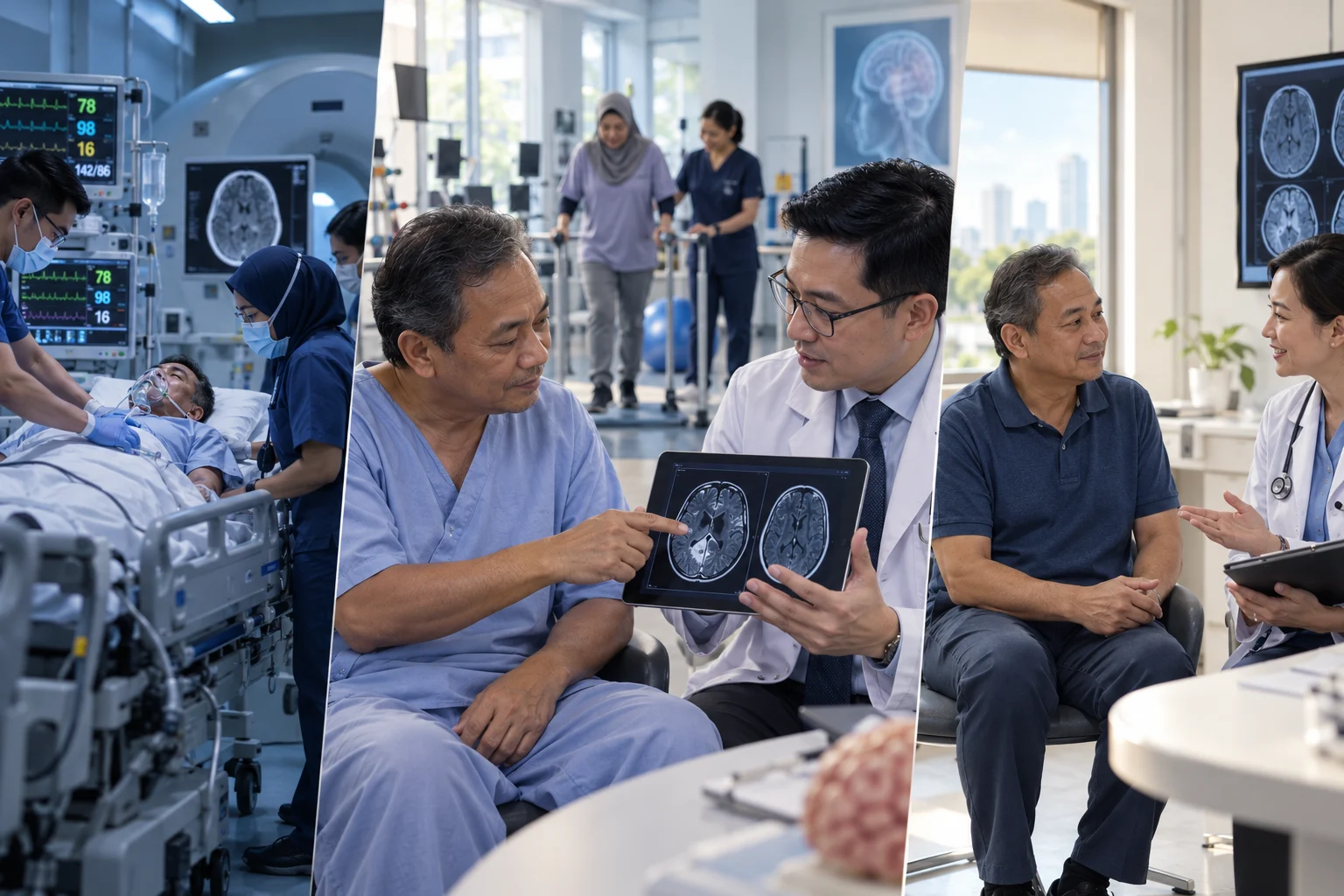
Both trials discussed here enrolled patients well past the emergency window, not during it. The 2025 trial included patients from seven days up to 24 months after their stroke.
By contrast, the 2026 trial focused more narrowly, enrolling patients three to six months out. Researchers call this the subacute phase, a period when spontaneous recovery has slowed but has not necessarily stopped.
This timing matters, since acute-phase stroke treatment, such as clot removal, follows entirely different protocols. Stem cell therapy, as studied so far, sits later in the recovery timeline instead.
What Does the Clinical Trial Evidence Show?
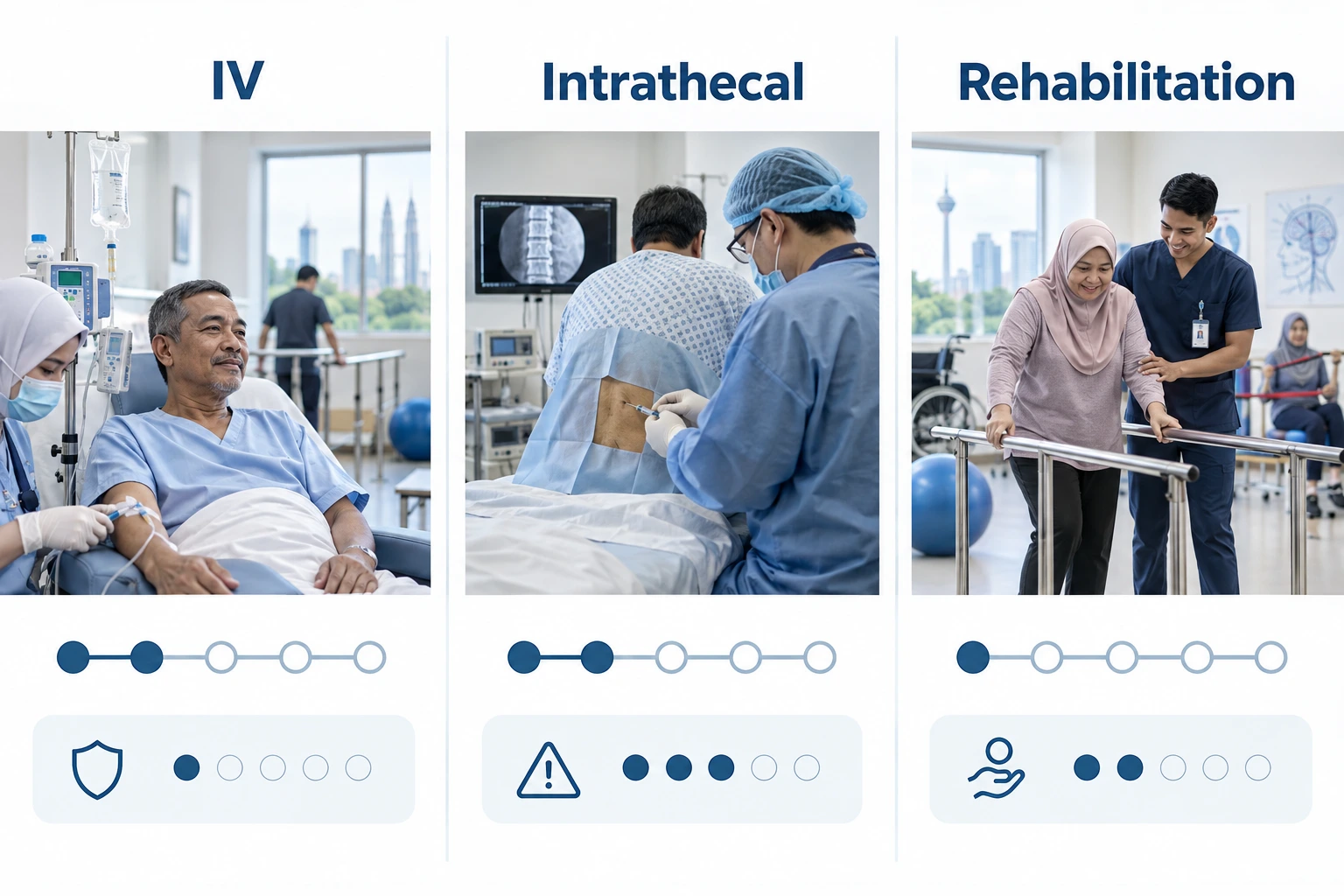
A 2025 randomized controlled trial appeared in Stem Cells Translational Medicine. It tested UC-MSCs in 32 patients aged 40 to 75, all with lasting effects on brain function after ischemic stroke.
Researchers split patients into two treatment group arms and one control group. Sixteen patients received intrathecal therapy, meaning cells entered the spinal canal directly.
Another sixteen used an intravenous route instead, meaning cells entered through a vein.
A separate group of 16 matched patients received rehabilitation therapy only, with no cell infusion. Every patient who did receive UC MSCs also completed standard rehabilitation alongside their infusions.
This distinction matters for interpreting the results. The trial measured added benefit on top of rehab, not a replacement for it.
At six months the IV group showed statistically significant improvements over the control group. Specifically, measures included stroke severity, functional independence, and quality of life scores.
By twelve months, both UC-MSC groups showed significant improvements compared with control patients. The intravenous arm continued to show a safety edge throughout the study.
It had fewer treatment related side effects than the intrathecal arm overall.
| Factor | IV Group | IT Group | Control Group |
|---|---|---|---|
| Route | Intravenous infusion | Intrathecal infusion | Rehabilitation only |
| 6 month result | Significant improvement | Smaller improvement | Reference group |
| 12 month result | Significant improvement | Significant improvement | Reference group |
| Side effects | Fewer overall | More procedure related pain | Not applicable |
No severe adverse events tied to the cells themselves occurred in either treatment arm. Even so, the study’s own authors called for larger trials before treating these results as settled proof. This kind of caution is typical for a trial of this size.

A Newer Trial Focused Specifically on IV Delivery
A separate 2026 Phase 1 trial, published in Cell Reports Medicine, tested only the intravenous route. Notably, it included no intrathecal comparison arm.
Eighteen adults with an average age near 52 received a single UC-MSC infusion. This happened three to six months after their stroke.
Researchers tested three different doses to check safety at each level. Overall, no serious side effects appeared at any dose.
Many participants also showed improved independence and lower stroke severity scores over six months of follow-up. However, because this trial had no placebo group, it cannot prove the cells caused these changes.
Still, it adds further support for intravenous delivery specifically. This route avoids the spinal access required for intrathecal delivery.

Why Cyrona Cell Uses IV Administration
Consequently, Cyrona Cell delivers its umbilical cord MSCs for stroke recovery through IV infusion. This mirrors the delivery route both trials above associate with fewer side effects.
An IV infusion needs only standard vein access, not a spinal procedure. This keeps the appointment simpler and specifically avoids risks associated with intrathecal delivery.
Most patients complete the infusion itself within about an hour. This matches the dosing schedule used in the trials discussed here.
Follow-up bloodwork and imaging then help track progress over the following months.
Cyrona Cell’s exosome and MSC treatment program uses the same underlying signaling approach across several conditions. Calming inflammation through IV delivery sits at the center of that broader approach, rather than direct tissue replacement.
Families based outside Malaysia sometimes travel specifically for this kind of consultation. In these cases, the same imaging review and screening process applies, regardless of where a patient begins their search.
What Safety Considerations Apply?
Across both trials discussed here, researchers did not directly link any severe adverse events to the stem cells themselves. Reported side effects were generally mild. Examples include temporary discomfort at the infusion site or a brief low grade fever.
The intrathecal route carried a higher rate of procedure related pain and headaches in the 2025 trial. IV infusion avoided that specific risk entirely, since it requires no spinal access.
Neither trial was large enough to rule out rare risks. A thorough medical screening before treatment remains the best way to reduce risk. This holds regardless of the trial data available so far.
For this reason, both trials excluded patients with active infections, uncontrolled bleeding risk, or unstable heart conditions. Overall, this kind of screening is standard practice across most cell therapy research, not unique to stroke studies.

What Role Does Rehabilitation Play?
Every positive trial result above happened alongside standard rehabilitation, not instead of it. Physical, occupational, and speech therapy remain the proven backbone of stroke recovery.
Specifically, in the 2025 trial, all participants completed roughly 30 rehab sessions over the study period. Each session lasted about an hour and covered movement, speech, and everyday-task goals tailored to the patient.
Rehab sessions target motor function directly through repeated movement practice. Stem cell therapy, by contrast, aims to support the underlying brain environment in which the practice takes place.
Cyrona Cell has an article on the family’s role in rehab after cell based therapy. It explains what day-to-day family involvement can look like during recovery.
Neither approach works well in isolation. Patients who combine consistent rehab attendance with any medical treatment tend to track their own progress more clearly.

Who Is a Good Candidate?
Trial data so far focuses on patients in the subacute to chronic phase. This means weeks to years after the original stroke, differing from the emergency window where clot busting drugs work.
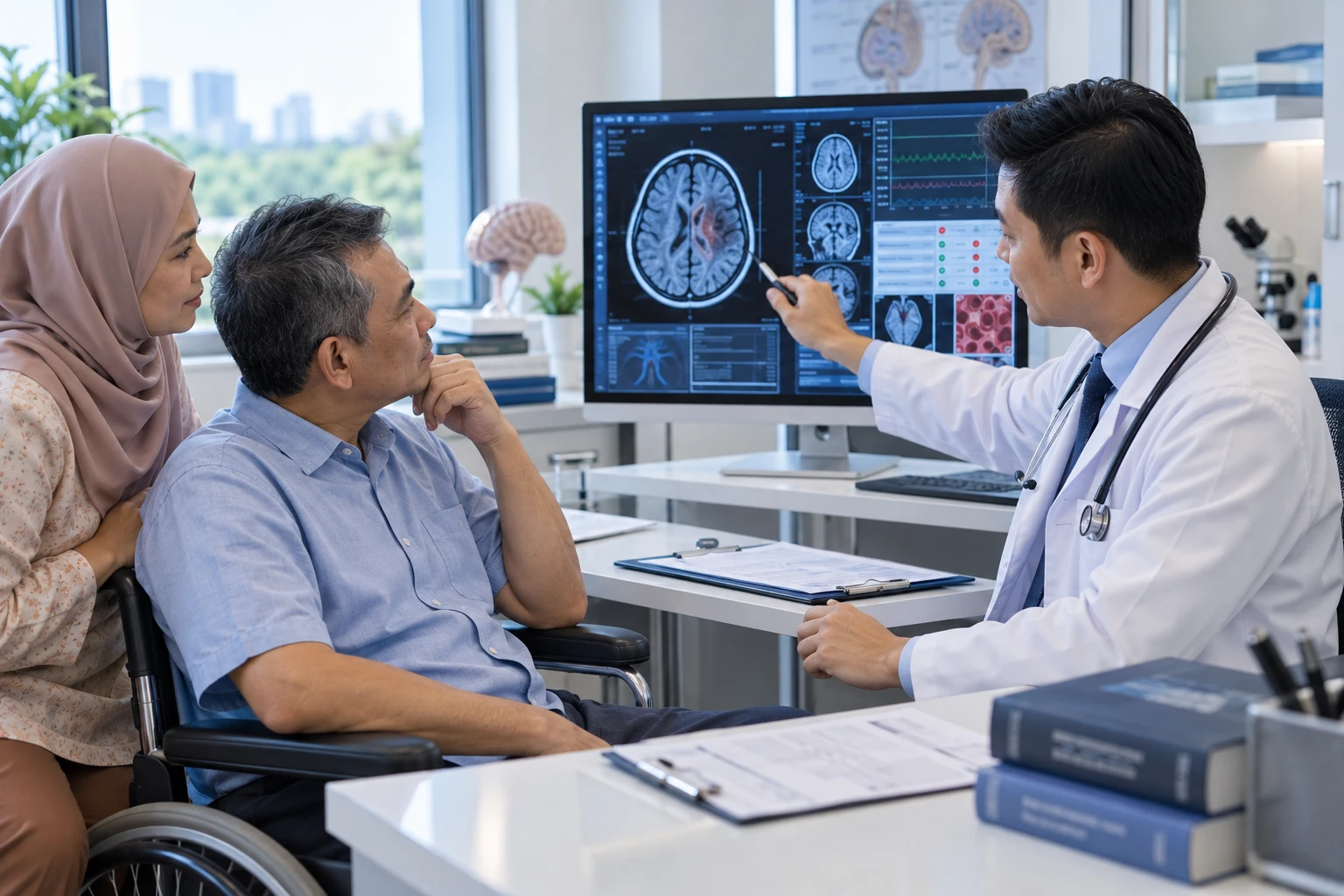
Overall, a physician typically reviews imaging, current medications, and overall health before recommending stem cell therapy for stroke recovery. Stable patients with confirmed ischemic stroke, rather than a bleed, tend to fit the profile studied so far.
Age alone does not automatically exclude someone from consideration. Both trials discussed here included patients well into their seventies, as well as younger participants in their forties.
Cyrona Cell’s page on stem cell therapy for anoxic brain injury covers a related but distinct brain condition. This may be useful if oxygen loss occurred without a blood clot specifically.
Frequently Asked Questions About Umbilical Cord MSCs for Stroke
Can stem cells help stroke patients recover?
Early trial data suggests stem cells may support recovery alongside rehabilitation, not replace it. The 2025 randomized trial found real, measurable improvements in the IV group compared with rehabilitation alone. Still, larger trials need to confirm how consistent this benefit is across different patients.
Does umbilical cord stem cell therapy work?
Current evidence is encouraging but in its early stages. Two separate human trials found the treatment safe, with measurable functional gains in many participants. However, neither trial proves the therapy works for every patient, since sample sizes remain small.
Can stroke patients recover fully after treatment?
No current treatment, including stem cell therapy, restores every patient to their pre-stroke baseline. Trial data show meaningful gains in function and quality of life for many participants. Full reversal of stroke damage is not supported by current evidence.
Recovery also varies based on stroke severity and how much time has passed since onset.
How long does it take for the brain to heal after a stroke?
Healing continues well beyond the initial hospital stay. Acute recovery happens over the first days and weeks, while subacute healing can continue for months. Some gains continue even into the second year for certain patients.
Both trials discussed here tested UC-MSCs during this longer subacute to chronic window, not the emergency phase.

Ask About Umbilical Cord MSCs for Stroke Recovery
Are you or a family member exploring options beyond rehabilitation alone? A personalized review can clarify whether IV stem cell therapy is right for your situation.
Call or message Cyrona Cell on WhatsApp at +60 18-222 0032. You can also email info@cyronacell.com. Discuss your case before making any treatment decision.