Key Takeaways
- Chronic, low-grade inflammation and insulin resistance drive each other in a two-way loop that starts largely in visceral fat.
- Mesenchymal stem cells are being studied for their ability to calm this inflammation and support insulin sensitivity, not to replace diet, exercise, or medication.
- A 2022 randomized trial found modest but measurable improvements in insulin resistance after umbilical cord derived MSC infusions, though sample sizes remain small.
- Cyrona Cell uses umbilical cord derived WJMSCs processed under BSL2, CGMP, and ISO 9001 standards, and frames this therapy as a complement to medical care.
- Good candidates typically have confirmed insulin resistance or early type 2 diabetes and stable overall health, confirmed through bloodwork before any infusion.
Estimated read: 9 min
Inflammation and insulin resistance often go hand in hand, each worsening the other. Inflamed fat tissue releases chemical signals that block insulin from doing its job. Researchers now ask whether mesenchymal stem cells can interrupt this cycle rather than just manage the numbers.
Inflammation and Insulin Resistance: What Is Happening in the Body?
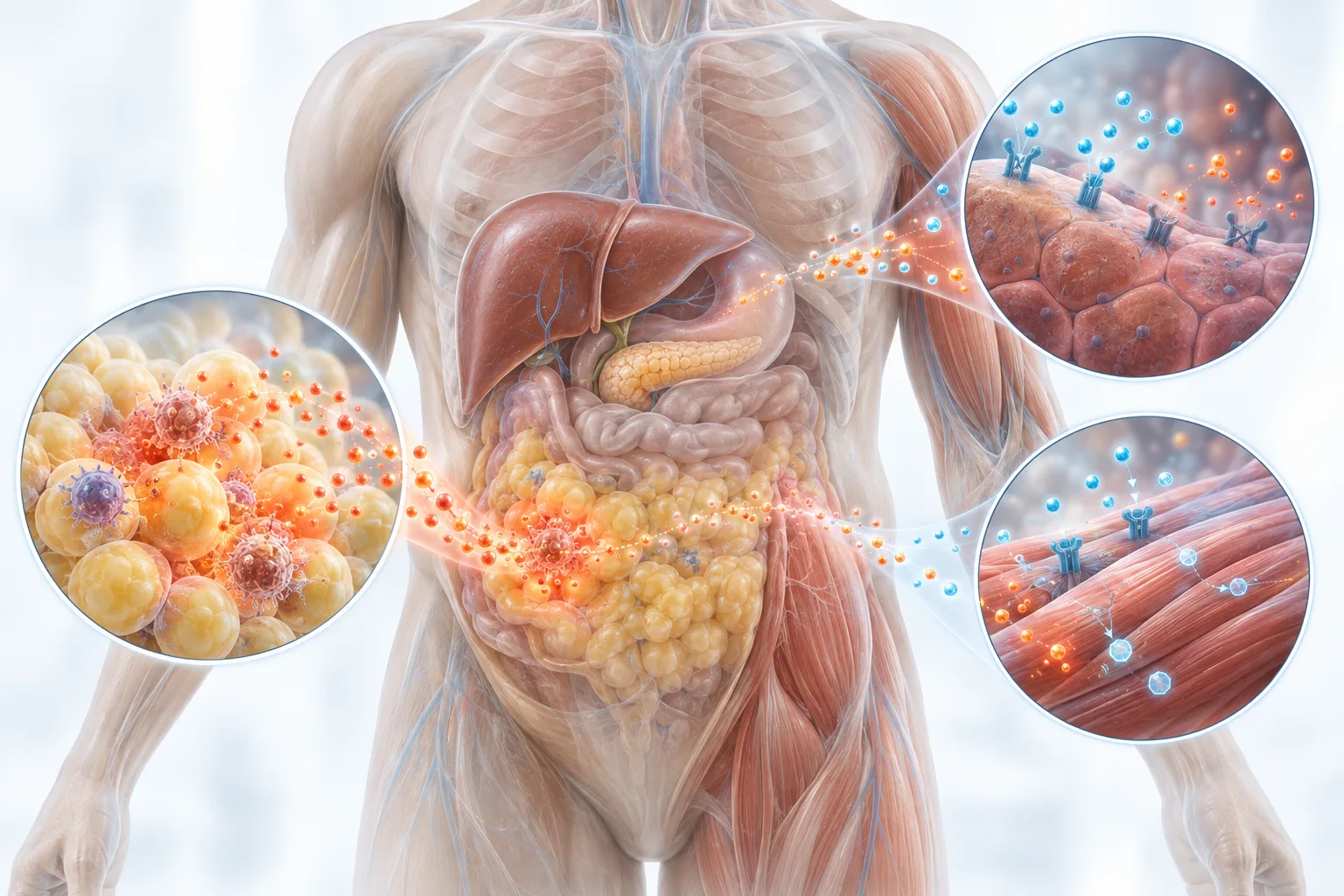
Chronic, low-grade inflammation and insulin resistance form a two-way loop. Immune cells inside fat tissue release proteins that trigger inflammation and block insulin signaling in muscle, liver, and fat cells. Cells then respond less to insulin, and blood glucose levels climb.
Meanwhile, the pancreas works harder to compensate, which strains insulin production over time. This cycle matters because most people picture diabetes as a pancreas problem alone.
The National Institute of Diabetes and Digestive and Kidney Diseases tracks this trend nationally. More than one in three American adults already had borderline diabetes in 2021, per the same data. Many of them likely have insulin resistance driven by inflammation, even before a formal diabetes diagnosis.
In type 2 diabetes, the bigger issue is often insulin resistance itself. Cells in muscle, liver, and fat simply stop listening to insulin, even though the hormone is still present.
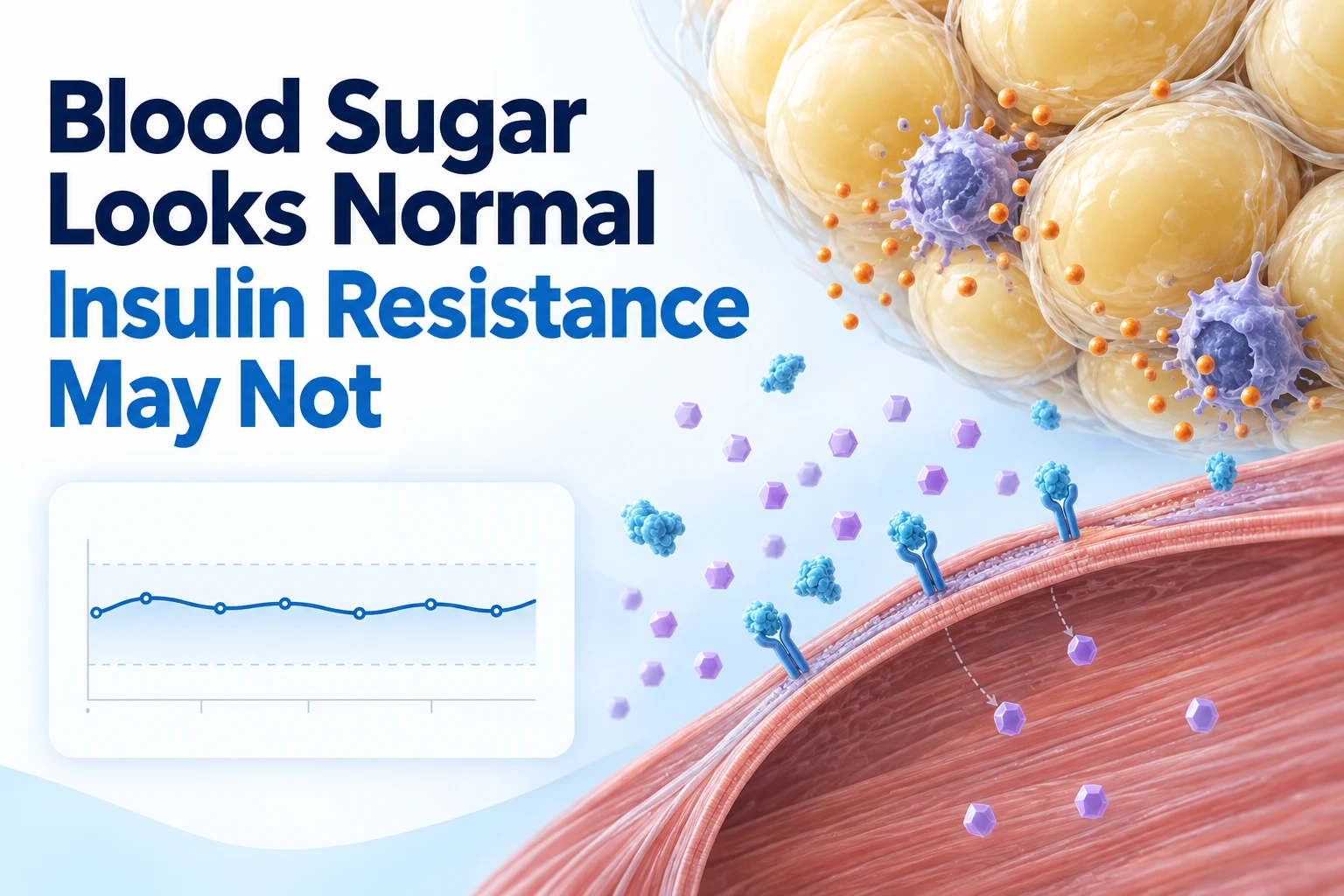
A larger waist circumference often shows up first, along with rising triglycerides on routine bloodwork. Blood sugar itself may still look normal at this stage.
This pattern differs sharply from type 1 diabetes. There, an autoimmune attack destroys insulin producing cells directly. Cyrona Cell’s page on stem cell therapy for type 1 diabetes covers that distinct pathway in more depth.
Because the two conditions stem from different root causes, treatment goals differ as well. Type 1 care focuses on protecting the remaining beta cells. Meanwhile, type 2 care focuses on restoring how tissues respond to insulin in the first place.
Where the Inflammation Actually Starts
Much of this inflammation begins in adipose tissue, especially visceral fat around the abdomen. As fat cells expand, they attract immune cells called macrophages. These macrophages then send out chemical signals, such as TNF-alpha and IL-6, that further spread the inflammation.
Those messengers travel through the bloodstream and interfere with insulin receptors elsewhere in the body. Consequently, insulin sensitivity drops in the liver and skeletal muscle.
These two tissues normally clear most of the glucose after a meal, so their impact on blood glucose levels is significant. Cyrona Cell’s article on stem cell therapy and blood sugar control looks more closely at the glucose side of the picture.
Can Stem Cells Help Break the Cycle?
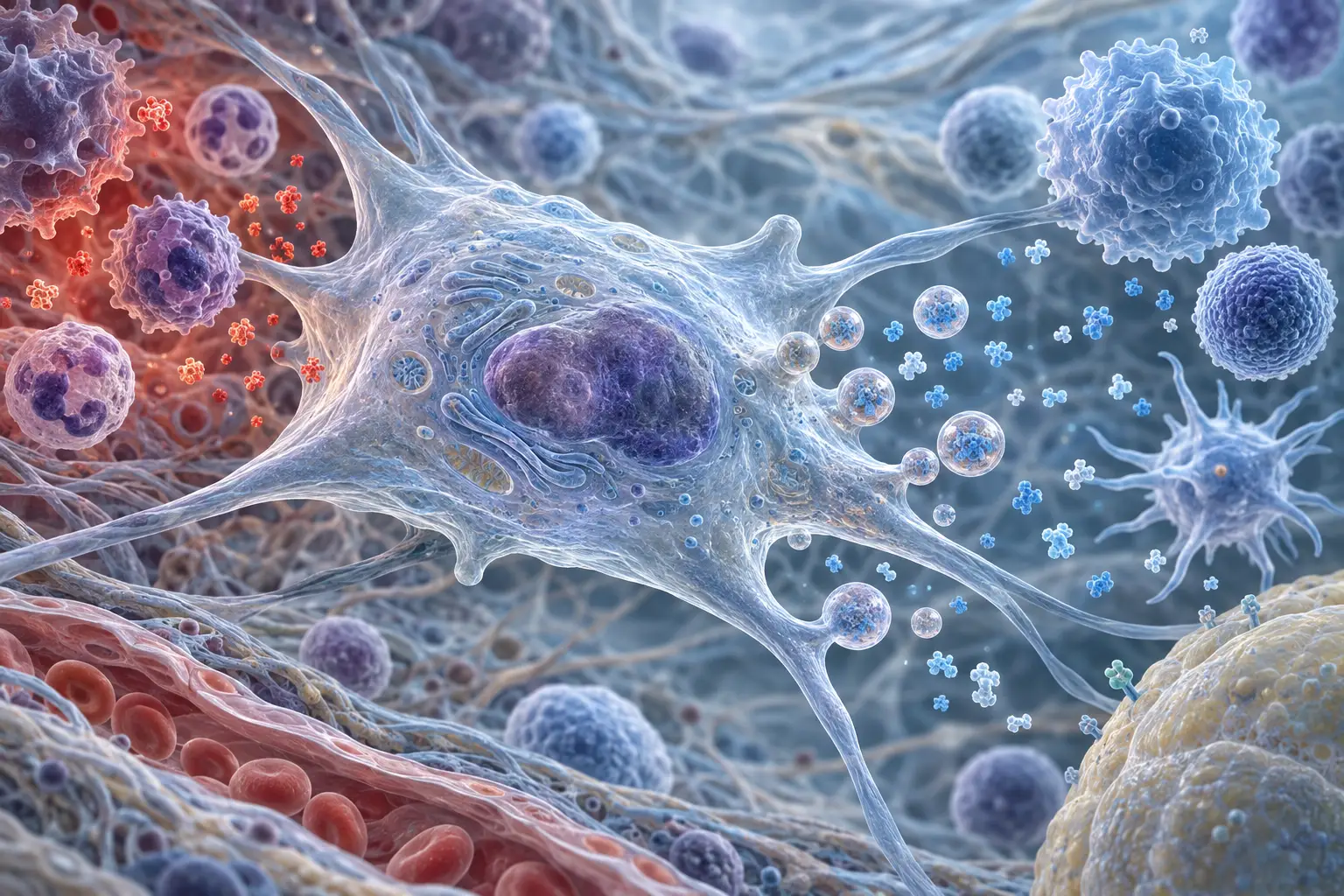
Researchers are studying mesenchymal stem cells, or MSCs, for their ability to calm inflammation rather than just replace tissue. Unlike drugs that target a single receptor, MSCs act on multiple cell types simultaneously. This includes the immune cells that drive chronic inflammation.
Early research points to a broad benefit. MSCs may help conditions rooted in immune dysfunction, including insulin resistance. Much of the effect comes from paracrine signaling.
In other words, MSCs release exosomes and growth factors into nearby tissue rather than becoming new tissue themselves. This signaling appears to be where most of the calming benefit comes from.
MSCs also carry a low risk of immune rejection. This makes them a relatively safe starting point for this kind of cell based research. Even so, safety still depends heavily on proper screening and sourcing.
Calming an Overactive Immune Response
MSCs release proteins that shift immune cells away from a constant state of attack. As a result, fewer inflammation signals circulate through fat, liver, and muscle tissue. This shift may help restore how these cells function when insulin binds to their receptors.
Reducing inflammation this way does not happen overnight. Most published studies measure changes in inflammation markers, such as CRP, over several weeks after a single infusion. Cyrona Cell’s own protocol draws on the same exosome science described in its exosome stem cell therapy program.
Supporting the Liver and Pancreas
The liver and pancreas both suffer when inflammation and insulin resistance persist. Excess fat inside liver cells worsens glucose metabolism. Meanwhile, chronic stress on the pancreas can wear down insulin producing cells over time.
MSCs appear to support both organs indirectly. In small studies, patients who received MSC infusions showed modest gains in insulin production. Some also showed better pancreatic beta cells function and improved liver enzyme readings.

What Do the Clinical Trials Actually Show?
Most human trials of stem cells and insulin resistance are still small and in the early stages. In 2022, researchers conducted a randomized, placebo-controlled trial in Beijing to test umbilical cord MSC infusions. This trial studied adults with type 2 diabetes mellitus and measured changes in insulin resistance itself, not just blood sugar.
Overall, the results were encouraging but modest. Patients receiving MSCs showed measurable improvements in insulin sensitivity compared with placebo, along with better overall markers of glucose metabolism. However, HbA1c levels did not change dramatically, and no patient stopped their diabetes medication entirely.
Sample sizes in this field also remain small, often fewer than one hundred patients per trial. So, treat these results as promising signals, not settled proof, until larger trials confirm them.
| Mechanism | What It Targets | Reported Effect |
|---|---|---|
| Immune modulation | Overactive immune cells and inflammation signals | Lower CRP and inflammation markers in small studies |
| Pancreatic support | Insulin producing cells under chronic stress | Modest gains in C-peptide and insulin production |
| Liver and metabolic support | Fat buildup and glucose metabolism in the liver | Improved liver enzyme readings in early trials |
| Insulin signaling | Insulin resistance at the cellular level | Better insulin sensitivity scores versus placebo |
Notice that these four mechanisms rarely act alone. Calming the immune system, for instance, likely supports the pancreas and liver simultaneously. After all, these organs sit inside the same inflammation loop.
For this reason, researchers now study insulin resistance and inflammation together, rather than as separate problems.
These findings help set realistic expectations before treatment. Cyrona Cell’s breakdown of stem cell therapy success rates in 2026 explains what the current data supports.
At Cyrona Cell, physicians first review each patient’s HbA1c and insulin resistance markers. They also assess overall health before recommending any cell based option. This treatment for type 2 diabetes mellitus works as a complement to medical care, not a replacement for it.

What Makes Cyrona Cell’s Approach Different
Every clinic offering MSC therapy sources its cells differently, and that choice affects both safety and consistency. Cyrona Cell uses umbilical cord derived mesenchymal stem cells, known as WJMSCs. This differs from clinics that use bone marrow or fat derived cells instead.
Cyrona Cell processes these cells under BSL2 and CGMP conditions, then screens them to ISO 9001 quality standards before release. Consistent sourcing matters, since inflammation responses can vary between MSC batches from different donors.
Cyrona Cell does not use embryonic or experimental pluripotent stem cells. Instead, physicians present this therapy as a complement to standard diabetes care, never as a replacement for it.
Patients typically complete an intake review and share recent bloodwork, including HbA1c, before receiving a written treatment plan. Only after that review does any infusion take place.
Follow-up bloodwork usually continues for several months. This lets physicians track inflammation markers and blood sugar trends together.
Furthermore, Cyrona Cell shares results directly with each patient rather than summarizing them only in a success story. Both local Malaysian patients and international patients traveling for care follow this same review process.

Lifestyle Still Shapes the Outcome
Stem cell therapy does not replace diet and exercise, and no responsible clinic claims otherwise. Physical activity increases the efficiency with which muscle cells absorb glucose, independent of insulin levels. This effect alone can meaningfully improve insulin resistance within a few weeks.
Chronic stress also raises cortisol, a hormone that can worsen both inflammation and insulin resistance over time. For this reason, sleep and stress management belong alongside diet and exercise, not as an afterthought.
Patients who combine stem cell therapy with lifestyle changes often see better outcomes, particularly when they:
- Keep up moderate physical activity most days of the week
- Reduce ultra-processed foods that spike blood glucose levels quickly
- Prioritize sleep, since poor sleep worsens insulin sensitivity
- Track weight and waist circumference as simple markers of visceral fat
None of these steps require a lab test to start. Still, working with a physician helps track real progress instead of guessing. For instance, some patients start light walking within days of an infusion, once their physician confirms it is safe.
Frequently Asked Questions About Inflammation, Insulin Resistance, and Stem Cells
Can stem cells cure inflammation?
No single treatment cures inflammation, and stem cell therapy is no exception. Instead, mesenchymal stem cells appear to calm an overactive immune response.
This may support reducing inflammation in tissues affected by insulin resistance. Most researchers describe this as modulation, not a cure, and reputable clinics should do the same.
How can someone reduce insulin resistance and inflammation naturally?
Diet, sleep, and physical activity remain the most proven ways to reduce inflammation and insulin resistance. Losing even five to ten percent of body weight often improves insulin sensitivity measurably.
Regular movement, more fiber, and consistent sleep all reduce the inflammation load on fat and liver tissue over time. For example, a short walk after a meal can measurably blunt the blood sugar spike that follows.
Did China reverse diabetes with stem cells?
In 2026, Chinese researchers reported a single case involving lab-grown, insulin-producing cells. The patient, who had type 2 diabetes, no longer needed insulin afterward.
This differs from the umbilical cord-derived MSC approach used to treat insulin resistance. That method calms inflammation rather than transplanting new islet cells. The case is promising, but it is based on a single report, not a proven or widely available treatment.
Who is a good candidate for stem cell therapy for insulin resistance?
Good candidates typically have confirmed insulin resistance or early type 2 diabetes, alongside stable overall health. A physician usually reviews HbA1c, kidney function, and current medications first.
Cyrona Cell’s team also checks whether the cell types used in therapy fit each patient’s medical history. Only then does treatment move forward. In addition, most clinics prefer several weeks of stable blood sugar readings before scheduling an infusion.
Do inflammation and insulin resistance appear in your own lab results? See how Cyrona Cell evaluates candidacy for stem cell therapy for type 2 diabetes.

Ask About Stem Cell Therapy for Insulin Resistance
If inflammation and insulin resistance appear in your latest blood work, a short conversation can clarify your options. Message Cyrona Cell on WhatsApp or send recent labs by email.
The team will then explain what a personalized review involves. +60 18-222 0032 | info@cyronacell.com