Key Takeaways
- Stem cell treatment for ulcerative colitis targets the immune dysfunction at the root of the disease, not just the symptoms in the colon and rectum.
- Mesenchymal stem cells MSCs reduce harmful immune responses, expand regulatory T cells, and release growth factors that support mucosal healing and tissue regeneration.
- Clinical trials and clinical studies report meaningful drops in disease activity, confirmed mucosal healing, and a favourable side effects profile compared to long-term biologic use.
- The repair process involves rebuilding the intestinal epithelial layer and restoring the mucosal barrier, which breaks the cycle of recurring flares in the gastrointestinal tract.
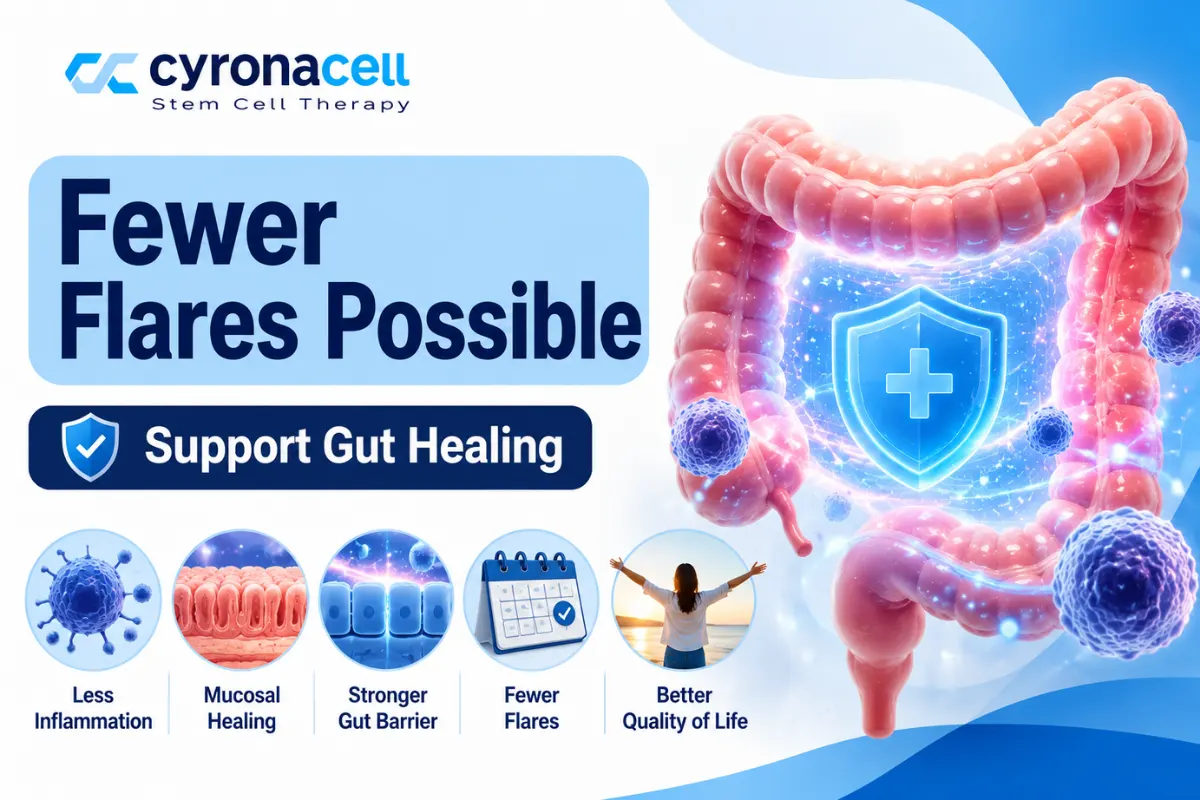
- Cyrona uses wjMSCs as a stem cell based therapy for UC patients who have not achieved good disease control with standard treatment options.
Estimated read: 18 min
Ulcerative colitis UC is one of the most difficult conditions to control with standard care. Medications manage symptoms but rarely achieve full mucosal healing. Many patients cycle through remission and relapse for years. They never fully break the pattern. Stem cell treatment for ulcerative colitis takes a different path. It targets the immune system dysfunction that drives UC at the cellular level. This article explains how the treatment works and what the repair process looks like. It also covers what clinical trials show about mucosal healing and fewer flares.

What ulcerative colitis is and why it is hard to treat
Ulcerative colitis is a chronic inflammatory disease. It affects the inner lining of the colon and rectum. The immune system attacks this lining in waves. Each attack causes ulcers, bleeding, and damage to the mucosal layer that protects the colon wall. Over time, the colon lining becomes increasingly fragile and difficult to heal.
The disease follows a relapsing pattern. Patients have periods of active disease, called flares, followed by periods of remission. During a flare, symptoms include loose stools with blood or mucus, abdominal cramps, urgency, and fatigue. These symptoms can be severe enough to affect daily life, work, and relationships. Between flares, the lining may appear to recover on endoscopy. However, incomplete mucosal healing leaves patients vulnerable to the next flare.
What makes UC hard to treat is its immune origin. The immune system is not responding to an infection. It is attacking the body’s own colon tissue. Suppressing the immune response with drugs reduces inflammation. But it does not fix the underlying imbalance. And it carries risks with long-term use, including infection risk and bone density loss.
The difference between UC and Crohn’s disease
Both ulcerative colitis UC and Crohn’s disease are forms of inflammatory bowel disease IBD. However, they are different conditions that require different treatment approaches.
UC is confined to the colon and rectum. The inflammation is continuous and affects only the inner lining. Crohn’s disease can affect any part of the gastrointestinal tract, from the mouth to the anus. It causes patchy inflammation and goes through the full thickness of the gut wall.
This distinction matters for stem cell treatment. UC stays in the colon and rectum. The inflammation does not spread to other parts of the gut. This means the immune cells driving it are more localised. MSC-based stem cell based therapy can address this localised immune imbalance well. This is one reason clinical studies in UC show consistent results.
Why standard treatments fall short
The standard treatment options for UC include aminosalicylates, steroids, immunosuppressants, and biologics. Each of these works by suppressing or redirecting specific parts of the immune response. They reduce inflammation during flares. They can extend remission. But they have clear limitations.
First, none of them repair the damaged mucosal lining directly. They reduce the immune attack. They do not stimulate the repair process. Second, many patients stop responding to biologics over time. The immune system adapts, and the drug loses effectiveness. Third, long-term use of steroids and immunosuppressants carries a real side effects burden. Patients face a choice between ongoing disease activity and the risks of sustained immune suppression.
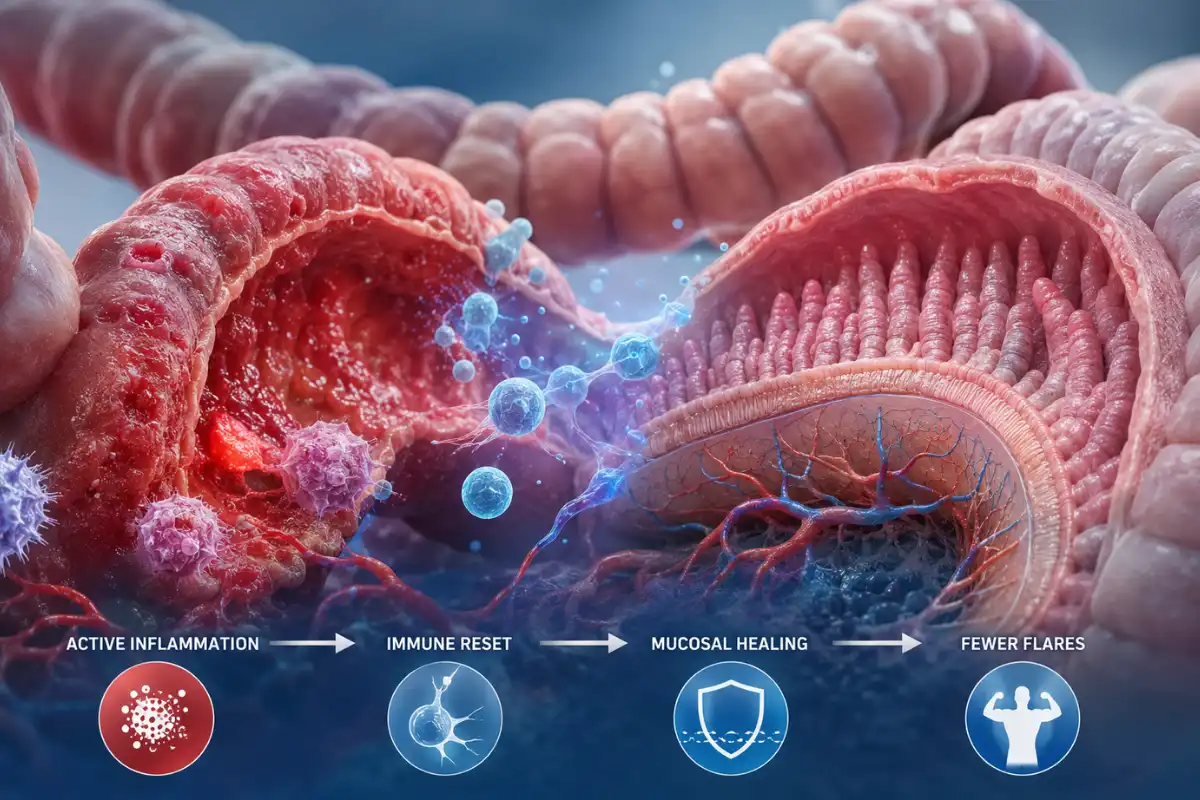
This gap is where stem cell treatment for ulcerative colitis has a role. It does not just suppress the immune system. It resets it. And it actively supports the repair process, helping to repair damaged tissues that standard drugs cannot restore.
How stem cell treatment for ulcerative colitis works
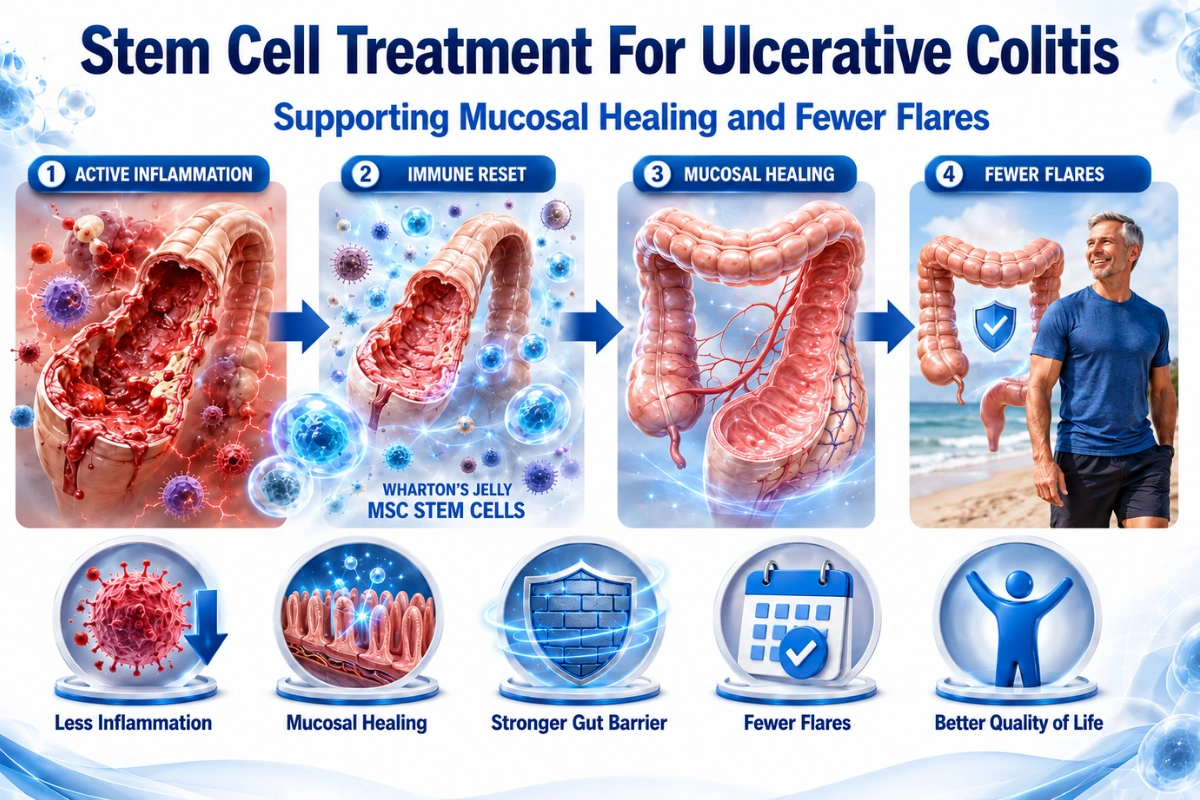
Stem cell treatment for ulcerative colitis works on two levels at once. It changes how the immune system behaves. And it provides the signals the colon lining needs to repair itself. These two effects happen at the same time. This is why outcomes in UC differ from what standard immune suppression alone can achieve.
The treatment involves introducing mesenchymal stem cells MSCs into the body, typically through an IV infusion. The cells circulate through the bloodstream. They detect the chemical signals released by inflamed tissue in the gastrointestinal tract. They migrate toward the inflammation. Once there, they do not need to take root permanently. Their main action is paracrine: they release molecules that change the behaviour of surrounding cells.
The role of mesenchymal stem cells MSCs
Mesenchymal stem cells MSCs are not embryonic. They come from adult tissue. Cyrona uses wjMSCs derived from Wharton’s jelly, the tissue found inside the umbilical cord donated after birth. This source gives a consistent supply of young, active cells with strong anti-inflammatory and repair-supporting properties.
Once MSCs reach areas of active inflammation in the colon and rectum, they act on multiple immune cell types. They do this at once, not one at a time. They suppress the T helper cells that drive the immune attack. Pro-inflammatory cytokines including TNF-alpha, IL-6, and IL-17 drop. Regulatory T cells, which act as natural brakes on immune responses, grow in number. And they release growth factors that support tissue regeneration in the damaged mucosal layer.
This combined action is different from what any single biologic can do. A biologic blocks one cytokine or one receptor. MSCs act across the whole immune state at once. This breadth is an advantage. It gives them a broader and often more lasting treatment effect.
Regulating immune responses and regulatory T cells
In UC, the balance between aggressive and regulatory immune cells is broken. Pro-inflammatory T cells dominate. Regulatory T cells, which normally limit immune responses once a threat has passed, are underactive. The immune system keeps attacking the colon wall. There is nothing to fight, but it keeps going anyway.
MSCs directly address this imbalance. They expand the numbers of regulatory T cells by releasing molecules including TGF-beta, IL-10, and PGE2. These signals tell the immune system to calm down. They restore control. Regulatory T cells then circulate. They prevent further immune attacks on the colon tissue.
This regulatory shift is a core reason for the long-term benefits seen in clinical trials. When regulatory T cells are active, immune responses stay controlled. Flares become less common. The colon gets more time to heal. Less immune interference means more healing time between episodes. Reduced immune activity also means the mucosal repair process can proceed. It is no longer constantly interrupted by new attacks.
The 2022 PMC review (PMC9368934) on MSC therapy in inflammatory bowel disease IBD confirms this regulatory T cell expansion as a core mechanism. It also notes that the expansion correlates with clinical improvements in disease activity scores.
| Treatment Mechanism | What Happens in UC | How MSCs May Help |
|---|---|---|
| Immune Regulation | The immune system attacks the colon and rectum lining | Helps calm harmful immune activity |
| Regulatory T Cell Support | Protective immune control is underactive | May expand regulatory T cells that limit inflammation |
| Cytokine Reduction | TNF-alpha, IL-6, and IL-17 can drive inflammation | May reduce pro-inflammatory cytokine activity |
| Mucosal Repair | The colon lining becomes damaged and fragile | Growth factors may support mucosal healing |
| Barrier Restoration | The intestinal barrier becomes weak and leaky | May help restore tight junctions and reduce immune triggers |
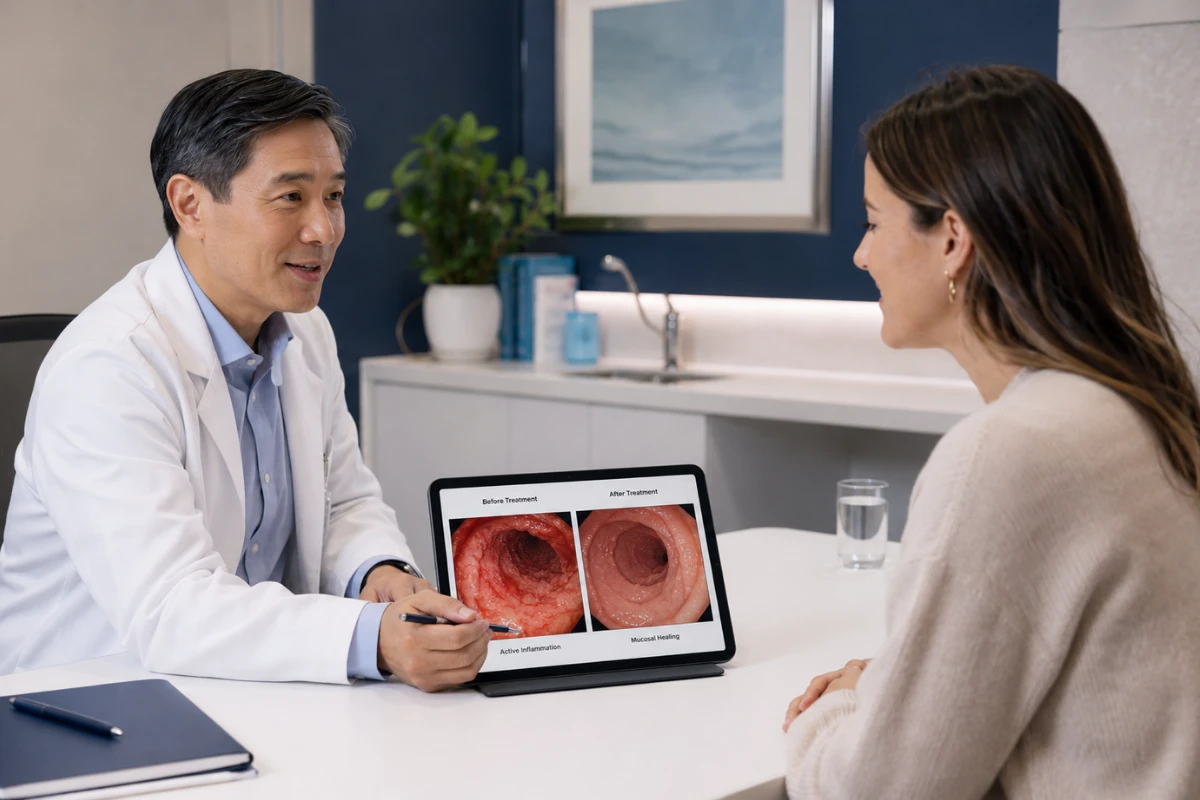
Mucosal healing: the gold standard outcome in UC
Mucosal healing has become the primary treatment goal in UC management. Symptom relief is not enough on its own. Patients who achieve full mucosal healing have lower rates of relapse, hospital stay, and surgery. They require less long-term medication. And their risk of colon cancer, which rises with years of active inflammation, is lower.
However, mucosal healing is hard to achieve with standard treatment options. Biologics can reduce symptoms greatly. Confirmed mucosal healing on endoscopy is less common. This is especially true in patients with moderate to severe UC disease activity. This gap between symptom control and mucosal healing is one reason many patients stay on medication long-term. They never reach a stable, healed state.
How the repair process rebuilds the colon and rectum
Stem cell treatment supports mucosal healing through the repair process. Standard treatment options do not do this. MSCs release growth factors that directly stimulate the cells lining the colon and rectum. These intestinal gut lining cells normally turn over rapidly. In active UC, the turnover is overwhelmed by ongoing damage. MSC signals help restore the balance between damage and repair.
The growth factors involved include HGF. It drives the growth of gut lining cells across damaged areas. Vascular endothelial growth factor supports new blood vessel formation, bringing oxygen and nutrients to healing tissue. Epidermal growth factor also stimulates new gut tissue growth. Together, these signals create the right conditions. The colon and rectum can then rebuild the mucosal layer from within.
MSCs also support mucin production. Mucin forms the protective mucus layer over the gut surface. Restoring this mucus layer reduces contact between gut bacteria and the colon wall. This lowers the immune trigger that starts each new round of inflammation. So mucosal healing through stem cell treatment does two things. It repairs the surface damage. It also removes the trigger that keeps inflammation going.
Tissue repair at the gut lining level
Tissue regeneration in UC involves more than surface-level repair. The intestinal gut barrier is a single layer of tightly connected cells. In healthy gut, this barrier keeps bacteria and digestive contents separate from the immune tissue beneath. In UC, the tight junctions between these cells loosen. Bacteria cross through and trigger immune responses. More inflammation damages more junctions. The cycle reinforces itself.
MSC therapy addresses tissue repair at this physical level. The growth factors released by MSCs help rebuild the tight junctions between gut lining cells. This restores the barrier function that prevents bacterial crossing. Once the barrier is more intact, immune responses to bacterial crossing drop. The colon gets a chance to heal without constant re-firing.
In lab studies, MSC extracts restored gut barrier integrity in gut cell lab models. The barrier had been deliberately disrupted first. This confirms the tissue regeneration signal is real and direct. It is not just a side effect of reduced inflammation. Stem cell treatment addresses both the inflammation and the structural repair at the same time.
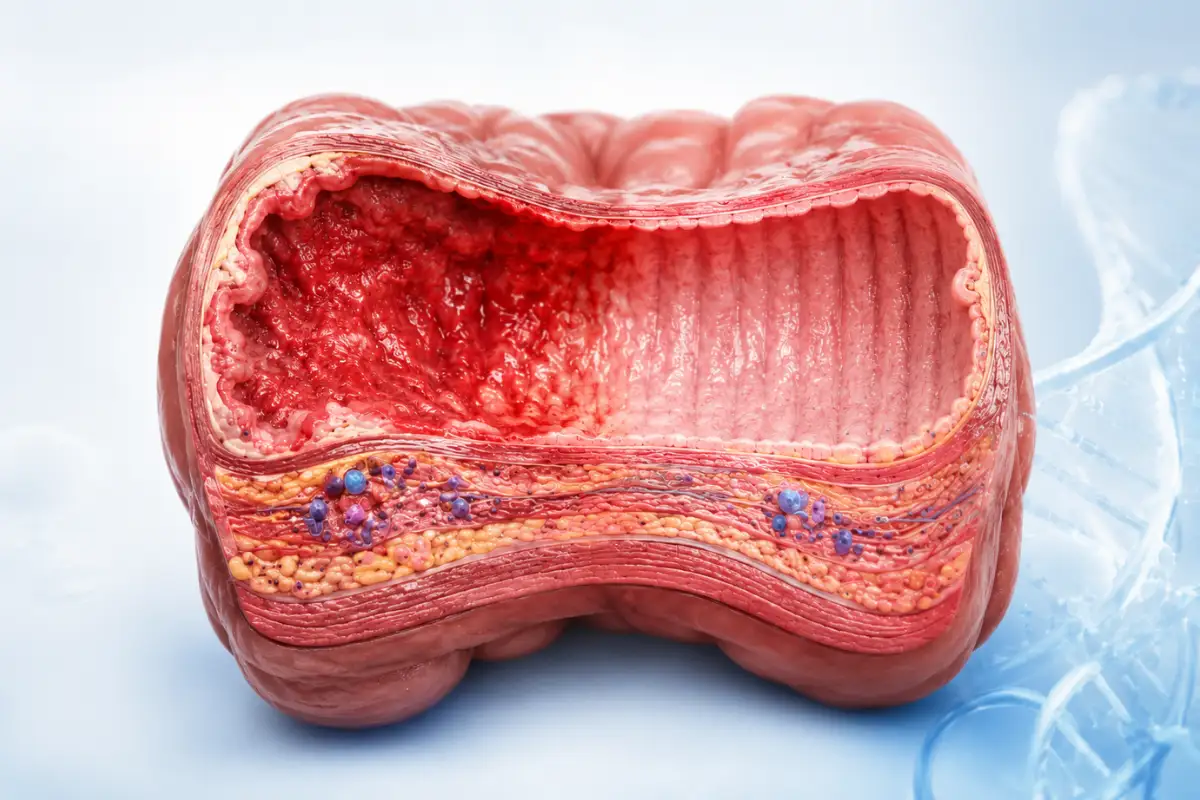
Fewer flares: reducing disease activity over time
Reducing how often UC flares occur is one of the most real outcomes a patient can achieve. A flare is not just uncomfortable. It causes fresh damage to the colon lining. A course of steroids is often needed, with their own side effects. Long-term colon complications become more likely over time. And it affects work, relationships, and mental health.
Stem cell based therapy reduces disease activity through the two mechanisms described above. The regulatory shift in immune responses makes the conditions that trigger a flare less likely. Better mucosal healing means the gut barrier is stronger. Fewer bacteria cross. Fewer immune responses fire. The two effects work together and compound over time.
Growth factors and the gastrointestinal tract
The growth factors released by MSCs do more than repair the colon and rectum. They also support the broader health of the gastrointestinal tract. New blood vessels form in damaged areas. This restores blood flow to tissue that was poorly supplied during active disease. Improved blood flow brings nutrients and immune cells that support natural healing.
MSCs also influence the gut microbiome indirectly. As inflammation drops, the environment in the colon becomes friendlier for beneficial bacteria. Some clinical studies have noted shifts in microbiome balance after MSC treatment, with good strains becoming more common. A healthier microbiome reduces the bacterial signals that can fire off immune responses. This creates extra protection against flares.
Here is what this looks like in practice. Within the first two to four weeks, the body starts to calm down. Urgency drops. Stool becomes more settled. These are early signs the immune shift has begun. They are not the full picture, but they are a real signal that the treatment is working.
Patients at Cyrona often report early changes in stool consistency and urgency within two to four weeks of treatment. These early improvements reflect the anti-inflammatory mechanism beginning to work. Deeper mucosal healing builds over three to six months, confirmed by scope check where relevant. Full assessment of disease activity and flare frequency is typically reviewed at six and twelve months after treatment.
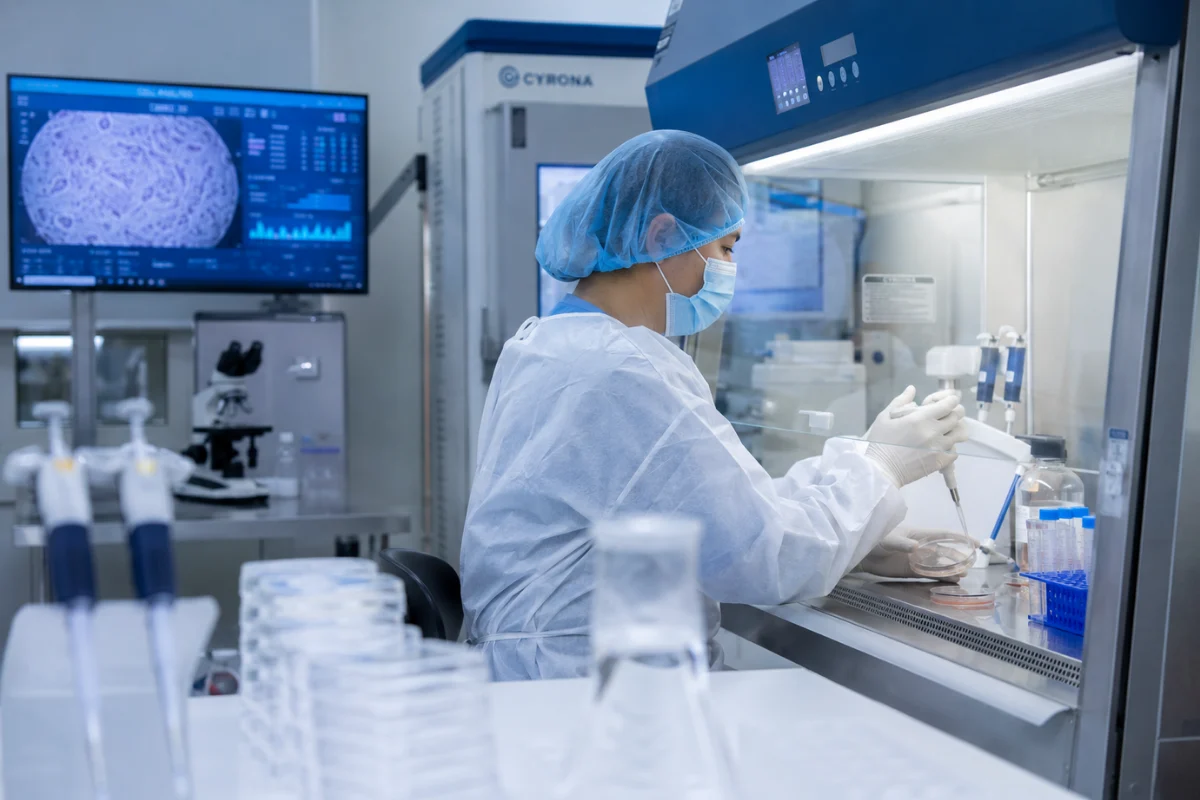
What clinical trials and clinical studies show
The evidence base for stem cell based therapy in ulcerative colitis UC has grown steadily. Multiple clinical trials and clinical studies now document safety, response rates, and the how long outcomes. The results are not the same across all studies. But certain patterns appear reliably.
Response rates and disease activity scores
In phase I and phase II clinical trials of MSC therapy for UC, response rates range from 60 to 75 percent. Remission rates at three months range from 25 to 50 percent. These figures vary by disease severity and treatment history. These figures are meaningful, especially in populations that include patients who have failed at least one prior treatment option.
Disease activity in these trials is measured using standard scoring systems. The Mayo Score and the Simple Clinical Colitis Activity Index are the main ones. Patients who respond to MSC treatment show reductions in these scores that track with clinical improvements. Inflammatory markers including CRP and ESR drop. Pro-inflammatory cytokines including TNF-alpha and IL-6 decrease. Regulatory T cell numbers go up.
A 2023 review (PMC10199681) examining MSC therapy across inflammatory bowel disease conditions found that the immune regulatory mechanism is consistent across trials, regardless of the specific MSC source or delivery route used. This supports the view that the treatment effect is a property of MSCs in general. It is not just a feature of one specific product.
Follow-up data from multiple trials shows patients who respond keep their improvement at twelve months. Some studies show stable outcomes at eighteen to twenty-four months. This suggests the regulatory T cell expansion and mucosal repair can be lasting. It is not just a short-term drop in inflammation.
Safety and side effects profile
The side effects profile of MSC therapy in UC is one of its clearest advantages. It compares well to long-term standard immune suppression. The most often reported side effects in clinical trials are mild and temporary. They include low-grade fever or mild infusion-related discomfort that resolves within hours. Temporary changes in bowel habit during the first few weeks after treatment are also reported.
Serious adverse events are uncommon. Published clinical studies report no real increase in infection risk. No cases of malignancy linked to MSC treatment. No real organ toxicity either. This compares well with the known risks of long-term biologic treatment, which include serious infection, reactivation of dormant TB, and rare serious immune reactions.
MSCs do not carry the bone density loss associated with long-term steroids. They do not require continuous delivery to maintain their effect, unlike daily aminosalicylates or monthly biologic infusions. For patients who have experienced unacceptable side effects from standard treatment, the side effects profile of MSC therapy is a real factor to weigh alongside its clinical benefits.
| Clinical Outcome | What Studies Report | Why It Matters for UC Patients |
|---|---|---|
| Disease Activity Reduction | Lower Mayo Score and clinical activity scores in responders | Suggests fewer symptoms and better disease control |
| Response Rate | Reported response rates of about 60–75% in some studies | Shows many patients may experience meaningful improvement |
| Remission Rate | Reported remission rates of about 25–50% at three months | Indicates potential for deeper disease control beyond symptom relief |
| Mucosal Healing | Endoscopic healing reported in a share of responders | May reduce relapse risk and long-term complications |
| Inflammatory Markers | CRP, ESR, TNF-alpha, and IL-6 may decrease | Shows reduced inflammatory burden |
| Safety Profile | Most reported side effects are mild and temporary | Important for patients concerned about long-term medication risks |

Stem cell based therapy and inflammatory bowel disease IBD
Ulcerative colitis UC is one of the two main forms of inflammatory bowel disease IBD. The immune mechanisms that MSC therapy targets are shared across both UC and Crohn’s disease, even though the conditions differ in location and depth of inflammation. This is why MSC-based stem cell based therapy is being studied across the broader IBD category.
Where stem cell treatment fits among other treatment options
Think of it this way. If your first-line medication works well, you stay on it. If it stops working, or if the side effects become too much, you need something else. Stem cell based therapy is that something else for many UC patients. It does not replace the steps before it. It builds on them.
Within the spectrum of IBD treatment options, stem cell based therapy sits alongside biologics and immunosuppressants as an advanced option for patients with moderate to severe disease. It is often used for patients who have not responded well to at least one prior therapy, or for those who have had to stop treatment because of side effects.
It is not a first-line treatment. Patients with mild UC that is well controlled on aminosalicylates are not the target group. But for the real proportion of UC patients who cycle through treatment options without achieving sustained mucosal healing, stem cell treatment offers a genuinely different mechanism of action.
Stem cell treatment does not replace standard care. It works alongside it. Many patients who receive MSC therapy are still taking background medication at the time of treatment. The goal is often to reduce disease activity enough that medication doses can be lowered over time, not to stop treatment suddenly. Cyrona’s clinical team reviews each patient’s full treatment history before making any recommendation.
Read more about Cyrona’s UC stem cell treatment programme, or see how the approach fits with biologic and steroid use in the article on stem cell therapy for IBD with biologics and steroids.
Who responds best to stem cell treatment for UC?
The profile of a good candidate
Patient selection is one of the strongest predictors of outcome in MSC therapy for ulcerative colitis UC. Not every patient with UC will benefit equally. The treatment is not for everyone. The patients who tend to respond best share certain characteristics.
They have active UC with ongoing disease activity despite standard therapy. Their disease activity is still being driven partly by inflammation, not entirely by permanent physical damage. They have tried and not responded well to at least one standard treatment option, such as aminosalicylates, steroids, or a biologic. Their general health is stable enough for the assessment and treatment process. And they have realistic expectations about what the treatment can and cannot achieve.
Those with very advanced, long-standing physical damage to the colon and rectum may respond less to tissue repair signals. The repair capacity of remaining gut lining cells is limited. Patients with very mild UC controlled on current medication are not usually the target group. Anyone in the middle of a severe acute flare is usually stabilised first, then considered for MSC therapy.
The clinical assessment before treatment
If you are reading this and wondering whether MSC therapy is right for you, the short answer is: it depends on where your disease is right now. Not on your age. Not on how long you have had UC. It depends on whether your disease is still active and driven by inflammation that MSC therapy can address. The clinical review answers that question.
A thorough clinical assessment is required for every patient before any treatment recommendation is made. This covers disease severity, current medicines, inflammation markers, scope results, and treatment history. The assessment confirms who is suitable. It also sets realistic expectations for what stem cell treatment can achieve.
To start the process, visit Cyrona’s start application page. For the full clinical protocol, visit how it works.
Frequently asked questions
How much does a shot of stem cells cost?
The cost of stem cell treatment varies by clinic, cell source, treatment protocol, and the number of cycles required. Cyrona provides individual cost assessments after the clinical review, because the appropriate protocol differs by patient. Factors that influence cost include disease severity, the number of infusion sessions, and any extra monitoring required. To get a cost assessment relevant to your situation, begin with a consultation through the start application page.
How do you heal the mucosal lining of the colon?
Mucosal healing in UC is about two things at once. The immune attack needs to stop. And the gut wall needs to repair itself. Standard treatments only do the first part. Stem cell treatment does both.
Mucosal healing in UC requires both reducing the immune attack and actively supporting the repair process. Standard treatments reduce inflammation but do not directly drive tissue regeneration. Stem cell treatment for ulcerative colitis does both. MSCs release growth factors that stimulate gut lining cell growth and restore the tight junctions that form the mucosal barrier. Over three to six months, this leads to confirmed mucosal healing on endoscopy in a large share of patients who respond to treatment.
How do you heal an ulcerative colitis flare?
A UC flare is typically managed with steroids to reduce acute inflammation, alongside any existing maintenance therapy. After stability, the goal shifts to preventing the next flare. This is where stem cell based therapy has a role. By rebalancing immune responses and repairing the mucosal barrier, MSC treatment addresses the underlying conditions that make flares recur. Patients who receive MSC therapy after a flare often report fewer and less severe episodes in the months that follow.
Can stem cell treatment replace biologic treatment for UC?
In most cases, stem cell treatment works alongside biologic treatment rather than replacing it outright. Many patients who receive MSC therapy are already on a biologic or immunosuppressant at the time of treatment. The aim is to reduce disease activity enough that medication doses can be reduced over time. Whether to reduce or stop a biologic depends on disease activity, treatment response, and clinical review. Cyrona’s team assesses this on a case-by-case basis during follow-up.
Talk to Cyrona about stem cell treatment for UC
If your ulcerative colitis is not fully controlled, or if you want to understand whether stem cell treatment could support mucosal healing and fewer flares in your case, Cyrona’s clinical team in Cyberjaya, Malaysia is available to assess you.
WhatsApp or call: +6018 222 0032
Email: info@cyronacell.com