Key Takeaways
- A 16-year-old from Coventry no longer needs monthly blood transfusions after doctors edited her own stem cells.
- The edit raises fetal hemoglobin, which helps red blood cells work despite the faulty adult version.
- Her doctor calls the result a functional cure, because the underlying disease does not go away.
- Chemo comes first, and a second teen faces about six months between cell collection and treatment.
- NICE backs the therapy in England with managed access for some thalassemia patients aged 12 and over.
Estimated read: 4 min
A Coventry teenager no longer needs monthly blood transfusions after doctors edited her own cells, the BBC reports. Here is how a teen stops transfusions after gene-edited stem cells. Her doctor calls it a functional cure, but that label has limits.

How a teen stops transfusions after gene-edited stem cells
Vian has thalassemia, but she no longer needs transfusions. Doctors edited her own stem cells, then returned them after chemo in December 2025. The BBC told her story in a report on a teen’s life transformed by gene editing.
She now has energy to do things and studies health and social care. Consultant blood specialist Dr. Sarah Lawson calls the result a “functional cure.” However, she stresses that the disease does not go away.
Another teen, 14-year-old JoelSamuel from Oldbury, is just starting this path. He has sickle cell disease, and doctors recently collected his cells at Birmingham Children’s Hospital. In about six months, he will have chemo before his edited cells return.
How gene editing changes red blood cells
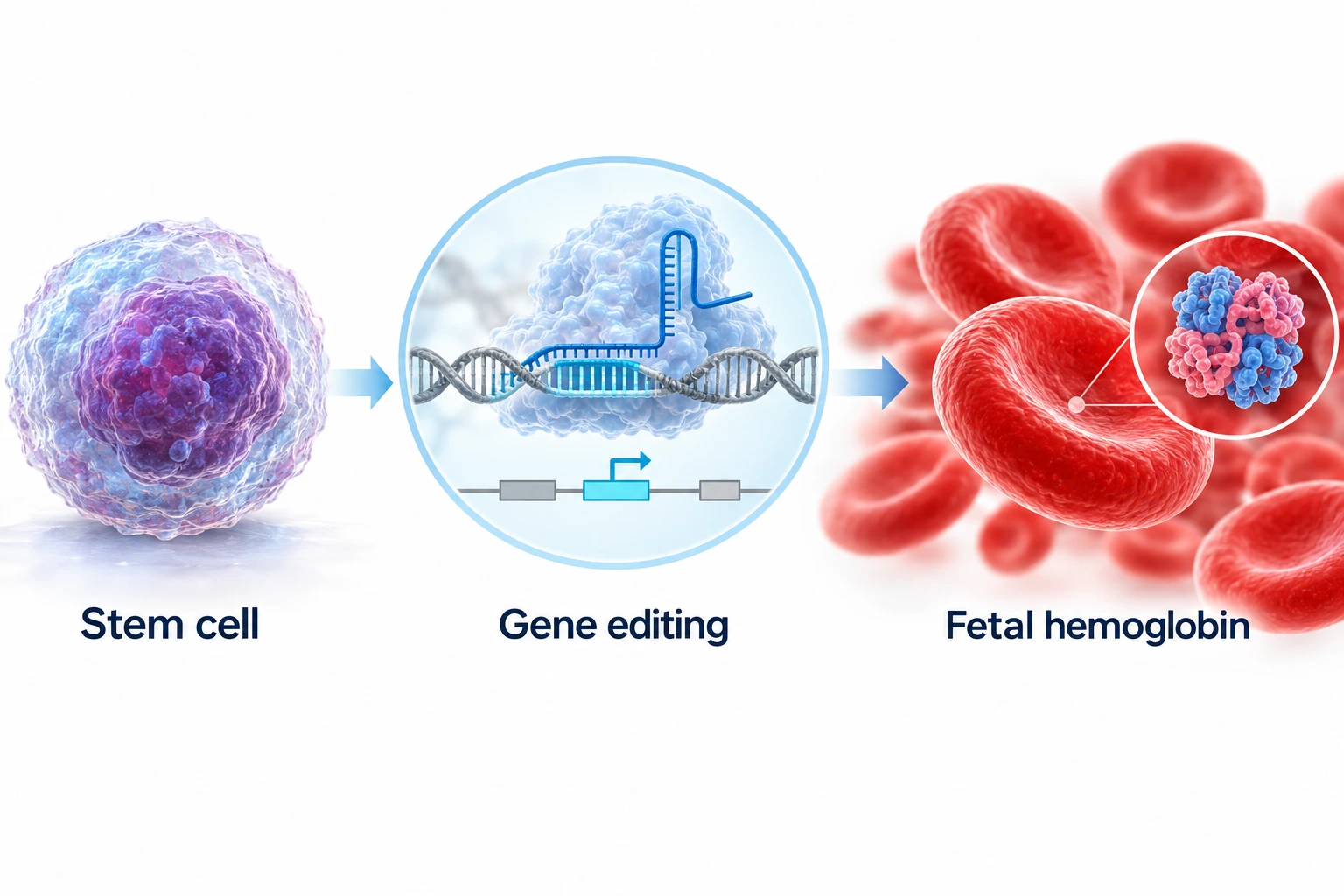
Gene editing switches fetal hemoglobin back on inside stem cells, so new red blood cells carry oxygen more reliably. Dr. Lawson says the edited cells make more fetal, or baby, hemoglobin. In thalassemia, that lets patients stay transfusion-free.
For sickle cell disease, the extra fetal hemoglobin offsets the harmful sickle form. As a result, the blood disorder causes fewer problems, even though the genes behind it remain.
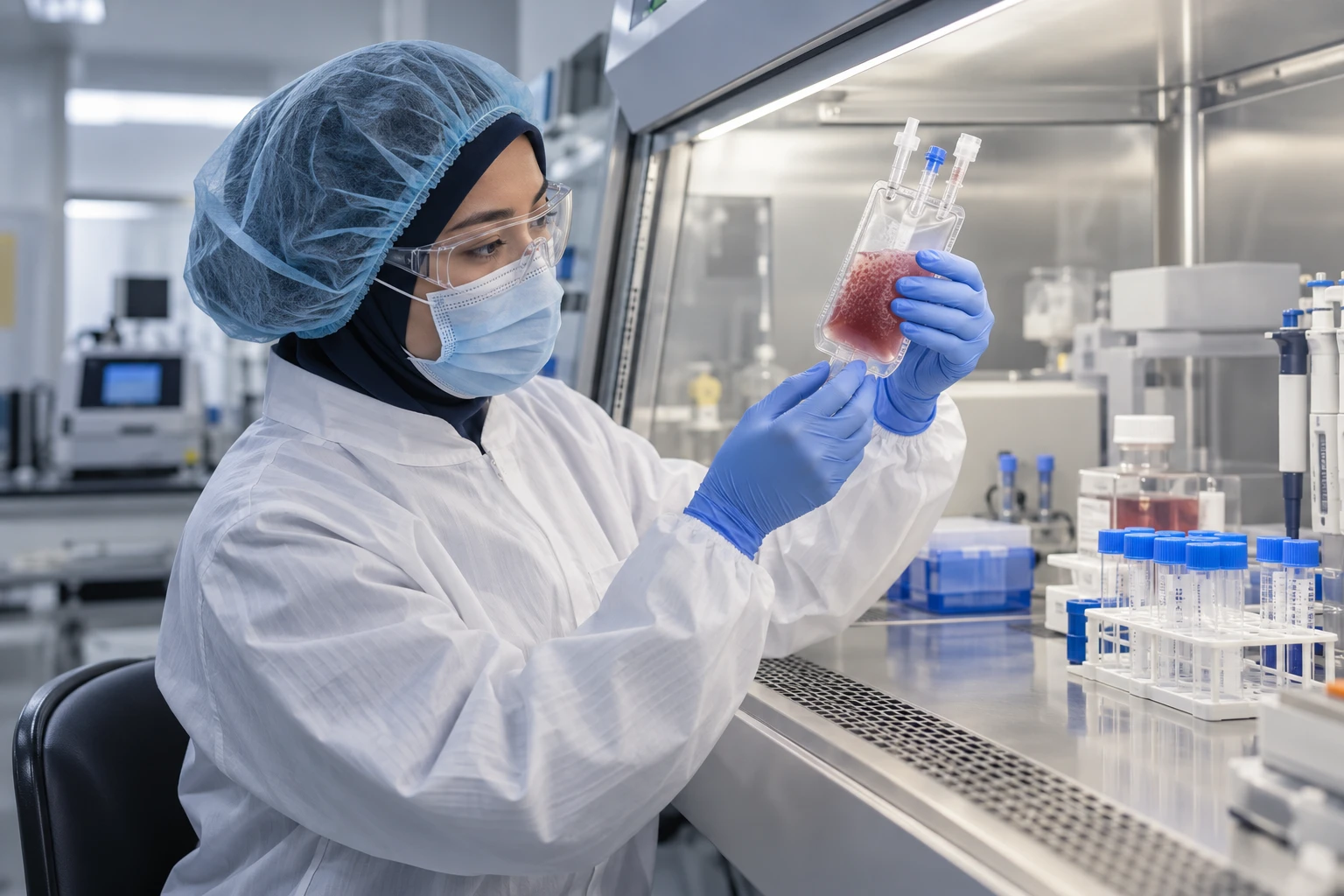
Most of the therapy work happens in a manufacturing laboratory, which edits the collected cells. Cell quality testing matters for any cell product. One Wharton’s jelly stem cell study on why quality testing matters explains the reasoning.
The description fits Casgevy, a CRISPR gene therapy approved in the UK in 2023. However, the BBC does not name the product.
What clinical trials show so far
Early clinical trials show that most patients no longer need transfusions. In a 2024 New England Journal of Medicine study, Frangoul and colleagues treated 52 patients with beta thalassemia. The authors reported that 91% of patients no longer needed transfusions.
Importantly, patients first received chemotherapy, a strong drug treatment that clears the bone marrow. The results therefore describe the full treatment, not editing alone.
NICE reviewed this evidence and noted its limits. The trial followed patients for a relatively short time and never compared the therapy with another treatment. Therefore, NICE guidance on gene therapy for beta thalassemia limits use to managed access until more evidence arrives.
Risks, timing and access in England
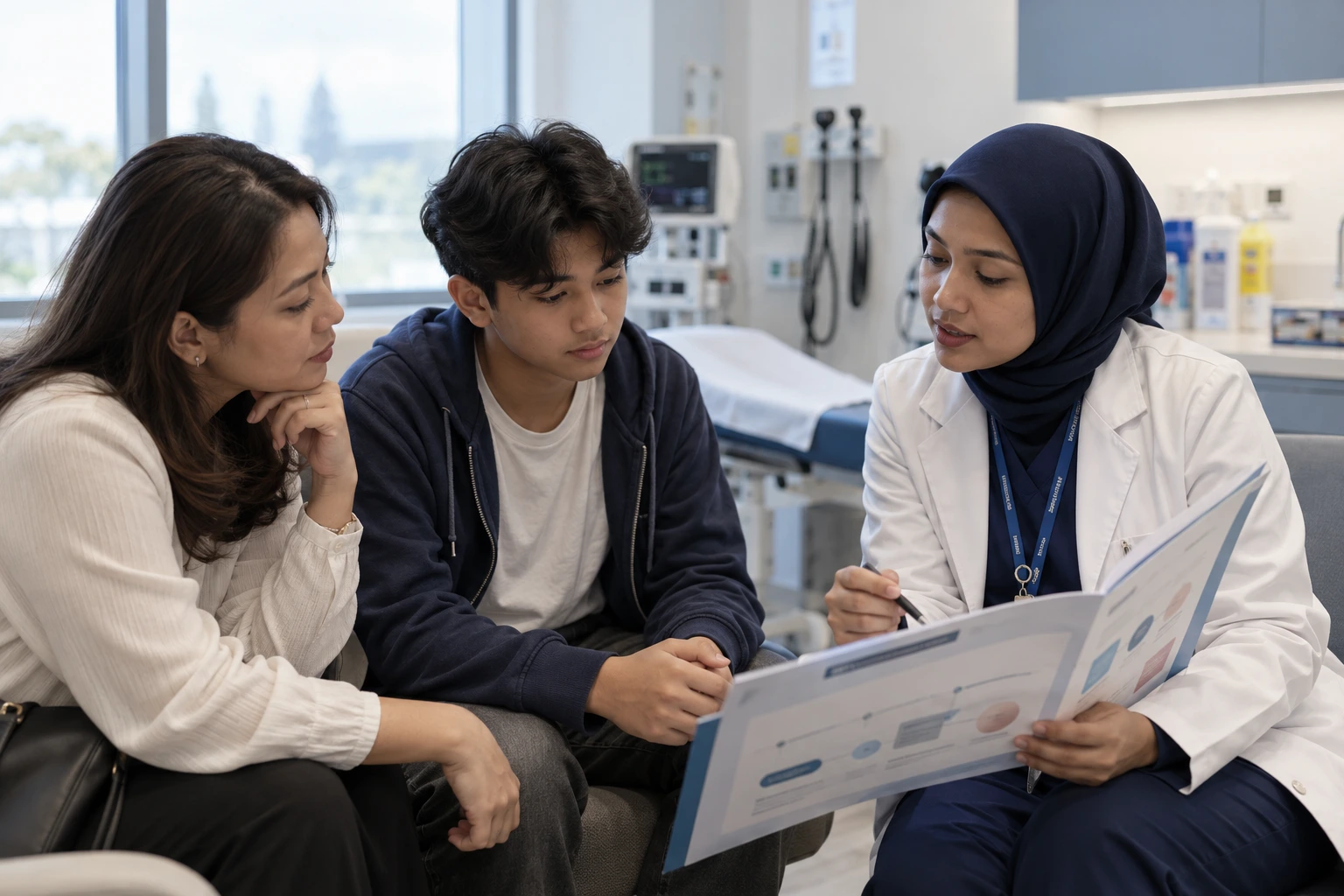
A teen stops transfusions after gene-edited stem cells only after a demanding process. Chemo comes first, so the treatment resembles a stem cell transplant. Doctors weigh the risks of that step with each family.
Timing adds another hurdle. Doctors collected JoelSamuel’s cells recently, yet his chemo will not start for about six months. During that gap, a laboratory will edit his cells.
For thalassemia, NICE recommends managed-access therapy for people aged 12 and over. It applies when a transplant would suit the patient, but no matched related donor is available. According to NICE, the list price of one course of treatment is £1,651,000.
Readers comparing options can also read about paused CAR-T trials and whether all cell therapies are the same. Each product has its own cells, risks, and evidence.

What this means for families weighing gene therapy
The story shows how a teen stops transfusions after gene-edited stem cells. It also demonstrates that the treatment process is lengthy and demanding for patients. Doctors, not news reports, decide who qualifies, so families should ask a specialist team about their own case.
Questions worth asking include timing, chemo risks, and long-term follow-up. For example, families can ask how long doctors will monitor results. Elsewhere, researchers test lab-prepared cells for other conditions, such as stem-cell-derived islets in type 2 diabetes.
FAQ: gene editing for thalassemia and sickle cell disease
Is gene editing a cure for sickle cell disease?
Doctors call it a functional cure, not a full cure. The edited stem cells raise fetal hemoglobin, but the underlying blood disorder remains in the patient’s genes. Dr. Lawson stresses that the disease does not go away.
How long does treatment take?
A teen stops transfusions only months after doctors collect gene-edited stem cells. Next, a laboratory edits them, and chemo follows before the infusion. The BBC reports that JoelSamuel will begin chemo roughly six months after doctors collected his cells.
Who can get this treatment on the NHS?
According to the BBC, three children’s hospitals offer the treatment for thalassemia and sickle cell disease. NICE recommends it with managed access for people aged 12 and over. That applies to transfusion-dependent beta thalassemia when a transplant suits them, but no matched related donor exists.