What Is Anoxic Brain Injury and How Can Stem Cell Therapy Support Recovery?

How stem cells may help repair damaged brain tissue

Quick Read Summary

What Is Anoxic Brain Injury and How Can Stem Cell Therapy Support Recovery?

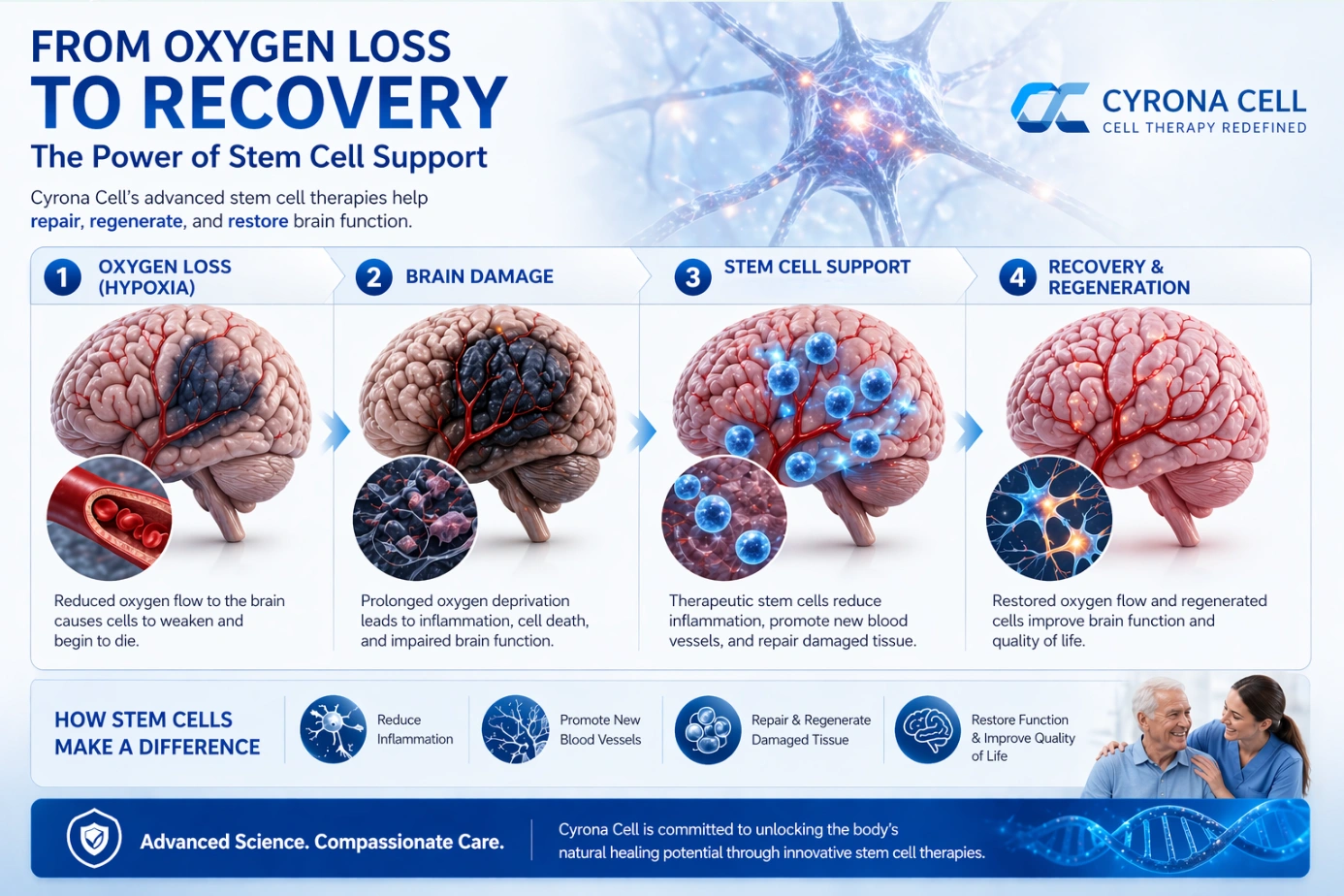
Anoxic brain injury happens when the brain does not receive enough oxygen. As a result, brain cells and blood vessels become damaged. Stem cell therapy, part of regenerative medicine, may support brain repair, improve brain functionality, and promote long term recovery when combined with rehabilitation.

Why Oxygen Loss Damages the Brain

When blood flow stops, brain cells cannot survive without oxygen. Therefore, traumatic brain injury tbi, ischemic stroke, or cardiac arrest can cause serious brain damage. Early treatment helps protect surviving brain tissue and reduce further injury.

How Stem Cell Treatment May Help

  • Supports surviving brain cells
  • Releases growth factors and neurotrophic factors
  • Helps repair damaged brain tissue
  • May improve brain functionality
  • Studied in clinical trials for safety and effectiveness
Estimated read: 5–6 min
Keywords: what is anoxic brain injury and how can stem cell therapy support recovery?, stem cell therapy, traumatic brain injury tbi, ischemic stroke, regenerative medicine, brain repair, damaged brain tissue, growth factors, neurotrophic factors, clinical trials, long term recovery

How stem cells may help repair damaged brain tissue

Anoxic brain injury happens when the brain does not get enough oxygen. This can damage brain cells and blood vessels, leading to problems with memory, thinking, and movement. In this guide, What Is Anoxic Brain Injury and How Can Stem Cell Therapy Support Recovery?, we explain how stem cell treatment may help the brain heal, improve brain function, and support long term recovery. Understanding treatment options, clinical trials, and realistic results helps patients and families make informed decisions.

What Happens in Anoxic Brain Injury

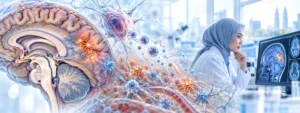
Anoxic brain injury is a type of traumatic brain injury tbi caused by oxygen loss. Common causes include ischemic stroke, heart problems, or head injuries. Without enough oxygen, brain cells and blood vessels get damaged, reducing brain function. Symptoms can range from mild confusion to severe brain damage, depending on how long the brain lacked oxygen.

Early care, supportive therapy, and rehabilitation are very important. Treatment focuses on restoring blood flow, protecting surviving brain cells, and preventing further injury.

What Happens in Anoxic Brain Injury

How Stem Cell Therapy Can Help

Stem cell therapy is part of regenerative medicine. It uses stem cell transplant or stem cell treatment to help repair damaged brain tissue. Researchers study several types of stem cells, including mesenchymal stem cells mscs and neural stem cells. These cells release growth factors and neurotrophic factors that may support surviving brain cells and help the brain heal.

Stem cell therapy may:

  • Support surviving brain cells
  • Reduce inflammation in the brain
  • Help repair blood vessels
  • Improve brain functionality

Stem cell therapy is still being studied in clinical trials. Results can vary depending on the type of injury, its severity, and when the treatment is given.

Types of Stem Cells

Types of Stem Cells

Researchers focus on different types of stem cells for brain repair:

  • Mesenchymal stem cells mscs: Release growth factors to support brain tissue repair.
  • Neural stem cells: Can become new brain cells to replace damaged tissue.
  • Induced pluripotent stem cells: Adult cells changed into a flexible state, studied in clinical trials for anoxic brain injury or ischemic stroke.

Stem cell research continues to explore how these cells can support long term recovery, improve brain function, and repair damaged brain tissue.

What Clinical Trials Show

What Clinical Trials Show

Clinical trials test safety and how well stem cell therapy works. Early results show some patients may have better cognitive function and support for brain repair. However, results are different for each person, and long term effects are still being studied.

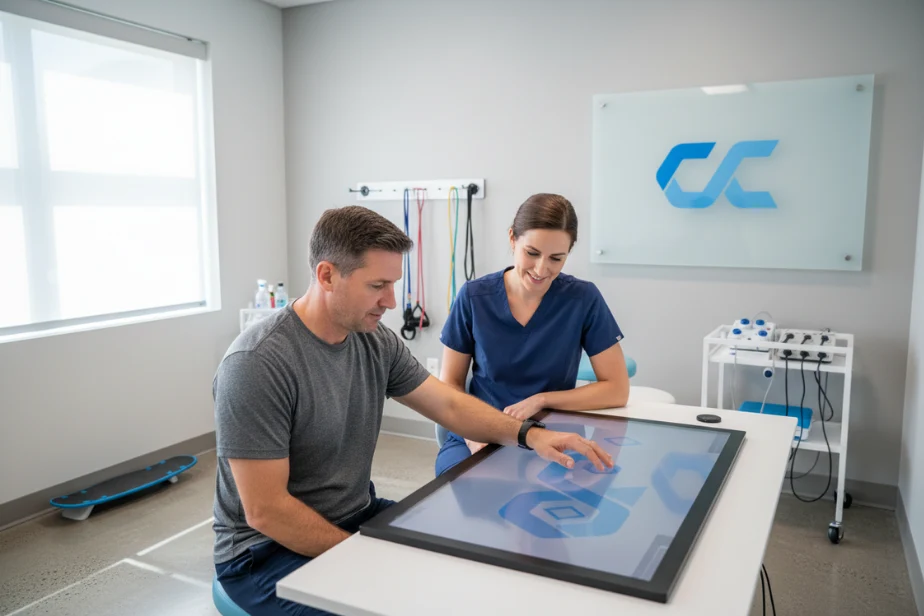
Stem cell therapy is often combined with physical therapy, occupational therapy, and other care to get the best results.

Topic Key Information Why It Matters
Cause of Anoxic Brain Injury The brain is damaged when oxygen supply is interrupted, often due to cardiac arrest, ischemic stroke, or traumatic injury. Oxygen loss can quickly damage brain cells and affect memory, movement, and cognition.
How Stem Cell Therapy Works Stem cells may release growth factors and neurotrophic factors, support surviving brain cells, and help repair damaged tissue. This may improve brain functionality and support recovery when combined with rehabilitation.
Types of Stem Cells Studied Researchers study mesenchymal stem cells, neural stem cells, and induced pluripotent stem cells for brain repair. Different stem cells may offer different recovery benefits depending on the type and severity of injury.
What Clinical Trials Show Early trials suggest possible benefits for cognitive function, tissue repair, and inflammation reduction, but results vary. Patients and families need realistic expectations because stem cell therapy is still being studied.
Recovery Outlook Stem cell therapy is not a cure and usually works best alongside physical therapy, supportive care, and long term rehabilitation. A combined care plan gives patients the best chance for meaningful recovery.

Realistic Expectations

Families should know that stem cell therapy is not a cure. It may help repair brain tissue, reduce inflammation, and improve brain functionality, but full recovery depends on the injury’s severity and timing of treatment. Long term care and rehabilitation are needed to keep improvements from stem cell treatment.

Stem cell therapy should be seen as one of several treatment options along with supportive care.

Realistic Expectations

Moving Forward

In summary, What Is Anoxic Brain Injury and How Can Stem Cell Therapy Support Recovery? shows that regenerative medicine may support brain repair and improve function. Stem cell treatment, along with therapy and supportive care, can help patients with traumatic brain injuries, ischemic stroke, or other oxygen-related brain damage. Families should ask about clinical trials, understand side effects, and have realistic expectations for long term recovery.

FAQ

Can the brain heal from anoxic brain injury?

Partial recovery is possible, depending on how long the brain lacked oxygen. Additionally, stem cell therapy may support brain repair, improve brain functionality, and help surviving brain cells. However, recovery varies, and furthermore, ongoing therapy and monitoring are often needed. Ultimately, combining care approaches can improve long term outcomes.

Recovery time varies with the type and severity of brain damage. Moreover, long term therapy and supportive care are important to maintain benefits from stem cell treatment. Therefore, following a structured rehabilitation plan can maximize results. In addition, combining physical therapy and cognitive exercises may help recovery.

Yes, stem cell transplant or stem cell treatment may help repair damaged brain tissue, support surviving brain cells, and improve brain functionality. In addition, combining regenerative medicine with conventional therapies can enhance outcomes. Furthermore, early intervention and consistent follow-up care are crucial to achieve the best results.

Author

Leave a Reply

Your email address will not be published. Required fields are marked *