Key Takeaways
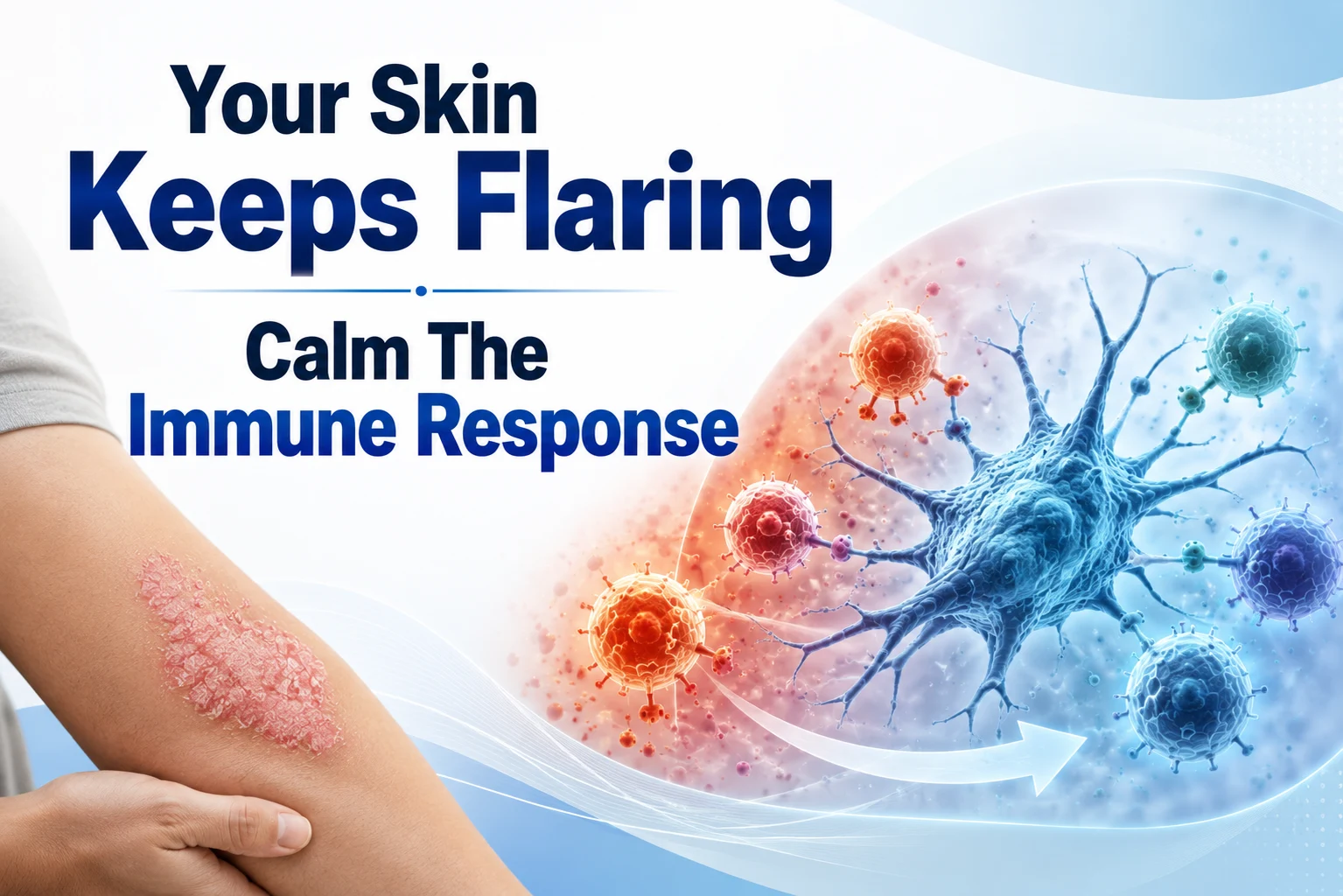
- Stem cell therapy for psoriasis is being studied for its ability to calm the immune system, not just treat visible skin symptoms.
- Mesenchymal stem cells appear to shift the balance between two immune cell types, easing the overactive response behind psoriasis.
- A real phase 1/2a human trial using umbilical cord-derived stem cells reported meaningful improvement in several patients, including some who had stopped responding to biologics.
- Psoriasis is a chronic autoimmune disease, and no current stem cell treatment offers a permanent cure.
- A dermatologist should confirm your diagnosis and treatment history before considering stem cell options.
Estimated read: 8 min
Psoriasis is more than a skin condition. An overactive immune system underneath the surface drives it. This guide examines whether stem cell therapy for psoriasis can help by calming the immune response.
Stem Cell Therapy for Psoriasis: Why Immune Modulation Matters
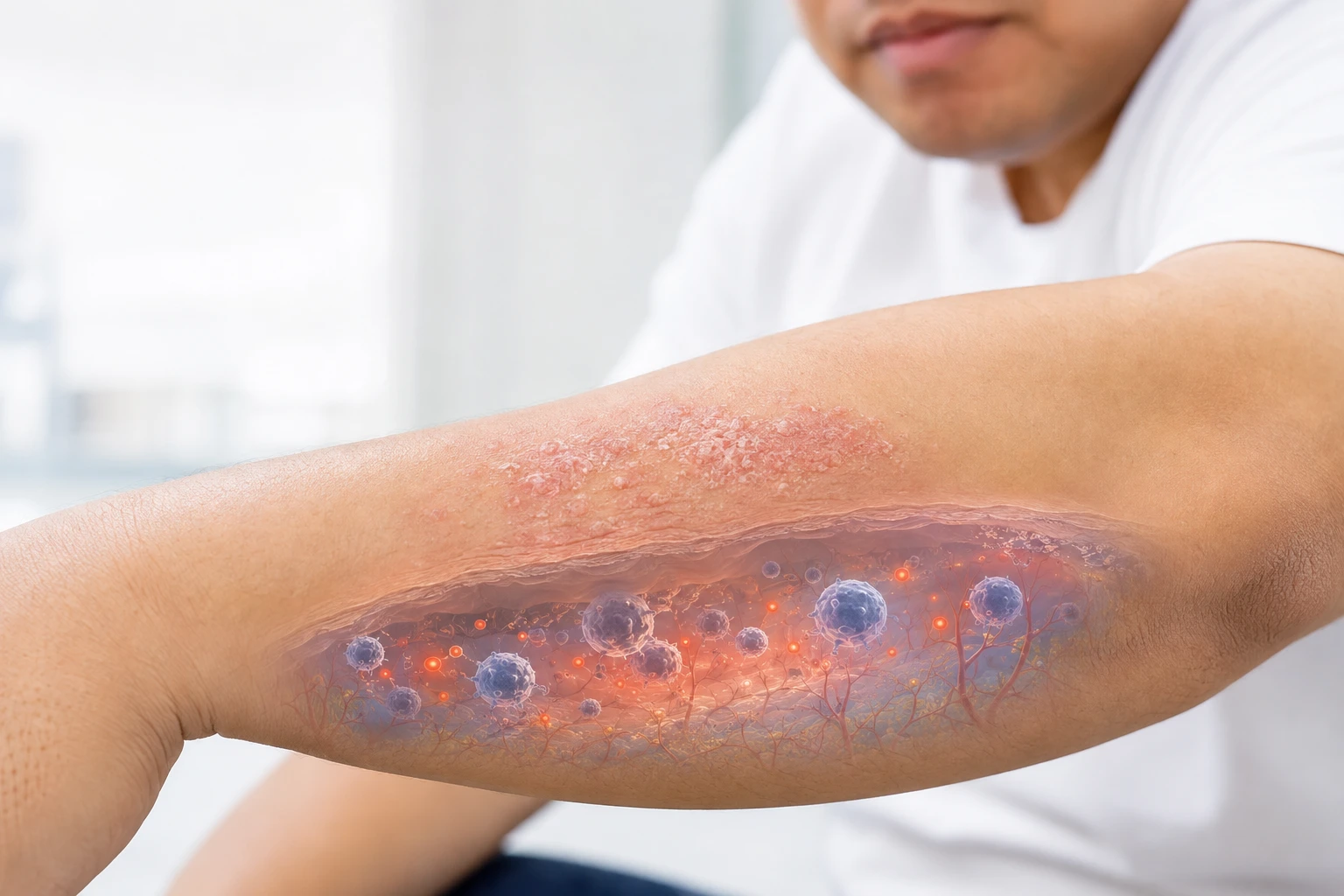
Psoriasis causes red, scaly skin lesions. The visible plaques, however, are just a symptom. An immune system that has become overactive is the real driver.
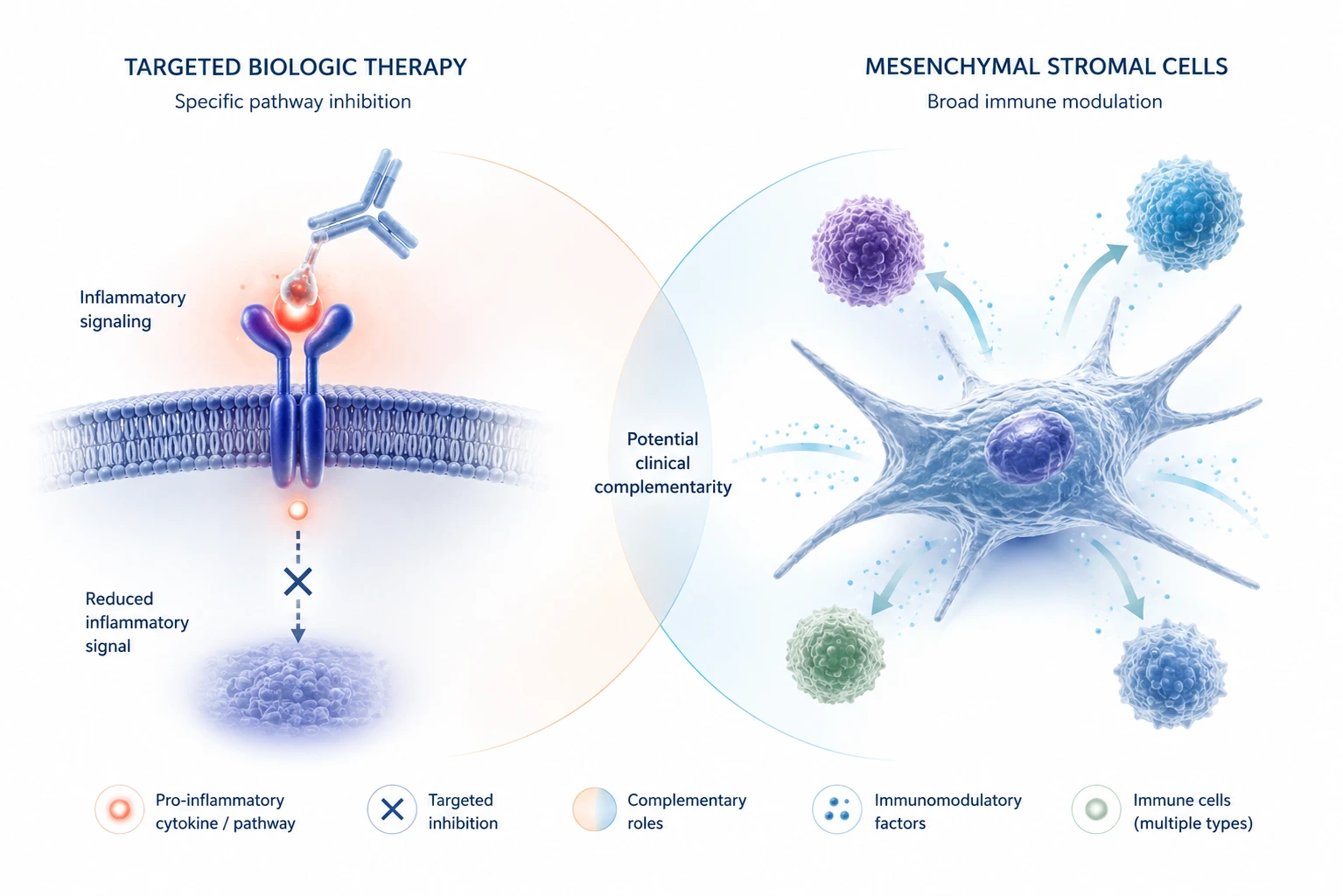
Standard treatments for psoriasis include topical creams, light therapy, and biological therapies. These often target specific molecules, such as tumor necrosis factor, that contribute to inflammation.
Our stem cell therapy for psoriasis program takes a different approach to the treatment of psoriasis. This mesenchymal stem cell therapy for psoriasis does not block one single molecule. Instead, it aims to shift the broader immune response toward balance.
How Psoriasis Differs From a Simple Skin Problem
- Immune cells drive the visible plaques, not a surface-level skin issue alone.
- Flares can be triggered by stress, infection, or certain medications
- Psoriasis is linked to other conditions, including psoriatic arthritis
- Treatment success is often measured by immune markers, not appearance alone
Why This Framing Changes the Treatment Conversation
- Symptom-focused care can miss the underlying immune driver entirely
- Immune-focused treatment may reduce flare frequency, not just current plaques
- This shift also affects how researchers measure success in trials
- It explains why some treatments help skin but leave joint symptoms unchanged
How Mesenchymal Stem Cells May Help
Mesenchymal stem cells (MSCs) are studied for their ability to interact with immune cells. Researchers believe these cells can shift a specific imbalance involved in psoriasis.
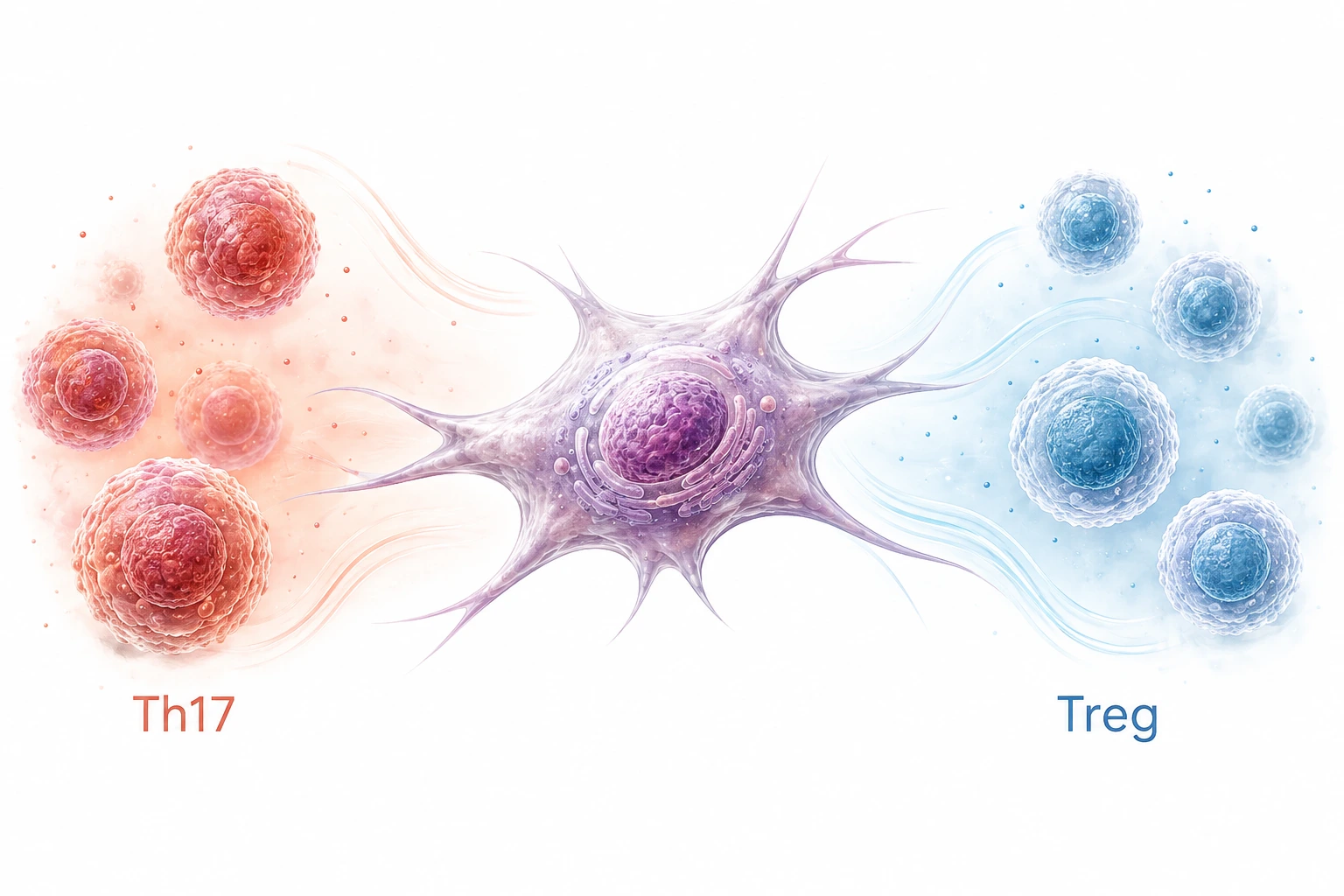
A 2025 review of how MSCs interact with immune cells in psoriasis described this mechanism. This includes T cell subtypes known as Th17 cells and regulatory T cells (Tregs).
In psoriasis, Th17 activity tends to run high. By contrast, Treg activity tends to run low. MSCs appear to help nudge that balance back toward regulation, according to this research.
This process may help explain why some patients see reducing inflammation and calmer immune responses after treatment. The same review noted this remains an active area of study, not a settled conclusion.
Where These Cells Are Sourced From
- Bone marrow, one of the original and most studied sources
- Human umbilical cord tissue, donated after birth with consent
- Adipose, or fat, tissue from the patient’s own body
- Each source carries different practical and immune-related trade-offs
What Researchers Still Don’t Fully Understand
- Why some patients respond strongly to MSCs while others see minimal change
- The ideal dose, timing, and frequency of treatment for lasting effect
- Whether combining MSCs with existing biologics improves outcomes further
- How long any immune rebalancing effect actually lasts without repeat treatment
What Real Clinical Trial Data Shows
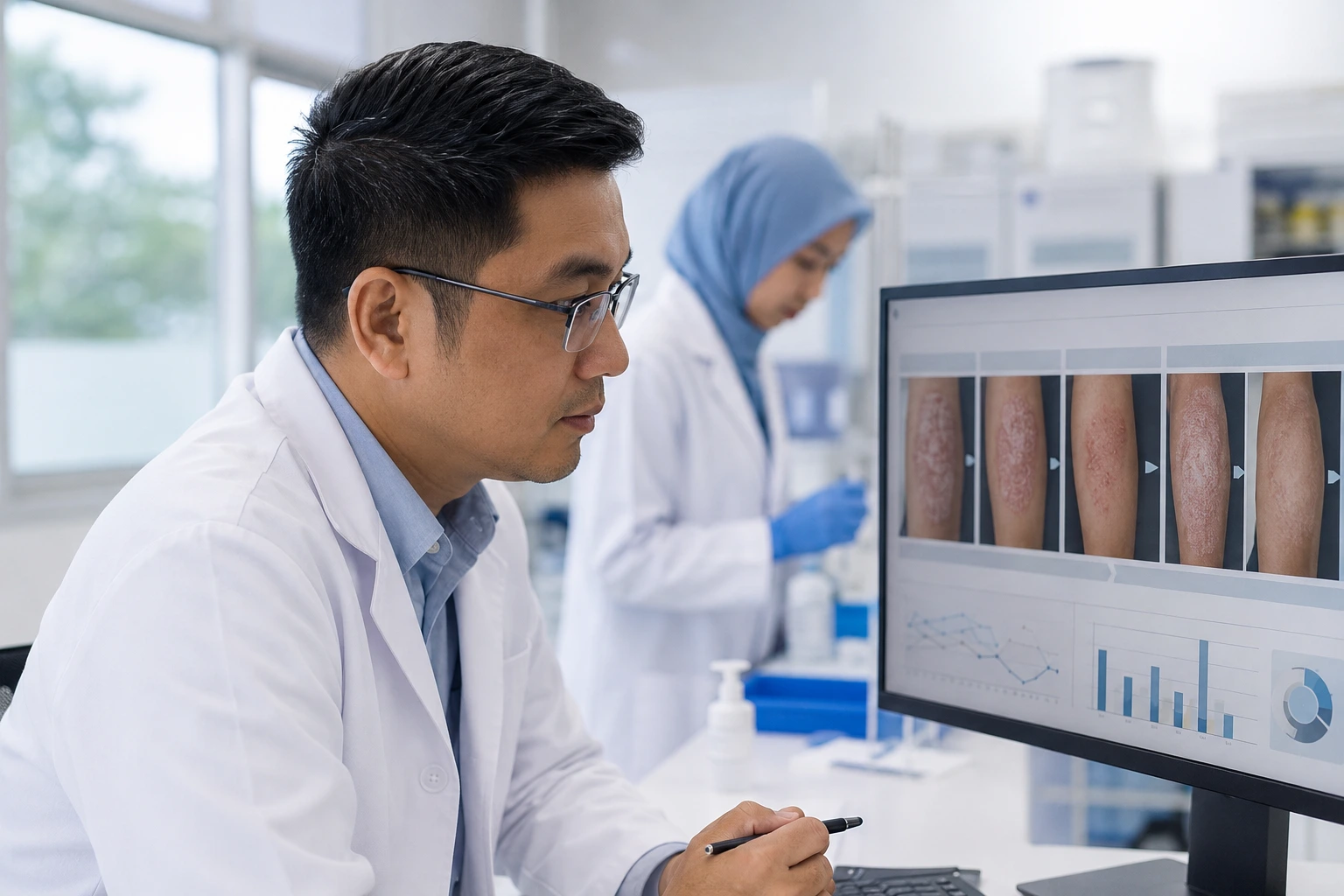
A 2022 phase 1/2a trial testing umbilical cord derived stem cells for psoriasis gave these cells to real patients. This was also a real human trial, not an animal study.
Researchers gave derived mesenchymal stem cells to a small group of patients. Several had already stopped responding well to standard biologics.
The treatment was also generally well tolerated. Some patients showed meaningful skin improvement. A few even regained response to biologics that had previously stopped working for them.
Even so, this trial remains small. Researchers still need larger, long term studies.
These would confirm whether early results hold up across a broader group of patients with psoriasis. Every psoriasis patient responds a little differently.
What This Research Does and Does Not Show
- Supports safety and shows the treatment was well tolerated in the small group of patients studied
- Shows meaningful improvement for some, though not universal, response
- Suggests a possible role for patients who no longer respond to biologics
- Does not yet prove long-term effectiveness across large, diverse populations
How This Compares to Earlier Animal Research
- Earlier studies in mice showed similar immune-calming effects in lab settings.
- Human trials are needed to confirm effects seen in animal models actually translate.
- The 2022 trial is one of the first to test this directly in real patients
- Results in humans were broadly consistent with what animal studies predicted
Stem Cells or Biologics: Complement, Not Necessarily Alternative
Biologic drugs remain the backbone of care for moderate-to-severe psoriasis. They also work well for many patients, and they have years of safety data behind them.
Doctors, however, do not necessarily position stem cell therapy as a replacement. In the trial discussed above, some patients regained response to biologics after stem cell treatment. This suggests a complementary role is at least as plausible as a stand-alone one.
Researchers are still working out exactly how these two approaches might fit together. Sequencing, timing, and patient selection all remain open questions in current research.
Questions This Raises for Future Research
- Should stem cell therapy come before, during, or after a biologic course
- Which patients are most likely to regain biologic responsiveness afterward
- Does combining both approaches carry additional risk worth monitoring
- How should success be measured when two treatments work together
Stem Cell Therapy vs Other Psoriasis Treatments
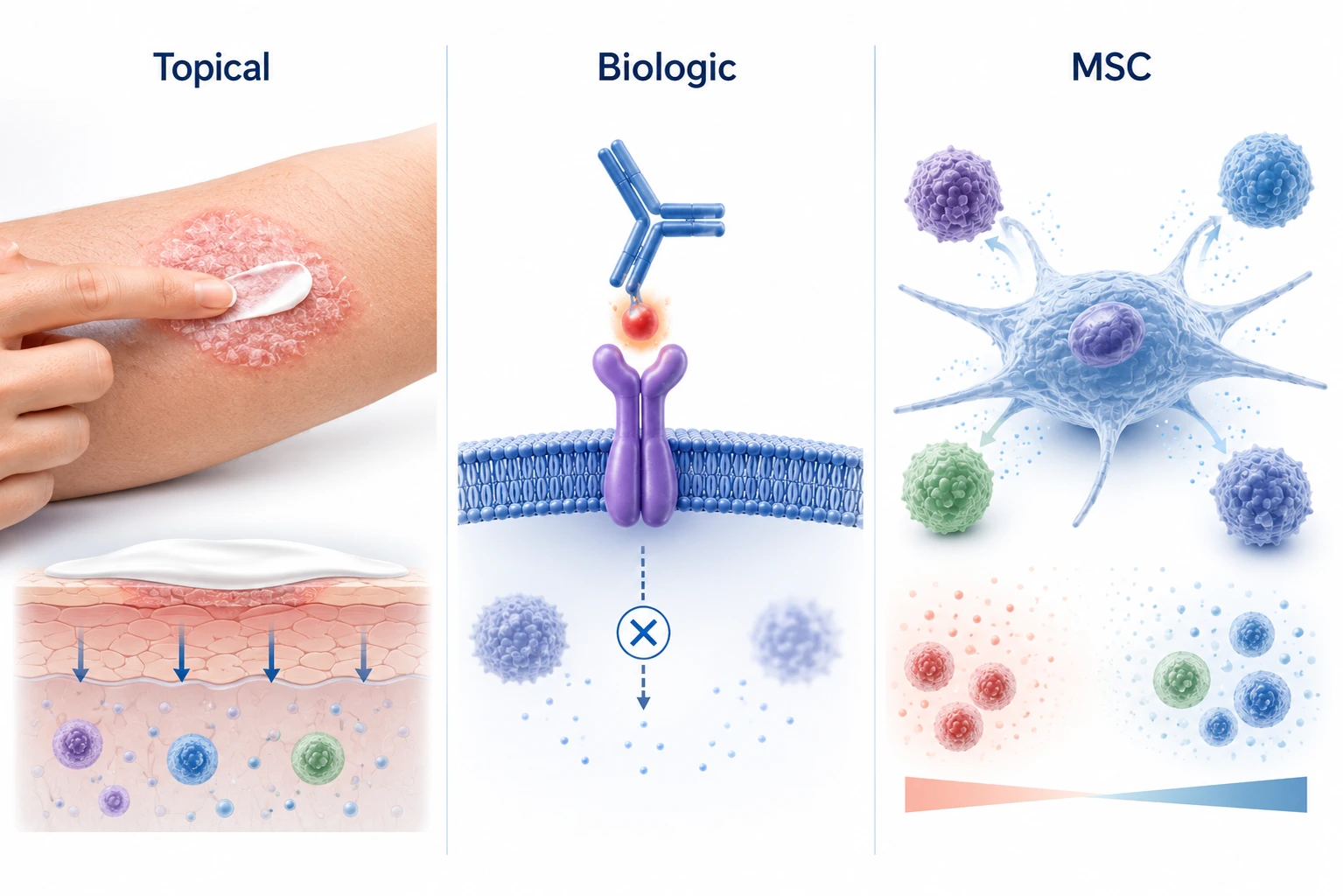
Treatments for psoriasis range from mild to intensive. Still, no single option automatically outperforms the others.
| Option | Main Approach | Typically Considered For |
|---|---|---|
| Topical treatment | Local skin-directed therapy | Mild, limited plaques |
| Biological therapies | Target a specific immune molecule | Moderate to severe cases |
| Stem cell therapy | Broader immune rebalancing | Cases not fully controlled by biologics |
Our related article on how mesenchymal stem cells may help immune balance covers a similar mechanism. This is in a different one of the autoimmune diseases.
The underlying biology shares real similarities, even though the conditions themselves differ. Both involve an immune system that has, in a sense, turned against the body’s own tissue.

Safety and Side Effects
Every treatment carries potential side effects. In the trial reviewed here, most reported issues were also mild and manageable.
Still, no single clinical trial is large enough to capture every possible risk. Ongoing monitoring matters for any patient considering this option.
Traveling abroad for treatment adds another layer of consideration that warrants careful planning. Follow-up care matters after you return home. So does clear communication with your home doctor about what was actually done.
A reputable provider should also welcome questions about their specific protocol, cell sourcing, and safety record. Vague or evasive answers to direct questions are a legitimate reason for caution. This holds no matter how promising the general field looks.
Questions Worth Asking Before Considering This Option
- How does the provider verify their cell source and processing standards
- What follow-up plan exists after you return home from treatment
- How will your home dermatologist stay informed about your treatment
- What would happen if a complication arose after you had already returned
- Which cell source is being proposed, and what evidence supports it specifically
- How does this fit alongside your current biologic or topical treatment
- What does realistic improvement look like for your specific case
- What happens if this approach does not improve your symptoms

Who Tends to Consider This Option
Most people exploring this path have already tried standard treatments. Some have moderate to severe disease. Others have stopped responding to biologics that once worked well.
Psoriatic arthritis, a joint condition linked to psoriasis, sometimes factors into this decision too. A dermatologist or rheumatologist should first confirm your full disease activity picture.
Signs This Conversation May Be Worth Having
- Biologics have stopped working as well as they once did
- Side effects from current treatment have become hard to manage
- Your quality of life remains significantly affected despite standard care
- You have psoriatic arthritis alongside skin symptoms
What a Consultation Should Cover
- A review of your diagnosis, disease severity, and prior treatment history
- Current medications and any conditions affecting your immune system
- A realistic discussion of what stem cell therapy can and cannot promise
- Clear next steps regardless of whether you proceed with treatment
Lifestyle factors also matter alongside any medical treatment. Stress, in particular, is a well known trigger for psoriasis flares in many patients.
Still, sleep quality, diet, and stress management will not replace medical treatment on their own. However, they can meaningfully affect how often flares occur and how severe they become between treatments.
Common Flare Triggers Worth Managing
- High stress periods, including major life changes or ongoing pressure
- Skin injury or irritation, sometimes triggering new lesions at the site
- Certain medications, including some blood pressure and mood medications
- Infections, particularly strep throat in some patients
Curious whether stem cell therapy for psoriasis could be relevant for your situation? Start your application and our care team will review your history and discuss realistic options with you.

Frequently Asked Questions
Can stem cells heal psoriasis?
Stem cells do not currently heal psoriasis in the sense of a permanent cure. Research suggests they may calm the immune imbalance behind flares. This can improve symptoms for some patients, though results vary and psoriasis remains a chronic condition.
How to treat the immune system for psoriasis?
Standard approaches include topical treatments, light therapy, and biological therapies. These also directly target specific immune molecules.
Stem cell therapy is a newer approach. It aims to rebalance immune activity more broadly, rather than blocking one single target.
How do Japanese treat psoriasis?
Treatment approaches in Japan generally follow internationally recognized evidence-based standards. This also includes topical care, light therapy, and biologics. Research interest in cell-based approaches exists there as elsewhere, though practices vary by hospital.
Which is better, stem cell or PRP?
Neither is universally better for psoriasis specifically. However, PRP is more established for joint and soft tissue conditions than for autoimmune skin disease. For psoriasis, stem cell approaches currently have more direct research behind them than PRP does.
Ready to Discuss Stem Cell Therapy for Psoriasis?
Call or WhatsApp us at +6018 222 0032, or email info@cyronacell.com to discuss your situation with our team.