Key Takeaways
- Stem cell therapy for stroke is studied differently depending on timing. Acute and chronic stroke trials ask different questions.
- Most acute stroke research focuses on safety within the first days after a stroke, while chronic stroke trials often measure functional improvement months or years later.
- A landmark 2-year study found that stem cells were safe for patients with chronic stroke and were linked to improvements in motor function.
- Mesenchymal stem cells, neural stem cells, and bone marrow mononuclear cells are the most studied cell types for stroke recovery.
- Always talk to a qualified neurologist or stroke specialist before considering stem cell therapy at any stage.
Estimated read: 9 min
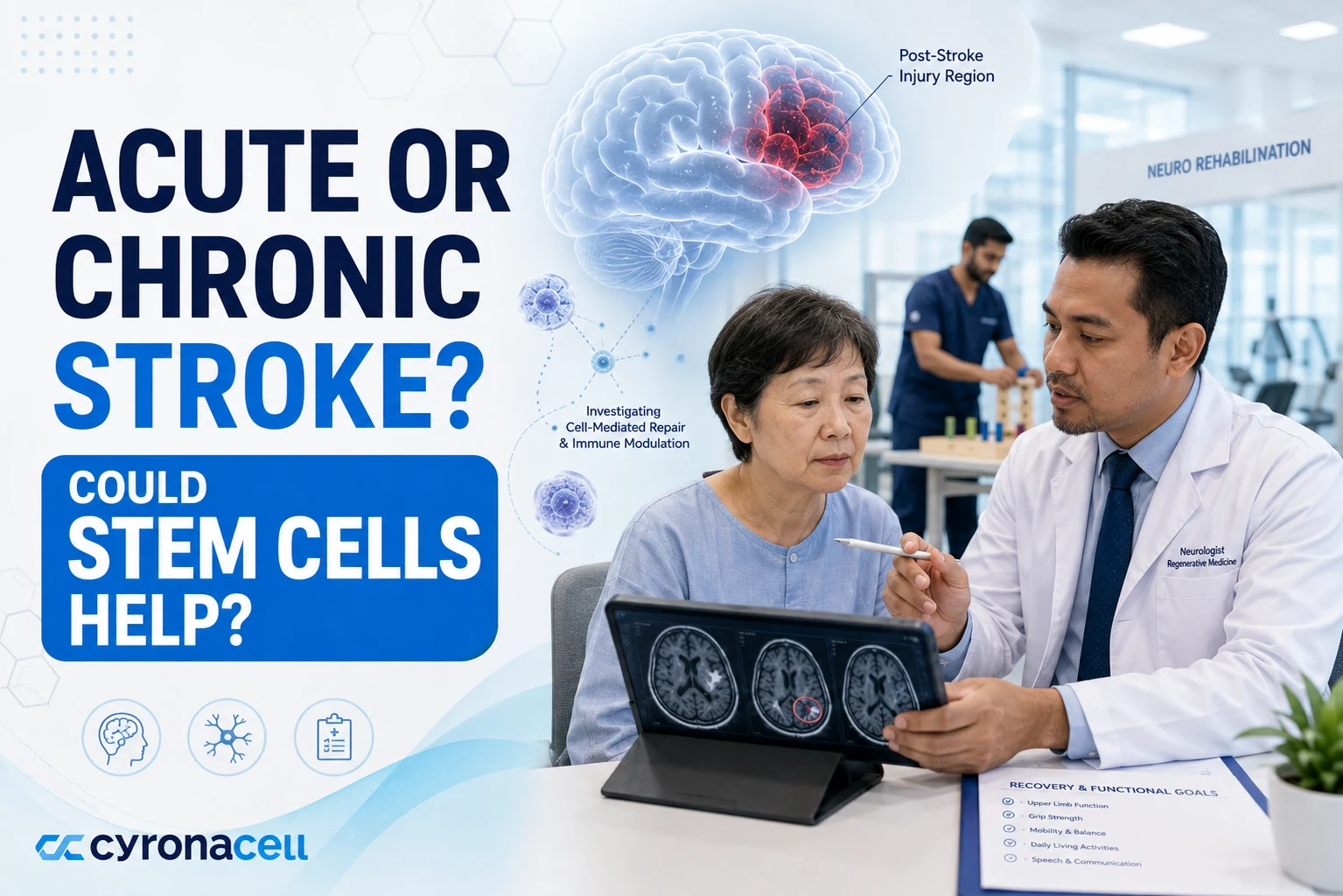
Stem cell therapy for stroke means different things depending on timing. Acute stroke care focuses on safety in the first hours and days. Chronic stroke research looks months or years later, often at functional recovery. This guide compares both stages in detail.
Stem Cell Therapy for Stroke: Why Timing Matters
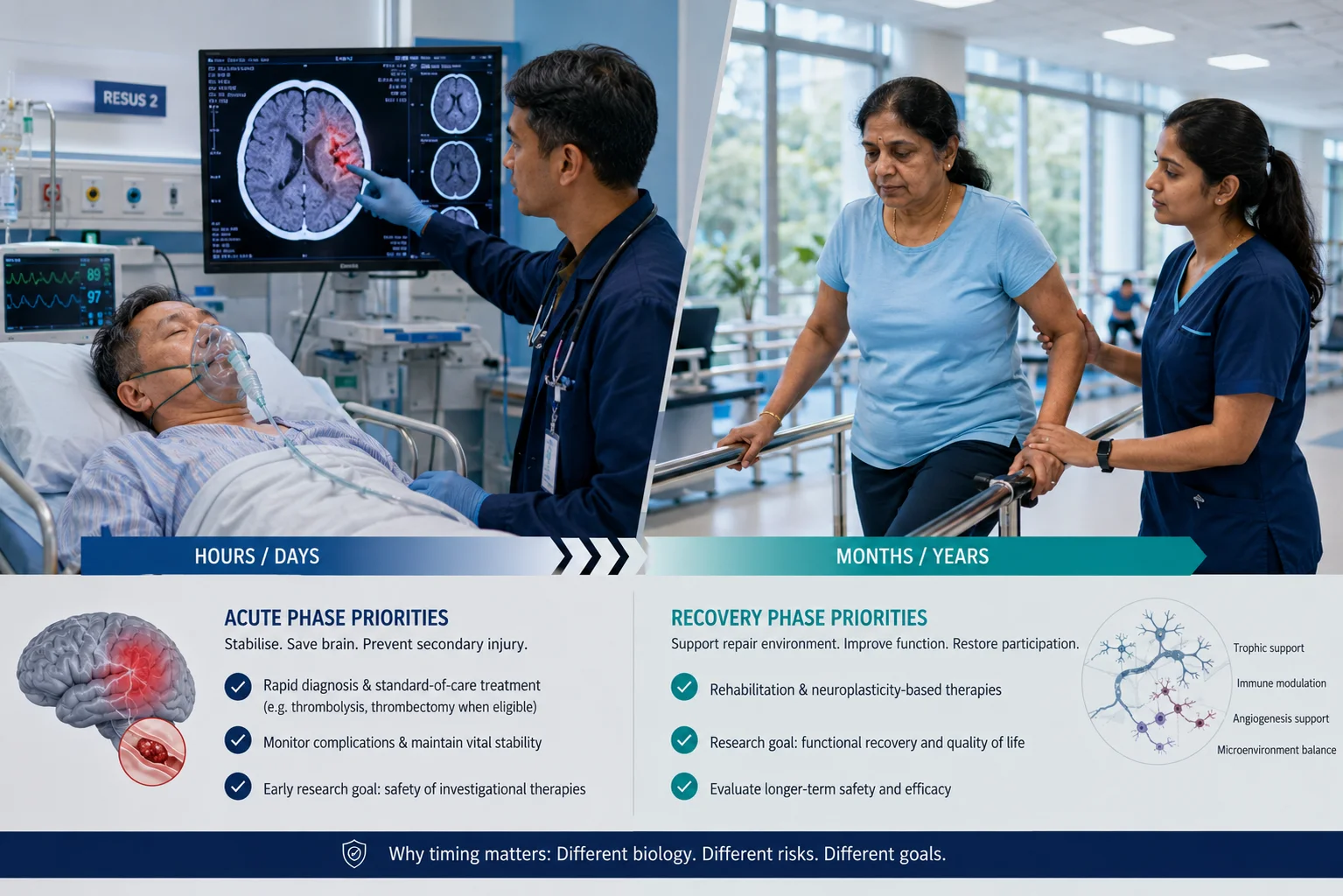
A stroke happens when blood flow to part of the brain is cut off. The damage can be sudden, but recovery often unfolds over months or years. Because of this, researchers study stem cell therapy for stroke across two different windows.
Acute studies examine safety and early effects that occur close to the stroke itself. Chronic studies, by contrast, look at people whose condition has stabilized. This is often six months or more after the original stroke.
We typically discuss our stem cell therapy for stroke program in this chronic, post stroke context. Understanding why timing matters helps set realistic expectations from the start.
How Stem Cell Therapy Works After a Stroke
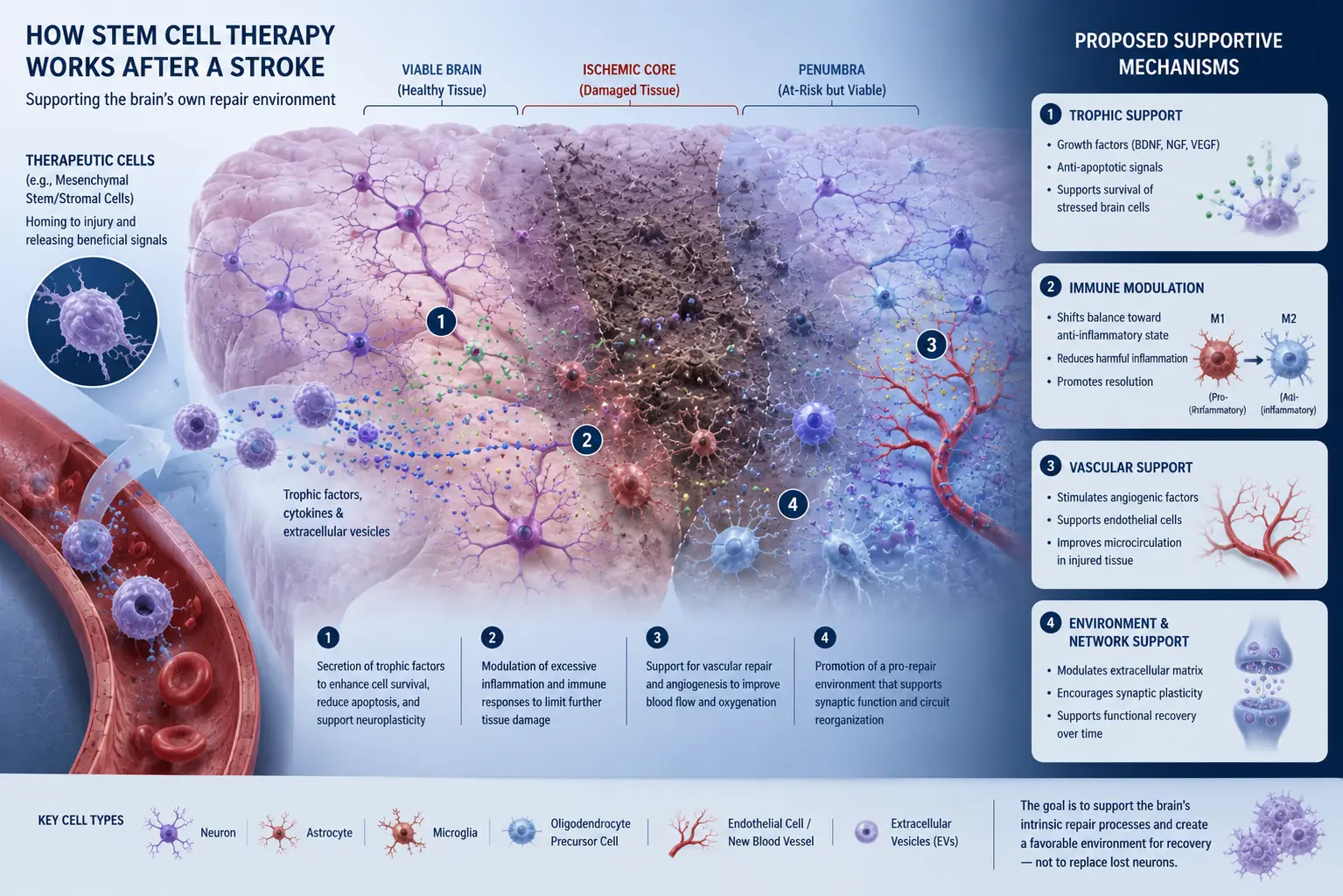
Researchers study several cell types for stroke recovery. These include mesenchymal stem cells, neural stem cells, and bone marrow mononuclear cells. Researchers study each for a slightly different role.
A detailed 2024 review titled “Revolutionizing Stroke Recovery: Unveiling the Promise of Stem Cell Therapy” examined this landscape. It compared autologous, allogeneic, and growth-factor-based approaches across ischemic and hemorrhagic stroke. The review also flagged open ethical questions around certain cell sources, which any reputable provider should be transparent about.
Broadly, these cells support brain tissue repair. They also help calm an overactive immune response around the injury site. Even so, they do not directly replace lost neurons.
Instead, they may help create conditions where the brain’s own repair processes work better. Our article on how stem cell therapy may support brain recovery covers a related repair process. That article looks at a different type of brain injury.
What Researchers Look At
- How well a cell type survives and reaches the injury site
- Whether inflammation and immune response settle down after treatment
- Changes in movement, speech, or daily function over time
- Side effects and safety over months of follow-up
Common Delivery Methods Studied
- Intravenous infusion, delivered through a vein, is the least invasive option studied.
- Intra-arterial delivery targets the brain’s blood supply more directly
- Stereotactic implantation places cells precisely near the injury, guided by imaging
- Each method trades off precision against how invasive it is
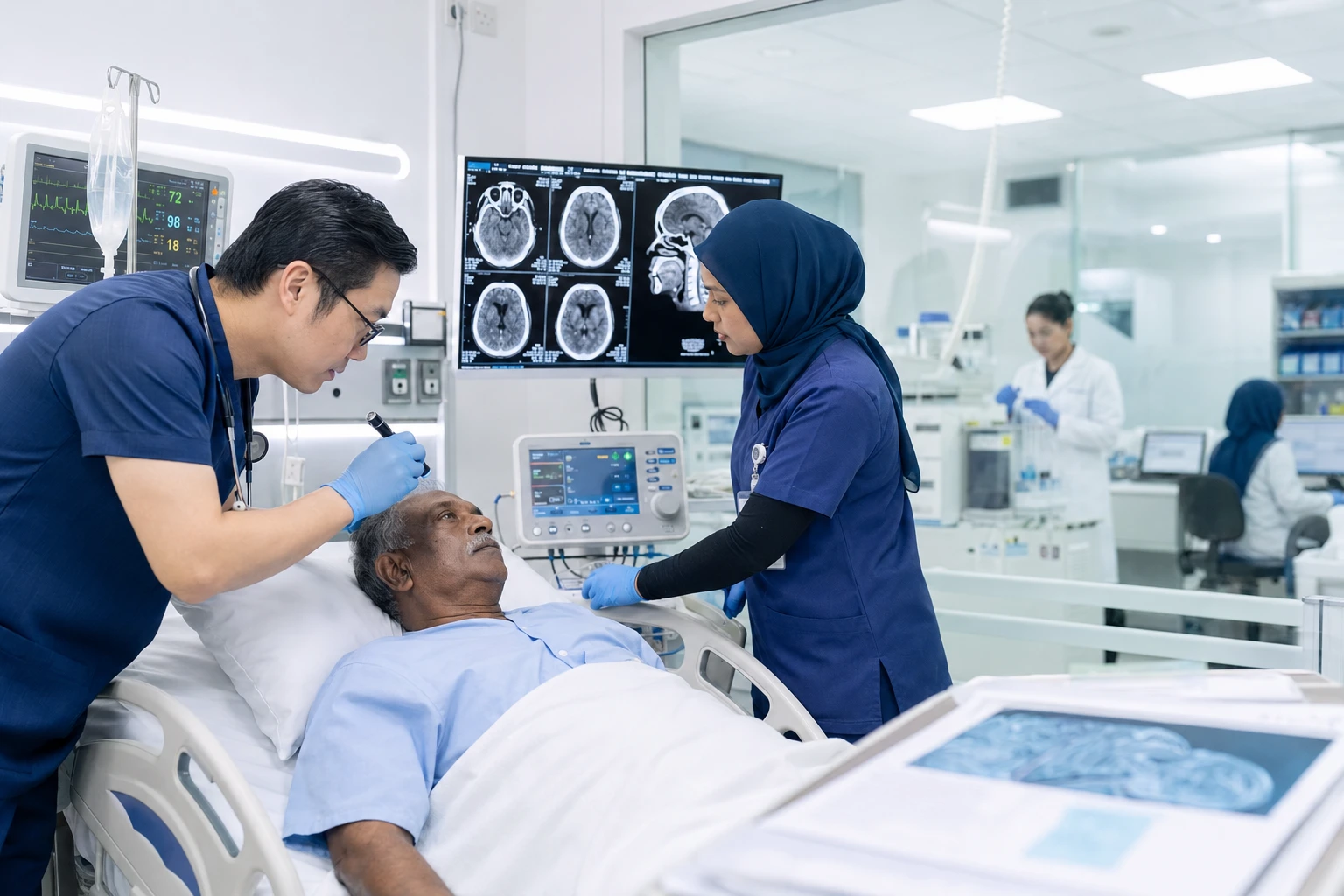
Acute Stroke: What the Research Shows
In the acute phase, standard stroke treatment already moves fast. For example, clot-busting drugs work best within hours of symptoms starting. Clot removal procedures follow a similarly narrow window.
This leaves little room for experimental treatment right away. As a result, most acute-phase stem cell research focuses first on safety rather than benefit.
Researchers want to know whether giving cells soon after a stroke causes harm. Only after answering that question do researchers shift focus to whether it helps. Larger clinical trials in this window are still ongoing.
Researchers often describe early results as promising, though still preliminary. Because acute care is already time-sensitive, most stem cell options remain firmly in the research stage for this phase.
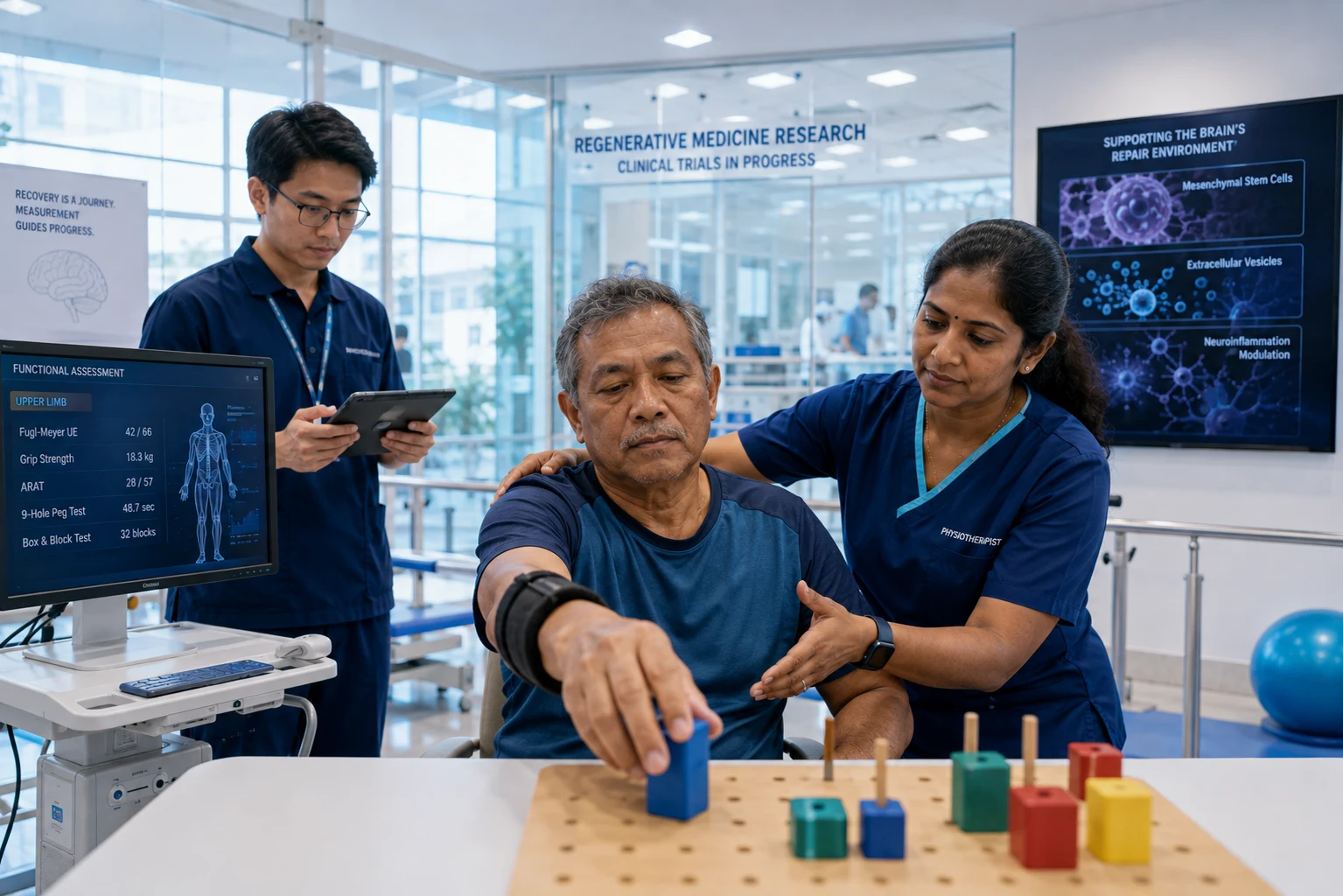
Chronic Stroke: What the Research Shows
Chronic stroke research tells a more developed story. In one well known study, researchers followed patients for two years after treatment. All participants had stable, chronic stroke.
A 2-year clinical trial published in Stroke, a peer-reviewed journal of the American Heart Association, closely tracked these outcomes. It involved modified bone marrow-derived stem cells. Patients received the cells at least six months after their original stroke.
The clinical studies found the treatment was safe overall. No patients had serious problems linked directly to the cells themselves.
Some experienced headaches related to the surgical procedure, not the cells. This distinction matters, since it points to the procedure, not the biology, as the main source of risk.
Researchers also reported improvements in motor function that held up over the full two years of follow-up. This is a meaningful signal, since chronic deficits often plateau without new intervention.
A separate review pooling data across several cell type options, including mesenchymal and neural stem cells, described similar patterns. It found encouraging signs of functional recovery alongside a consistent safety profile. Sample sizes, however, remain small compared with drug trials.
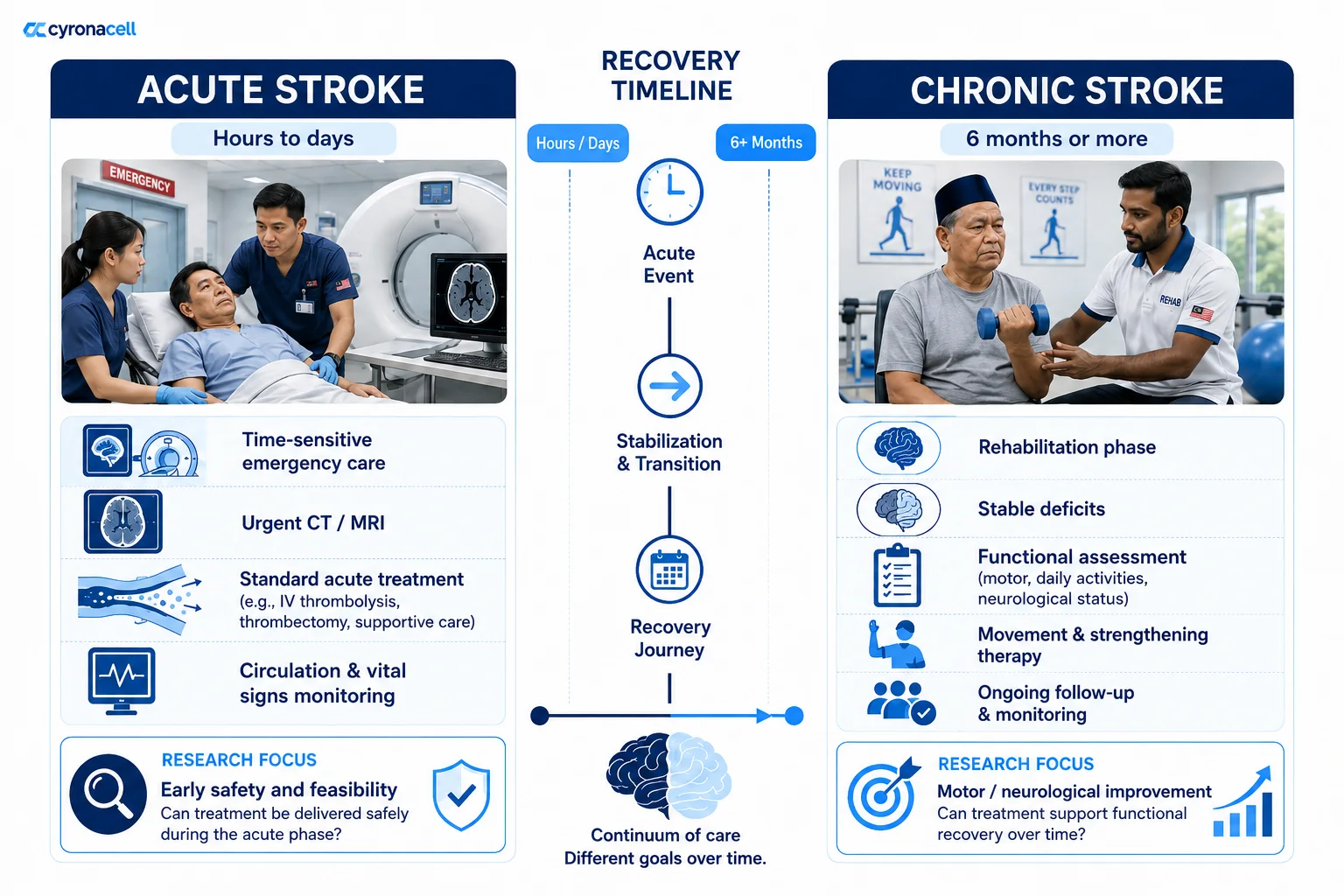
Comparing Acute vs Chronic Stroke Approaches
Acute and chronic stroke research are not competing for the same patients. Instead, they ask different questions at different stages of recovery.
| Factor | Acute Stroke | Chronic Stroke |
|---|---|---|
| Typical timing | Hours to days after stroke | 6 months or more after stroke |
| Main research question | Is early treatment safe? | Does treatment support functional improvement? |
| Standard care already in place | Clot-busting drugs and procedures | Rehabilitation and long term management |
This table helps explain why doctors usually discuss stem cell therapy for stroke with chronic patients. It rarely comes up in the emergency setting itself.
Understanding this distinction also helps set expectations. Families researching options right after a stroke usually face a different conversation than those exploring options a year later. Knowing which stage applies to your situation makes it easier to ask the right questions.
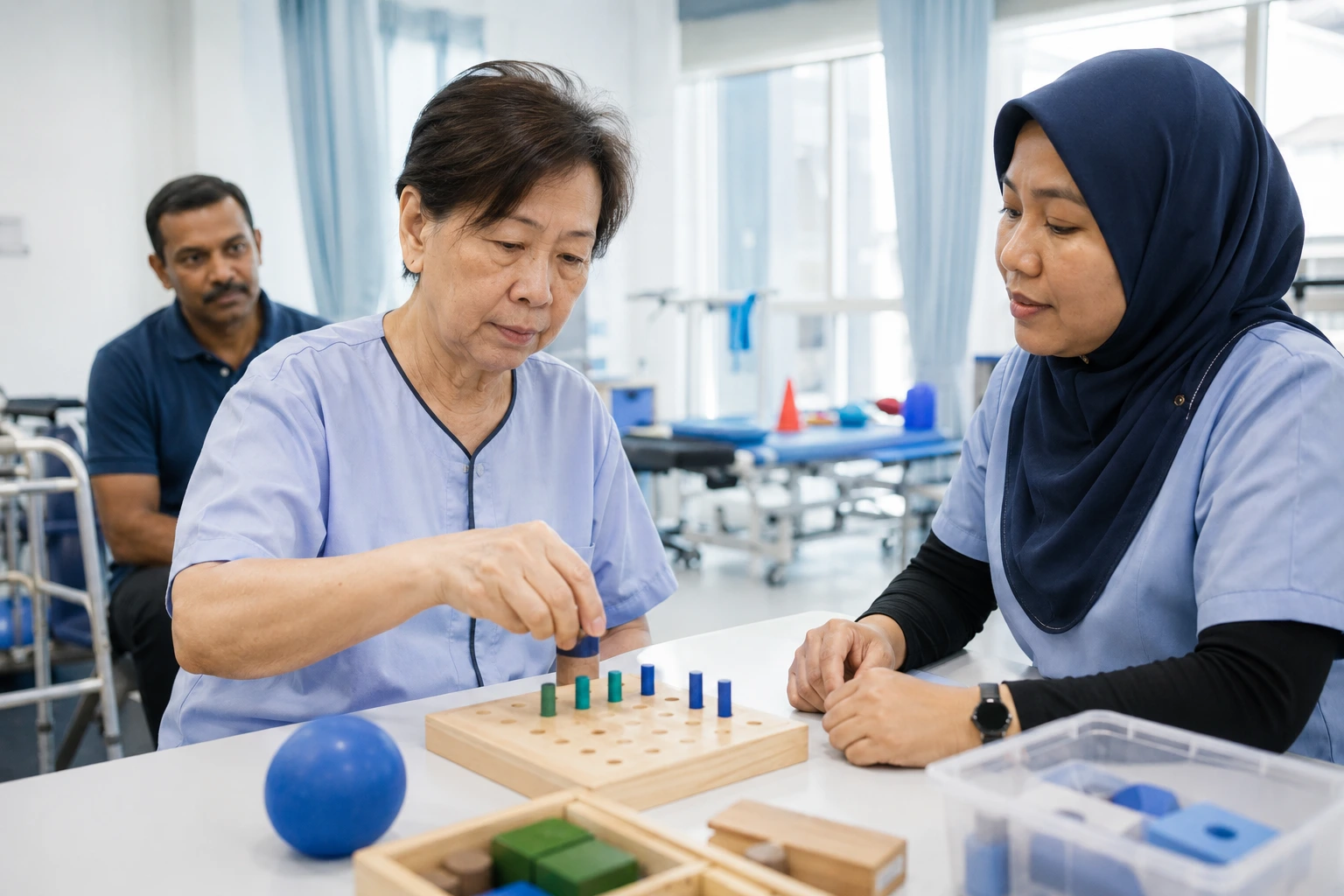
Benefits and Realistic Expectations
The main benefits of stem cell therapy for stroke, as explored in research, include improved motor function. Researchers also study improved neurological function and support for stroke recovery alongside rehabilitation.
None of this replaces emergency stroke care. It also does not replace physical therapy or standard rehabilitation. Instead, researchers study it as a possible addition to established care.
What Current Research Supports
- Modest, measurable gains in motor function for some chronic stroke patients
- A generally favorable safety profile across completed trials
- Potential support for rehabilitation, not a replacement for it
- Ongoing research into optimal cell type, dose, and delivery method
Milestones Often Tracked During Recovery
- Grip strength and fine motor control in the affected hand
- Walking speed and balance during standard mobility tests
- Speech clarity and word-finding, where language was affected
- Independence in daily tasks like dressing or preparing meals
Costs vary by clinic, cell source, and the number of recommended sessions. Clinics individually price therapy for stroke patients. Learning about the benefits of stem cell therapy for stroke costs nothing, but skipping that research can cost you time later.
A consultation is the clearest way to understand realistic costs for your case. Long term results still vary from person to person, so expectations should stay grounded.
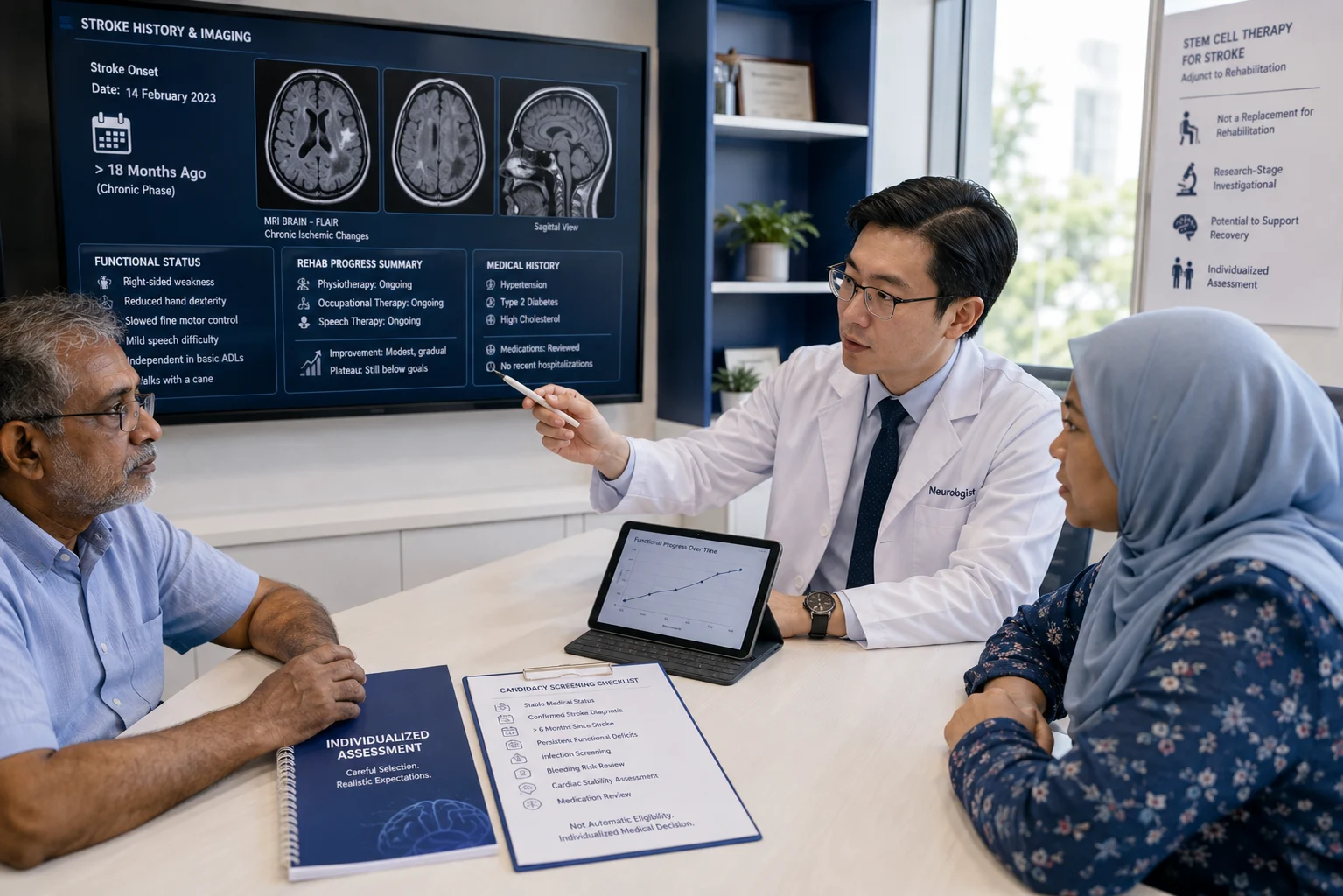
Who Is a Good Candidate for Stem Cell Therapy for Stroke
Most current evidence involves people with stable, post stroke deficits. This is different from those still in the acute emergency window. In addition, good candidates typically have a confirmed diagnosis of stroke and stable medical status.
Signs You May Be a Reasonable Candidate
- Your stroke happened six months or more ago, and your condition has stabilized.
- You have ongoing motor, speech, or functional deficits despite rehabilitation.
- You do not have an active infection, uncontrolled bleeding risk, or unstable heart condition.
- Your neurologist has confirmed there is no urgent medical issue to address first.
Still, this option does not fit everyone. Doctors generally exclude people in the acute emergency window from this option for now. This is not a permanent exclusion, only a reflection of where the evidence currently stands.
The same applies to those with certain uncontrolled medical conditions. Anyone without a confirmed diagnosis should address that first, before considering stem cell therapy.
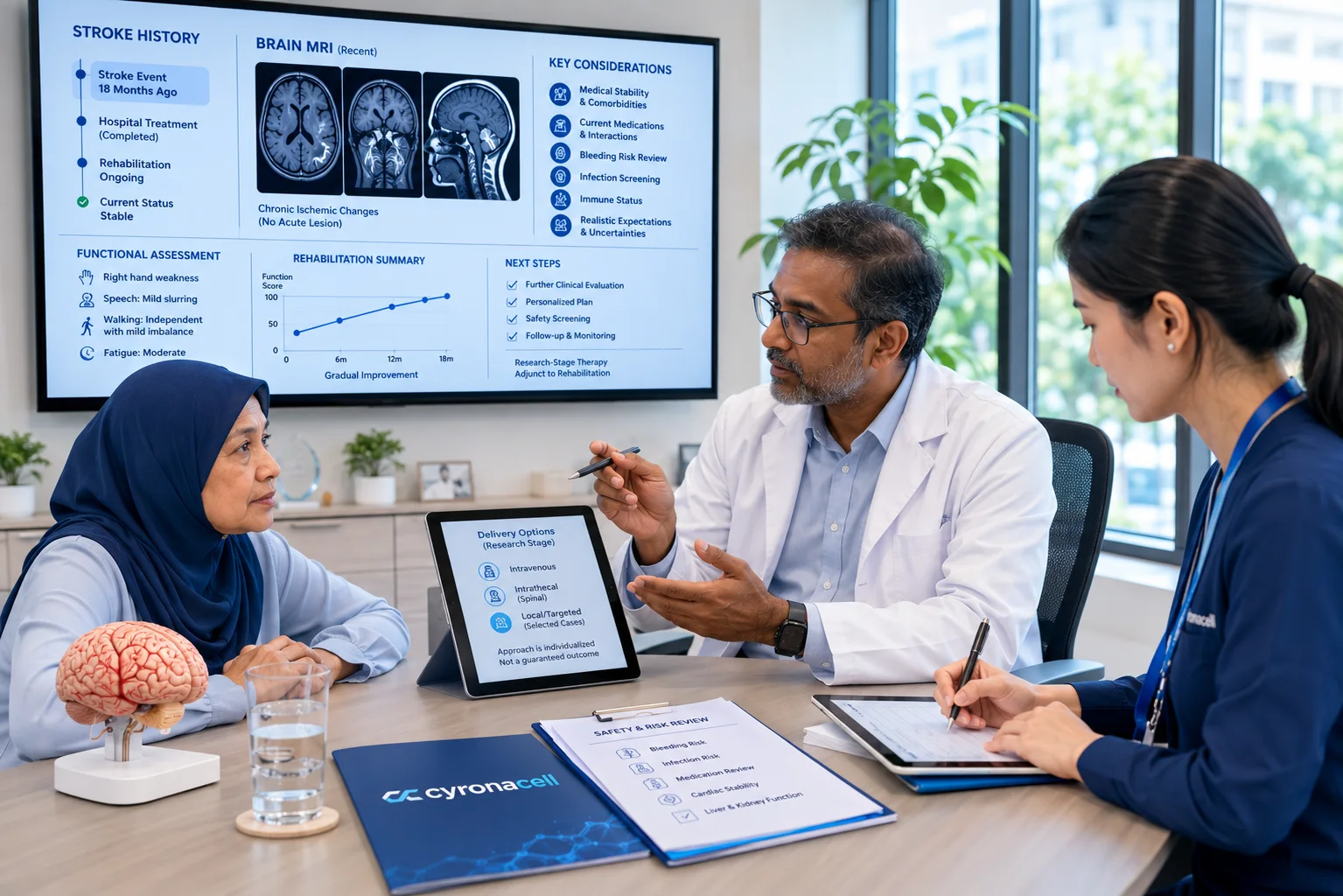
Safety and What a Consultation Covers
Every treatment carries potential side effects. Stem cell therapy for stroke is no exception to this. Reported issues in clinical trials have mostly involved the procedure itself.
Headache after a surgical implant is a common example. This differs from a side effect caused directly by the cells, which appears far less often in the data.
What Your Consultation Should Cover
- A review of your stroke history, imaging, and current condition
- Your current medications and any conditions affecting immune response
- A realistic discussion of the effect of stem cell treatment for your specific situation
- Clear expectations about timelines and what results are and are not likely
No provider can promise a specific outcome, and that is worth remembering. Effective stem cells research still involves real uncertainty. Honest providers will say so plainly, rather than overselling results.
For families weighing this decision from another country, logistics matter too. Travel timing and follow-up care are worth raising as well. So is coordination with your home neurologist.
Curious whether stem cell therapy for stroke could be relevant for your situation? Start your application and our care team will review your history and talk through realistic options with you.
Frequently Asked Questions
Can stem cells repair stroke damage?
Stem cells do not repair stroke damage the way a scar heals over skin. Research also suggests they may support the brain’s own repair processes and calm inflammation.
This can contribute to functional improvement, though the cells do not directly replace lost brain tissue. Most gains reported so far are modest, not dramatic.
Is a stroke an acute or chronic condition?
A stroke starts as an acute medical emergency. However, many effects become a chronic condition for survivors, sometimes lasting years.
This is exactly why researchers split stem cell therapy for stroke research into acute and chronic study designs. The two phases call for different treatment goals entirely.
Who is not a good candidate for stem cell therapy?
Doctors do not typically consider people in the acute emergency window good candidates yet. The same goes for those with uncontrolled infections or bleeding risks.
Anyone without a confirmed, stable diagnosis should resolve that first, before a specialist can properly assess candidacy. A short screening consultation usually clarifies this quickly.
What is the best therapy for stroke?
For acute stroke, fast emergency care remains the standard and most proven approach. This still includes clot-busting drugs and clot removal procedures.
For chronic, stable stroke, rehabilitation stays central. Some patients also discuss stem cell therapy with their provider, once they have tried other options.
Ready to Discuss Stem Cell Therapy for Stroke?
Call or WhatsApp us at +6018 222 0032, or email us at info@cyronacell.com. Let’s discuss whether this is relevant for your situation.