Key Takeaways
- The liver can repair itself to a point, but chronic liver diseases like cirrhosis eventually overwhelm that natural ability.
- Mesenchymal stem cell therapy is being studied as a supportive option, working mainly through anti inflammatory and immune-calming effects.
- One randomized trial found a real survival benefit in patients with liver failure, though results vary by disease stage and cause.
- Stem cell therapy is not a substitute for a liver transplant in severe or decompensated cirrhosis.
- Realistic goals include supporting liver function tests and stability, not reversing advanced disease progression.
Estimated read: 10 min
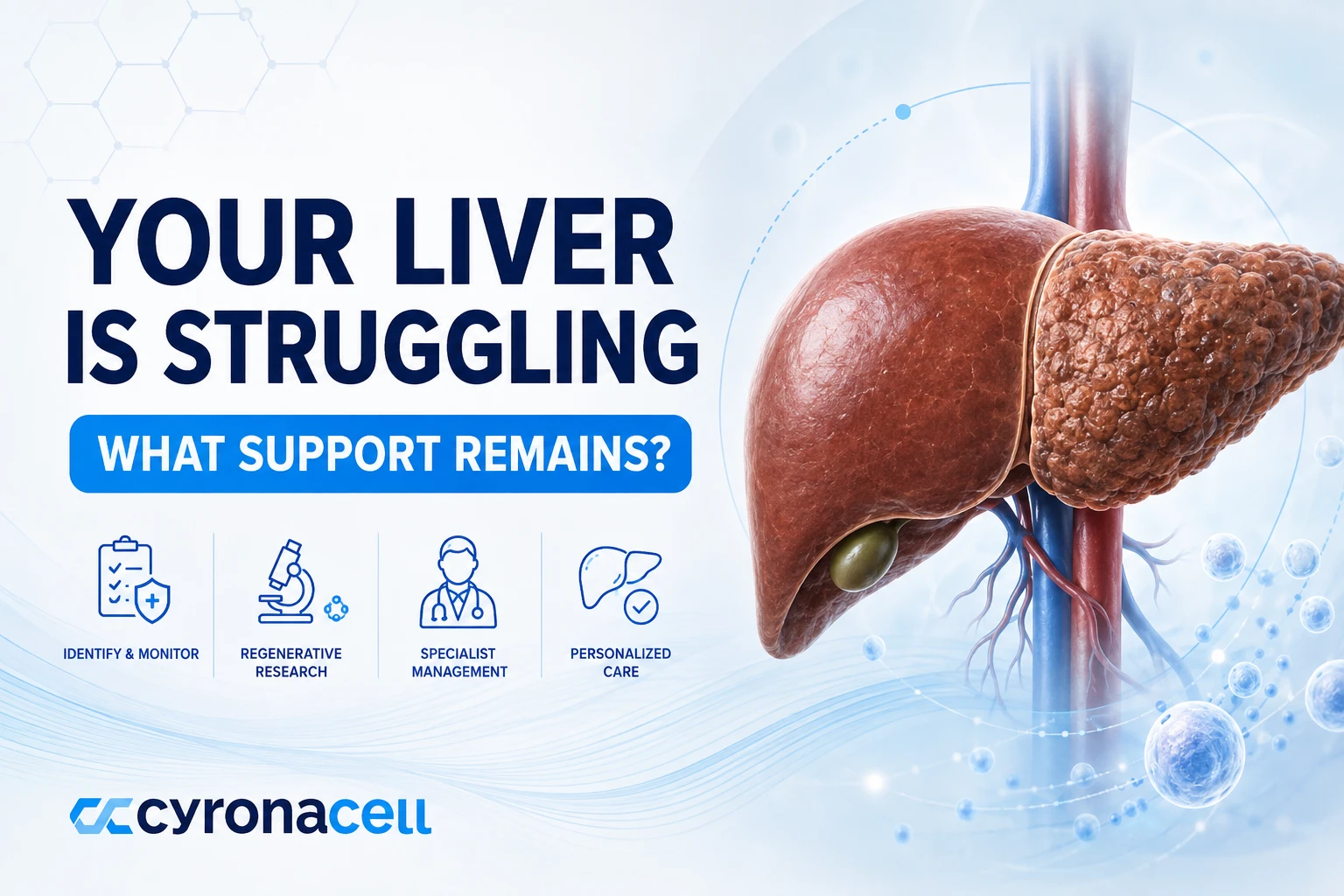
The liver can regenerate better than almost any other organ in the body. But chronic damage, whether from viral hepatitis, alcohol, or fatty liver disease, can eventually outpace that natural repair.
This is where stem cell therapy for liver disease enters the conversation. The evidence is genuinely encouraging in places. Real limitations remain in others, and both deserve honest attention.
Why the Liver Responds Differently to Injury
The liver has a remarkable capacity to regrow damaged tissue. A healthy liver can often recover from short-term injury with little lasting effect. This recovery can happen within just a few weeks.
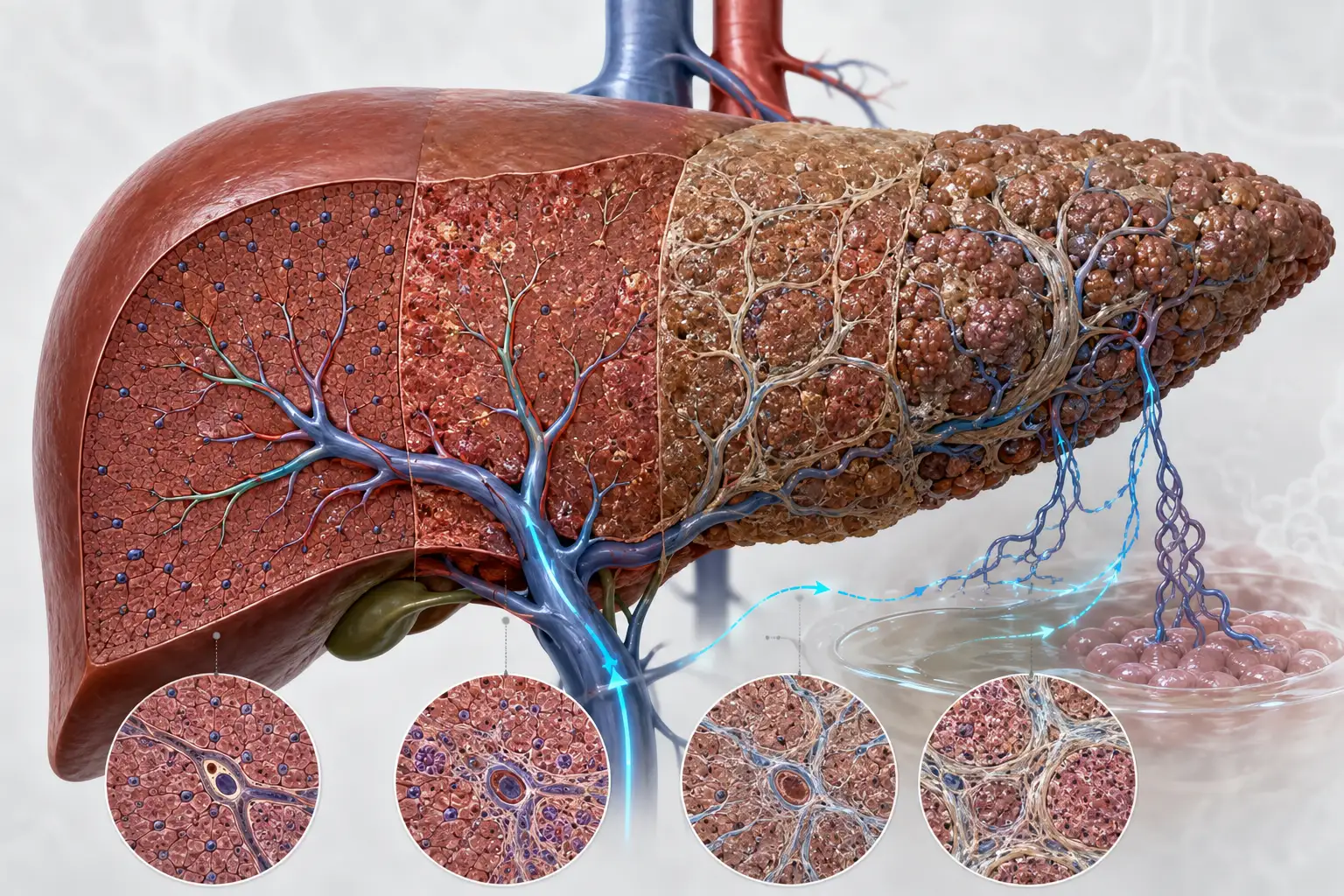
Repeated or ongoing injury changes this picture, however. Scar tissue gradually replaces healthy liver tissue faster than the organ can rebuild it. This balance shifts further the longer the injury continues.
Doctors track this process using liver function tests and imaging. Early stages, however, often show few symptoms. This is part of why chronic liver diseases can progress silently for years before anyone notices.
Left unmanaged, this scarring can advance through several stage liver diseases, eventually reaching cirrhosis. Cirrhosis, in turn, distorts the liver’s structure permanently, changing how blood and bile normally flow through the organ.
It can also raise pressure in the portal vein, the vessel carrying blood into the liver. This complication, called portal hypertension, drives many of the most serious symptoms patients experience. These include the risk of internal bleeding and fluid buildup.
What Is Mesenchymal Stem Cell Therapy for Liver Disease?
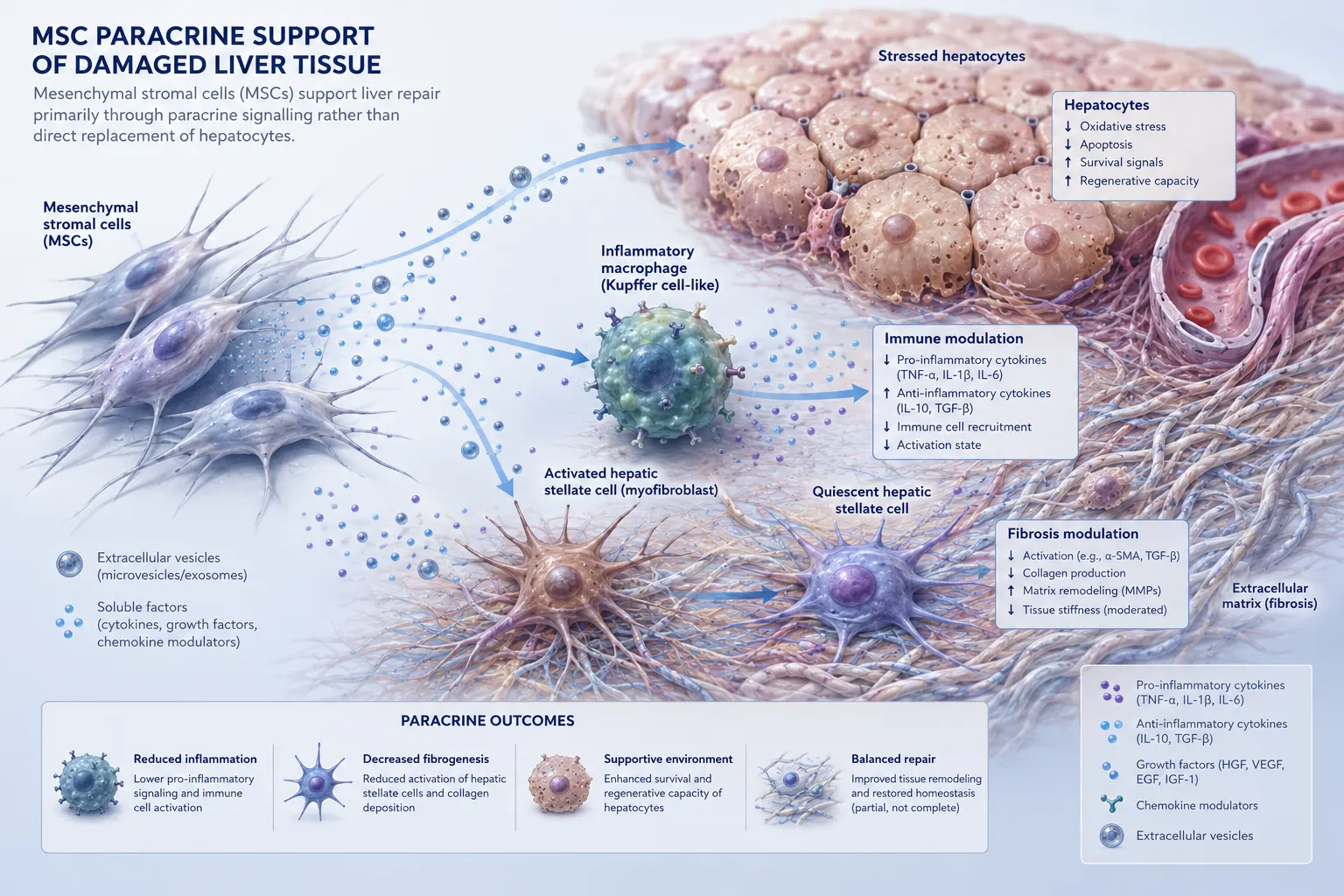
Most current research on cell therapy for liver conditions focuses on mesenchymal stem cell MSC treatment. These cells typically come from bone marrow or umbilical cord tissue, chosen specifically for their availability and safety profile.
MSCs do not replace damaged liver cells directly in most current protocols. Instead, they release signals that calm overactive immune cells, driving ongoing inflammation in the liver.
This anti inflammatory effect is one of the more consistently observed benefits across clinical studies. Calmer inflammation may slow the pace of scarring considerably, even when other outcomes vary more between patients.
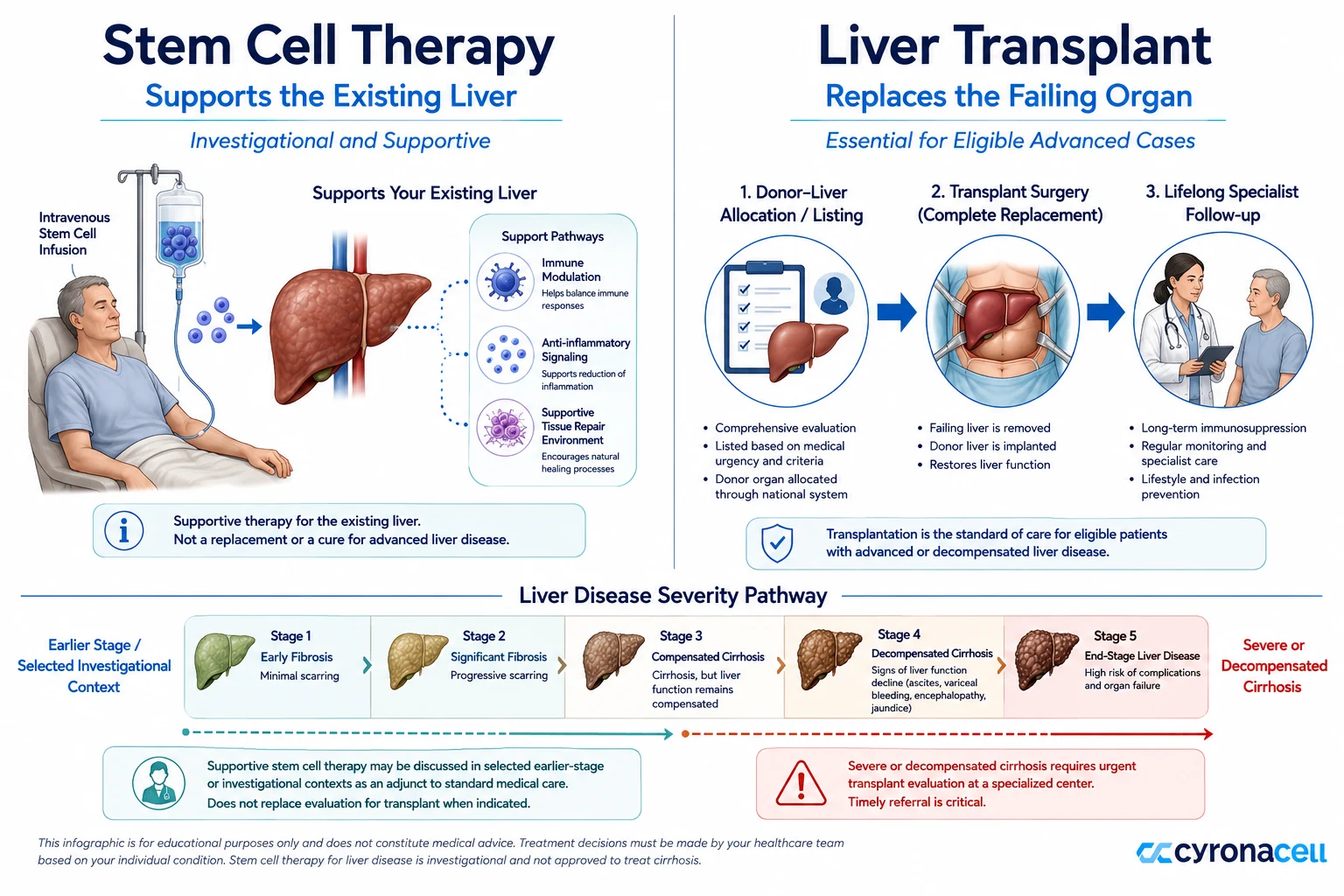
MSCs also release growth factors that can support the liver’s own repair signals. This differs meaningfully from a liver transplant, however, which replaces the organ entirely rather than supporting the existing one. A broader review of MSC mechanisms in liver fibrosis covers this signaling process in more depth.
Researchers describe mesenchymal stem cell therapy as a supportive approach across most current clinical trials. It specifically does not act like a fast-acting drug that targets one single pathway.
Instead, MSCs work through several mechanisms at once. This includes inflammation, scarring, and tissue repair together, rather than any single process in isolation.
What a Randomized Trial Actually Showed
Much of the public conversation about stem cells and liver disease relies on small, uncontrolled studies. One notable exception, summarized in a recent clinical trial review, used a genuine randomized comparison.
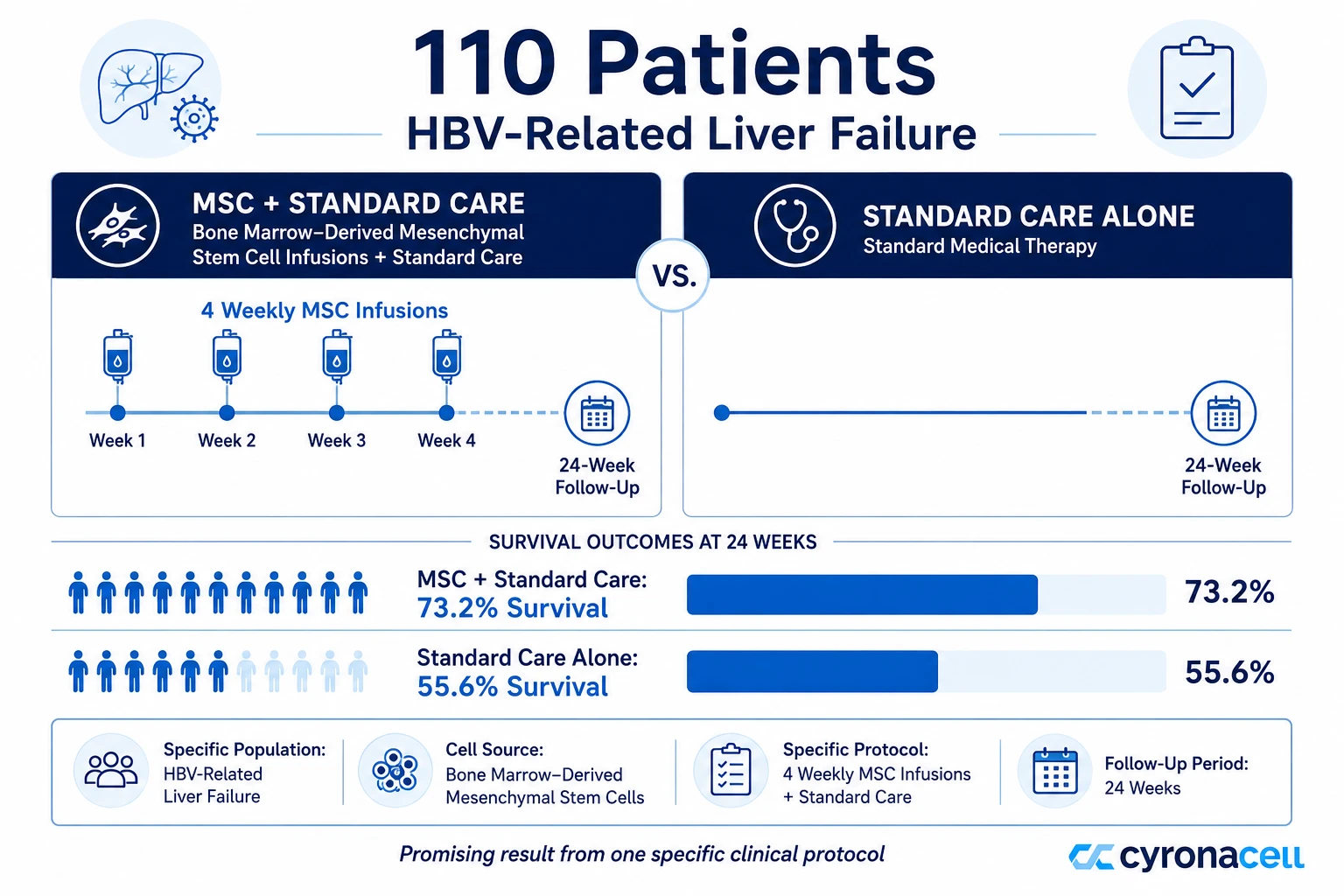
Researchers studied 110 patients with hepatitis B-related liver failure, a severe condition with high mortality. Half received bone marrow-derived MSC infusions alongside standard care, given weekly over four weeks.
The other half received standard medical therapy alone, with no cell infusions at all. At 24 weeks, patients who received MSCs had a survival rate of 73.2%.
Patients on standard therapy alone had a survival rate of 55.6% by comparison. Researchers considered this difference meaningful, not simply a result of chance.
This is a genuinely significant finding. A real survival benefit, measured against a proper control group, is rare in this field. Anyone evaluating this treatment should take it seriously.
This does not mean every patient with liver failure will see the same result, though. The trial studied one specific patient group, one cell source, and one dosing schedule.
Results in other liver conditions, cell sources, or delivery routes may differ meaningfully from what this particular trial found.

Evidence in Cirrhosis and Chronic Hepatitis
Beyond that trial, several smaller studies offer supporting evidence for improving liver function in cirrhosis specifically. For example, one study followed 12 patients with alcohol-related cirrhosis. All had stayed alcohol-free for at least six months before enrolling.
These patients received bone marrow-derived MSCs delivered through the hepatic artery. Doctors gave two doses roughly a month apart. Just over half, notably, showed measurable improvement in liver function on liver biopsy after treatment.
The vast majority also showed better scores on a standard severity scale used for cirrhosis. A separate trial, for example, involved 40 patients with hepatitis C-related cirrhosis. This trial compared MSC treatment against standard care in a controlled design.
Roughly half of treated patients saw their liver enzymes return close to normal. Long-term safety data also exists, which matters for a therapy some patients may repeat over time. Not all treatments hold up well under extended follow-up.
One study followed 53 treated patients against 105 matched patients for nearly four years, tracking outcomes carefully throughout. Researchers found no meaningful difference in liver cancer rates or death between the two groups.
This suggests the treatment itself did not introduce new long-term risks in that population. Safety data spanning years, not just months, adds real weight to these findings. Notably, short-term studies alone cannot rule out delayed complications.
Stem Cell Therapy vs Liver Transplant
A liver transplant remains the only option that fully replaces a failing liver. For patients with severe or decompensated cirrhosis, doctors should never delay transplant evaluation in favor of experimental options.
Stem cell therapy does not compete with transplant for these severe cases. Instead, it may offer support to earlier-stage patients or those currently awaiting transplant assessment.
Waiting lists for donor organs can stretch for months or even years in many countries. During that time, however, patients still need some form of ongoing medical support.
Access to donor organs, unfortunately, remains limited worldwide. Supportive options that help patients stay stable while they wait carry genuine practical value.
This value exists even without replacing the need for transplant entirely. Cyrona Cell structures its own evaluation process around this idea. To learn more, see stem cell therapy for liver disease at Cyrona Cell.
What About Viral Hepatitis?
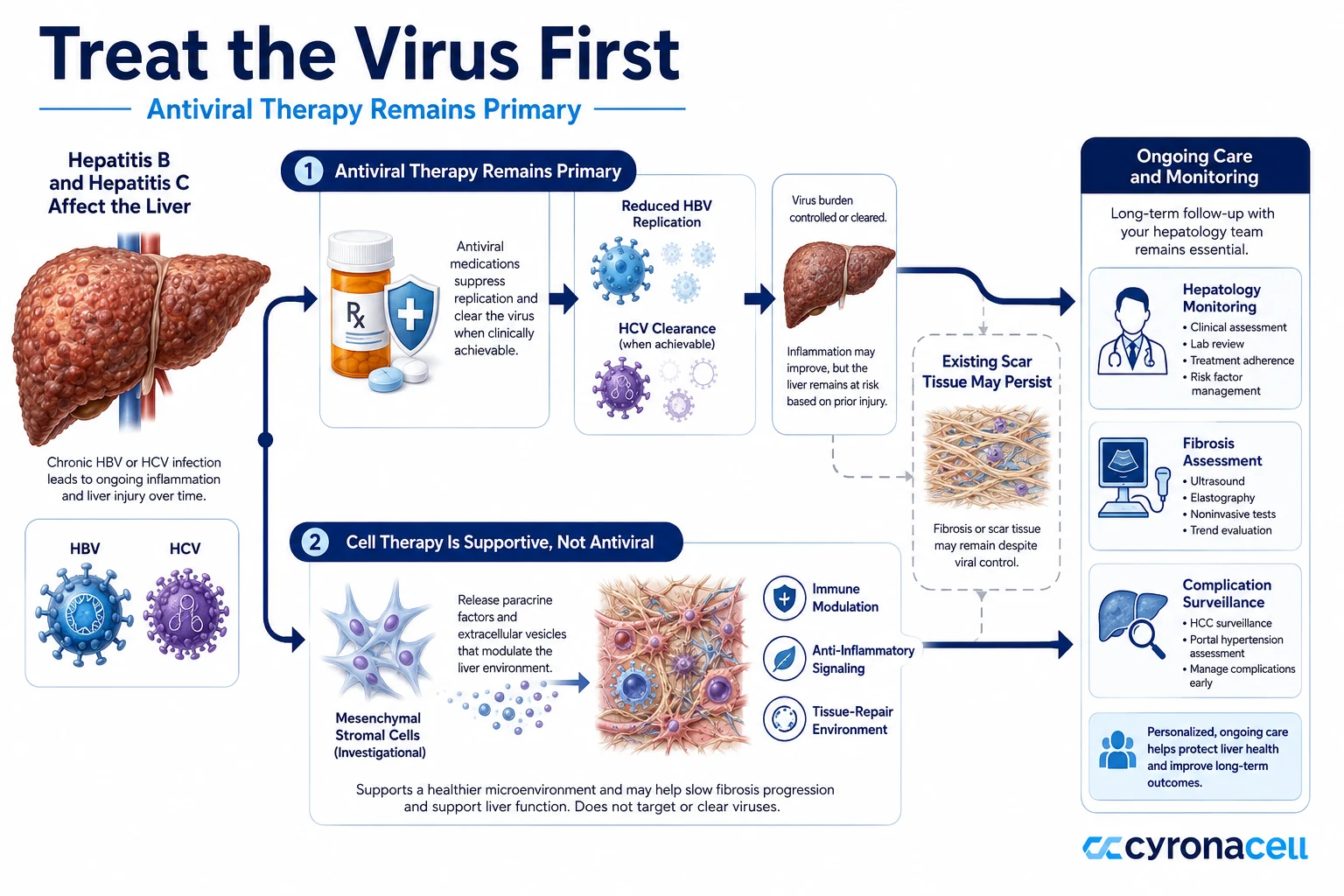
Viral hepatitis, including hepatitis B and C, remains a leading cause of chronic liver diseases worldwide. Antiviral medications now control many cases effectively, transforming what was once a progressive illness into a manageable condition.
Modern antivirals can even cure hepatitis C outright in many patients, something that seemed unlikely just two decades ago. Stem cell therapy is not a cure for the underlying viral infection itself, however.
Antiviral treatment remains the primary therapy for liver diseases caused by these viruses. Cell-based support, instead, may add value by supporting liver tissue already damaged by years of viral activity.
This becomes particularly relevant once cirrhosis has already developed. Curing the virus does not automatically reverse existing scar tissue. It works alongside antiviral care, not instead of it.
Patients who have already cleared hepatitis C may still carry significant liver damage. That damage can remain from years of prior infection. This is precisely the population where supportive cell therapy research has focused most attention.
Curious whether your case fits the current evidence for stem cell support? Submit your case for a free medical review.
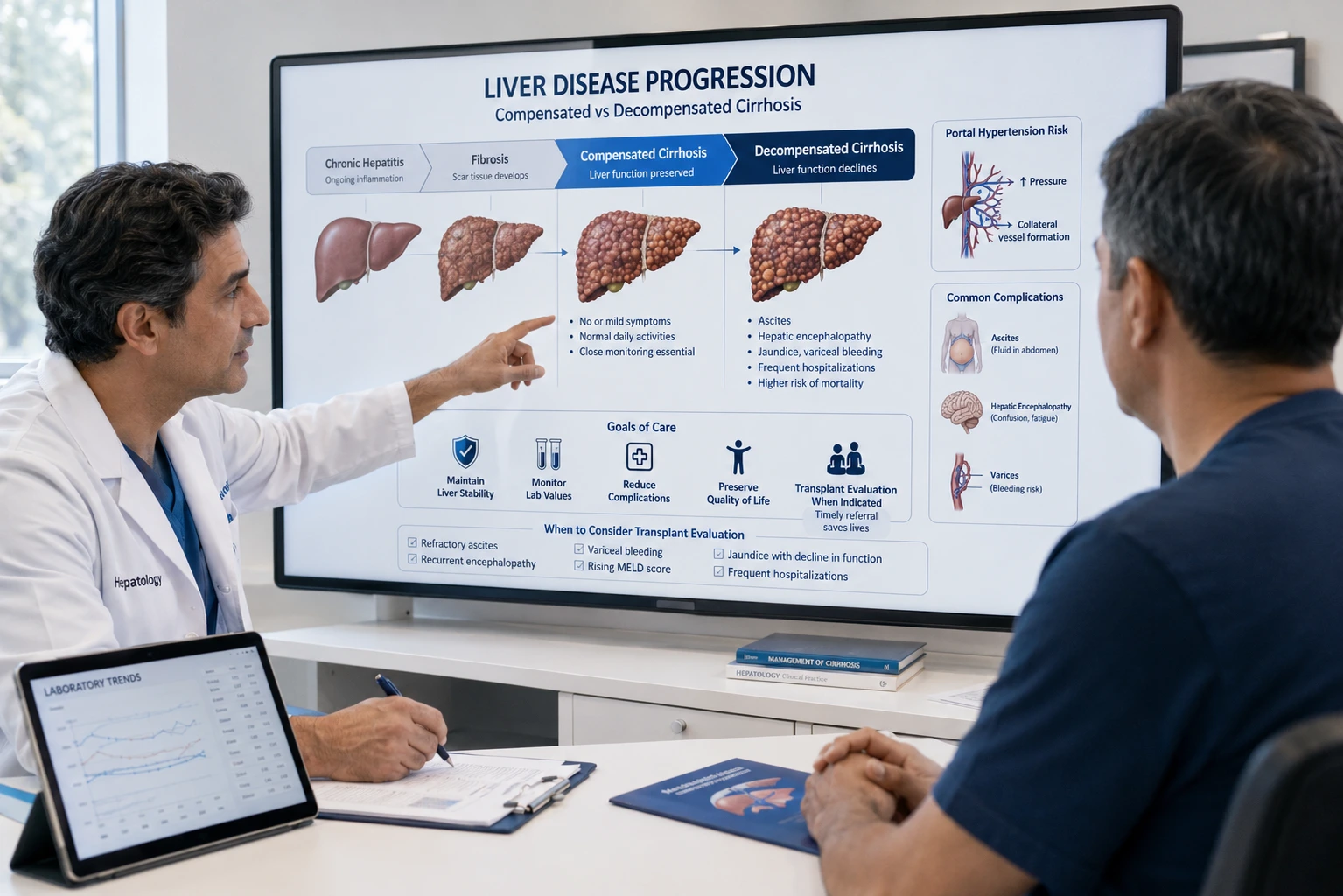
Realistic Expectations and Disease Progression
No current stem cell therapy reverses advanced cirrhosis completely. Even the strongest trial data described above, however, showed improvement rather than full restoration of normal liver function.
Advanced complications, regardless, require urgent specialist management even alongside any supportive therapy underway. Hepatic encephalopathy is one such complication, where liver failure affects brain function directly, causing confusion or drowsiness.
Realistic goals include steadier liver function tests, fewer complications, and better quality of life alongside standard care. Results, however, vary significantly by disease cause, stage, and overall health.
Patients with well-managed, compensated cirrhosis can often live for many years. Some live for decades, particularly when doctors successfully control the underlying cause, and complications remain manageable.
Those with more advanced disease face a more urgent timeline, by contrast. These patients should prioritize transplant evaluation above all else. Supportive therapies alone are unlikely to be sufficient at that stage.
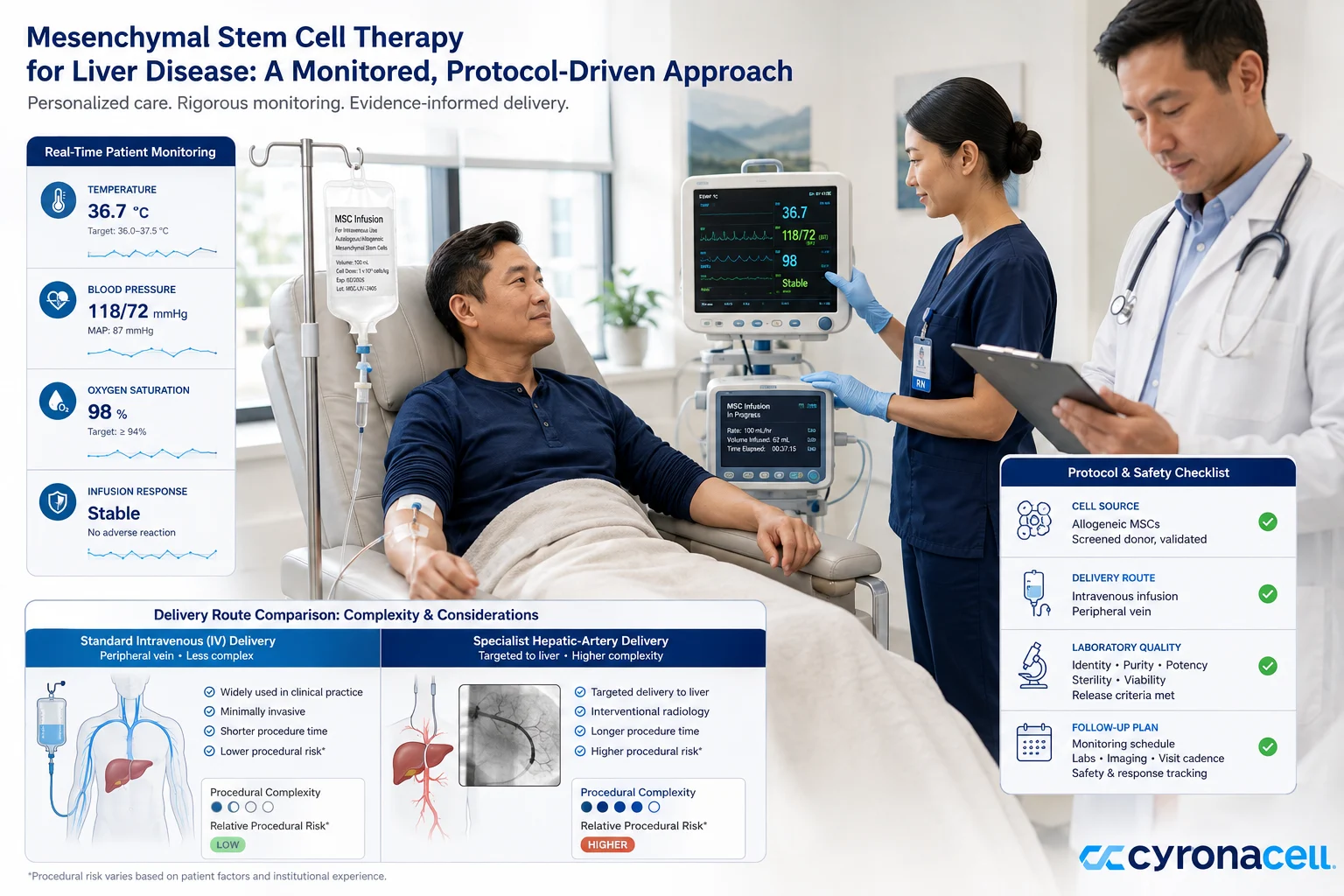
Side Effects and Safety Considerations
Reported side effects across most liver disease stem cell studies have been mild. These include, for example, temporary fever, discomfort at the infusion site, or fatigue.
Serious complications appear uncommon in the controlled studies discussed above. Delivery method matters for risk, though, since infusion through the hepatic artery differs from a simple intravenous drip.
Patients, therefore, should ask any clinic several direct questions before starting treatment. Which cell source does the clinic use, and how are cells delivered?
What safety monitoring is in place throughout treatment? Not every protocol has the same evidence base.
Frequently Asked Questions
Can stem cells repair liver cirrhosis?
Stem cells cannot fully repair advanced cirrhosis. Some trials show measurable improvement in liver function and reduced scarring markers. This, however, falls short of reversing established scar tissue entirely, and results vary considerably between studies.
What is the best treatment for liver cirrhosis?
Treatment depends heavily on cause and severity. Standard care includes treating the underlying cause, managing complications, and transplant evaluation for advanced cases.
Stem cell therapy, instead, remains a supportive, investigational option alongside these standard approaches. It does not replace any of them.
Has anyone lived for 20 years with cirrhosis?
Yes, particularly with compensated cirrhosis, where doctors control the underlying cause well. Survival varies enormously based on cause, stage, and how carefully doctors manage complications. No single number applies to everyone.
Can stem cell therapy cure hepatitis?
No. Stem cell therapy does not cure viral hepatitis itself. Antiviral medications remain the primary therapy for liver diseases caused by these viruses. Cell-based support may instead help liver tissue already affected by long-term damage from the infection.

A Supportive Option, Not a Replacement
Stem cell therapy for liver disease is not a cure. No responsible clinic should present it as one.
The strongest available trial data shows a genuine survival signal in one severe condition. Real limitations exist elsewhere, though, and patients weighing this option deserve both sides of that picture.
A careful medical review remains the right starting point for anyone considering this path. It should rest on current evidence, not hope alone.
Want to discuss whether your case fits current evidence? Message the Cyrona Cell team on WhatsApp.