clinical trials

Stem Cell Treatment for Congestive Heart Failure

Stem Cell Treatment for Congestive Heart Failure

Key Takeaways Stem cell treatment for congestive heart failure targets the weak heart muscle directly, rather than just managing symptoms. Mesenchymal stem cells MSCs release growth factors that support cardiac repair, reduce inflammation, and may promote the growth of new blood vessels in the heart. Clinical trials and clinical studies

Read More »
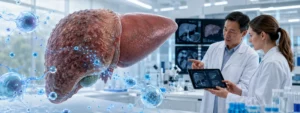
Cell Therapy for Liver Cirrhosis- What Patients Should Know

Cell Therapy for Liver Cirrhosis: What Patients Should Know

Quick Summary A 2026 Nature study (MATCH trial) shows autologous macrophage therapy may improve transplant‑free survival in cirrhosis. After 4 years, ~70% of treated patients were alive without liver transplant vs. ~40% in standard care. The treatment uses the patient’s own immune cells (macrophages) to reduce inflammation and support repair.

Read More »
Family Role in Rehab After Cell-Based Therapy for Hypoxic Brain Damage

Family Role in Rehab After Cell-Based Therapy for Hypoxic Brain Damage

Quick Summary Family support is essential for recovery after cell-based therapy for hypoxic brain damage. Families help with daily rehabilitation exercises, motor function practice, medication schedules, and emotional support. Recovery takes months or years, and consistent family involvement improves both short-term and long-term neurological outcomes alongside treatments like mesenchymal stem

Read More »
How does stem cell therapy work for autism

How does stem cell therapy work for autism

Quick Summary Stem cell therapy for autism aims to reduce brain inflammation, modulate the immune system, and support nerve cell communication. Types of stem cells studied include umbilical cord derived cells, bone marrow stem cells, and umbilical cord blood cells. Early clinical trials show potential improvements in social interaction and

Read More »
Alzheimer’s disease and stem cell therapy explained

Alzheimer’s disease and stem cell therapy explained

Quick Summary Stem cell therapy for Alzheimer’s uses mesenchymal stem cells (MSCs), neural stem cells (NSCs), or induced pluripotent stem cells (iPSCs) to repair damaged brain cells, reduce inflammation, and support the central nervous system. Early-stage patients may see improved memory and slower decline, but treatment is not yet a

Read More »
How Mesenchymal Stem Cells May Help Immune Balance in Relapsing-Remitting MS

How Mesenchymal Stem Cells May Help Immune Balance in Relapsing-Remitting MS

Quick Summary Mesenchymal stem cells (MSCs) help regulate immune responses in relapsing-remitting MS by interacting with immune cells, reducing inflammation, and providing neuroprotective effects. Unlike traditional immunosuppressive treatments, MSCs promote balanced immune modulation and may offer long-term stability with a favorable safety profile. How MSCs work: Interact with T cells

Read More »