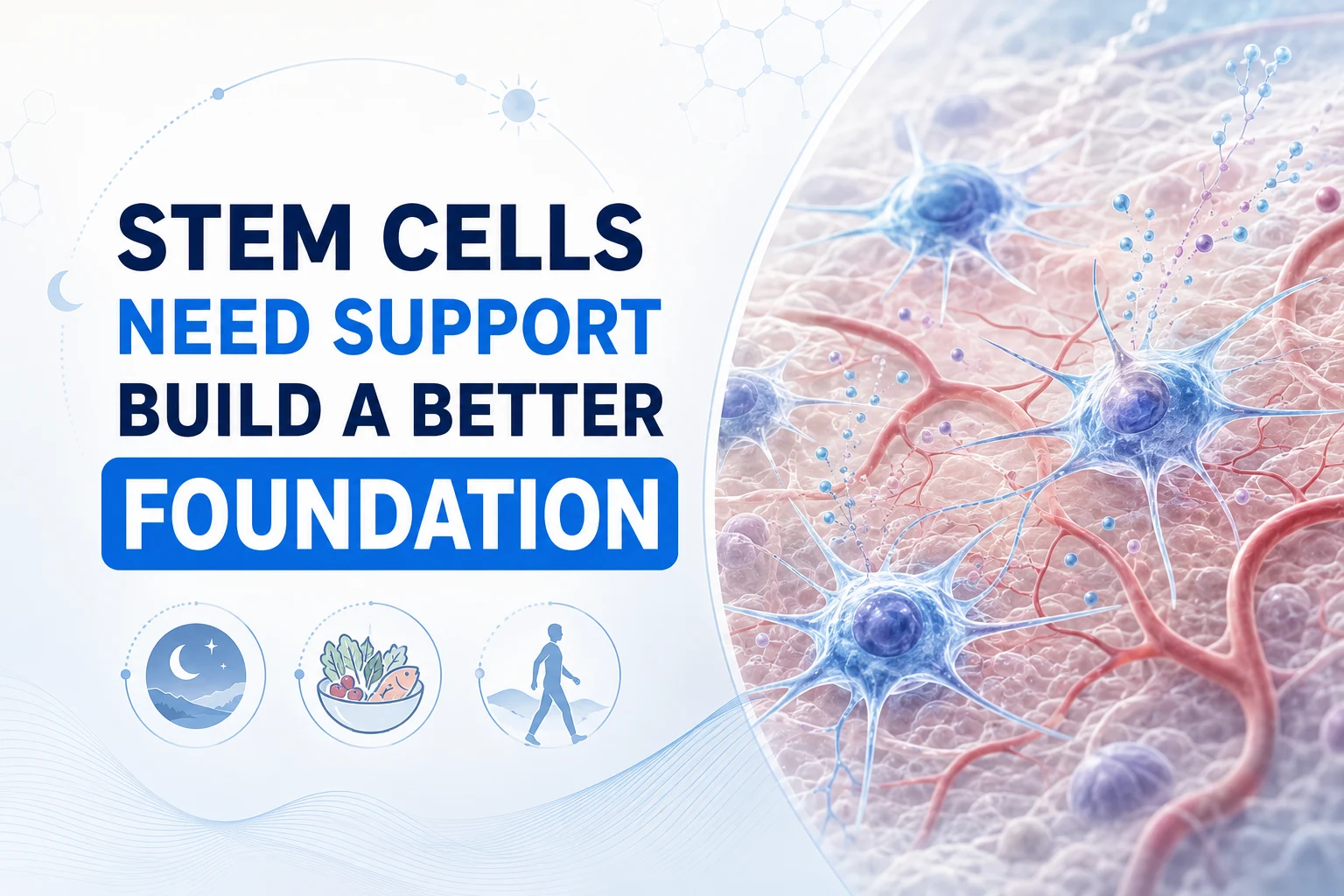
Key Takeaways
- Anti-aging stem cell therapy works best when paired with good sleep, as deep sleep helps direct stem cell repair.
- An anti-inflammatory diet lowers oxidative stress and supports the growth factors that stem cells release during repair.
- Regular exercise mobilizes your body’s own progenitor cells and may improve the engraftment of transplanted cells.
- These habits do not replace clinical treatment, but they build a stronger foundation for regenerative medicine to work.
- Always talk to a qualified provider before starting stem cell treatments or making major lifestyle changes.
Estimated read: 7 min
Anti-aging stem cell therapy rarely works alone. Your sleep, diet, and activity level shape how well your body uses treatment. This guide explains why sleep, nutrition, and exercise support cellular repair. It also explains how to pair these habits with treatment for better results.

Why Anti-Aging Stem Cell Therapy Works Better With Healthy Habits
Anti-aging stem cell therapy uses mesenchymal stem cells (MSCs) to support tissue repair and reduce inflammation. Cells work best in a healthy body, though. Because sleep, nutrition, and exercise change the internal environment those cells enter, they also affect how well treatment performs.
Chronic inflammation, poor circulation, and nutrient gaps can blunt how MSCs engraft and function. This is why our anti-aging stem cell treatment program pairs every plan with lifestyle guidance.
The goal is not just to add new cells. This approach also protects your overall health, allowing those cells to do their job.
In stem cell therapy for anti aging, timing and consistency often matter as much as the treatment itself. Therefore, the sections below walk through each habit individually, then show how they work together in daily life.
How Sleep Supports Stem Cell Repair
First, sleep is one of the most overlooked tools in cell-based therapy. During deep sleep, melatonin and cortisol follow a rhythm that helps direct stem cell activity and repair.
A 2025 review in Stem Cell Research and Therapy looked at this link. It found that disrupted sleep weakens stem cell renewal and tissue repair.
As a result, poor sleep can undermine anti-aging stem cell therapy. Consequently, aim for seven to nine hours of consistent sleep around the time of treatment. This matters even more for older adults, since sleep naturally becomes lighter with age.
Simple Sleep Habits to Try
- Keep a fixed bedtime and wake time, even on weekends
- Limit screens for an hour before bed
- Keep your bedroom cool, dark, and quiet
- Avoid caffeine in the late afternoon and evening

How Nutrition Fuels Repair and Fights Oxidative Stress
Next, food shapes the chemical environment in which your stem cells live. Diets high in sugar and saturated fat can lead to chronic inflammation. This kind of inflammation speeds up the aging process.
Research in the Journal of Cellular Physiology looked at oxidative stress, cell damage caused by unstable molecules. It found that this damage can reduce how well mesenchymal stem cells grow and function.
An anti-inflammatory diet gives your body the nutrients it needs. These nutrients support the growth factors that trigger repair. Focus on the following foods.
- Colorful vegetables and fruits
- Oily fish and healthy fats like olive oil
- Nuts and seeds
- Lean protein at regular meals
Keeping a healthy body weight also plays a key role, since excess fat tissue is a steady source of inflammation. In addition, limit ultra-processed snacks, sugary drinks, and fried food where possible. Small, consistent changes beat extreme diets over the long term.
How Exercise Activates Your Body’s Repair Signals
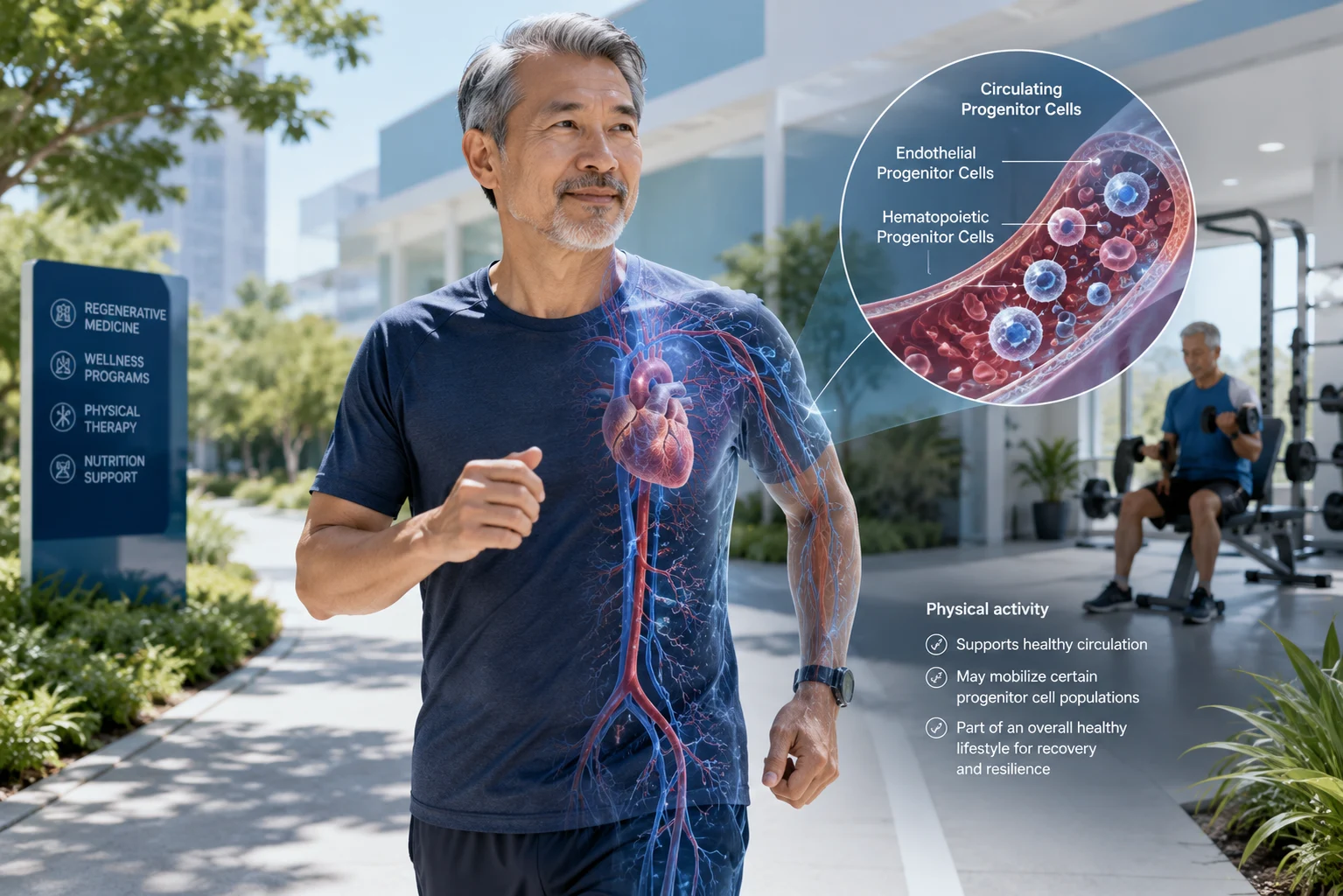
Movement does more than build muscle. Regular aerobic and resistance training, for example, activates your body’s own stem and progenitor cells and moves them into circulation.
A review of how exercise activates stem cells compared intense and steady training. Both raised circulating progenitor cells, even in older adults.
As a result, entering treatment already active, rather than sedentary, may support better outcomes. Exercise also improves circulation and supports steadier energy levels and body weight.
A Simple Weekly Activity Guide
- Brisk walking or swimming, three to four times a week
- Light resistance training twice a week, if your provider approves
- Gentle stretching or mobility work on rest days
- A short pause on strenuous exercise around your treatment date, then a gradual return
Bringing Sleep, Nutrition and Exercise Together
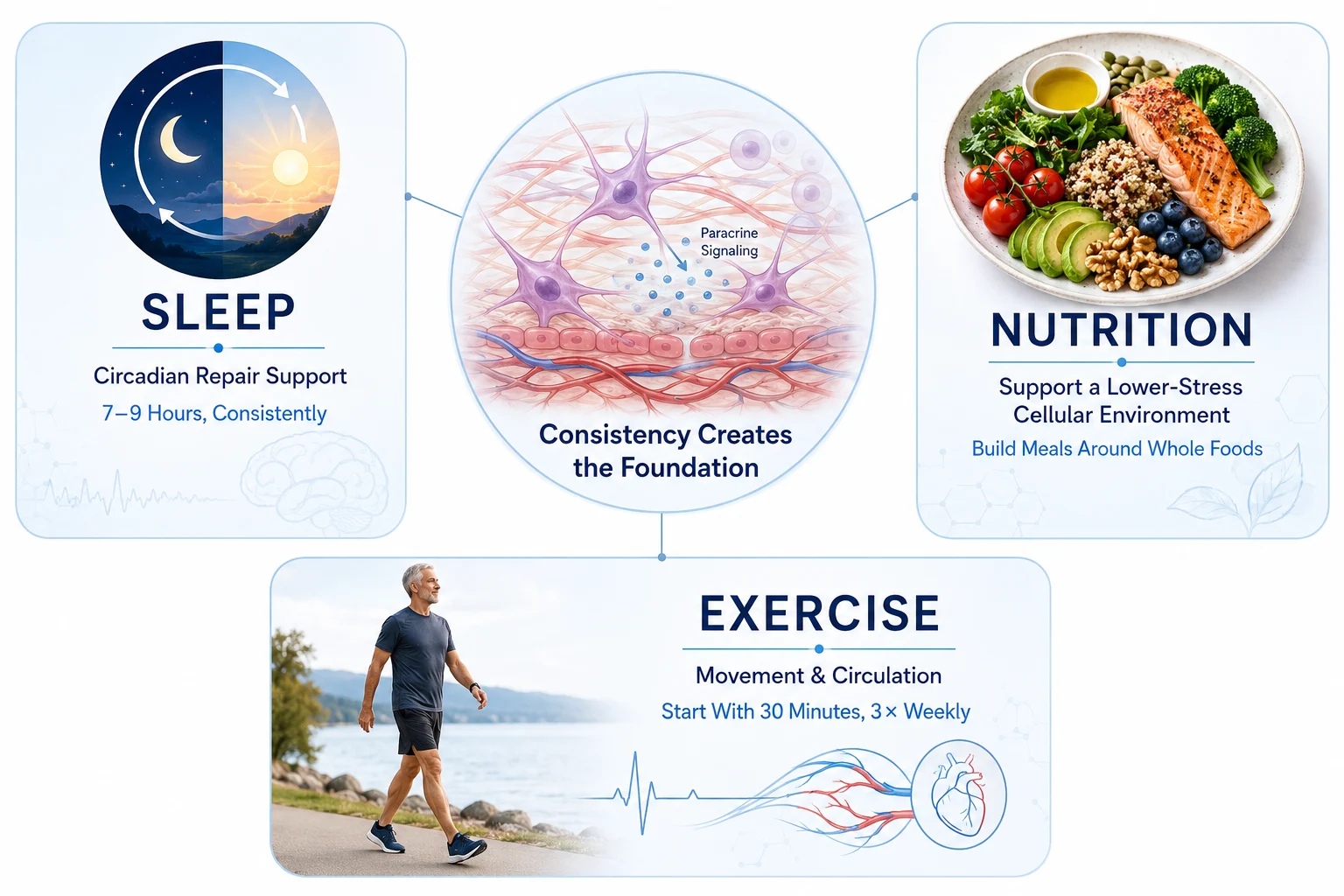
None of these three habits works as well alone as it does with the other two. Instead, consistency matters more than intensity, especially in the weeks leading up to treatment.
| Pillar | What It Supports | Simple Starting Point |
|---|---|---|
| Sleep | Circadian repair signals | Fixed bedtime, 7 to 9 hours |
| Nutrition | Lower cell stress | Anti-inflammatory meals |
| Exercise | Stem cell activation | 30 minutes, three times weekly |
For the wider picture on the aging process, read our related article. It looks at whether stem cell therapy could transform medicine and slow ageing.
Most regenerative medicine research treats these habits as partners to treatment, not extras. Building even one of them into a steady weekly routine helps. In addition, the other two tend to follow, and small wins compound over time.
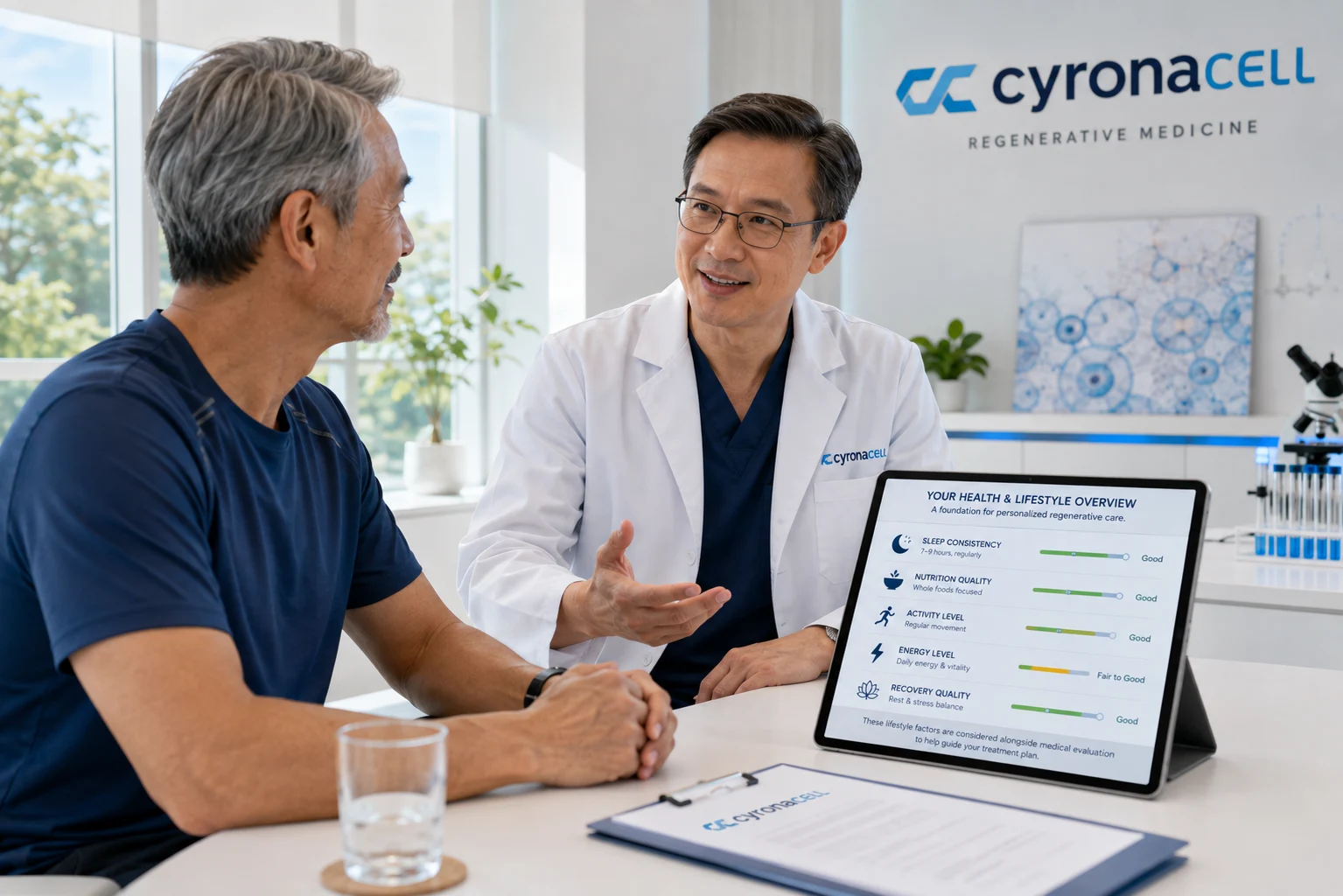
A simple weekly check-in helps you track sleep, meals, and activity in one place. It also helps your provider spot patterns early and adjust your plan before small issues grow.
Who Benefits Most From Combining Lifestyle Changes With Treatment
Anyone considering anti aging treatments can benefit from tightening up sleep, food, and activity first. It matters most, though, for people managing chronic inflammation, low energy levels, or fading cognitive function.
These treatments also work differently than surface-level approaches like retinoids or collagen supplements. For example, our guide on anti-aging stem cell treatment vs traditional anti-ageing covers this in more depth. It explains what changes inside your cells, not just on your skin.
Signs You Might Be a Good Fit
- You notice slower recovery, lower energy levels, or brain fog alongside visible aging.
- You already follow, or are ready to follow, consistent sleep, nutrition, and exercise habits.
- You want a plan that addresses causes, not just surface signs of aging
- You are comfortable with a gradual, multi-month timeline rather than instant results
These changes happen at a cellular level. As a result, the effects on quality of life build gradually, not overnight. Realistic timelines matter as much as the treatment plan itself.
This is true whether you are local to Malaysia or traveling in for care. Both groups need the same honest expectations before they start.

Safety Considerations and Realistic Expectations
Anti-aging stem cell treatments are generally well tolerated, though they can have side effects, as with any medical procedure. Before recommending a plan, your provider should review the following.
- Your medical history and current medications
- Your immune responses and general immune system health
- Any recent illness, surgery, or major lifestyle change
What Happens During Your Consultation
- A review of your health history, medications, and current lifestyle
- A discussion of realistic goals for sleep, nutrition, and exercise
- An honest conversation about side effects and what results are possible
- A personalized plan, including any pre-treatment lifestyle adjustments
Combining treatment with the habits in this article does not guarantee a specific result. Still, it gives your body a stronger foundation to work with. A short consultation is usually the best way to learn what a realistic plan looks like for you.
Our team can help determine whether you are a good candidate for treatment. We can walk you through how the process works and answer questions about your health history.
Ready to see how anti-aging stem cell therapy could fit your routine? Start your application, and our care team will build a plan around your sleep, nutrition, and activity levels.
Frequently Asked Questions
Can stem cell therapy help reverse aging?
Stem cell therapy does not reverse the aging process the way turning back a clock would. Instead, it may support tissue repair, reduce chronic inflammation, and improve certain markers associated with aging. Results vary, and evidence in this area is still developing.
How can I regrow stem cells naturally?
Your body does not regrow stem cells on demand. However, you can support the ones you already have through consistent sleep, regular exercise, and an anti-inflammatory diet. These are the same three habits covered in this guide on anti-aging stem cell therapy.
What are the top 5 stem cell supplements?
No proven list of supplements reliably boosts stem cell activity in people. Compounds like NMN, CoQ10, resveratrol, and curcumin also show early promise in lab research.
Human evidence in this area remains limited. Talk to your provider before adding any supplement to your plan.

Start Your Anti-Aging Stem Cell Therapy Assessment
Have questions about pairing treatment with your sleep, food, or fitness routine? Call us at +6018 222 0032 or message us on WhatsApp.