Key Takeaways
- Novartis paused eight autoimmune and nerve disease trials of its rap-cel CAR-T cell therapy on August 24, 2026.
- Three patients died from immune effector cell-associated hemophagocytic syndrome (IEC-HS).
- Bristol Myers Squibb had already paused its zola-cel autoimmune trials in early June after separate inflammatory reactions.
- No regulator has issued a public rap-cel-specific safety hold as of this report.
- The pause covers seven diseases, including systemic lupus erythematosus, multiple sclerosis, and myasthenia gravis.
Estimated read: 5 min
Novartis has confirmed eight CAR-T trials paused this week. The decision follows three patient deaths tied to a severe immune reaction linked to its rap-cel cell therapy.
These studies covered lupus, multiple sclerosis, and several other autoimmune diseases. Bristol Myers Squibb halted a similar program weeks earlier.
The overlap raises a fair question. Are all cell therapies the same?
Why Were the CAR-T Trials Paused?
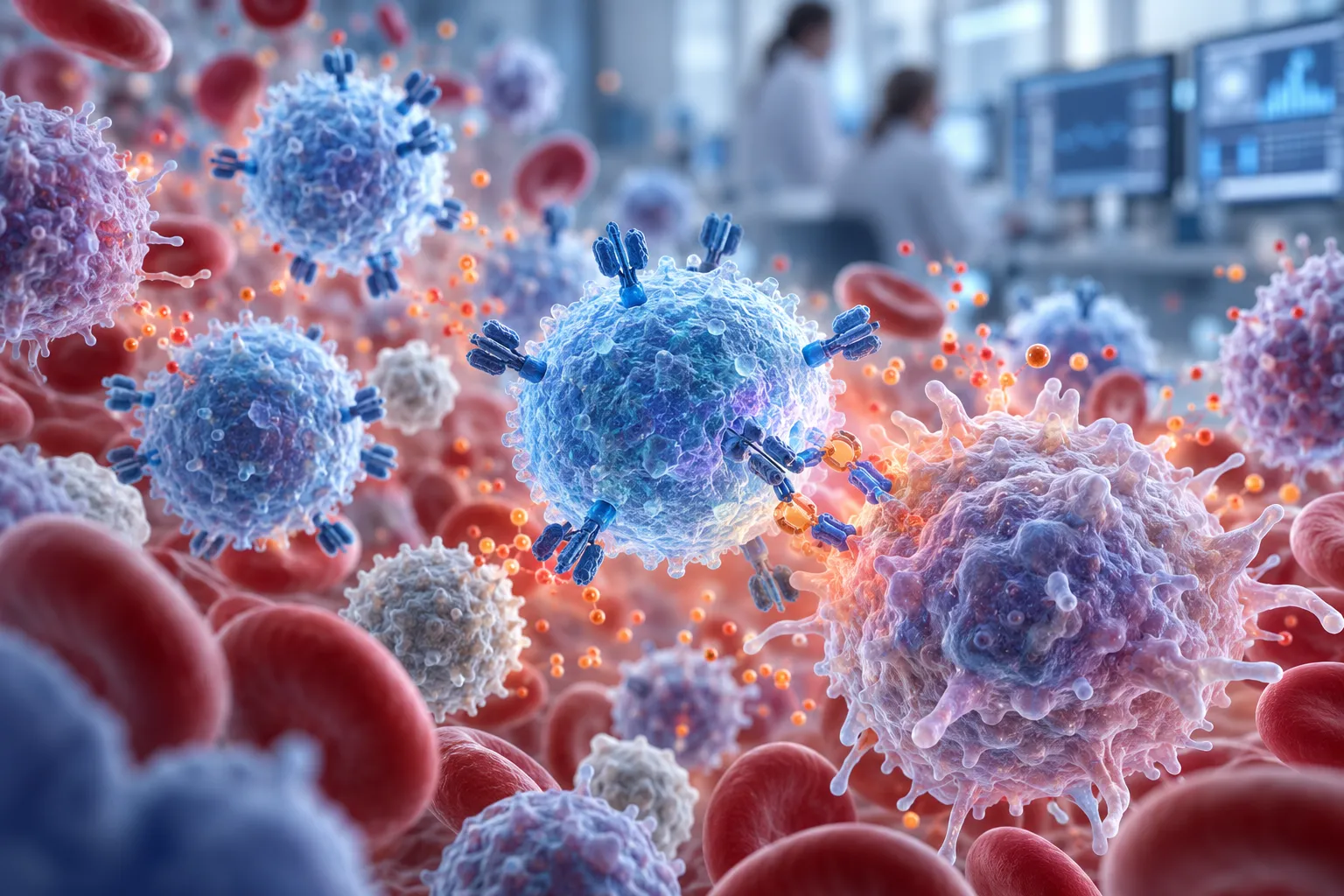
Novartis paused eight autoimmune and nerve disease studies of rap-cel on August 24, 2026. Three patients had developed life threatening immune effector cell-associated hemophagocytic syndrome, known as IEC-HS. All three cases proved fatal, since none of the patients recovered, according to Reuters’ report on the paused trials.
The company launched a comprehensive review and is working with independent safety boards while its oncology studies continue unaffected.
These affected studies spanned seven diseases, including systemic lupus erythematosus, systemic sclerosis, vasculitis, and myasthenia gravis. Novartis voluntarily paused enrollment rather than waiting for a regulator to act first.
No FDA, EMA, or other agency has issued a safety notice for rap-cel to date. Novartis also has not said how many patients it actually treated before stopping new dosing.
Did Bristol Myers Squibb Pause a Similar CAR-T Trial?
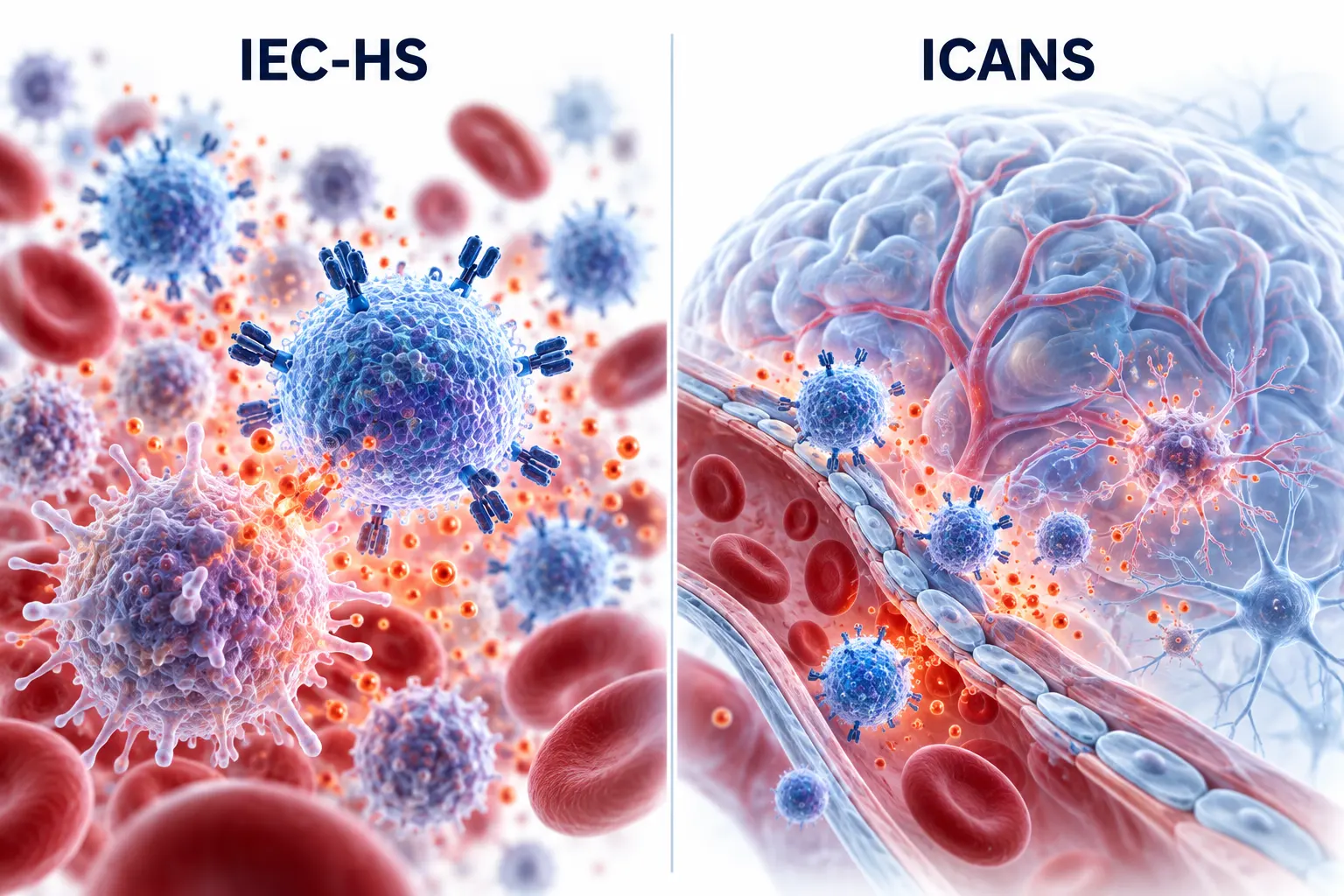
Bristol Myers Squibb paused its own autoimmune program in early June, weeks before Novartis acted. In the trial of zola-cel, the company reported transient and reversible inflammatory events. It said these reactions were not fatal complications.
Later reporting linked those cases to ICANS, a different CAR-T toxicity affecting the nervous system. That connection appeared in additional reporting on the safety pause.
The timing raises a fair question about disclosure. BMS’s pause predates Novartis’s by nearly three months, yet both became widely known only after journalists compared trial records.
Patients and advocacy groups have since asked one question. Yet why did the companies not share the reversible inflammatory events more broadly at the time?
Novartis shares actually rose after the news broke. However, analysts tie that move mainly to unrelated phase III results for its multiple sclerosis drug remibrutinib. Both stories landed the same week, so the stock price offers little insight into how investors weigh the rap-cel setback.
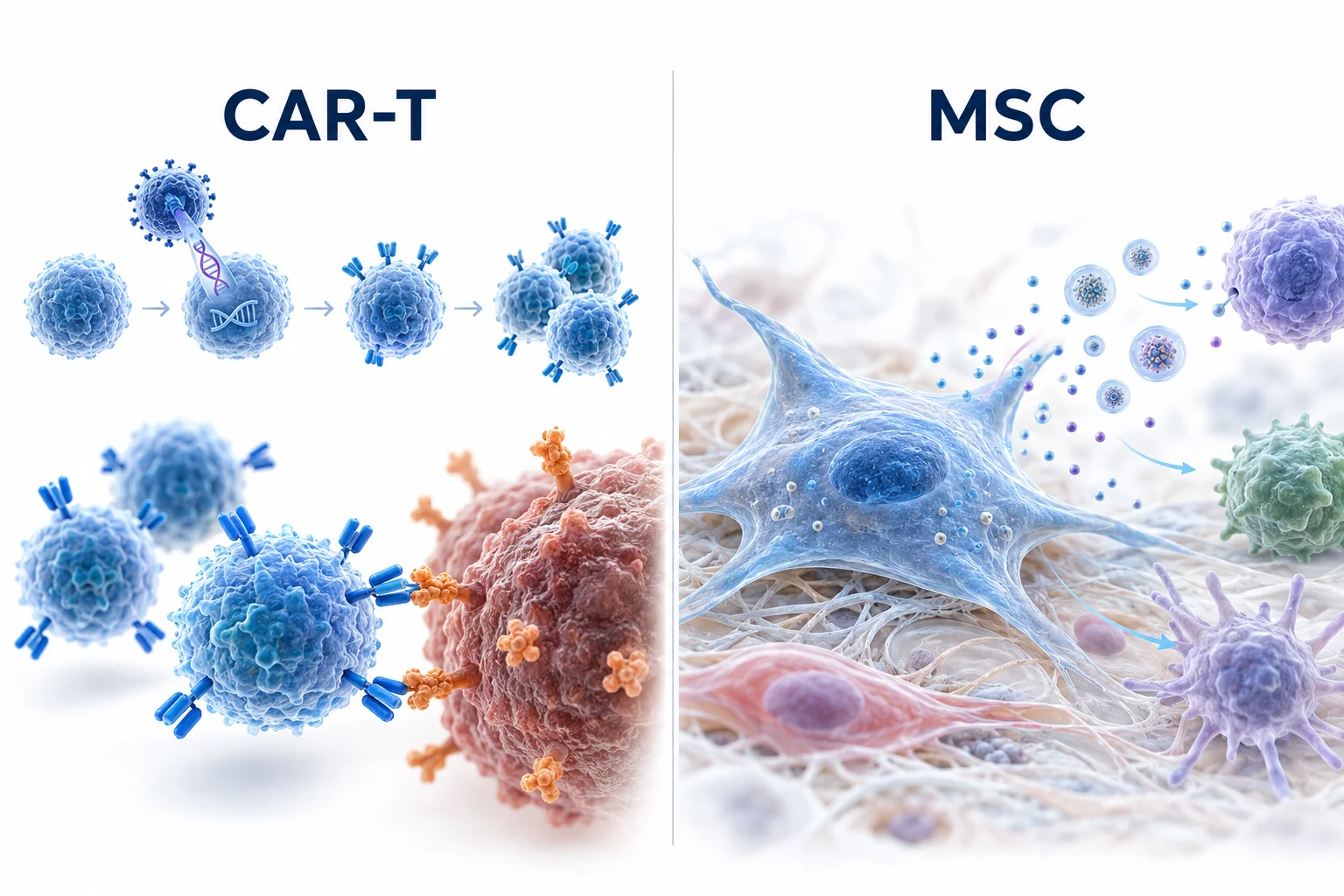
Are All Cell Therapies the Same?
The two are not the same, and that distinction matters. CAR T cell therapy engineers a patient’s own immune cells to hunt specific targets, then multiplies them before infusion. That precision drives strong results, as shown in a 2026 CD19 CAR-T autoimmune study.
Yet it can also overwhelm the immune system when those cells expand faster than expected.
Mesenchymal stem cell approaches work differently. Rather than reprogramming immune cells to attack, they aim to calm inflammation and support tissue repair.
Our overview of mesenchymal stem cell research for multiple sclerosis outlines that calming mechanism in more detail. The contrast is worth noting before assuming every therapy carries the same risk.
Not every batch of CAR T therapies shares the same manufacturing process either. Rap-cel’s rapid manufacturing method aims to preserve younger, more expandable T cells.
Some analysts say that feature could explain more forceful immune reactions. That link remains a hypothesis, not a confirmed cause. For a broader look at how these approaches diverge, see how exosome therapy differs from stem cell treatment.

What Happens Next for Patients and Trials?
The CAR-T trials paused leave patients already treated still under observation. Novartis says monitoring continues even though new enrollment has stopped. The company maintains that its oncology safety profile remains consistent with prior data despite the autoimmune pause.
Regulators still have not published a rap-cel-specific hold, and no lawsuit tied to the deaths has surfaced publicly. The larger unresolved point is whether the fatal side effects trace back to dose, disease biology, or manufacturing.
That question is one the comprehensive review has not yet answered. Until Novartis identifies a specific driver, a staggered restart looks more likely than a blanket resumption.
Frequently Asked Questions
Why did Novartis pause its CAR-T trials?
The CAR-T trials paused covered eight autoimmune and nerve disease studies. In fact, three patients developed fatal IEC-HS, the severe immune reaction described above. Independent safety boards are now reviewing the cases alongside Novartis before deciding on any restart.
Is this the same issue Bristol Myers Squibb reported?
The situation differs in one key way. BMS described transient, reversible inflammatory events that were later linked to ICANS.
Novartis, by contrast, confirmed three fatal cases of IEC-HS. Both companies paused enrollment in autoimmune programs within months of each other.
Does this mean all cell therapies carry the same risk?
No. CAR-T reprograms immune cells to attack specific targets.
Other cell therapies, such as mesenchymal stem cell treatments, instead calm inflammation rather than multiplying engineered cells. Risk profiles differ by mechanism, dose, and disease.

What This Means for Ongoing Research
The CAR-T trials paused this week do not settle one key question. Is the risk specific to rap-cel, or shared across rapidly manufactured cell therapies?
For example, smaller academic programs are studying CD19 CAR-T in lupus and rheumatoid arthritis. These programs have not reported similar fatalities so far. That gap between early promise and two halted programs will likely shape how researchers design future autoimmune cell therapy trials.