Family Role in Rehab After Cell-Based Therapy for Hypoxic Brain Damage

How family support helps brain recovery and daily healing after treatment

Quick Summary

Family support is essential for recovery after cell-based therapy for hypoxic brain damage. Families help with daily rehabilitation exercises, motor function practice, medication schedules, and emotional support. Recovery takes months or years, and consistent family involvement improves both short-term and long-term neurological outcomes alongside treatments like mesenchymal stem cells or bone marrow stem cells.
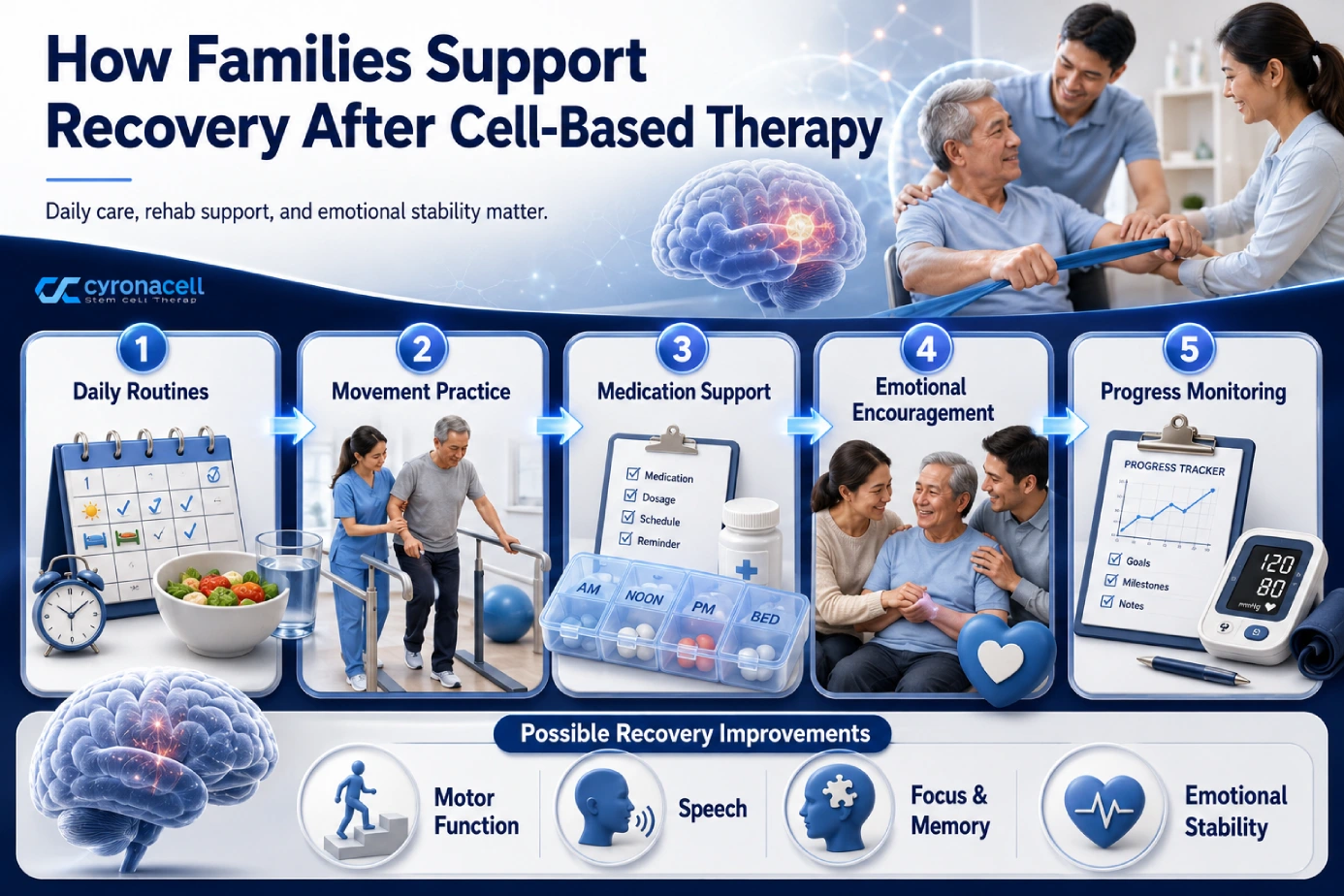
  • How families help: Daily routines, walking practice, movement exercises, monitoring blood pressure, emotional encouragement
  • Cell-based therapies: Mesenchymal stem cells, bone marrow stem cells, umbilical cord derived cells, stromal cells
  • Possible improvements: Better motor function, speech, focus, memory, emotional stability
  • Most sensitive brain area: Hippocampus (controls memory and learning) is most vulnerable to oxygen loss
  • Recovery timeline: Can take months or years; early treatment and rehab improve outcomes
  • Key insight: Recovery is medical, emotional, and daily-life based; family support is critical
Estimated read: 5 min
Keywords: hypoxic brain damage, cell-based therapy, family support, neurological function, stem cell therapies

How family support helps brain recovery and daily healing after treatment

We look at how family role in rehab after cell-based therapy for hypoxic brain damage can strongly support recovery after brain injury. After cell based therapy, patients still need daily care, guidance, and emotional support at home to improve both short term and long term outcomes.

Recovery after hypoxic brain damage is often slow. It can affect motor function, neurological function, memory, and daily life skills. Because of this, family members play a key role in the healing process.

Why family support is very important

After brain injury, patients often cannot do daily tasks alone. Even after treatments like stem cell therapies or a stem cell transplant, recovery continues for months or even years.

Family members help by:

  • Supporting daily routines and care
  • Helping with walking, eating, and movement exercises
  • Watching changes in blood pressure and health
  • Giving emotional support and encouragement
  • Helping follow therapy plans

This support helps the brain adjust and heal over time.

Why family support is very important

How cell based therapy helps the brain

Cell based therapy is a medical approach that tries to repair damaged brain tissue. It may include:

  • Mesenchymal stem cells
  • Bone marrow stem cells
  • Umbilical cord derived cells from human umbilical cord
  • Stromal cells used in regenerative medicine research
  • In some cases, embryonic stem cell studies

These stem cell therapies release growth factors that may help repair damaged areas in the brain. They also support neurological function and improve communication between brain cells.

What recovery looks like after treatment

Every patient recovers differently. Some may improve faster, while others need more time.

Possible improvements include:

  • Better motor function and movement
  • Improved speech and communication
  • Better focus and memory
  • More emotional stability

However, recovery depends on injury severity, age, and therapy plan.

Family role in daily rehab

Family role in daily rehab

Family support is one of the most important parts of recovery.

They help by:

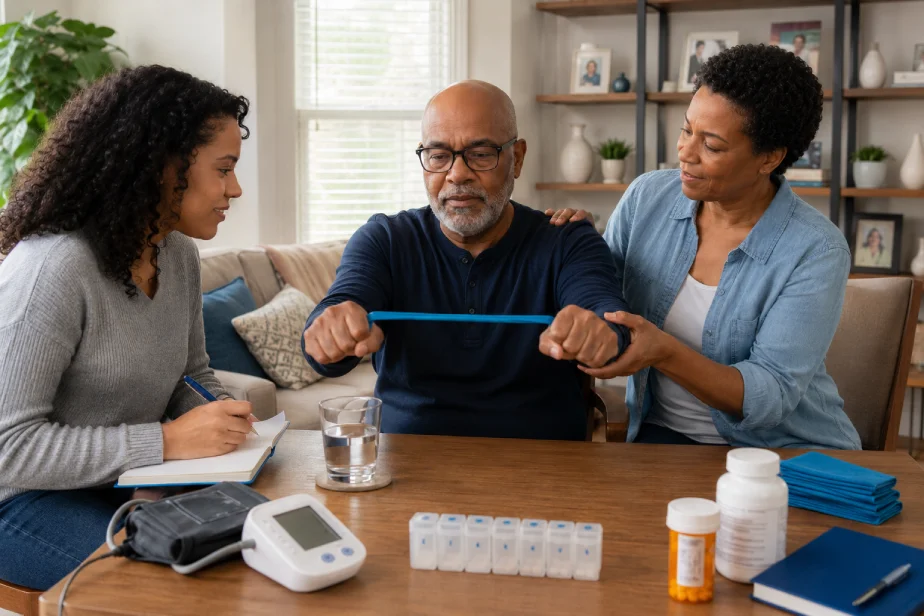
  • Guiding daily rehabilitation exercises
  • Helping with walking and movement practice
  • Supporting medication schedules
  • Tracking neurological function changes
  • Encouraging the patient every day

This support helps improve motivation and reduces stress.

Family Support Area How Families Help Potential Recovery Benefit
Daily Rehabilitation Assist with movement exercises and therapy routines Supports motor function and physical recovery
Walking & Mobility Practice Help with safe walking and balance activities May improve coordination and independence
Medication Support Track medication schedules and appointments Helps maintain treatment consistency and safety
Monitoring Health Changes Watch for blood pressure, fatigue, or neurological changes Supports early response to potential complications
Emotional Encouragement Provide reassurance, motivation, and calm communication May reduce stress and improve emotional stability
Social Interaction Encourage conversations and daily engagement Supports cognitive function and mood
Routine & Structure Maintain regular schedules for sleep, meals, and therapy Helps create stability during long-term recovery

Emotional support during recovery

Brain injury recovery is not only physical. Many patients feel confused, tired, or frustrated.

Family members help by:

  • Talking and giving comfort
  • Helping reduce fear and stress
  • Encouraging social interaction
  • Keeping a positive environment

This emotional support helps brain healing in a natural way.

What research and clinical trials show

What research and clinical trials show

Clinical trials from different countries, including the United States, show that recovery improves when rehabilitation is consistent and family support is strong.

Studies also show that mesenchymal stem cells and other stem cell therapies may help improve neurological function in both short term and long term recovery stages.

Final insight on recovery and family care

As we explore family role in rehab after cell-based therapy for hypoxic brain damage, it becomes clear that recovery is not only medical. It is also emotional and daily life based. Family support helps improve motor function, neurological function, and overall quality of life after brain injury.

FAQ

Can someone recover after a hypoxic brain injury?

Yes, some people can recover after hypoxic brain injury. Recovery depends on how long the brain was without oxygen and how severe the damage is. Early treatment and strong rehabilitation improve outcomes. Cell based therapy and family support may also help improve motor function and neurological function over time.

The hippocampus is one of the most sensitive parts of the brain to oxygen loss. It controls memory and learning. When oxygen is low, this area is often affected first, which is why memory problems are common after hypoxic brain damage.

The prognosis depends on injury severity. Mild cases may improve with time and therapy. Severe cases may cause long term disability. Rehabilitation, stem cell therapies, and family support can help improve quality of life and recovery outcomes.

Treatment includes emergency care, oxygen support, and rehabilitation therapy. Some patients may also receive cell based therapy in research settings. Long term care focuses on improving motor function, neurological function, and daily living skills.

Stem cell therapies may help repair damaged brain cells by releasing growth factors and supporting healing. They are still being studied in clinical trials and are not a guaranteed cure, but they may improve recovery when combined with rehabilitation and family support.

Author

Leave a Reply

Your email address will not be published. Required fields are marked *