How does stem cell therapy work for autism

Understanding brain repair behavior support and current science

Quick Summary

Stem cell therapy for autism aims to reduce brain inflammation, modulate the immune system, and support nerve cell communication. Types of stem cells studied include umbilical cord derived cells, bone marrow stem cells, and umbilical cord blood cells. Early clinical trials show potential improvements in social interaction and behavior, but treatment remains experimental with varying results and no confirmed cure.
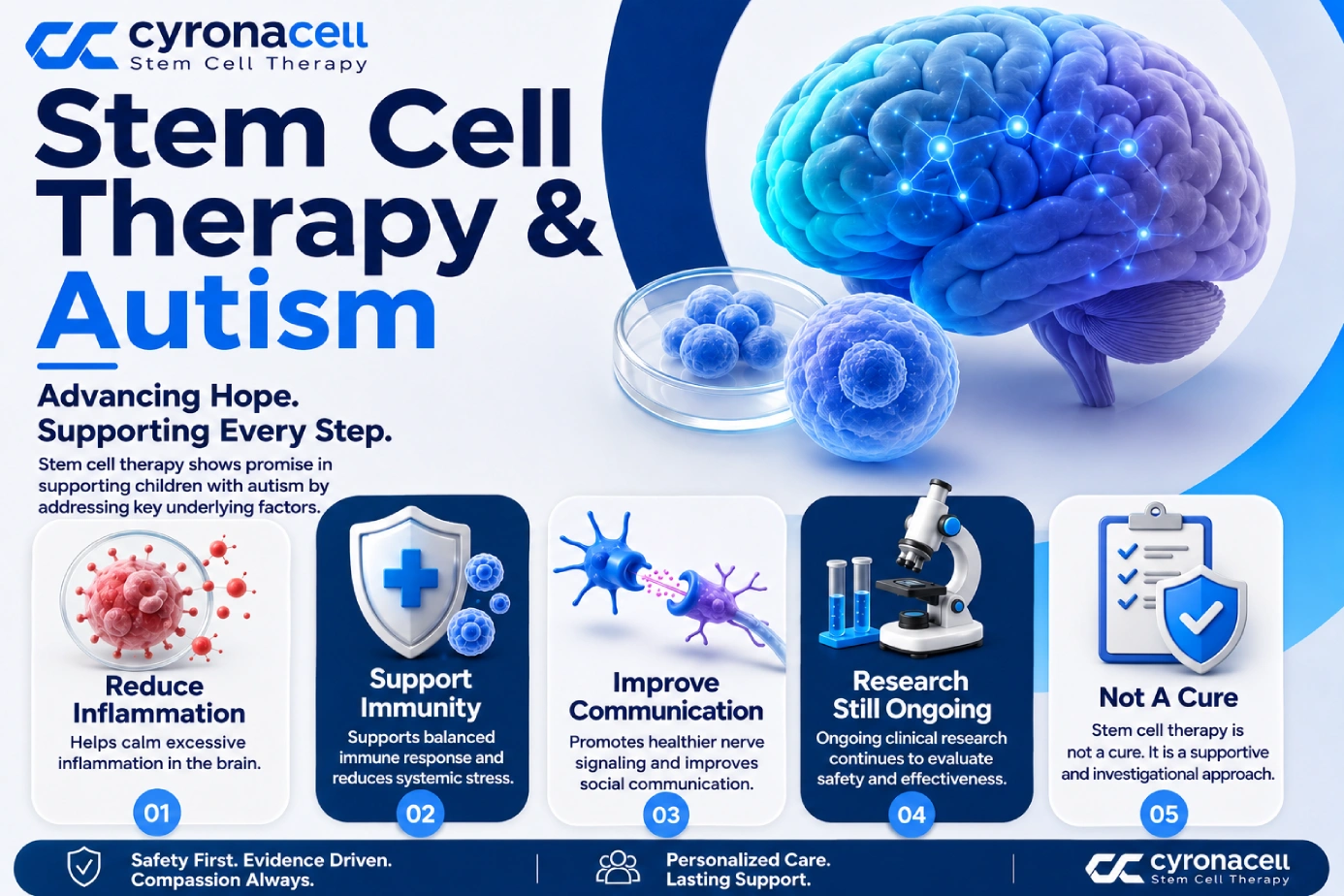
  • How it may work: Reduce brain inflammation, modulate immune system, support brain function, improve nerve cell communication
  • Cell types used: Umbilical cord derived, bone marrow stem cells, umbilical cord blood cells
  • Early research shows: Possible improvements in social interaction, communication skills, attention and behavior
  • Safety: Mild side effects possible (fever, fatigue, temporary discomfort); doctors monitor closely
  • Limitations: Experimental, results vary, long-term effects unknown, not a cure
  • Best approach: Combined with behavioral therapy, speech therapy, and supportive care
Estimated read: 5 min
Keywords: stem cell therapy for autism, autism spectrum disorders, umbilical cord derived cells, modulating immune system, clinical trials

Understanding brain repair, behavior support, and current science

In this article, we explore how does stem cell therapy work for autism and what current science says about this emerging approach. Many families are looking for new options for autism spectrum disorders asds, especially when traditional therapies do not fully improve social skills or daily function. Stem cell research is now studying whether cell treatment for autism can support brain development and behavior over time.

What is autism and why new treatments are being studied

Autism spectrum disorders asds affect communication, behavior, and social skills. Many children with autism show differences in how brain cells communicate and process information.

Because of this, researchers are exploring regenerative medicine to understand if stem cell treatment can help improve brain function. The goal is not to “cure” autism but to support development and quality of life.

How stem cell therapy may work for autism

How stem cell therapy may work for autism

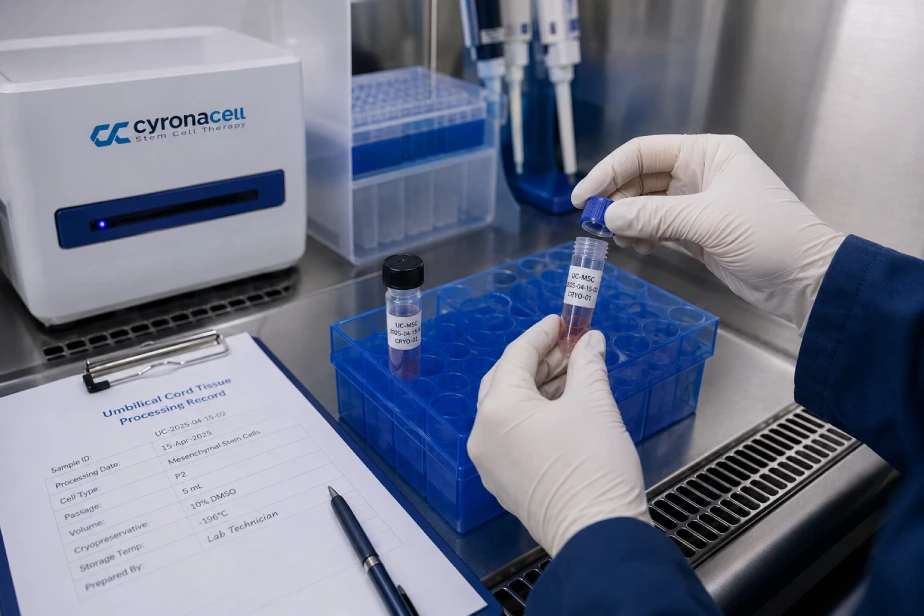
Stem cell therapy focuses on repairing or supporting the body using different types of stem cells. These include cells from bone marrow, umbilical cords, umbilical cord blood, and umbilical cord tissue.

In theory, stem cells may help by:

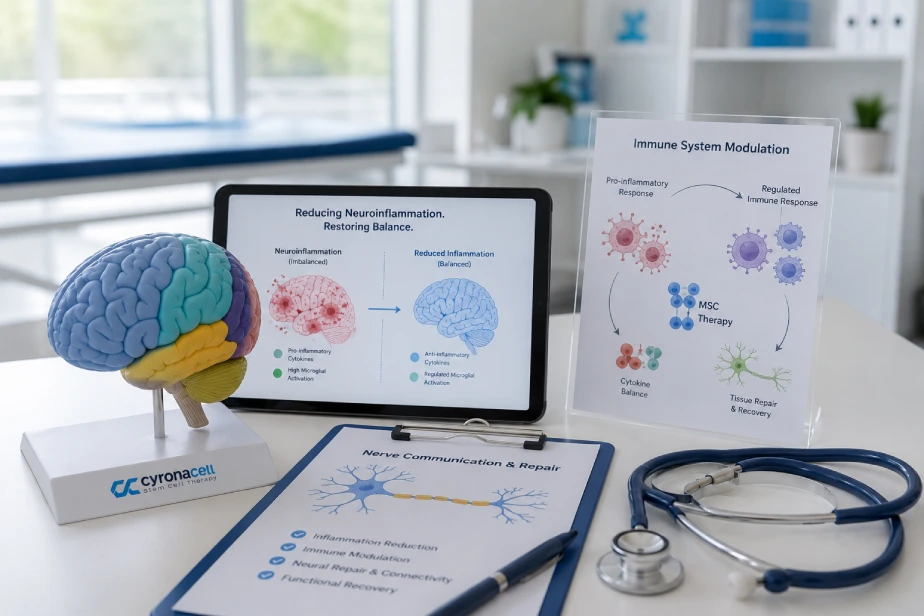
  • Reducing inflammation in the brain
  • Modulating the immune system
  • Supporting blood cells and brain function
  • Improving communication between nerve cells

Some studies suggest that stem cell injection may help regulate immune response, which can affect behavior and development in children with autism.

Types of stem cells used in research

Scientists study different types of stem cells to understand which may work best:

Umbilical cord derived cells

These cells come from umbilical cords and are rich in healing potential. They are widely studied in clinical trials.

Bone marrow stem cells

These cells come from bone marrow and are known for supporting immune and tissue repair functions.

Umbilical cord blood cells

These are blood cells collected from umbilical cord blood and are used in early research for neurological conditions.

Each type of stem cell is tested under strict treatment protocols to ensure safety and effectiveness.

Stem Cell Type Source Potential Role in Autism Research Current Research Status
Umbilical Cord Derived Cells Umbilical cord tissue May help reduce inflammation and support nerve communication Widely studied in early clinical trials
Bone Marrow Stem Cells Bone marrow Supports immune regulation and tissue repair Experimental use in regenerative medicine research
Umbilical Cord Blood Cells Cord blood collected after birth May support brain development and immune balance Studied for neurological and developmental conditions
Stem Cell Injection Therapy Various approved research sources Investigated for improving social and behavioral function Still considered experimental
Combined Supportive Therapy Stem cells with behavioral therapies Supports broader developmental progress Recommended alongside evidence-based care
What research shows so far

What research shows so far

Current research shows mixed but interesting results. Some early clinical trials report improvements in:

  • Social interaction
  • Communication skills
  • Attention and behavior patterns

However, results are not the same for all children with autism. Long term effects are still being studied, and more large scale trials are needed.

Safety and possible side effects

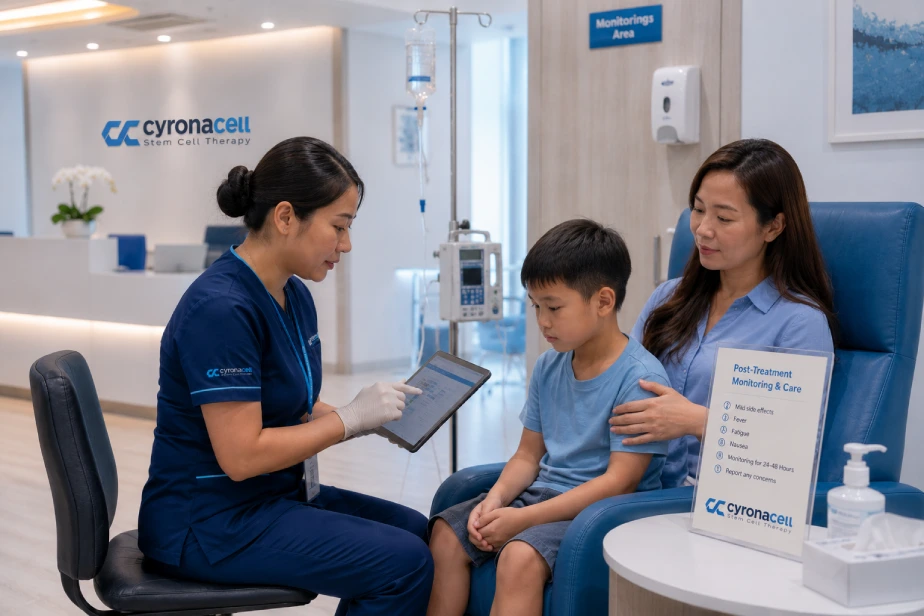
Like any medical approach, stem cell treatment may have side effects. These can include mild fever, fatigue, or temporary discomfort after stem cell injection.

Because of this, doctors carefully monitor patients during treatment protocols. Safety remains the top priority, especially when working with children with autism.

Important limitations to understand

Important limitations to understand

Even though research is growing, stem cell therapy is still experimental for autism spectrum disorders asds. It is not a confirmed cure.

Doctors emphasize:

  • Results vary from patient to patient
  • Long term effects are still unknown
  • Not all children respond the same way
  • More research is needed before wide use

Future of autism treatment with stem cells

The future of cell treatment for autism looks promising but still developing. Scientists continue to study how stem cells may support brain growth, reduce inflammation, and improve communication between cells.

As clinical trials expand, we may better understand how stem cell therapy can fit into broader autism care.

Closing Insights on Stem Cell Therapy and Autism Care

Closing Insights on Stem Cell Therapy and Autism Care

As we explore how does stem cell therapy work for autism, it becomes clear that science is still learning. While early research shows potential benefits, stem cell therapy should be viewed as an experimental option, not a guaranteed solution.

Families should always seek medical advice and focus on safe, evidence based care plans for children with autism.

FAQ

How long does it take for stem cell therapy to work for autism

Results from stem cell treatment for autism vary. In some clinical trials, early changes in behavior, attention, or social skills may appear within a few weeks to a few months. However, long term effects depend on the child, the types of stem cells used, and the treatment protocols. Research shows that improvements are gradual, not immediate, and require ongoing evaluation.

There is no single best treatment for autism spectrum disorders asds. The most effective approach combines behavioral therapy, speech therapy, and supportive care. Some studies also explore stem cell treatment for autism as a potential option to support brain function, reduce inflammation, and improve social skills. However, it is still considered experimental and not a replacement for standard therapies.

Level 1 autism is usually managed through behavioral therapy, social skills training, and educational support. In some research settings, cell treatment for autism is being studied to understand its effects on communication and behavior. Stem cell approaches aim to support brain cells and modulating the immune system, but they are not yet a standard treatment.

Different types of stem cells are studied in clinical trials for autism spectrum disorders asds. These include cells from bone marrow, umbilical cords, and umbilical cord blood. Research shows that these cells may help reduce inflammation, support brain cells, and modulating the immune system, which may improve social skills and behavior in children with autism.

Yes, like any medical stem cell treatment, there can be side effects. Some patients may experience mild fever, fatigue, or temporary discomfort after stem cell injection. Clinical trials show that most effects are short term, but long term effects are still being studied. Doctors carefully monitor safety during all treatment protocols.

Author

Leave a Reply

Your email address will not be published. Required fields are marked *