Key Takeaways
- Doctors in Shanghai transplanted stem cell derived islet tissue into a man with type 2 diabetes in 2019.
- The patient stopped using insulin injections within eleven weeks and stayed insulin-free for years afterward.
- A separate 2026 study used the same method in three patients with type 1 diabetes, with similar results.
- Chinese and US regulators cleared related therapies for early human trials in 2025 and 2026.
- The approach remains experimental, needs immune-suppressing drugs, and has only been tested in a handful of people.
Estimated read: 7 min
Stem-cell-derived islets for type 2 diabetes: what happened? In 2019, Shanghai doctors gave a 59-year-old kidney transplant patient an experimental islet transplant grown from his own cells. Within eleven weeks, he stopped taking insulin, and his blood sugar stayed stable for years after.
Stem-Cell-Derived Islets for Type 2 Diabetes: What Happened?
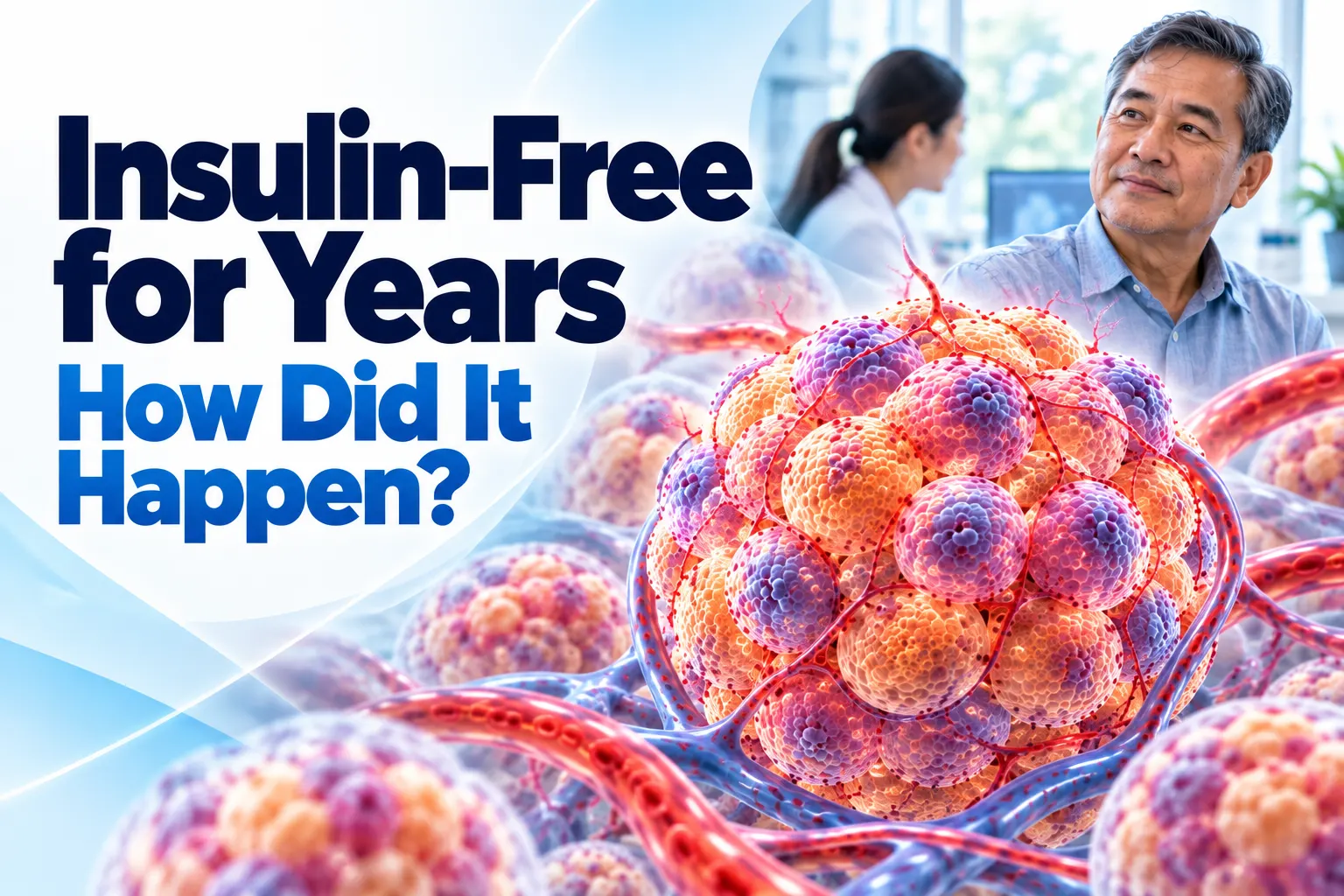
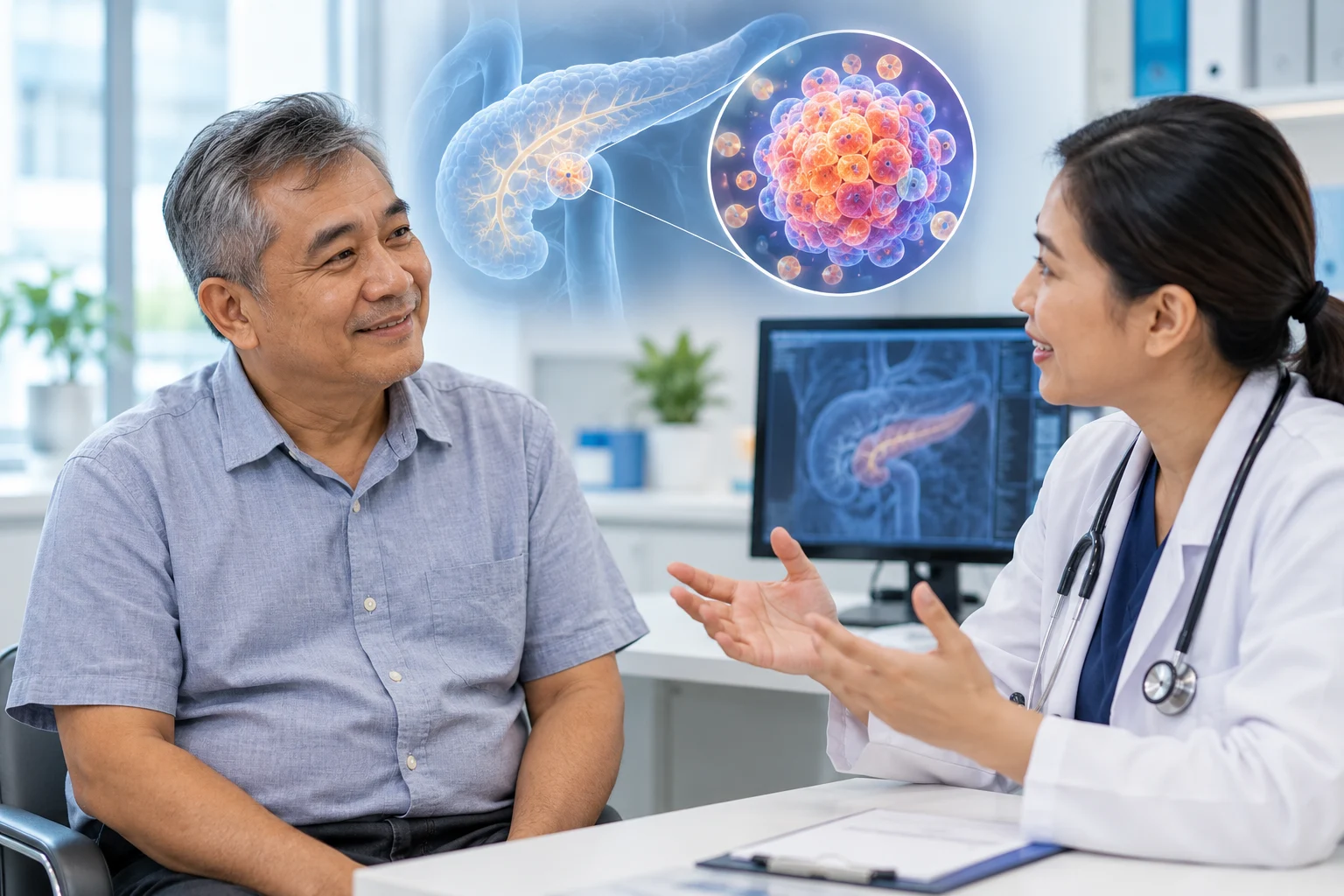
In 2019, surgeons in Shanghai implanted a stem cell derived islet graft into a man with severe type 2 diabetes. The tissue came from his own reprogrammed cells, so his immune system did not attack it. Eleven weeks later, he no longer needed insulin injections.
The diabetic patient was 59 years old. He had lived with type 2 diabetes for 25 years and received a kidney transplant in 2017. By late 2019, his blood sugar swung between dangerous highs and lows, which threatened that transplanted kidney.
Standard treatment alone could not stabilize his blood sugar. Doctors offered the transplant as an alternative to relying only on exogenous insulin.
How Do Stem Cell-Derived Islet Transplants Work?
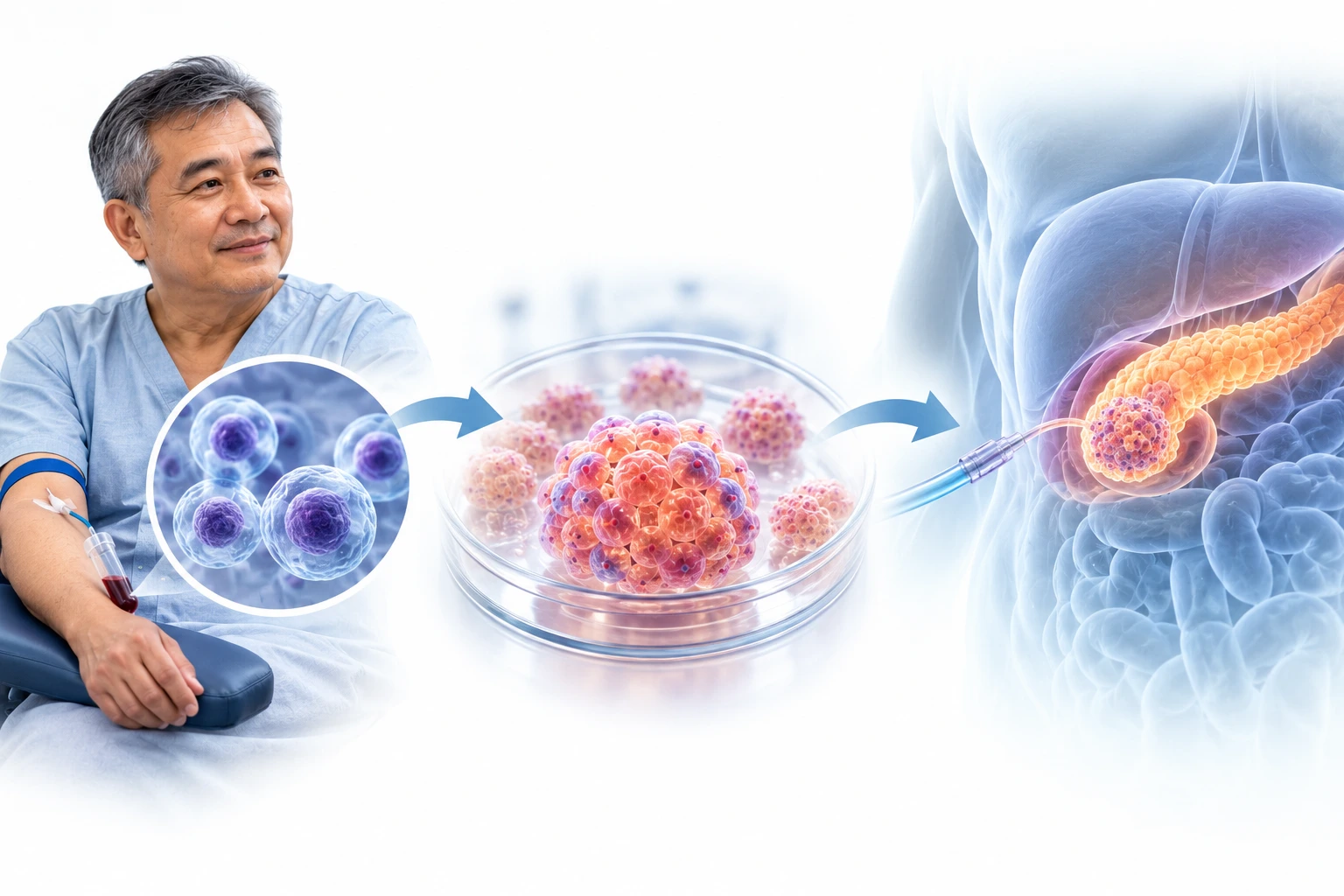
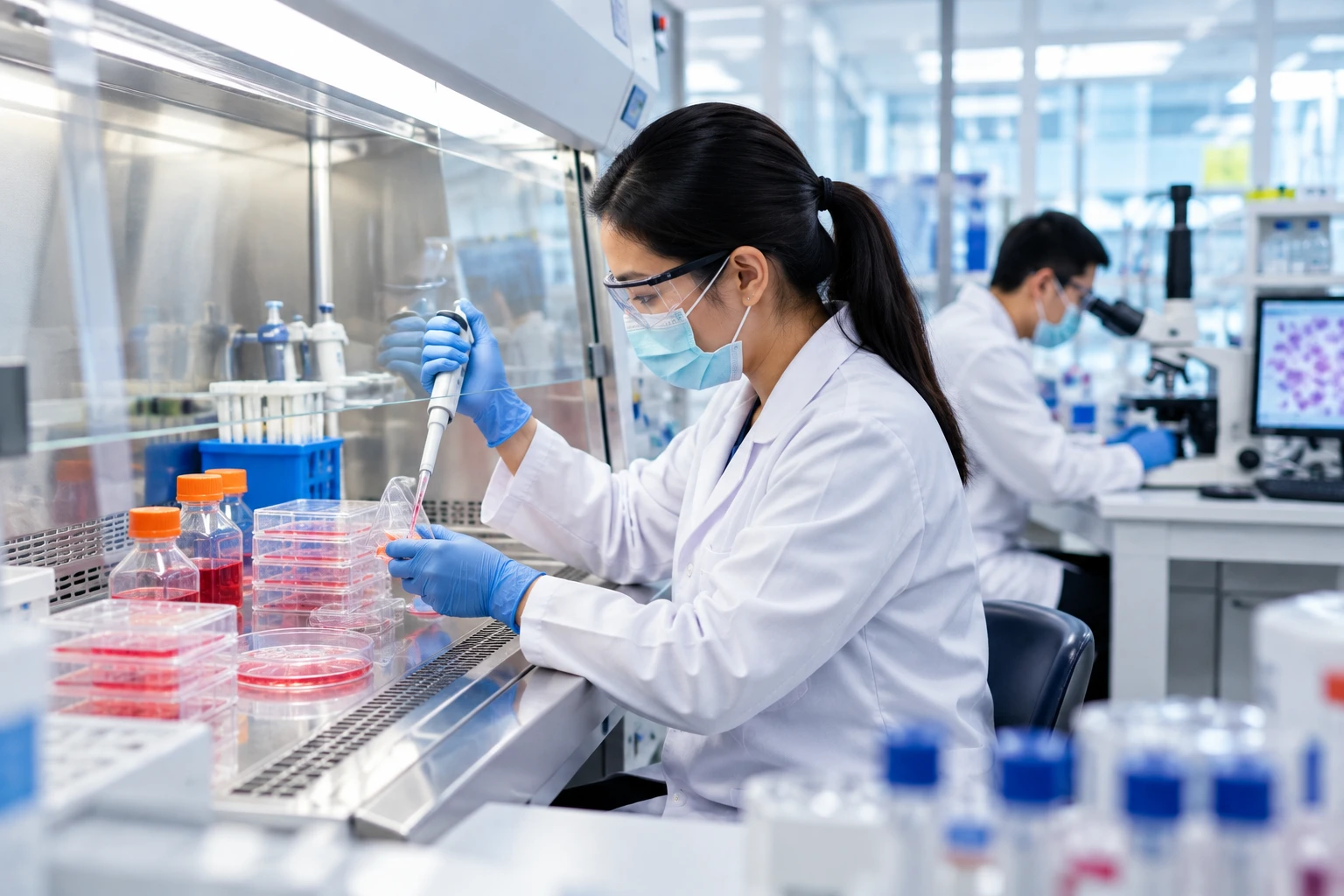
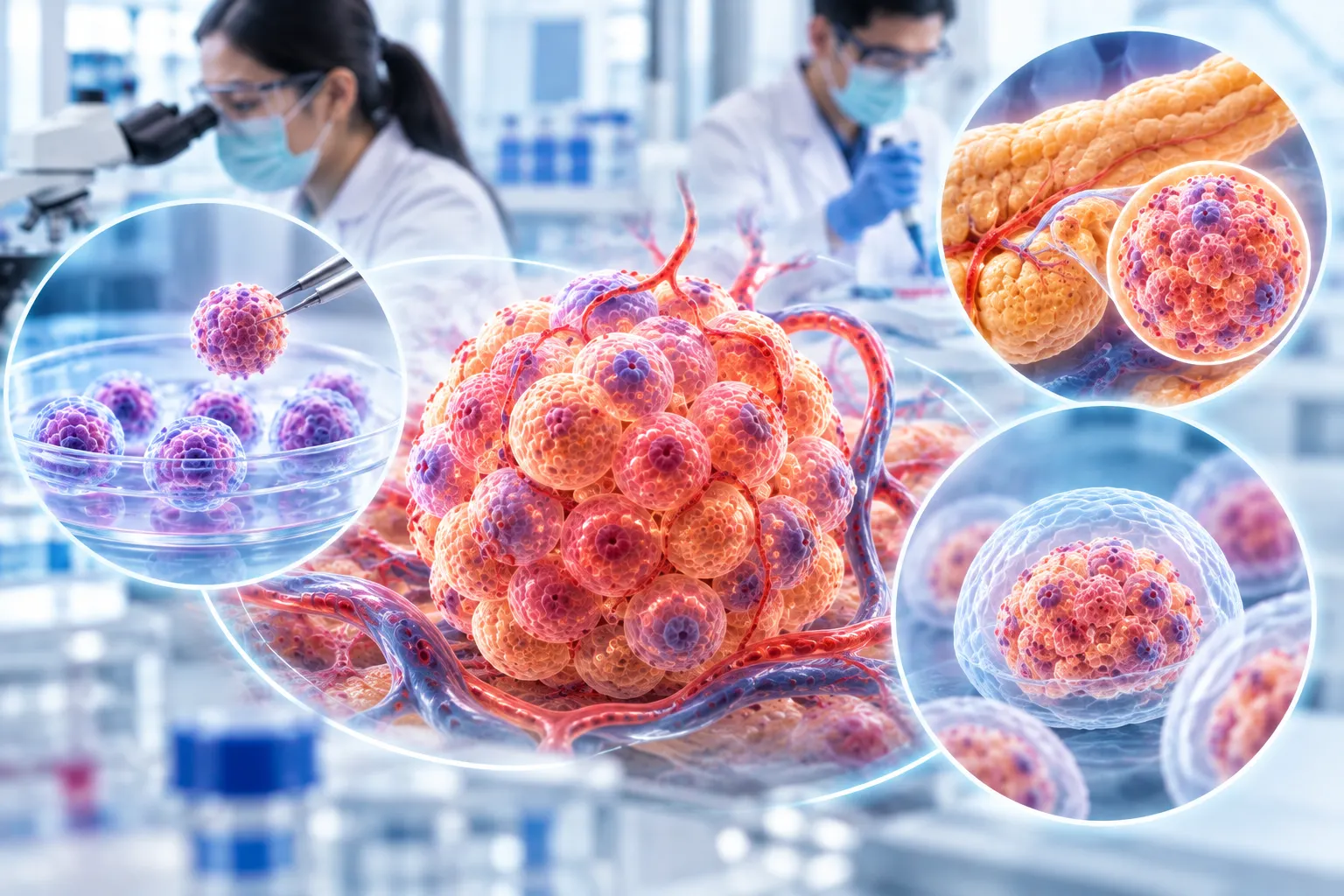
Researchers first turn a patient’s own cells into endoderm stem cells (EnSCs). They then grow that tissue into insulin-producing islets in the lab. Surgeons place the finished tissue back into the same patient.
This differs from older methods built on human pluripotent stem cells. Those cells carried a small risk of forming tumors after transplant. EnSCs sit among several in-between cell types and stop multiplying once implanted, which lowers that risk.
Researchers first tested this cell replacement therapy in mice and monkeys. Only after those results held up did the team move to a human patient.
What the Clinical Results Showed
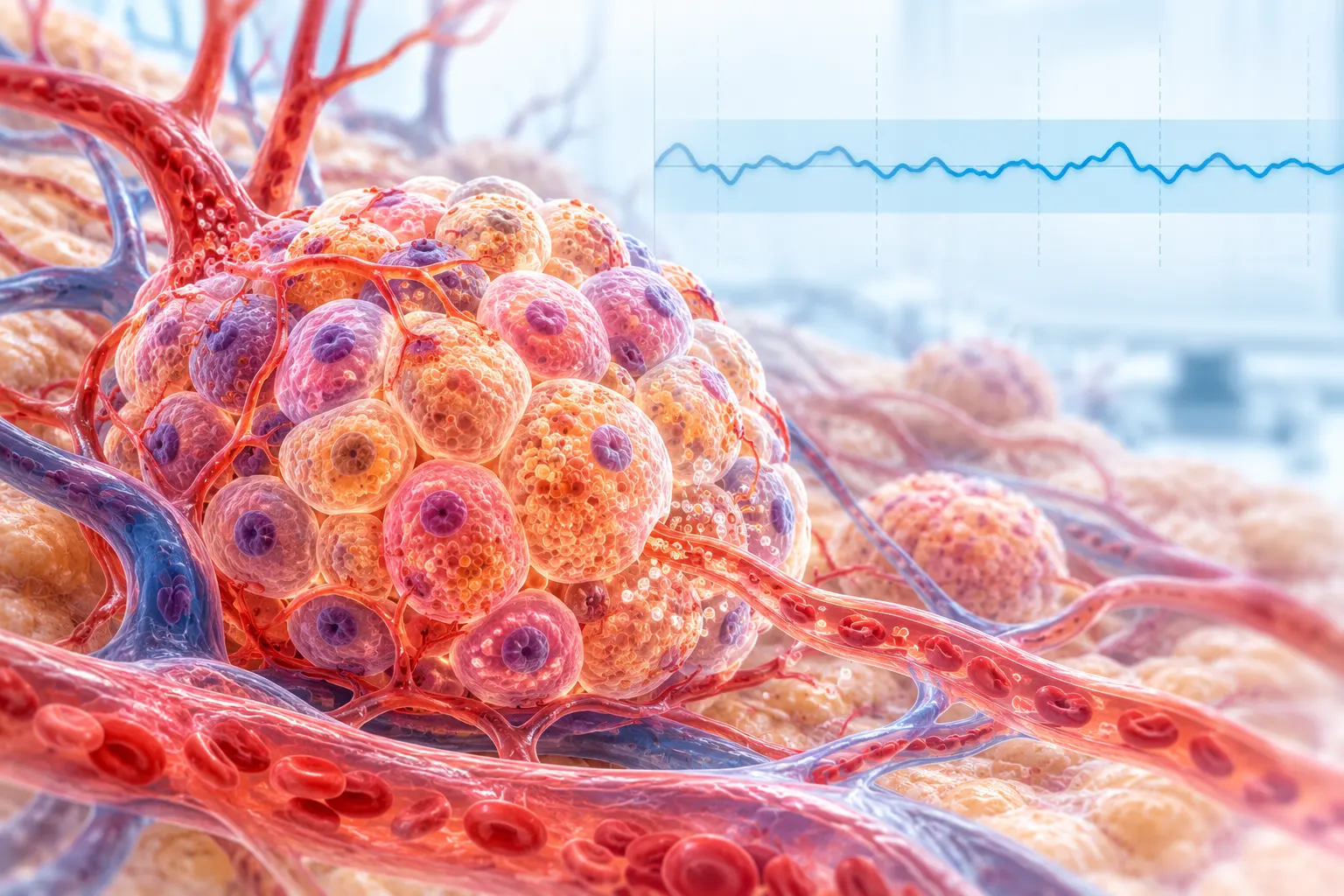
The transplant worked faster than doctors expected. Insulin independence followed within eleven weeks. By month seven, the patient’s blood glucose levels stayed in target range more than 99 percent of the time.
That level of stability reflects tight glycemic control. Lab tests confirmed his own new islet cells were producing hormones again. His insulin secretion rose roughly threefold compared with before the transplant.
Over 113 weeks, his HbA1c fell from 6.6 percent to 4.6 percent. No tumors or serious graft-related problems appeared during that time.
Why Researchers Also Tested This Approach in Type 1 Diabetes
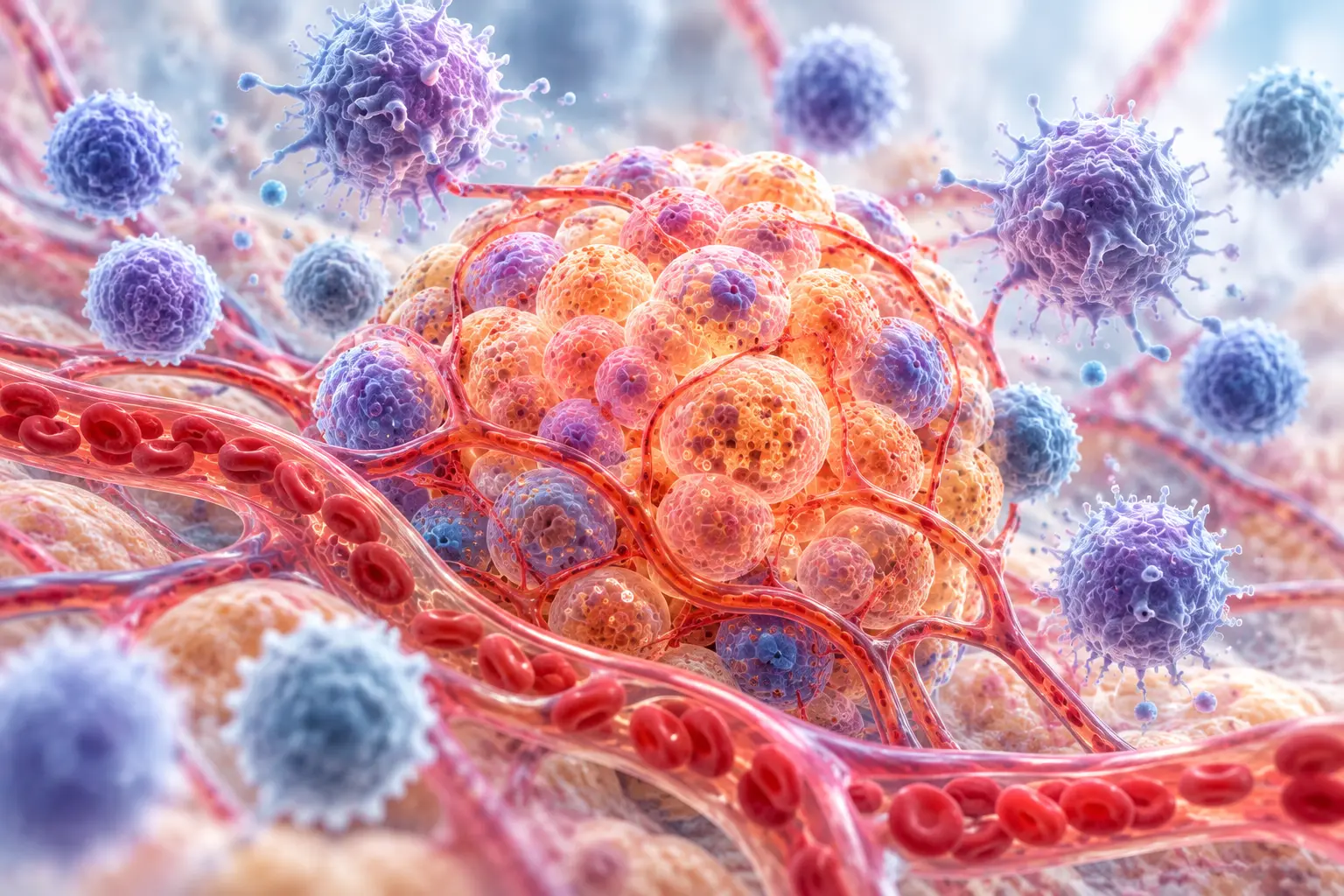
A separate Shanghai team later tried this method in three patients with type 1 diabetes (T1D). Researchers published the results in a major medical journal in 2026. All three patients regained natural insulin production and stopped injections for over a year.
One adult stayed insulin-free for more than 26 months. Type 1 diabetes involves an autoimmune attack on the pancreas, not just a shortage of derived cells. These patients still needed immune-suppressing drugs to protect the new tissue.
Researchers reported no signs of transplant rejection. They also saw no sign that the immune attack returned during the study.
Regulatory Status and What Comes Next
China’s drug regulator cleared a related therapy for early human trials in April 2025. The US Food and Drug Administration followed in January 2026. Both clearances cover early testing only, not full approval.
Shanghai-based EndoCell Therapeutics is now building a donor-based version. It uses banked endoderm stem cell lines instead of growing tissue for one patient at a time. This model relies on cell-derived islet transplantation and could reach more patients faster once cleared.
Transplant surgeon James Shapiro called the early results stunning. Other specialists want more long-term data before drawing firm conclusions.
Some observers expect European regulators to review filings once more trial data becomes available. For now, the clearances in China and the United States apply only to early-phase testing.

Safety Trade-offs to Understand
This therapy is not risk-free. Patients must stay on immune-suppressing drugs for life to protect the graft. Long-term use of these drugs carries its own risks, including infection and certain cancers.
So far, researchers have not reported tumors or unexpected growths in any patient. The mild side effects noted included temporary abdominal discomfort and modest weight loss shortly after surgery. Follow-up care post transplantation included regular blood work to catch problems early.
Cost is another open question. Doctors currently grow each graft one patient at a time, a slow and costly process. Industry estimates suggest a single treatment could cost more than $100,000 once it reaches the market.
How This Fits Into the Wider Diabetes Research Field
Chinese teams are not alone in exploring cell-based diabetes treatments. Other groups are testing similar approaches.
Vertex, a US drug company, is trying donor-derived islet cells in its own trials. That program remains at an earlier stage.
No research group outside China has yet published a repeat of this specific method. Because the approach is new, independent replication may take time. Until then, the results stand as promising but unconfirmed outside these hospitals.
Earlier trials elsewhere placed islet cells under the skin inside a protective capsule. Those trials reported weaker results over shorter follow-up periods. That contrast helps explain why the Shanghai team’s outcomes have drawn so much attention.

What This Means if You Have Type 2 Diabetes Today
This treatment is not yet available outside a small number of Chinese hospital trials. It still requires immune-suppressing medication. For most people with type 2 diabetes, standard care remains the realistic option today.
Anyone weighing a stem cell option should ask which cells the clinic uses. They should also ask whether the trial has published safety data and how long the follow-up has lasted.
Cyrona Cell’s stem cell therapy for type 2 diabetes page outlines what current cell-based support can and cannot do. The diabetes stem cell success rate overview covers realistic outcomes reported so far. We covered a related study on the root cause of type 1 diabetes in an earlier report.
FAQ
Did China reverse diabetes with stem cells?
Researchers in China reported a striking case. One type 2 diabetes patient stopped needing insulin after a stem-cell-derived islet transplant. A separate 2026 study showed similar results in three patients with type 1 diabetes.
These are small, early results, not proof that stem cells reverse diabetes broadly. Doctors describe the findings as promising, not confirmed.
Is islet cell transplant successful?
Standard islet transplants, using tissue from a deceased donor, can restore insulin production in some patients. They also require immune-suppressing drugs for life and depend on a limited donor supply.
The stem-cell-derived version described here showed similar success in early cases. It uses the patient’s own cells instead of a donor’s, which may lower the rejection risk.
Has anyone reversed type 2 diabetes completely?
Some people reach long-term remission through major weight loss or bariatric surgery, unrelated to stem cells. Researchers have documented that outcome separately from this research.
In the case covered here, one patient stayed insulin-independent for years after a stem-cell-derived islet transplant. Doctors call that result promising, not a proven cure.
Is there a cure for type 2 diabetes in 2026?
No approved cure exists for type 2 diabetes in 2026. The stem-cell-derived islet transplant described here remains experimental and has only reached a small number of patients.
Larger, longer trials still need to confirm whether the results hold across a wider population.
Can patients access this treatment outside China right now?
No approved version exists outside Chinese hospital trials as of 2026. The US FDA cleared an early-phase trial application in January 2026.
That clearance allows only initial testing, not public treatment. Patients elsewhere cannot yet receive this specific therapy.
Sources: South China Morning Post and the peer-reviewed case report in Cell Discovery.