Stem Cell Therapy For Inflammatory Bowel Disease: Where It Fits Alongside Biologics and Steroids

A simple view of gut healing inflammation control and modern treatment options

Quick Summary

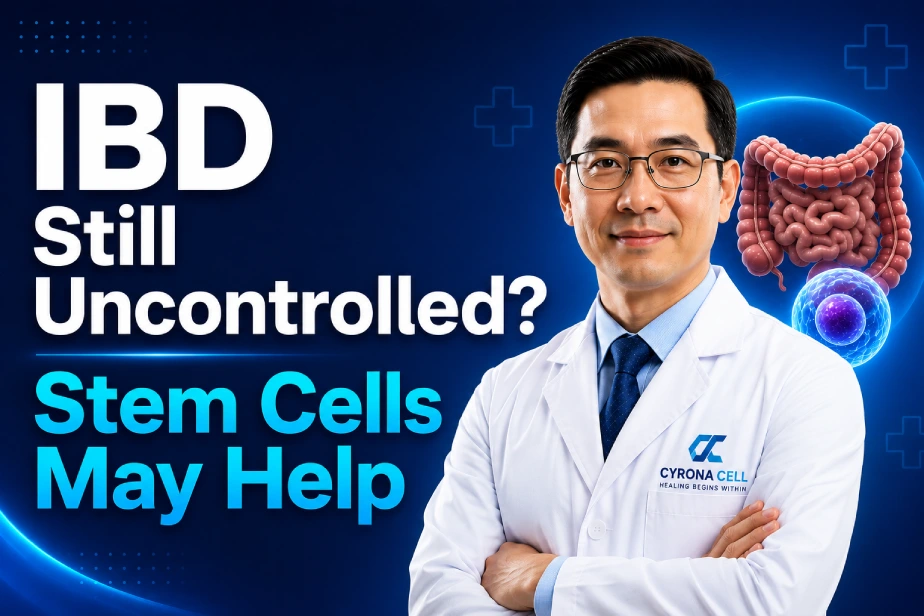
Mesenchymal stem cell (MSC) therapy for IBD (Crohn's disease and ulcerative colitis) reduces inflammation, supports repair of damaged intestinal tissue, and helps balance immune response. It is not a replacement for biologics or steroids but may work alongside them. Clinical trials show improved gut symptoms and mucosal healing in some patients, though treatment remains experimental and results vary.
  • How MSCs help: Reduce inflammation, support intestinal lining repair, balance immune response, release growth factors for healing
  • Cell sources: Bone marrow stem cells and umbilical cord stem cells studied in clinical trials
  • Current treatments: Steroids (rapid inflammation control), biologics (long-term immune control)
  • Potential role: Extra option for patients with ongoing disease activity despite standard therapy
  • Clinical trial results: Improved gut symptoms, lower inflammation markers, increased mucosal healing
  • Safety: Generally well-tolerated; mild side effects possible (fever, fatigue, temporary discomfort)
Estimated read: 6 min
Keywords: stem cell therapy, inflammatory bowel disease, mesenchymal stem cells, biologics, mucosal healing

A simple view of gut healing, inflammation control, and modern treatment options

Stem cell therapy for inflammatory bowel disease: where it fits alongside biologics and steroids is becoming an important topic in modern medicine. Many patients with inflammatory bowel disease ibd, including Crohn’s disease and ulcerative colitis, want better ways to control symptoms, reduce inflammation, and improve daily quality of life.

Today, doctors still use biologics and steroids as main treatments. However, new research in mesenchymal stem cell therapy is showing that stem cells may support healing in a different way. They do not replace standard drugs, but they may work together with them.
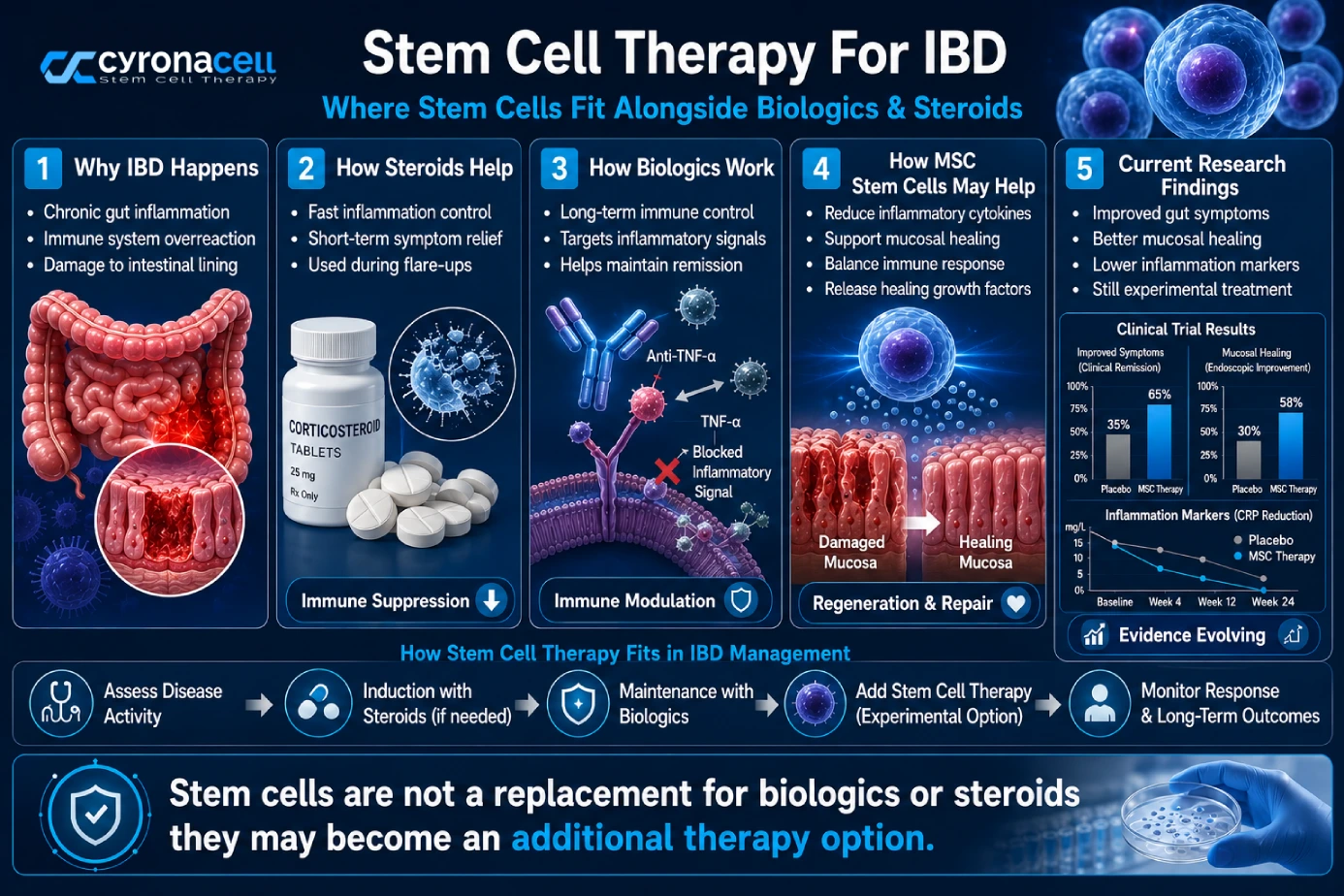
How stem cells may help the gut heal

Mesenchymal stem cells mscs are special cells that can help the body repair itself. They work in several simple ways:

  • They help reduce inflammation in the gut
  • They support repair damaged tissue in the intestinal lining
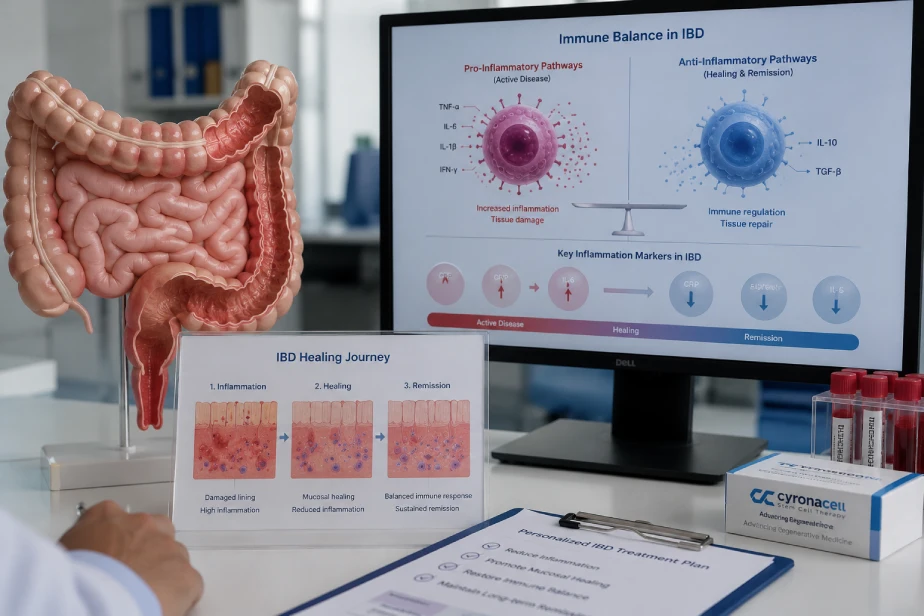
  • They help balance the immune response
  • They improve healing in the gastrointestinal tract

These effects are important because IBD is a long term condition where the immune system attacks the gut by mistake.

MSCs release growth factors that send healing signals to the body. This may help reduce damage and support mucosal healing over time.

Where stem cell therapy fits with biologics and steroids

Where stem cell therapy fits with biologics and steroids

Right now, most patients use:

  • Steroids to quickly reduce inflammation
  • Biologics to control immune response long term

However, some patients still have disease activity even with these treatments. This is where stem cell treatment may help in the future.

Stem cell based therapies are being studied to see if they can:

  • Lower inflammatory cytokines in the body
  • Help control immune cells that cause damage
  • Support long term gut healing

Because of this, stem cells may become an extra option, not a replacement.

Treatment Type Main Purpose How It Works Current Role in IBD Care
Steroids Rapid inflammation control Suppresses immune activity quickly Used for short-term flare management
Biologics Long-term disease control Targets inflammatory cytokines and immune pathways Standard treatment for moderate to severe IBD
Mesenchymal Stem Cell Therapy Support healing and immune balance Releases growth factors and reduces inflammation Experimental therapy studied in clinical trials
Bone Marrow Stem Cells Immune regulation and tissue repair Supports repair of damaged intestinal tissue Research-based regenerative approach
Umbilical Cord Stem Cells Reduce inflammation and aid healing Provides strong healing and regenerative signals Studied as supportive therapy alongside biologics
Types of stem cells used in research

Types of stem cells used in research

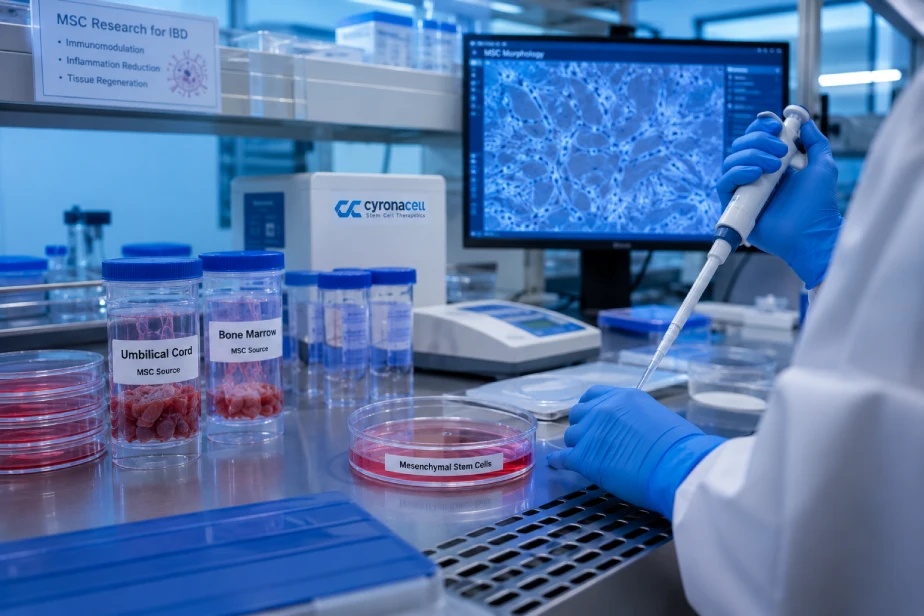
Researchers study different sources of stem cells:

Bone marrow stem cells

These cells come from the body and help with immune balance and repair.

Umbilical cord stem cells

These are taken from umbilical cord tissue and are strong in healing signals.

Both types are used in clinical trials to study safety and results in IBD patients.

What clinical trials show so far

Clinical trials are very important in this area. Research shows:

  • Some patients improve gut symptoms
  • Inflammation markers may reduce
  • Mucosal healing can increase in some cases

However, results are not the same for everyone. Doctors still study long term effects and safety.

Stem cell therapy is still not a standard cure. It is still part of ongoing research.

Safety and possible side effects

Safety and possible side effects

Most studies show stem cell therapy is usually safe when done in controlled settings. Some possible side effects include:

  • Mild fever
  • Tiredness
  • Temporary discomfort after treatment

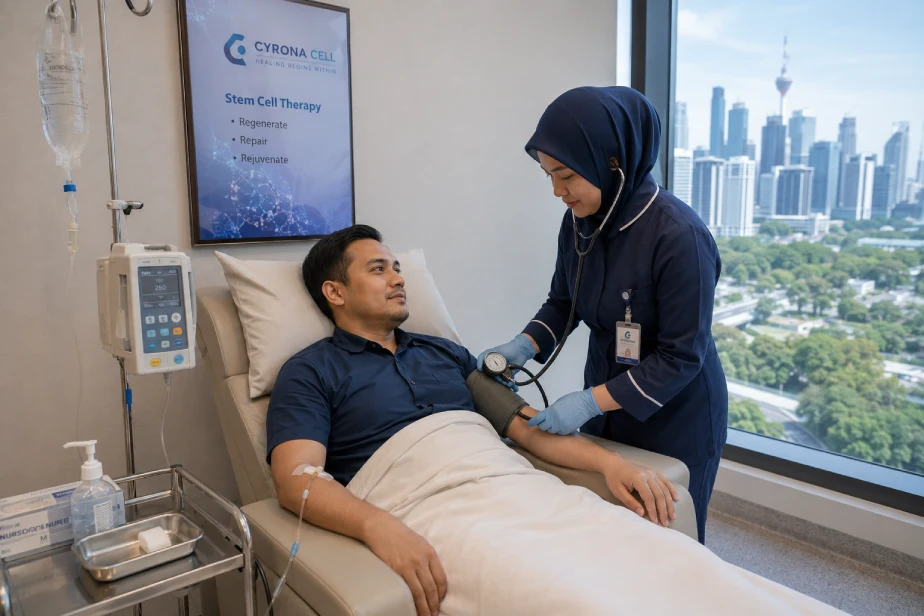
Doctors always monitor patients closely to reduce risks.

Why IBD treatment is still complex

IBD is a chronic inflammatory disease. This means:

  • The immune response is always active
  • The gut lining gets damaged again and again
  • Symptoms can come and go

Because of this, no single treatment works for everyone. Many patients need a combination of therapies.

Future role of stem cell therapy

Future role of stem cell therapy

In the future, stem cell therapy may become more common for IBD. Scientists hope it can:

But more research is still needed before it becomes standard treatment.

Closing Thoughts on IBD Care and Treatment in Malaysia

As we explore stem cell therapy for inflammatory bowel disease: where it fits alongside biologics and steroids, it becomes clear that science is slowly opening new hope for patients in Malaysia and around the world.

Stem cells may not replace current drugs, but they may support healing in ways that traditional treatments cannot. In clinics like Cyrona Cell in Kuala Lumpur, doctors continue to follow ongoing clinical trials and research to improve safety and results for local and international IBD patients. With more evidence and experience, future care for inflammatory bowel disease may become more complete, more balanced, and more effective.

FAQ

Why can't you eat lettuce with Crohn's?

People with Crohn’s disease often avoid raw foods like lettuce because they can be hard to digest and may irritate the inflamed gut lining. This can increase symptoms like pain or bloating. While diet control helps manage symptoms, mesenchymal stem cell therapy may support healing by reducing inflammation and helping repair damaged tissue in the gut.

Public cases and discussions often mention stem cell treatments using sources like bone marrow or umbilical cord tissue. These treatments are usually done in regulated clinics under medical supervision. In inflammatory bowel disease ibd research, similar sources are studied to understand how stem cells may reduce inflammation and support gut repair.

Not everyone is suitable for stem cell treatment. Patients with active infections, uncontrolled disease activity, or serious health conditions may not qualify. Doctors also check immune response, overall health, and safety factors before recommending any stem cell based therapies for chronic inflammatory conditions.

In 2026, research in regenerative medicine continues to explore mesenchymal stem cell therapy as a new option for ulcerative colitis. Studies show it may help reduce inflammation, improve mucosal healing, and support repair damaged tissue in the gastrointestinal tract, especially when used alongside standard treatments.

Yes, early clinical trials suggest that mesenchymal stem cells mscs may help reduce disease activity in Crohn’s disease. They work by modulating the immune system, lowering inflammatory cytokines, and supporting gut healing. This may improve symptoms when combined with standard medical care.

Author

Leave a Reply

Your email address will not be published. Required fields are marked *