Key Takeaways
- Researchers test stem cell therapies for heart failure, but no trial shows that the cells rebuild a damaged heart.
- A 2016 Cochrane review of 38 trials and 1,907 people found no gain in heart pumping strength and rated the evidence low quality.
- A 2012 trial of 30 people reported smaller scars after bone marrow cell injections, but it had no placebo group.
- None of the four studies reviewed here reports a direct measure of new blood flow to the heart.
- Trials gave cells by vein or by injection into the heart wall, and each study used a different cell source.
Estimated read: 7 min
Stem cells for heart failure: blood flow and scarring are questions many families ask. Small trials report mixed results, and none show that the cells rebuild a heart. This guide reviews four studies, the risks, and the ways doctors give the cells.

What is heart failure, and how do stem cells fit in?
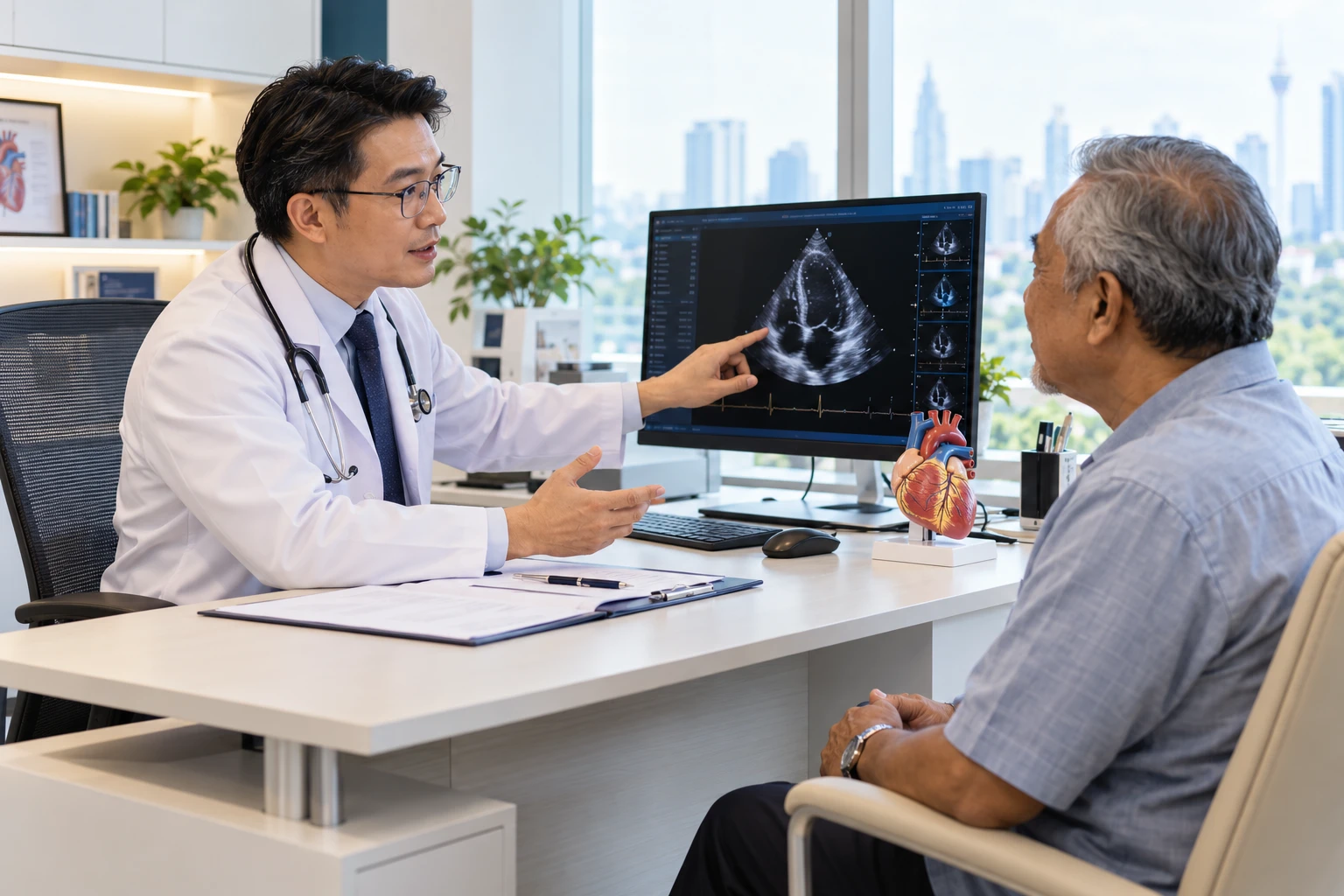
Heart failure is a condition in which the heart cannot pump enough blood for the body’s needs. Long-term coronary artery disease and heart attacks often cause it. Narrowed arteries cut off blood to the heart muscle, which doctors call ischemic heart disease.
For example, a myocardial infarction, the medical term for a heart attack, leaves scar tissue that does not contract. Over time, that scar can weaken a damaged heart. Heart failure is one form of cardiovascular disease.
For this reason, researchers test stem cell therapies because stem cells can turn into other cell types and may release helpful signals. Adult stem cells, taken from bone marrow or other tissue, are the main kind tested. Mesenchymal stem cells are one type of stem cells studied for cell therapy for heart conditions.
How is heart failure treated today?
Standard heart failure care combines medicines, devices, surgery, and lifestyle changes. The National Heart, Lung, and Blood Institute (NHLBI) lists them in its guide to heart failure treatment.
- Medicines that remove extra fluid, relax blood vessels, or slow the heart rate.
- Devices such as pacemakers, implants that correct dangerous rhythms, and mechanical heart pumps
- Surgery to repair damage or a congenital disability
- A heart transplant when heart failure is life-threatening, and other treatments have failed
- Lifestyle changes such as less salt, regular activity, and no smoking
These treatment options form the base of care for patients with heart failure. The NHLBI page does not list stem cells for heart failure.
However, nobody should stop or change medicines without their own doctor’s advice. Cyrona Cell describes its own approach in its congestive heart failure overview.
What do clinical trials of stem cells for heart failure report?
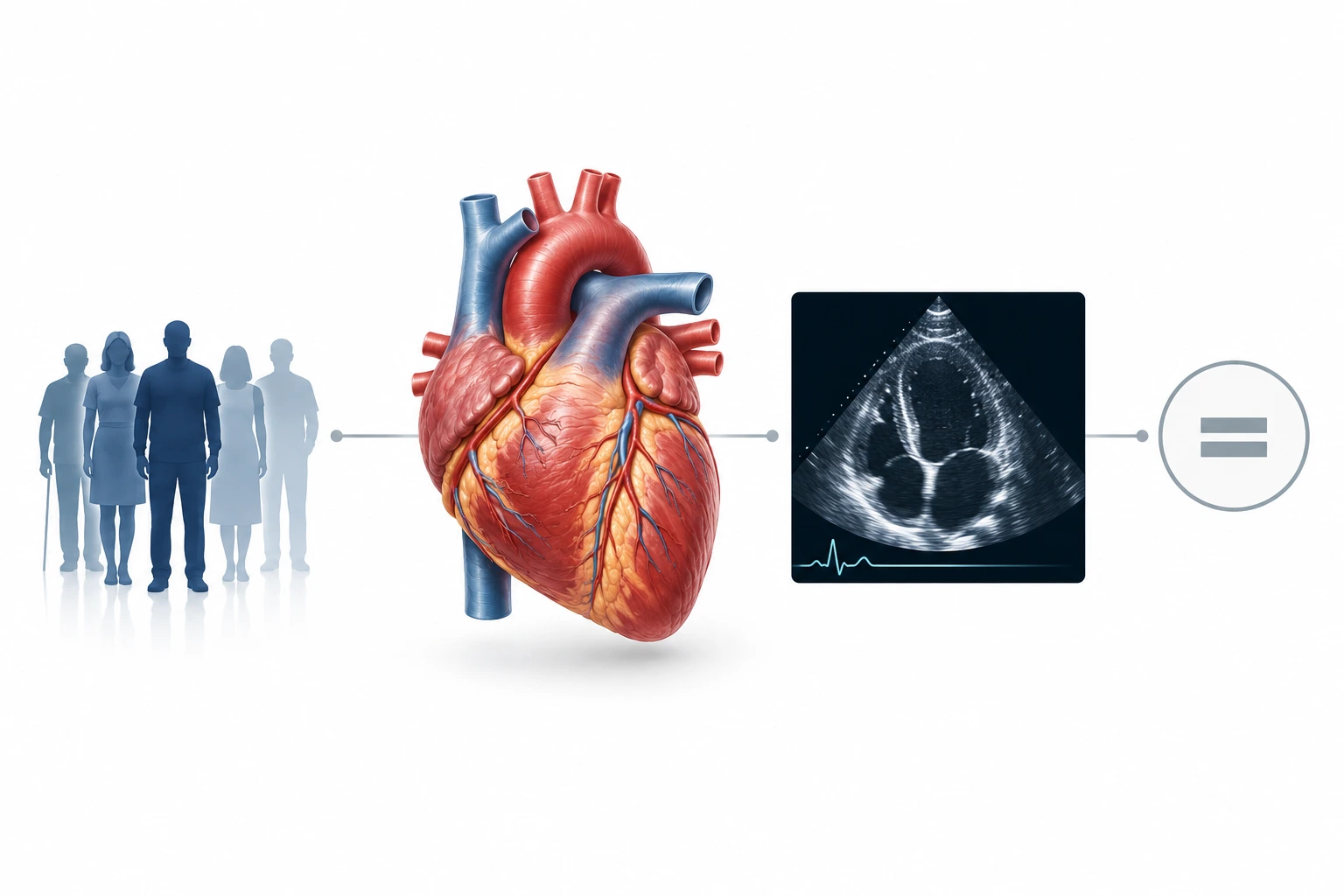
A 2016 Cochrane review of cell therapy trials found no gain in heart pumping strength on scans across 38 randomized trials. The trials included 1,907 people and reported fewer long-term deaths. However, the authors rated the evidence low quality because of bias concerns and the small number of events.
The table compares that review with three other studies.
| Study | What it found | What it means |
|---|---|---|
| 2016 Cochrane review (38 trials) | Heart pumping did not improve | Low-quality evidence, so results are uncertain |
| 2020 heart attack trial (375 people) | Deaths after 2 years were similar in both groups | No survival benefit shown |
| 2012 heart injection trial (30 people) | Scars were smaller, but exercise did not improve | Early study with no placebo group |
| 2026 umbilical cord trial (40 people) | Left-side pumping did not improve | Small, one-year study |
The 2020 trial tested bone marrow cells given after a heart attack. Doctors in the 2012 trial injected mesenchymal stem cells into the heart wall. The 2026 trial gave umbilical cord cells by vein.
Each study used a different cell type, dose, and delivery route, so you cannot add the results together. Larger clinical trials must test which stem cell treatments, if any, help.
Can stem cells improve blood flow to the heart?
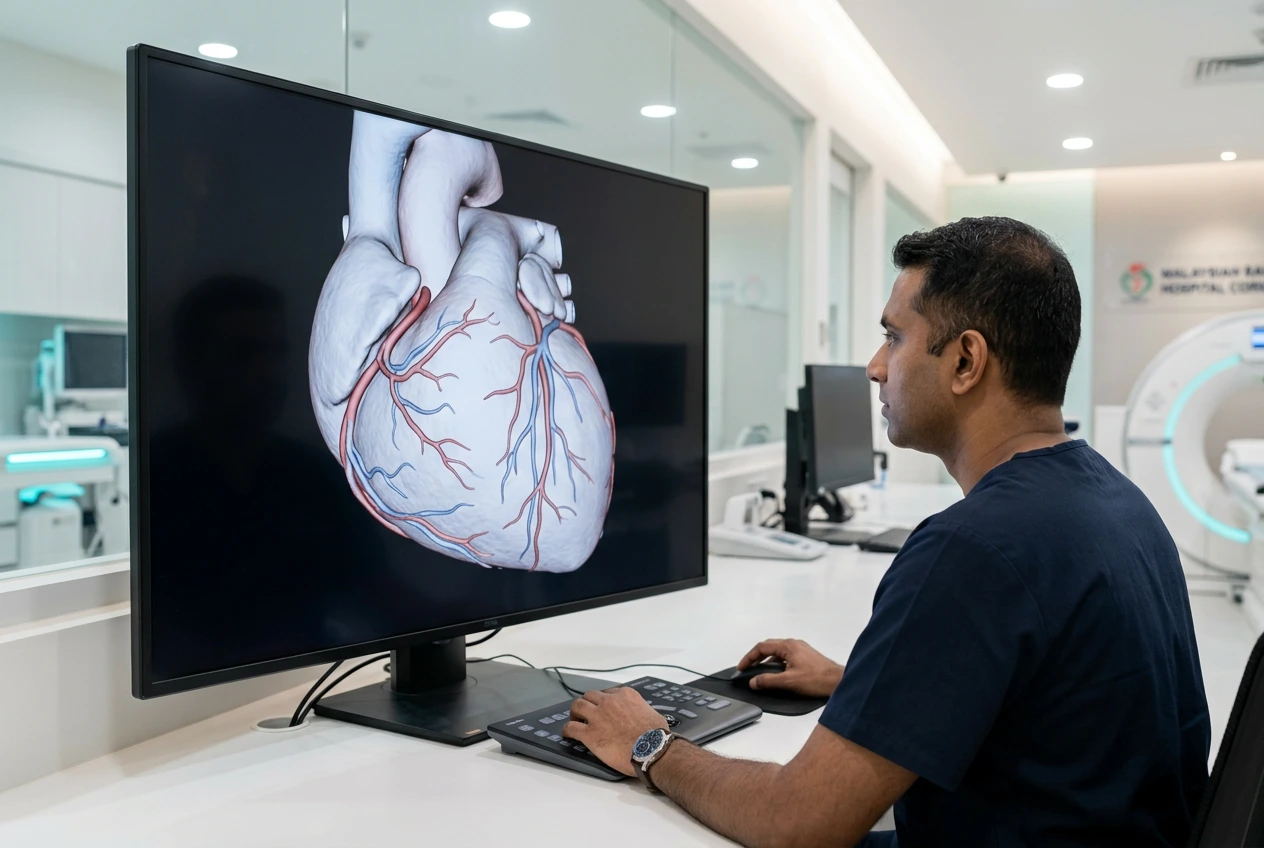
None of the four sources above shows that stem cells increase the heart’s blood supply. Their abstracts report pumping strength, scar size, survival, and safety, and none reports a direct measure of new blood vessel growth. Therefore, blood flow remains an open research question.
In contrast, a Cyrona Cell summary of a 2026 bypass patient trial describes a different approach.
The Nature Medicine report gave 10 of 20 bypass patients lab-grown heart muscle cells rather than adult stem cells. Blood flow and walking distance improved, but pumping strength and scar size did not. All 10 treated people had an abnormal heart rhythm.
Can stem cells reduce scarring in a damaged heart?
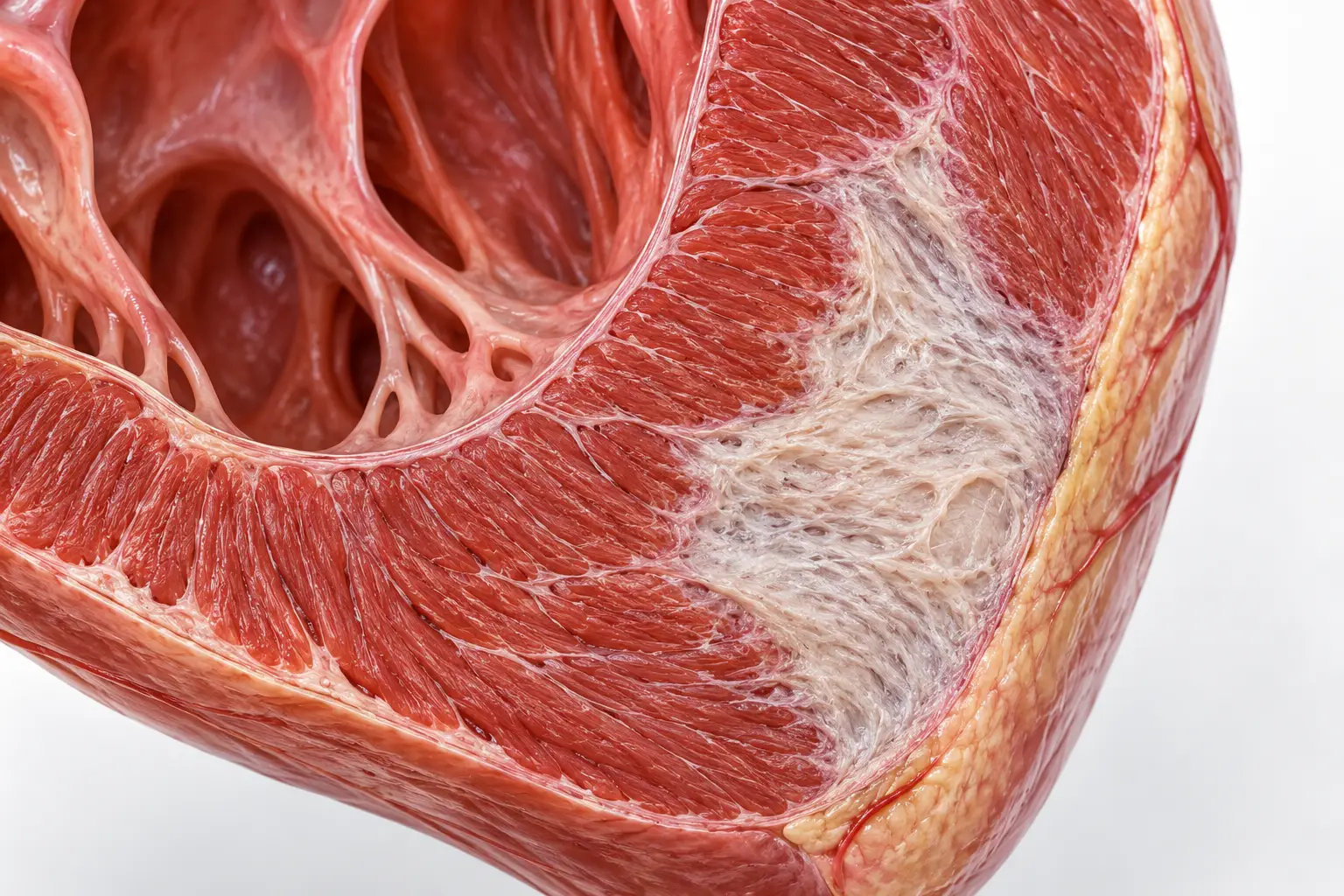
A 2012 trial of 30 people reported smaller scars after stem cell injections (JAMA, 2012). Doctors injected bone marrow mesenchymal stem cells into the heart wall. However, the trial had no placebo group, so the cells may not explain the change.
Scar tissue does not pump, so smaller scars matter in theory. Yet neither cell type improved peak oxygen use during exercise in that trial, the authors reported (JAMA, 2012).
The 2016 Cochrane review likewise found no clear gain in pumping strength. Therefore, scar changes on scans may not translate into better heart function.
Weighing your therapy for heart failure options? Cyrona Cell explains the condition-specific details on its heart failure treatment page.

Which type of stem cells do heart failure trials use?
Each type of stem cells behaves differently. The studies above tested three kinds: mixed bone marrow cells, bone marrow mesenchymal cells, and umbilical cord mesenchymal cells.
- For example, the 2020 trial gave bone marrow cells after a heart attack.
- The 2012 trial compared donor and own bone marrow cells, injected into the heart wall.
- The 2026 trial gave donor umbilical cord cells by vein.
No source above shows that one cell source outperforms another. Cyrona Cell states that its program uses umbilical cord cells. This article does not rank cell sources.

What are the risks and unknowns of heart cell therapy?
Reported risks of stem cells for heart failure differ between trials, and each trial was too small to rule out rare harms.
- Patients treated in the 2026 umbilical cord trial had higher D-dimer levels, a clotting marker. In this 40-person trial, both groups had similar rates of abnormal rhythms, heart attacks, and strokes (Signal Transduction and Targeted Therapy).
- The 2020 heart attack trial of 375 people had four strokes in the treated group and none in controls (European Heart Journal).
- In the 2026 Nature Medicine trial, all 10 treated people had an irregular heartbeat, says the Cyrona Cell summary.
Still, unknowns include the right dose, delivery route, and cell source. Likewise, larger trials with longer follow-up are needed to assess survival, hospital stays, and quality of life. The 2016 Cochrane review rated the current evidence low quality.
How is cell therapy for the heart given, and what should patients ask?
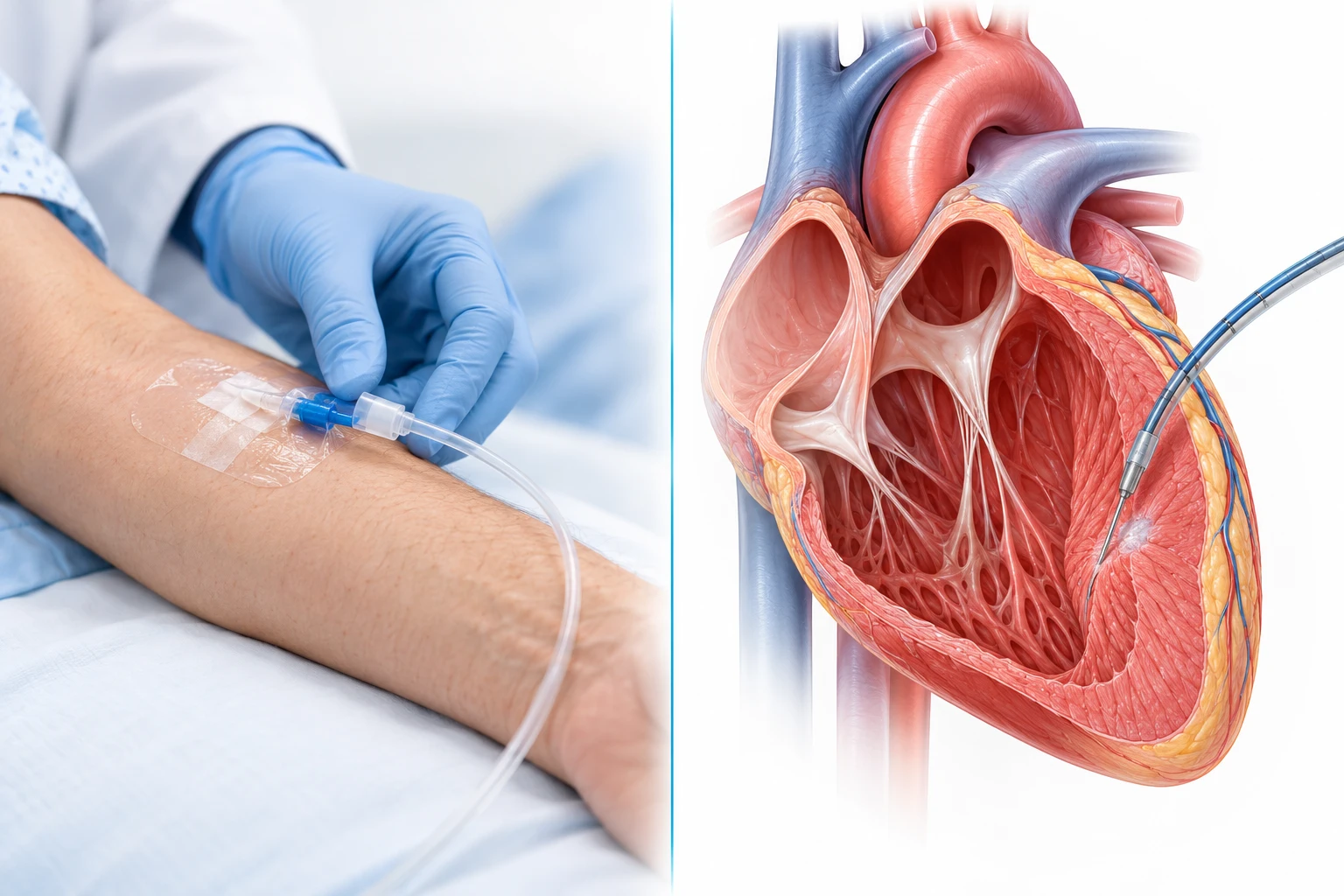
Trials of cell therapy for heart disease gave cells either by vein or by injection into the heart wall.
- By vein: the 2026 trial gave umbilical cord cells three times, six weeks apart, and followed people for 360 days.
- Into the heart wall: the 2012 trial injected cells into 10 spots of the heart’s main pumping chamber.
A treating team should explain the route, the number of doses, and the follow-up plan in writing. Ask these questions before any visit:
- Which published heart study used this cell source, and how many people did it include?
- How will the doctor give the cells, and how many doses are planned?
- What written batch tests does the lab run before treatment? A Wharton’s jelly quality testing article explains one common check.
- Who is the treating doctor at the partner facility, and what are the written risks, follow-up plan, and total cost?
- How will my own heart doctor receive my follow-up results?
These questions apply to any provider, including the partner facilities in Kuala Lumpur that Cyrona Cell works with. They also apply to any offer of stem cells for heart failure.
Stem Cells for Heart Failure FAQ
Can stem cells repair heart failure?
No trial has yet shown that stem cell therapy repairs a failing heart. A 2016 Cochrane review of 38 trials found no change in pumping strength. In 2026, a trial of umbilical cord cells reported no improvement in left-side pumping.
What are some alternative treatments for heart failure?
Standard alternatives are medicines, devices, surgery, a heart transplant, and lifestyle changes, according to the NHLBI. Doctors already use these treatment options, while cell therapy remains experimental. Discuss any change with your own heart doctor.
Does stem cell therapy help people live longer with heart failure?
Stem cell therapy has not shown a clear survival benefit. The 2016 Cochrane review reported fewer long-term deaths but rated the evidence low quality. In the 2020 heart attack trial of 375 people, deaths were similar in both groups after two years.

Talk With the Cyrona Cell Team About Stem Cells for Heart Failure in Malaysia
Considering cell therapy for yourself or a family member with a weakened heart? Message the Cyrona Cell team on WhatsApp, or send your reports by email. The team can explain how partner facilities in Kuala Lumpur arrange care and whether the therapy may be suitable. This article informs and does not replace your own heart doctor’s advice.