Key Takeaways
- Stem cell therapy for anoxic brain injury is still experimental, and no study has compared early with late treatment in people.
- Most natural recovery after cardiac arrest occurs in the first three months, a 2017 study of 141 survivors found.
- Cooling newborns within six hours reduces death and disability, a 2013 Cochrane review of 1,505 infants found.
- A 2013 study in newborn mice found a treatment window of at least 10 days but under 17 days.
- A small 2021 study of eight adults had no comparison group, so it cannot show the cells caused any gain.
Estimated read: 8 min
Brain cells begin to die within minutes when oxygen stops. That makes timing the heart of every question about anoxic brain injury. This article reviews when doctors might give stem cells, what no study has tested, and where standard care fits.
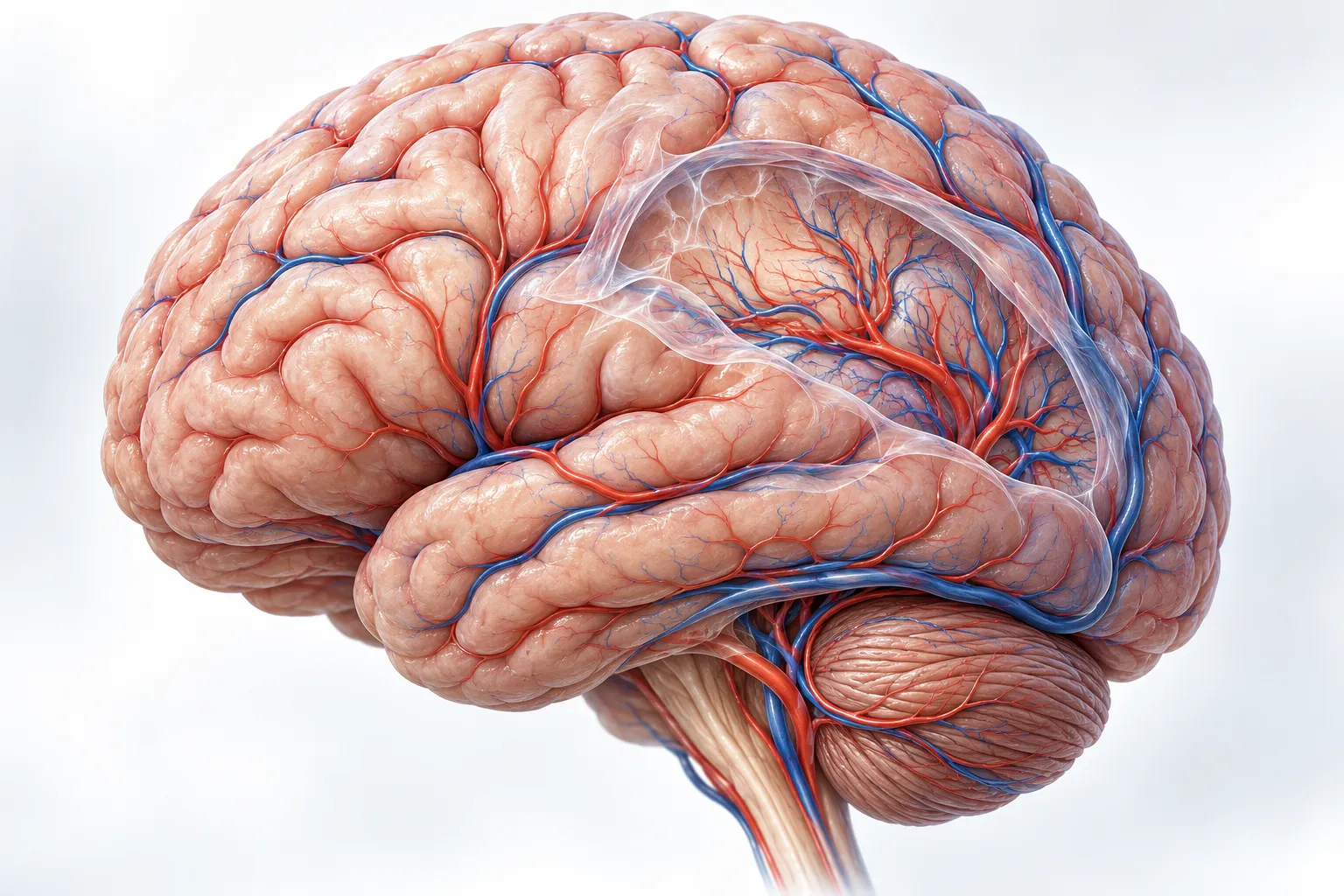
What Is Anoxic Brain Injury?
Anoxic brain injury is damage that happens when no oxygen at all reaches the brain. Common causes include:
- Cardiac arrest, when the heart stops pumping blood
- Drowning or near drowning
- Choking or strangulation
- Severe blood loss
- Carbon monoxide poisoning
Hypoxic injury is similar, although some oxygen still arrives, as this comparison of hypoxic and anoxic injury explains. The damage can affect memory, movement, speech, and overall brain function, depending on which areas lose oxygen.
How Much Does the Brain Recover on Its Own?
Most natural recovery after cardiac arrest happens in the first three months. That is the finding of a 2017 study of 141 survivors. First, researchers tested thinking skills at two weeks, three months,s and one year.
In that 2017 study, 16% to 29% of survivors had impaired thinking at two weeks, depending on the test. At one year, 10% to 22% of survivors continued to show impaired thinking. Specifically, planning and organizing skills suffered most.
This natural recovery matters for stem cell therapy research. Because a person may improve anyway, studies without a comparison group cannot show that cells caused the gain.
What Does the Newborn Cooling Window Show?
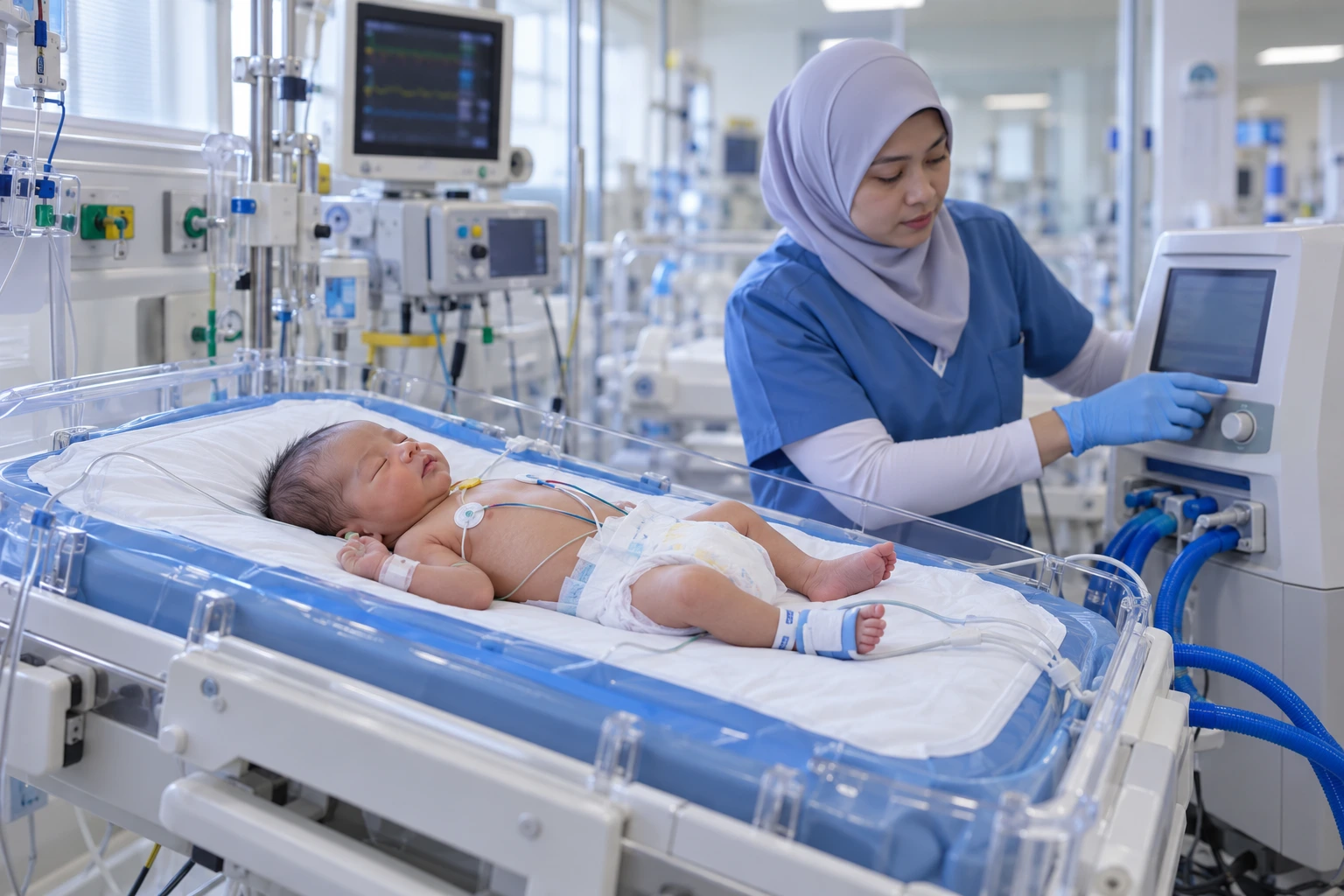
Cooling a newborn within six hours of birth reduces death and disability. A 2013 Cochrane review of newborn cooling trials found this, pooling 11 trials covering 1,505 infants.
The review also explains why the clock matters. After a pause of at least six hours, a second wave of nerve cell death begins.
Cooling is the clearest timing rule in this field and applies to newborns. However, newer cell therapies have no comparable rule yet. Researchers cannot copy the newborn window for adults after cardiac arrest, because their causes and treatments differ.
How Might Stem Cells Help an Injured Brain?
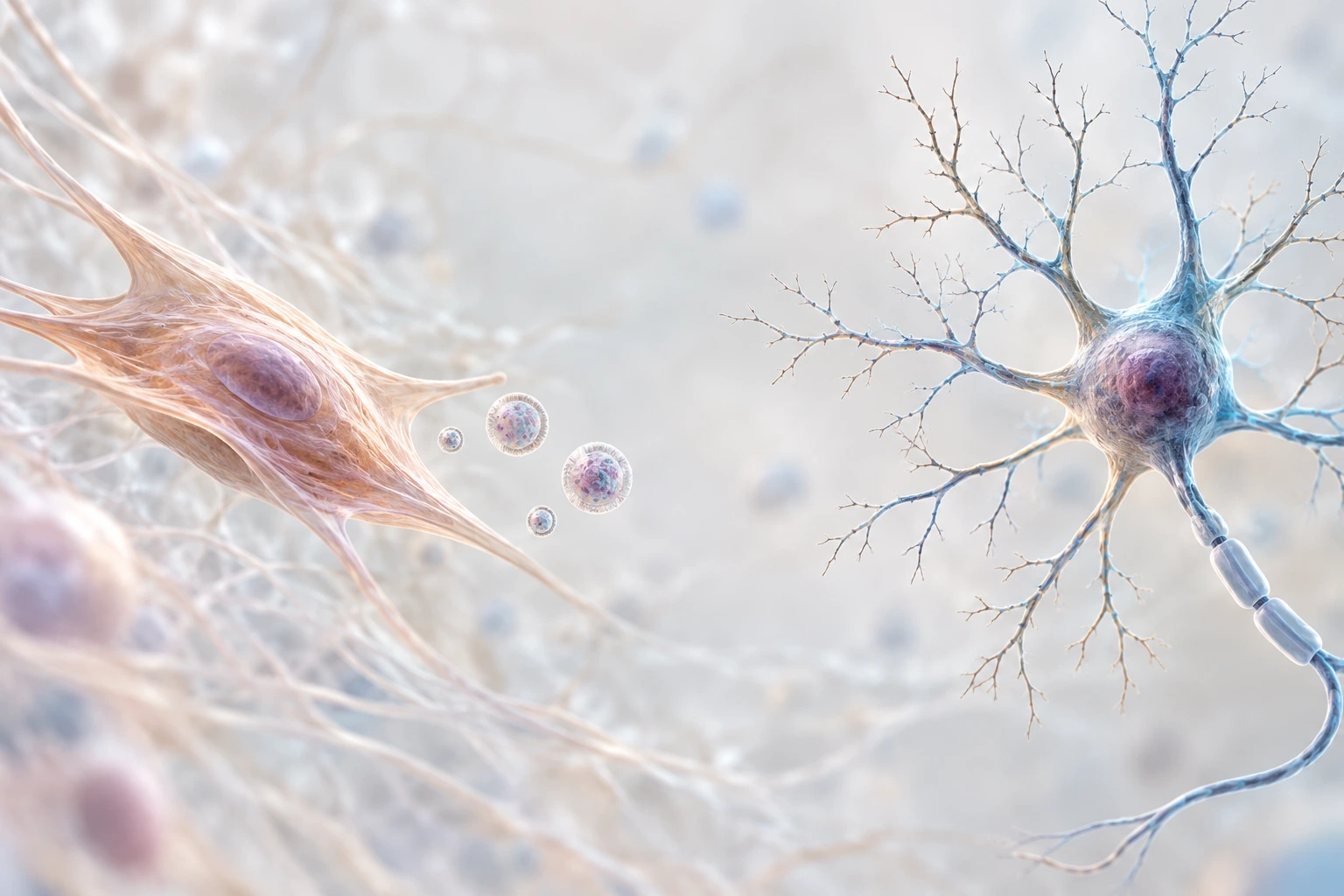
Stem cells may help an injured brain by releasing chemical signals, according to the authors of a 2021 adult study. They pointed to signals such as:
- Growth factors, which are proteins that help cells survive and grow
- Anti-inflammatory signals that calm the immune response
- Tiny packages called exosomes that carry messages between cells
Laboratory researchers also propose that cells may release a neurotrophic factor that protects surviving nerve cells. Others also suggest better blood flow to damaged brain tissue. However, these ideas remain unconfirmed in people.
Which Cell Types Do Researchers Study?
Mesenchymal stem cells come from bone marrow or the umbilical cord and can release signals that calm inflammation. The mouse study and the adult study described below both used this type.
Neural stem cells and induced pluripotent stem cells are different. The first group comes from the brain, while the second starts as ordinary adult cells reprogrammed in a lab. Both remain mostly laboratory research.
Why Does the Route of Delivery Matter?
The blood brain barrier blocks most substances in the bloodstream from reaching the brain, so the route of delivery matters. Researchers have tried injections into the spinal fluid, a vein, a muscle and the nose.
For example, each route has different risks and different odds of reaching the damage. However, no study has compared them in people with anoxic injury, so the best route is unknown. Researchers also think cells act indirectly on the nervous system through signals, rather than by replacing lost neurons.
Does Timing Matter for Stem Cells After Anoxic Brain Injury?
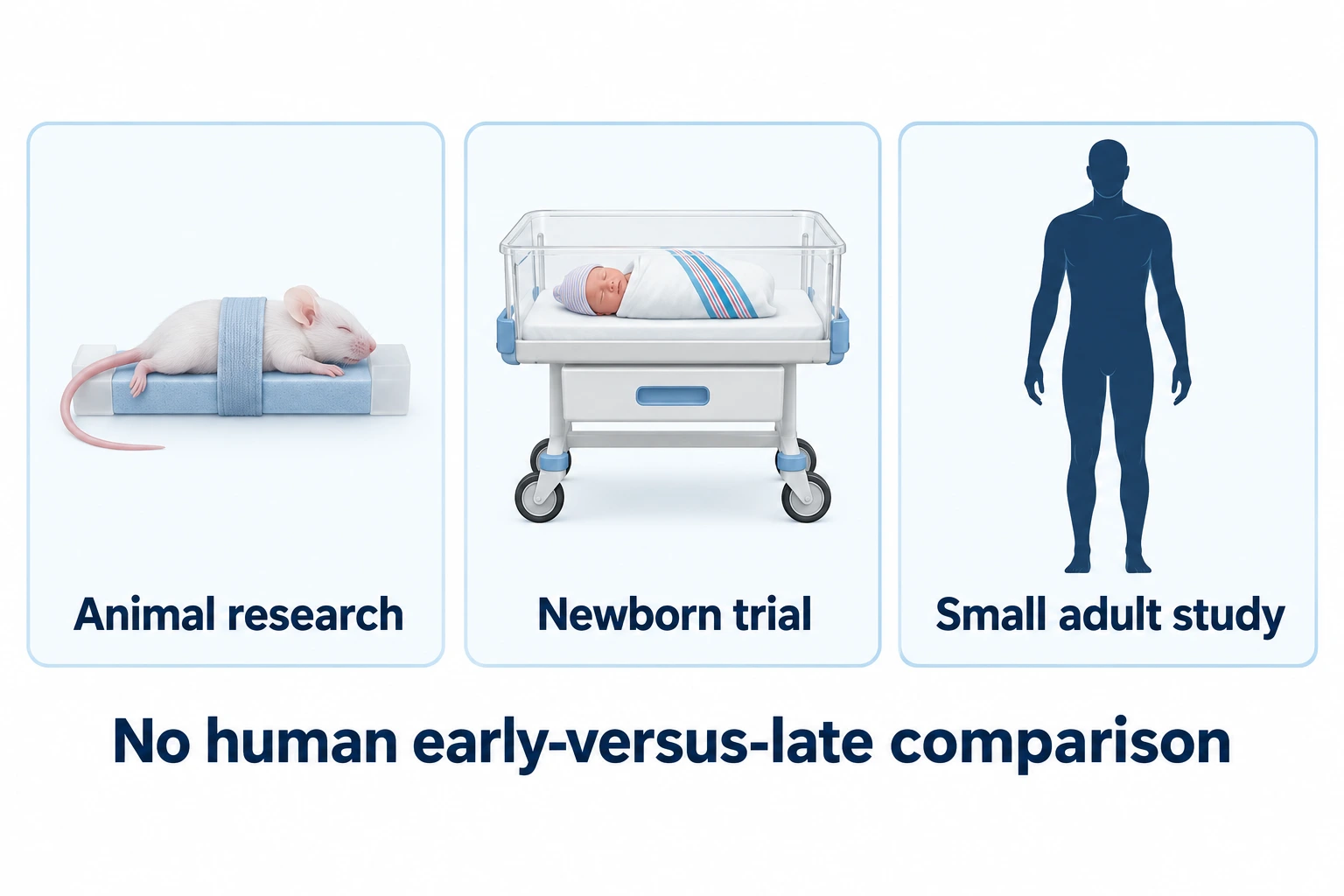
Timing may matter, but no study has yet compared early with late stem cell therapy in people. For example, mouse work suggests a window of about ten days. Newborn cooling shows the first six hours count, and the only adult study treated people months after injury.
Cyrona Cell’s earlier overview of anoxic brain injury and recovery introduces the condition. The table below summarizes what each kind of evidence tested.
| Study | Who took part | What happened | What it means |
|---|---|---|---|
| 2013 mouse study | Newborn mice with oxygen-deprived brain injury | Nasal mesenchymal stem cells reached the injury at 3 and 10 days, but not at 17 days | Window of at least 10 days but under 17, in mice only |
| Registered newborn trial | Up to 160 cooled newborns | Compares the baby’s own umbilical cord blood cells with a dummy treatment | Tests early treatment; no results reported here |
| 2021 adult study | Eight adults injured at least six months earlier | Daily function scores were higher after four doses of cord tissue cells | Small study with no comparison group |
What Did the Mouse Experiments Find?
Mouse experiments in 2013 found a treatment window of at least 10 days but under 17 days in newborns. In the 2013 mouse study of nasal cell treatment, researchers gave one dose of cells through the nose after oxygen-deprived brain injury. That single dose provided a clear benefit.
Cells reached the injury within 24 hours at 3 or 10 days, but not at 17 days. However, mice are not people, and a newborn mouse’s calendar does not map onto a person’s. Therefore these dates cannot guide human timing.
What Did the Human Studies Test?
Human studies so far include a small 2021 adult study and one registered newborn trial. The adult study treated eight people at least six months after oxygen loss, as described in this report on Wharton’s jelly cells. Each person received four doses over two months via spinal fluid, vein, and muscle.
Daily function scores were higher after treatment, while five people had mild fever, headache or muscle pain for about a day. The authors cited the lack of a comparison group as a main limitation, as other factors may have influenced the gains.
In newborns, a registered randomized trial of cord blood cells tests the baby’s own umbilical cord blood during cooling. Its entry describes a design in which neither the doctors nor the families know who receives cells, with up to 160 infants. The cells must be available within the first 48 hours.

What Are the Risks and Unknowns?
The main risks are short-term side effects, and the main unknowns are dose, cell type, route, and timing. Stem cell therapy for anoxic brain injury remains experimental. The authors of the 2021 adult study wrote that the best cell type, timing and patient group are still unknown.
Known and unknown risks include:
- Short-term symptoms: five of the eight adults had mild fever, headache, or muscle pain within 24 hours.
- Safety over the long term: the study followed people for about a year, so later effects are unknown.
- Cause and effect: without a comparison group, researchers cannot credit a score rise to the cells.
- Unproven clinics: the International Society for Stem Cell Research (ISSCR) warns that many clinics market unproven treatments.
The ISSCR guide to stem cell treatments lists questions to ask before any treatment. Its 2024 edition also notes that stem cell transplantation has well-established uses in some other diseases. The 2024 guide sorts treatments into approved, investigational and unproven groups.
Readers can ask any provider for written details on the cells used, the evidence behind them and the known risks. A clear answer on each point is a reasonable starting expectation.

How Does Cell Therapy Fit With Standard Care?
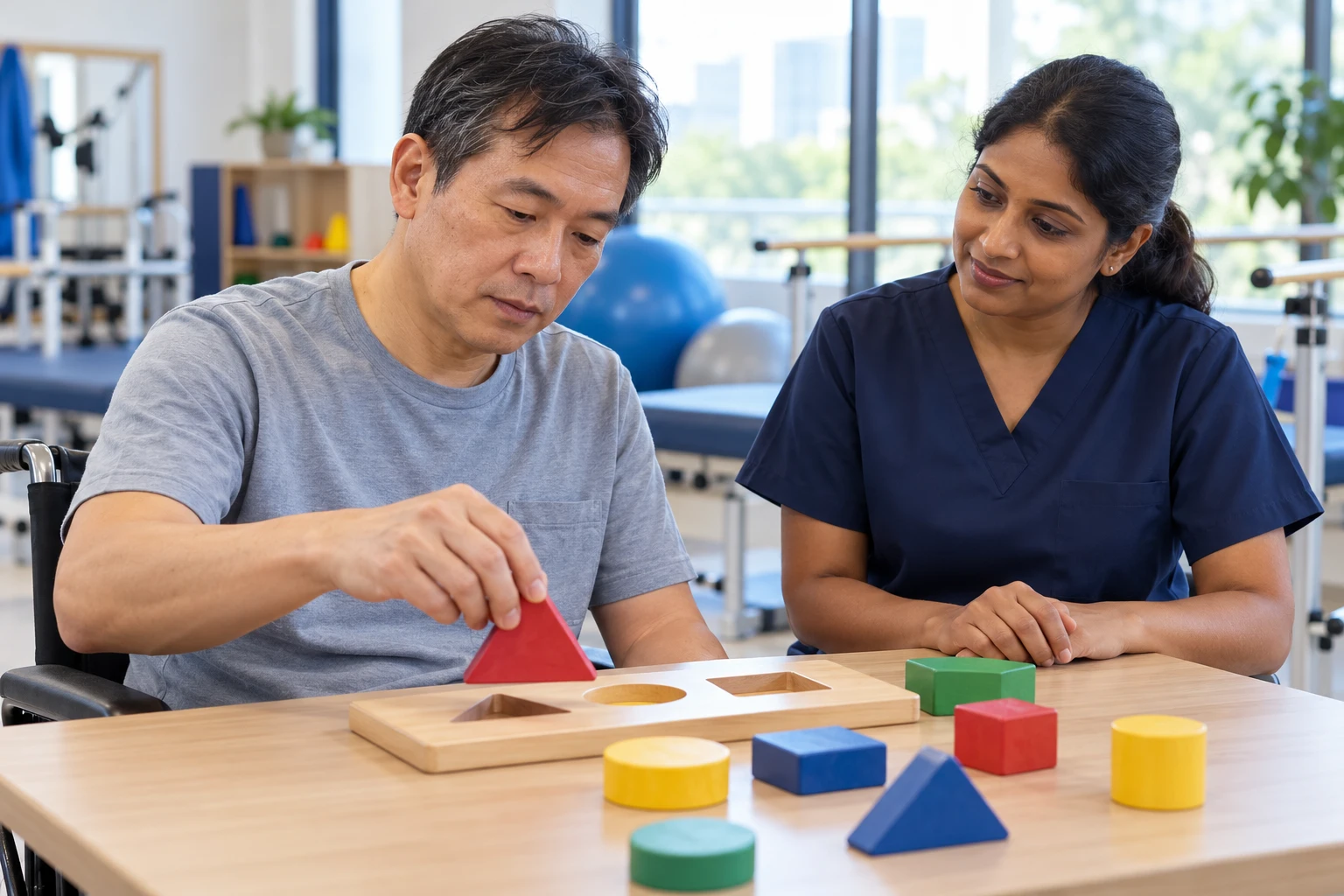
Standard care after anoxic brain injury is supportive care and rehabilitation, and cell therapy does not replace it. Rehabilitation teams also use physical therapy, speech therapy, and thinking-skills training to help people regain neurological function. The 2021 authors noted that their design lacked restorative therapies, which aid recovery.
Families often lead daily exercises at home. This article on the family role in rehabilitation after cell therapy describes how that works. Therefore nobody should stop or change medicines without their own doctor’s advice.
Related brain conditions raise their own timing questions. One Cyrona Cell article covers acute and chronic stroke cases. Another covers traumatic brain injury and cognitive and motor recovery after head injury.
Read the Cyrona Cell page on stem cell therapy for anoxic brain injury for more on timing in a specific case.
Frequently Asked Questions About Stem Cells and Anoxic Brain Injury
Can stem cells reverse brain damage?
No published study shows stem cells undoing brain damage in people. The 2021 adult study reported higher daily function scores after treatment. However, it had no comparison group, so it cannot show the cells caused the change in neurological function.
What can stem cells currently fix or cure in 2026?
Doctors know of no stem cell treatment that cures anoxic brain injury. The ISSCR guide lists well-established uses for some other diseases. Researchers are still testing brain uses in clinical trials.
Who is not a good candidate for stem cell therapy?
Only the treating doctor decides who is a good candidate, after reviewing medical reports. No article can pick candidates for stem cell therapy. In general, people who are medically unstable, or who face higher infusion risks, may not qualify.
Can stem cells treat anoxic brain injury?
Researchers are testing stem cells for anoxic brain injury, although they are not yet an established treatment. The 2021 adult study reported mild side effects, such as fever and headache, on the first day. Researchers still need larger controlled trials.
Ask the Cyrona Cell Team About Anoxic Brain Injury
Are you weighing treatment timing for anoxic brain injury for yourself or a family member? Speak with the Cyrona Cell team in Malaysia. Send your medical reports, and the team can say whether treatment at a partner facility in Kuala Lumpur may suit your case.
Contact the team through WhatsApp at +60 18-222 0032 or by email at info@cyronacell.com. This article is for information only and does not replace advice from your own doctor.