mesenchymal stem cells

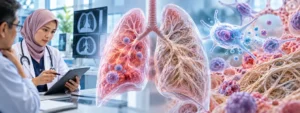
New Wharton’s Jelly MSC Study- Why Cell Quality Testing Matters

New Wharton’s Jelly MSC Study: Why Cell Quality Testing Matters

Key Takeaways A 2026 study in Scientific Reports followed 49 patients with steroid-resistant GvHD treated with Wharton’s jelly MSCs at four hospitals in Spain. At day 28, 71.4% of patients responded to treatment. One-year survival reached 55.1%. Batches that scored above 70% on a potency test produced far better outcomes,

Read More »
Stem Cell Treatment for Congestive Heart Failure

Stem Cell Treatment for Congestive Heart Failure

Key Takeaways Stem cell treatment for congestive heart failure targets the weak heart muscle directly, rather than just managing symptoms. Mesenchymal stem cells MSCs release growth factors that support cardiac repair, reduce inflammation, and may promote the growth of new blood vessels in the heart. Clinical trials and clinical studies

Read More »
New Stem Cell Research Targets the Root Cause of Type 1 Diabetes

New Stem Cell Research Targets the Root Cause of Type 1 Diabetes

Key Takeaways Researchers at MUSC report that engineered mesenchymal stem cells reversed new-onset type 1 diabetes in mice, pointing to the disease’s immune response rather than just its symptoms. The cells were modified to overexpress a protein called alpha-1 antitrypsin, which calmed the autoimmune attack and protected insulin producing beta

Read More »
How Umbilical Cord MSCs May Influence Inflammation in Ulcerative Colitis

How Umbilical Cord MSCs May Influence Inflammation in Ulcerative Colitis

Key Takeaways Umbilical cord derived mesenchymal stem cells (UC-MSCs) are a well-studied source of MSC therapy for ulcerative colitis UC, with strong anti-inflammatory and tissue repair properties. UC-MSCs home to inflamed tissue, calm overactive immune cells, and promote macrophage repolarisation from a damaging M1 state to a healing M2 state.

Read More »
Family Role in Rehab After Cell-Based Therapy for Hypoxic Brain Damage

Family Role in Rehab After Cell-Based Therapy for Hypoxic Brain Damage

Quick Summary Family support is essential for recovery after cell-based therapy for hypoxic brain damage. Families help with daily rehabilitation exercises, motor function practice, medication schedules, and emotional support. Recovery takes months or years, and consistent family involvement improves both short-term and long-term neurological outcomes alongside treatments like mesenchymal stem

Read More »